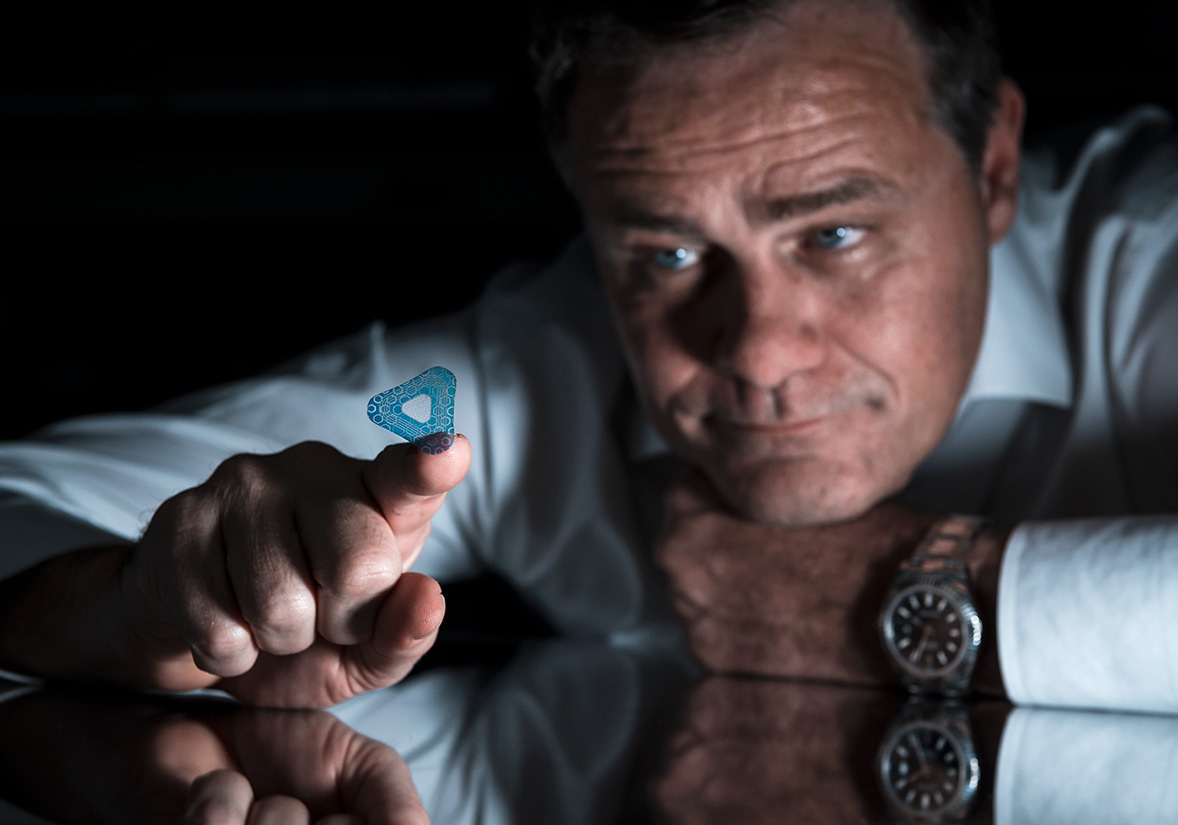
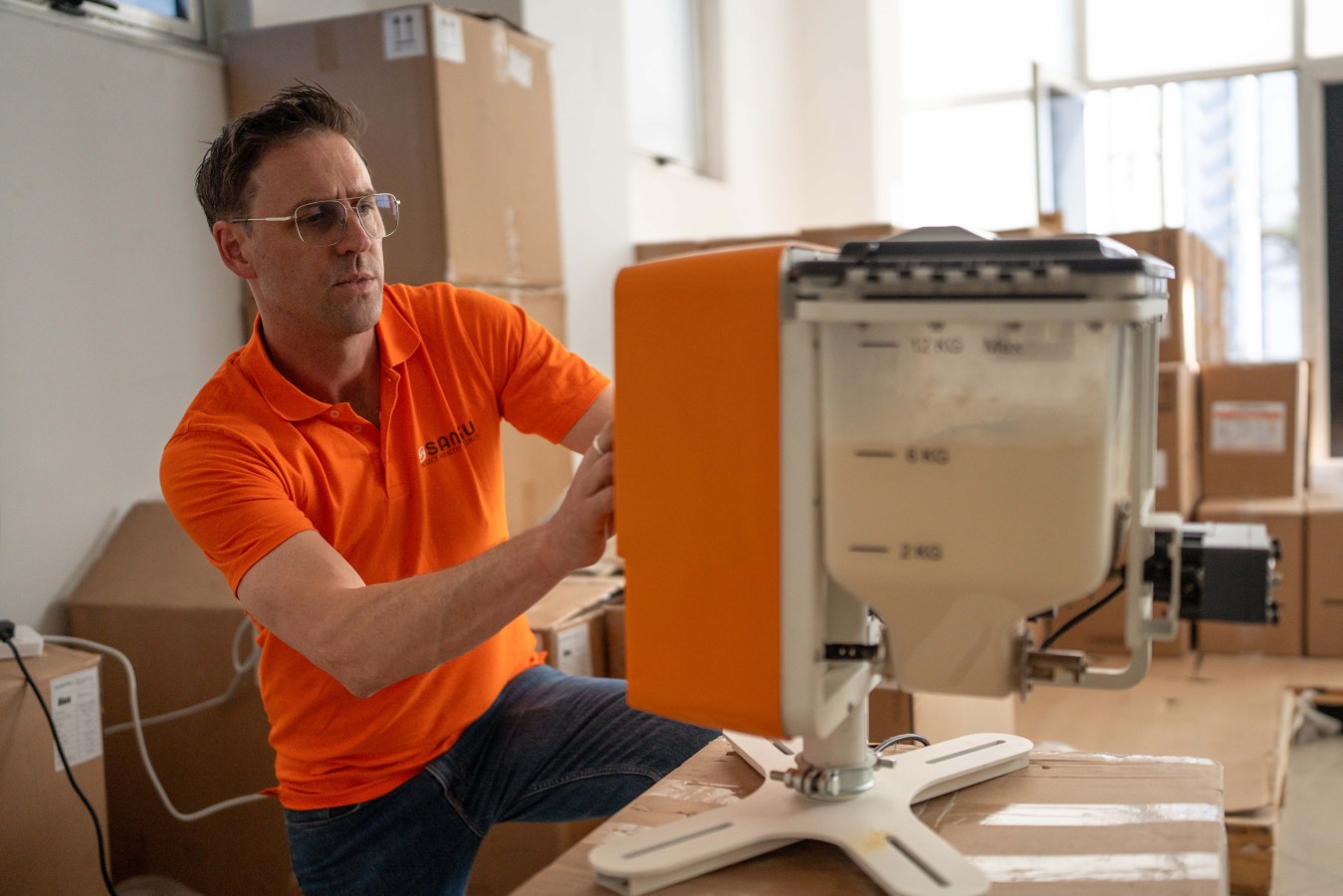
Grégoire Courtine has spent years building a system that reroutes movement around a broken spine. Now, inside a Swiss research hospital, he is applying it to patients with complete spinal fractures to see how much of walking can be rebuilt through direct neural stimulation.
Fourteen years after falling from a roof and fracturing her spine, Suzanne Edwards still had no feeling in her legs. Her consultants had told her she would never walk again. The injury left her with complete paralysis and no expectation of recovery.
This year, inside a surgical theatre in Lausanne, Edwards took her first hesitant steps.
The movement came through a digital bridge linking her brain and spinal cord, a system developed by neuroscientist Gregoire Courtine and neurosurgeon Jocelyne Bloch. The bridge routed signals from her brain to the nerves that control her leg muscles. For Edwards, it marked the first time she had moved her legs since the accident.
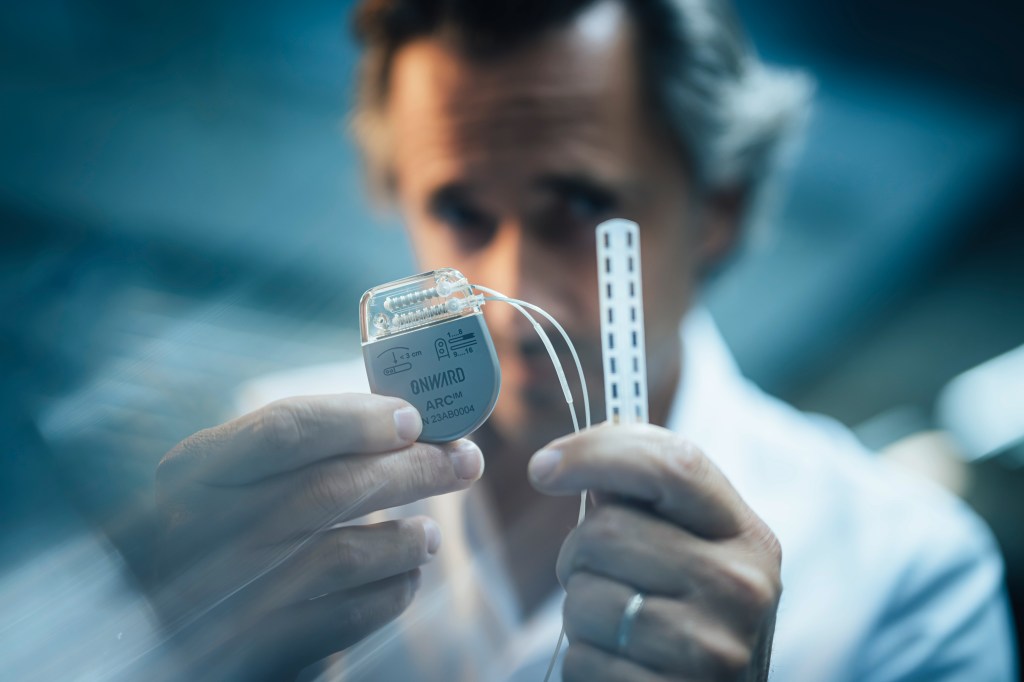
She was the first completely paralysed patient to test the latest version of the technology. This version uses new electrode fields designed to target the nerve roots involved in leg movement with far greater precision than earlier designs. Courtine described the significance of the operation.
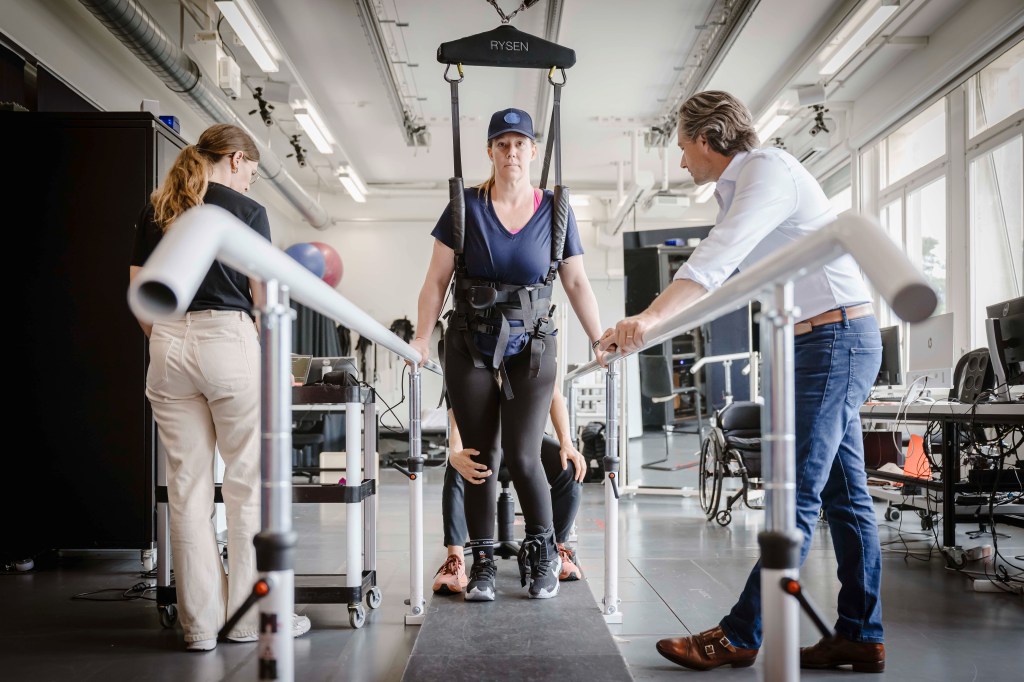
“What was exciting about Suzanne’s operation was that we were able to test a new piece of technology; electrode fields that are much more precise in targeting all the nerve roots that are important for controlling leg muscles,” he said. “This was crucial for us with Suzanne because she’s our first patient who is completely paralysed. We really need maximum precision, and the new technology worked wonderfully.”
Edwards’ case is the latest step in a project Courtine has been building for years. His work at .NeuroRestore, the centre he founded in 2018, focuses on restoring movement to people with spinal cord injuries.
The digital bridge sits at the core of this effort. It uses one implant in the brain and another in the spinal cord to reconnect pathways that have been disrupted by injury.
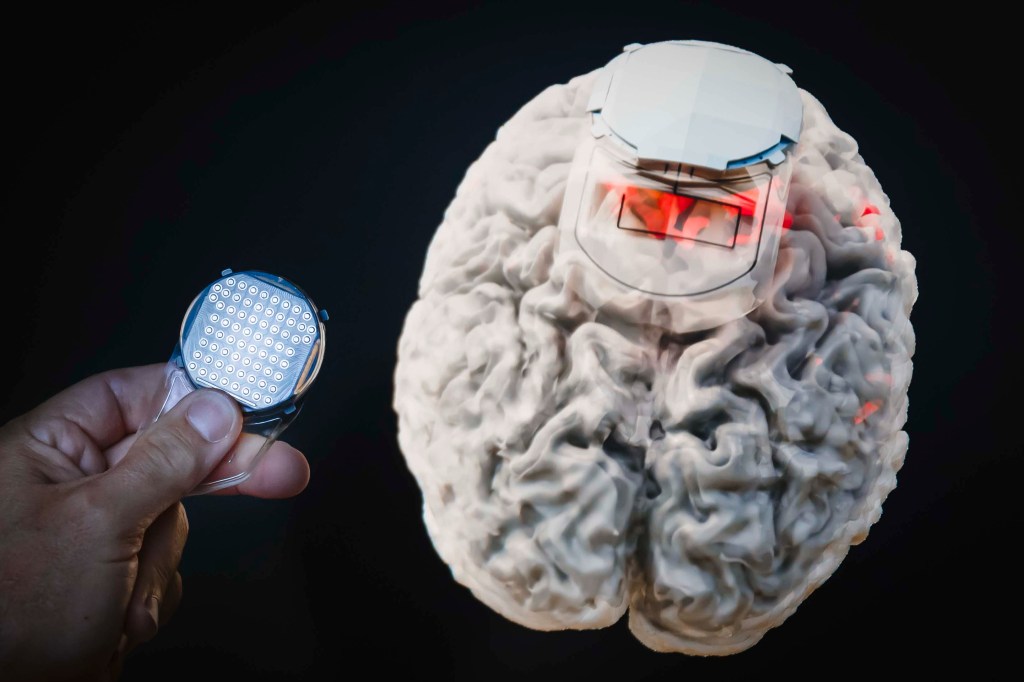
Before taking on cases like Edwards’, Courtine and Bloch worked with patients who had severe but incomplete spinal cord injuries. In those patients, some nerve connections remained intact, making controlled movement possible with electrical stimulation. The early success with these patients laid the foundation for the next stages of the work. One year after founding the centre, Courtine was named a 2019 Rolex Awards Laureate for his progress in helping patients regain control over their legs.
“The whole team felt empowered by receiving the Rolex Award in 2019… The fact that a jury of experts believed in our work; it energised us. We felt emboldened to push forward, further into the unknown.”
Grégoire Courtine
Pushing forward has meant moving into far more complex injuries. Edwards provided Courtine and Bloch with their first opportunity to test the new electrode fields in a patient with complete paralysis. The outcome suggests that the digital bridge may be adaptable to a wider range of injuries. It also marks an important step in determining how precise stimulation must be to produce consistent movement in patients who have lived with paralysis for many years.
With support from the Rolex Perpetual Planet Initiative, Courtine and Bloch now plan to expand the range of conditions the digital bridge can address. Their next aims include helping tetraplegic patients restore upper limb movement and applying the system to people living with neurodegenerative disorders such as Parkinson’s disease.
These goals sit within the initiative’s Science, Health and Technology focus area, which supports long term research into human health challenges.
Courtine’s interest in movement and the nervous system began before he entered the field. As a young physics student, he developed a strong interest in climbing. The sport made him focus on the precision of every motion.
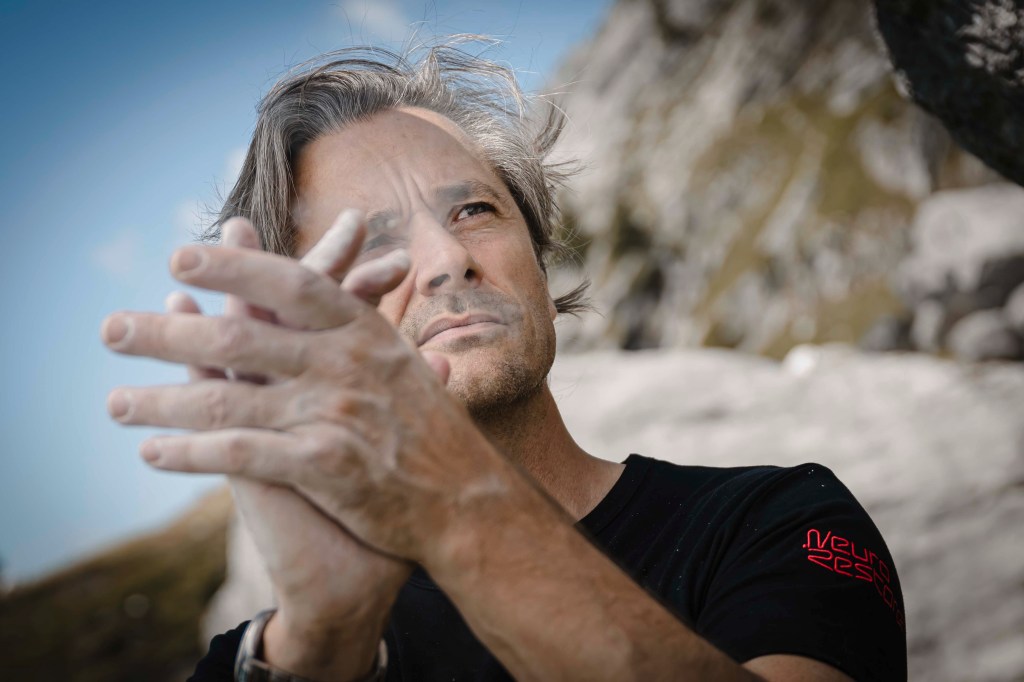
During one climb he met a professor of neuroscience. They discussed how the brain controls the body during movement. This conversation redirected his path toward neuroscience and spinal injury research.
After completing his PhD, Courtine travelled to Los Angeles to deepen his understanding of the brain and spinal cord. At the University of California, he worked closely with the Christopher and Dana Reeve Foundation. Listening to Christopher Reeve speak about paralysis had a lasting impact on him.
As he later explained, “It was really the moment when I decided to invest the rest of my career in developing therapies for people suffering from paralysis.”
The early years of that decision were difficult, as the scientific establishment turned against him. Many researchers doubted that electrical stimulation could overcome paralysis. He lost his funding at a crucial point in his career. Despite this setback, he continued the work. Over time, results from the first patients began to shift opinions. The creation of .NeuroRestore in 2018 gave Courtine a dedicated base to bring the research into clinical practice.
Today, the work is progressing through a series of increasingly difficult cases. The partnership between Courtine and Bloch brings together two areas of expertise needed to carry the research forward. Bloch’s experience in neurosurgery and Courtine’s long focus on stimulation and spinal injury provide a combination that allows the digital bridge to be tested in real patients rather than theory alone.
The support from the Rolex Perpetual Planet Initiative is helping to sustain this work. The initiative backs more than thirty partners across oceans, landscapes and science, health and technology. Courtine’s project sits within the last category. The backing allows the team to plan broader applications for the digital bridge and prepare for further testing in conditions beyond spinal cord injury.
Learn more at https://www.rolex.com/perpetual-initiatives/perpetual-planet
This article is part of Forbes Australia’s editorial partnership with Rolex through the Perpetual Planet Initiative, which supports scientists and explorers working on long term solutions to global challenges.