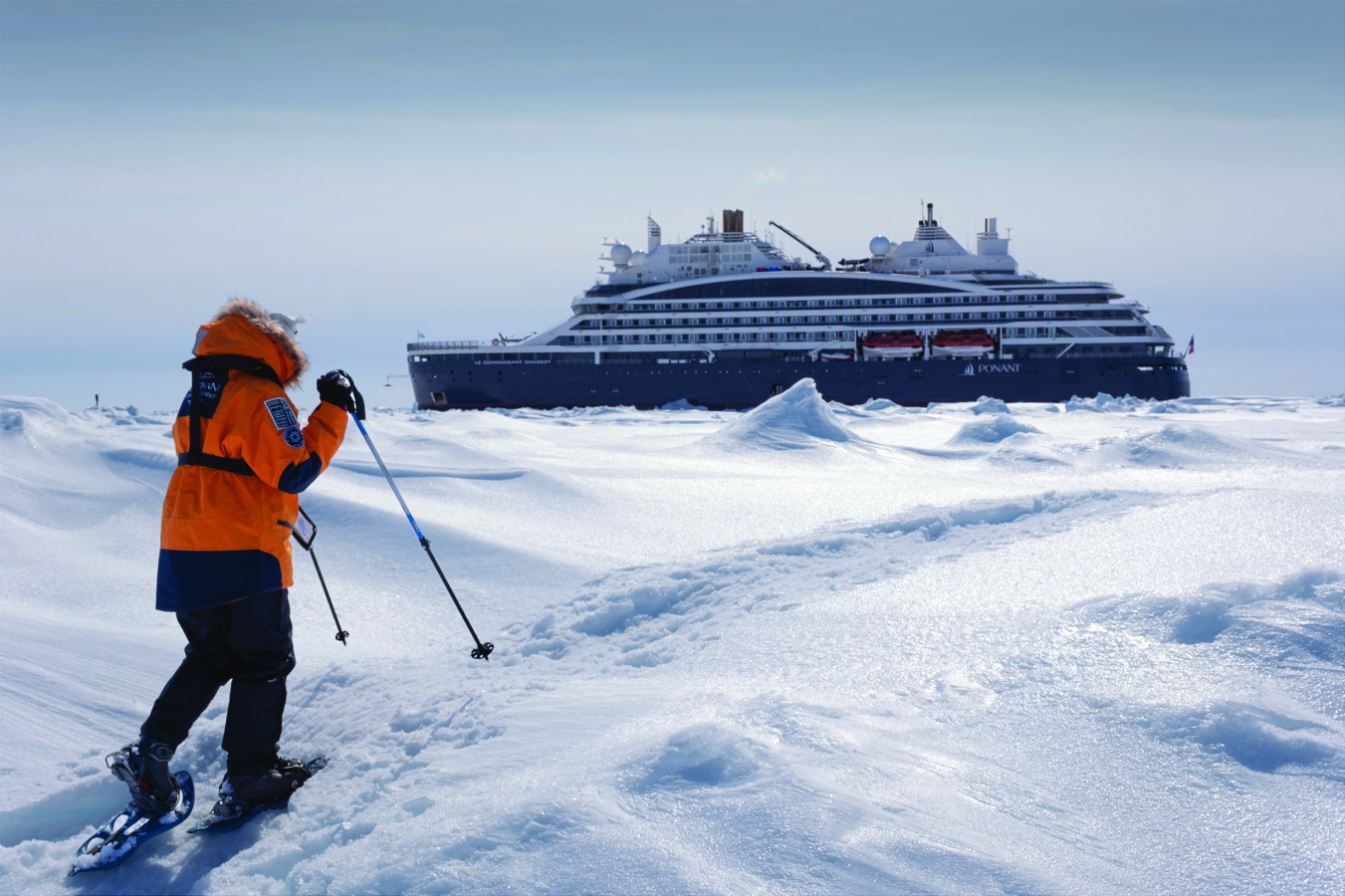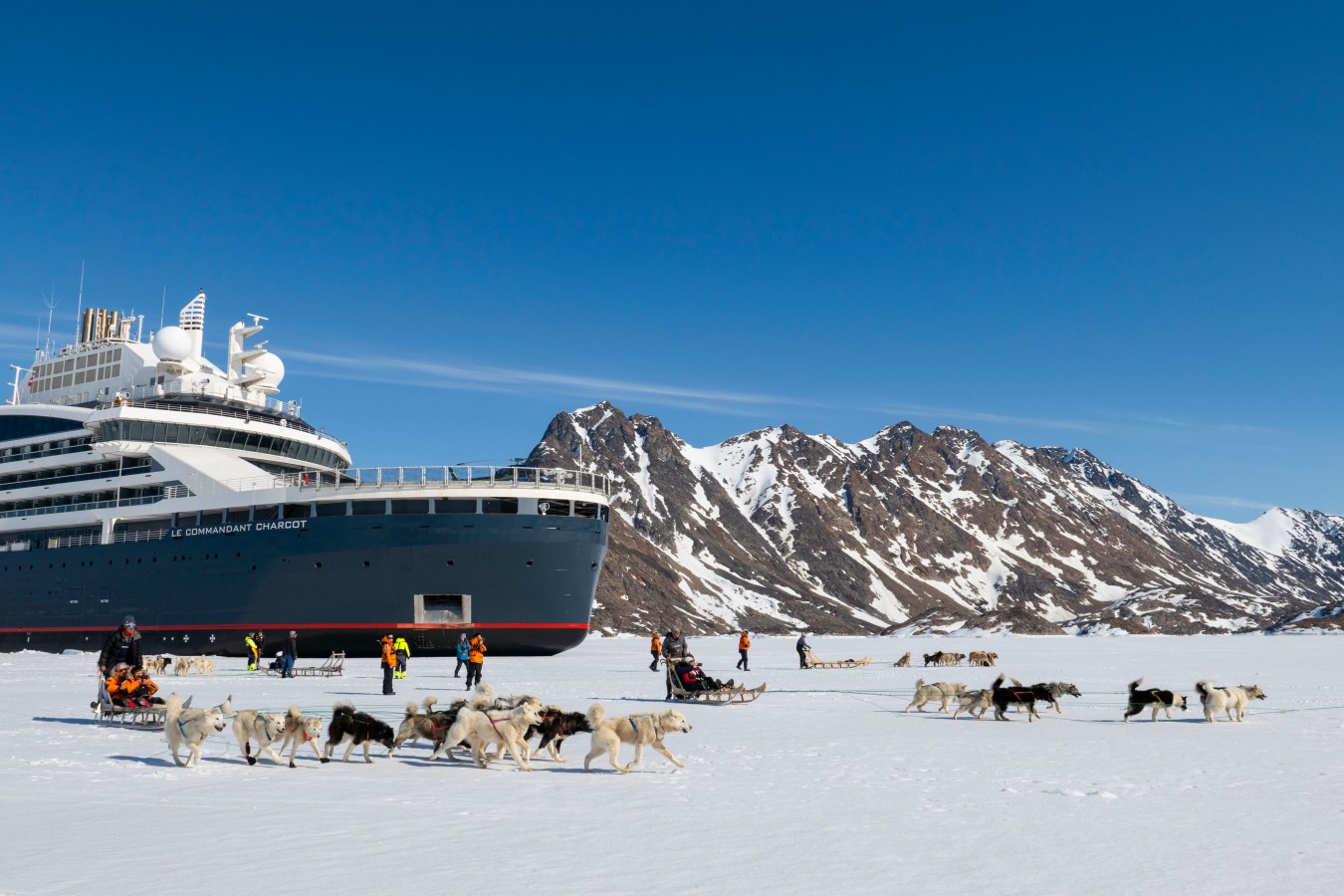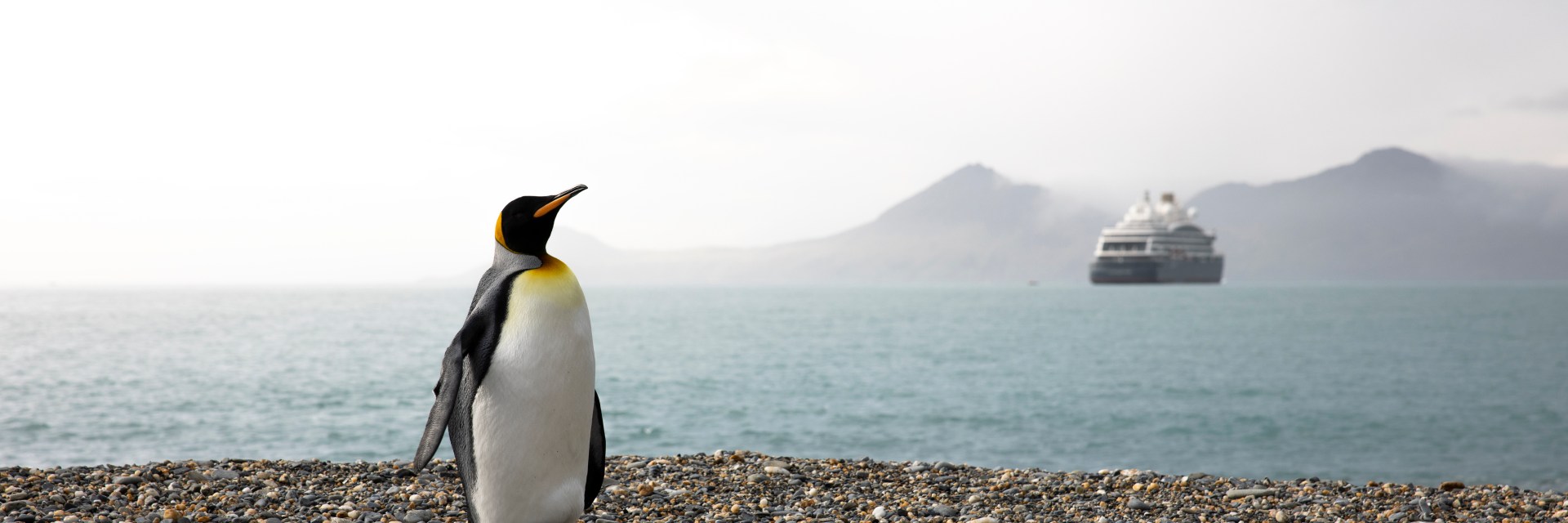

The world’s first ultra-luxury icebreaker is charting a course for Hobart, bringing billionaires, scientists and an idea born over dinner in Brittany to Australia’s edge.
In 2015, over dinner and a bottle of wine in Brittany, France, a handful of Ponant executives discussed an idea that sounded implausible. They wanted a ship strong enough to crush through Arctic ice but quiet enough to serve a bottle of Bordeaux in complete silence.
At the table sat Captain Étienne Garcia, already a veteran of more than a decade of polar navigation. “We said, ‘Now we can start to build a real vessel capable of going to the North Pole and to put the Brittany flag there.’ The idea came exactly like that,” he says.
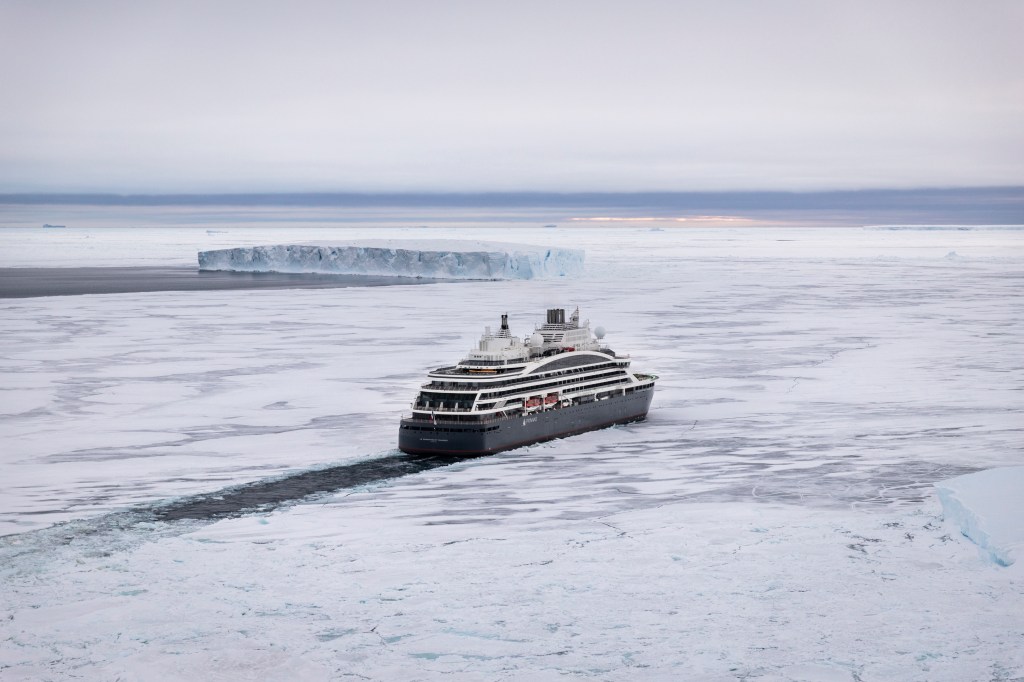
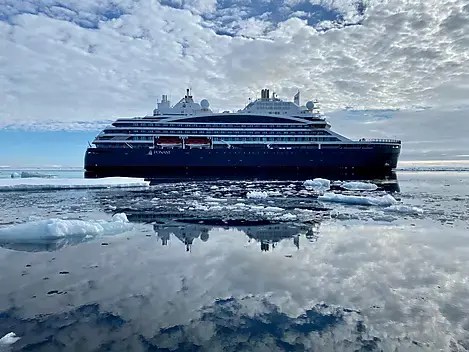
Six years later, that idea became Le Commandant Charcot – a 150-metre hybrid LNG-electric icebreaker built at Vard Søviknes in Norway and delivered in 2021. It carries a Polar Class 2 rating, two full classes higher than most expedition ships. “The gap between that and PC2 is huge,” Garcia says. “We are almost like a nuclear icebreaker.”
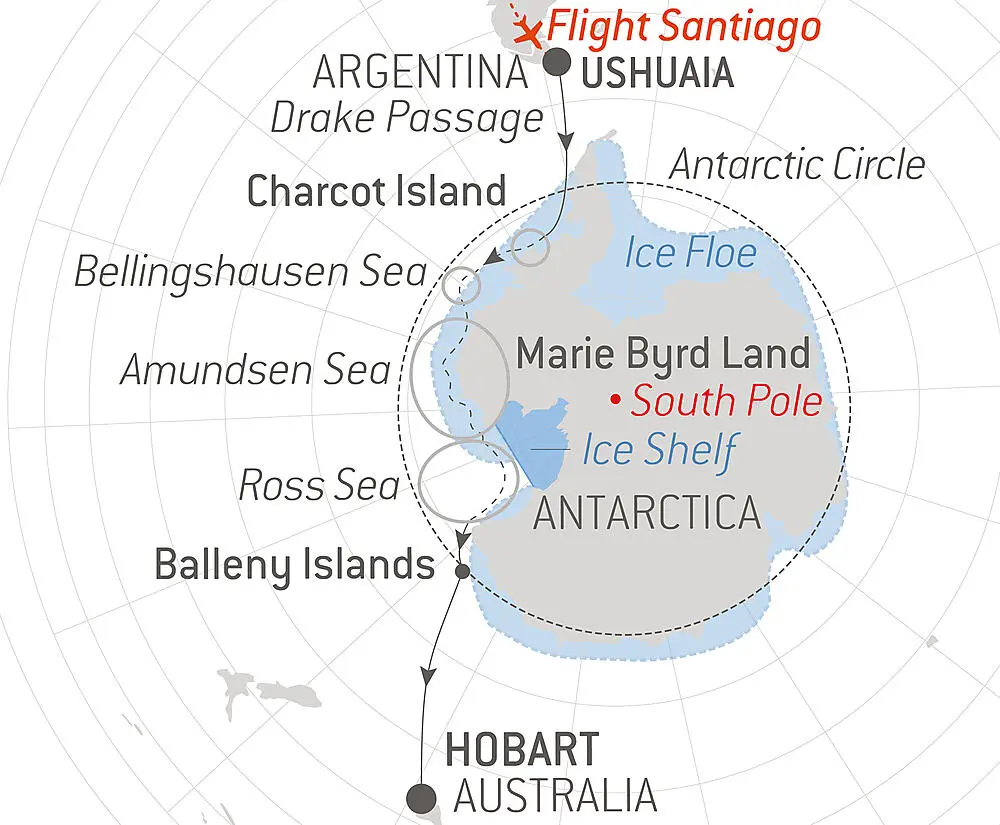
Next January, the ship will make history of its own when it sails into Hobart after completing a 31-day half-circumnavigation of Antarctica – a voyage from Ushuaia through the Ross and Amundsen Seas. It will be the first time the French-flagged icebreaker reaches Australian shores, ending one of the most ambitious polar itineraries ever offered to the public.
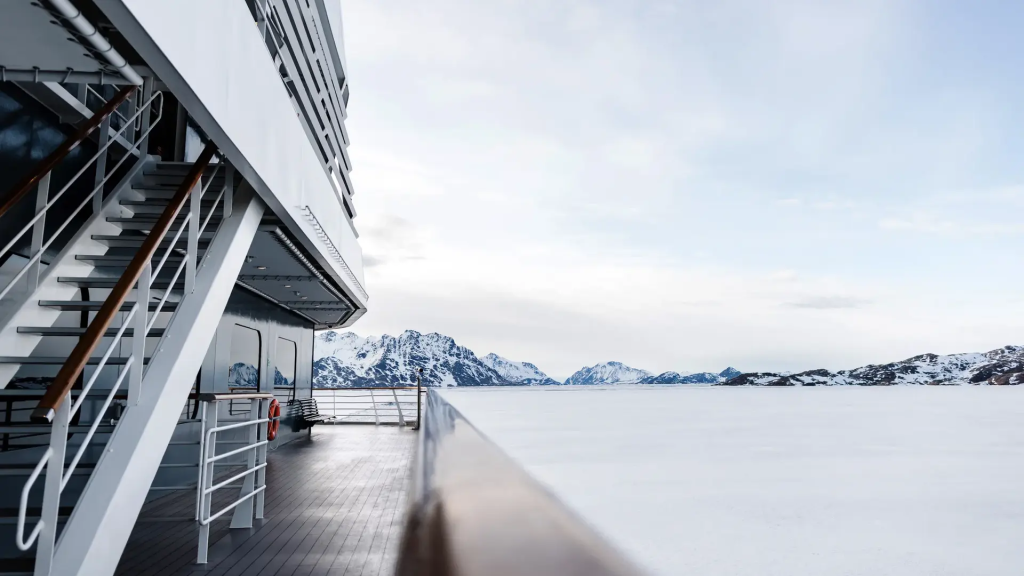
The vessel’s twin ABB Azipods generate 34 megawatts of power, enough to push through 2.5 metres of dense sea ice and manoeuvre stern-first through ridges of heavy multi-year ice. Despite that power, the ship runs with minimal vibration thanks to a suspended-deck design that isolates guest areas from the engine room. “You can drink a glass of wine while the hull crushes the ice,” Garcia says.
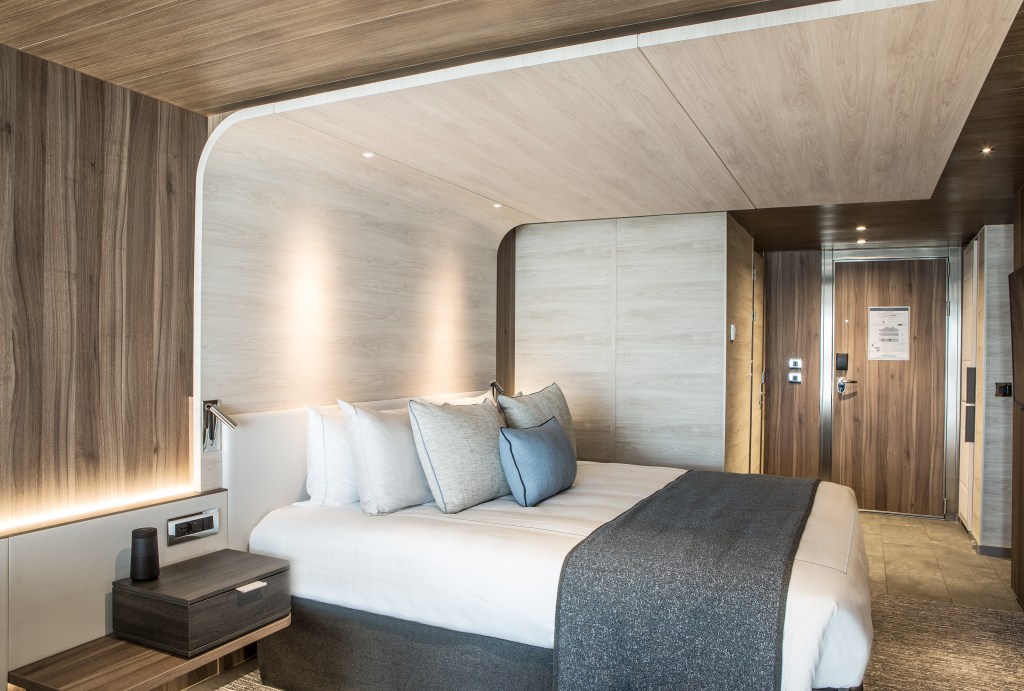
Inside, you’d be forgiven for thinking you’d just stepped aboard Jeff Bezos’ Koru. French studios Wilmotte & Associés and Jean-Philippe Nuel designed the interiors in pale oak, slate and leather. Each of the 123 suites and staterooms has a balcony. The 115-square-metre Owner’s Suite includes a private terrace and outdoor jacuzzi; the 94-square-metre Duplex Suites span two levels.
There are two restaurants – one supervised by Alain Ducasse – plus two swimming pools, a cigar lounge, a theatre and a spa with a snow room and sauna. The capacity is approximately 245 guests, served by a crew of 215.

So, what does it cost you? The 31-day half-circumnavigation of Antarctica from Ushuaia to Hobart in January 2026 starts at approximately A$91,100 per person, rising to more than A$188,000 for the 1,237-square-foot Owner’s Suite.
Le Commandant Charcot isn’t new to Forbes Australia readers. The ship featured in these pages last year for its extraordinary mix of power and polish – a half-billion-dollar vessel capable of slicing through pack ice in near silence. But the view from the bridge tells a different story.
Below deck, the same space that serves caviar upstairs also houses two working laboratories – one wet, one dry – with a rotating cast of scientists from NASA, Italy, and Japan, Garcia says. “It’s invaluable for them because it’s free.” Ponant covers its costs on the condition that all data remains open-source.
Those scientists must also present their work to passengers during daily briefings and lectures. “They have to do a presentation of their mission to the guests,” he adds. “We have a science coordinator who organises the visits.”
But long before Le Commandant Charcot hit the ice, Garcia found himself at another historic table. Early in his career, he sat at a dinner with Australia’s Bob Hawke and France’s Michel Rocard as they finalised the Antarctic Treaty’s environmental protocol. The treaty, signed in 1991, banned mining and set the continent aside for science and peace.
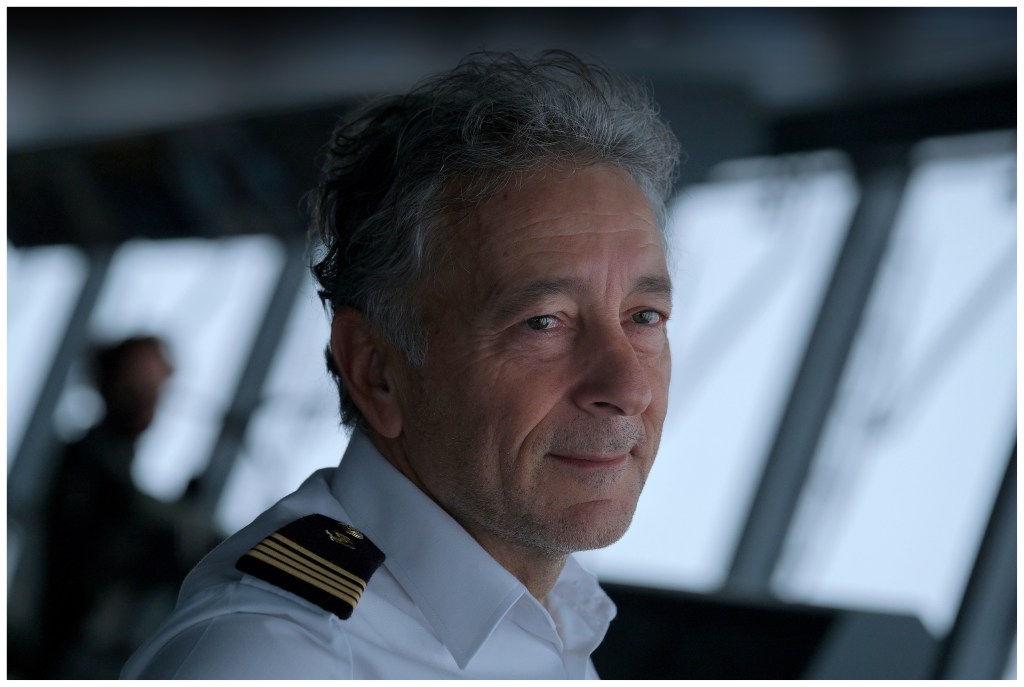
That legacy shaped his view of exploration. “You must be patient. The ice decides,” Garcia says. “You can’t be arrogant. Always be humble in front of the elements.” He applies the same rule to how the ship operates. Routes are not fixed. If a whale breaches nearby or the light catches the ice in a new way, they change course. “We call it slow cruising,” he says. “You take what the ice gives you.”
Every voyage includes scientists, photographers and paying guests – often billionaires, researchers and retired engineers sharing the same bar. “The passengers are curious,” he says. “They come for the comfort, but they stay for the experience. They want to understand the environment, not just see it.”
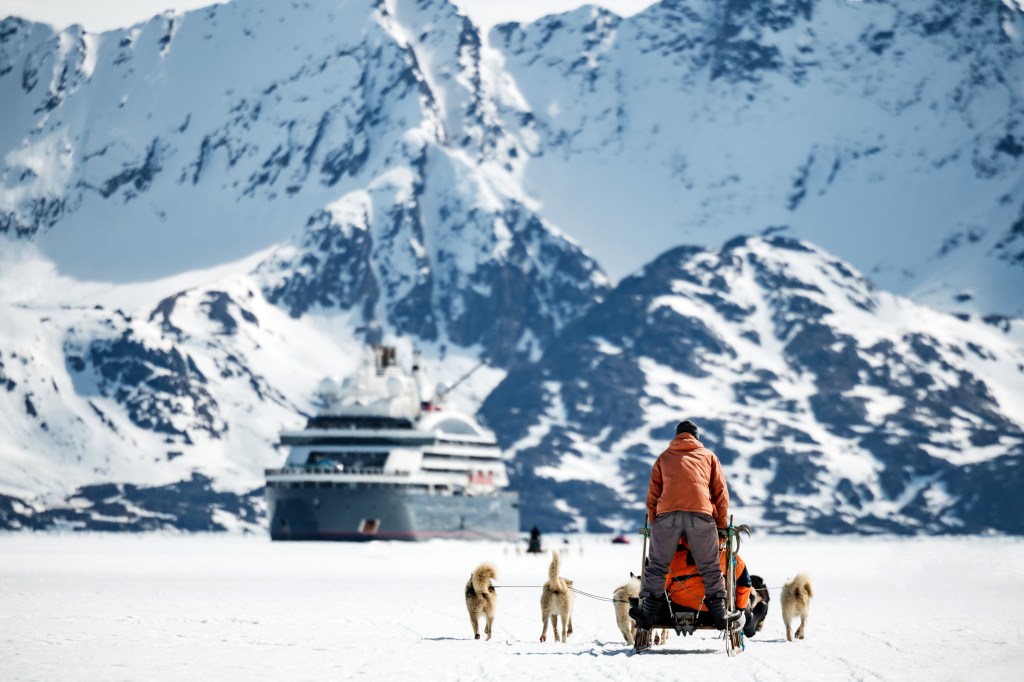
When the ship reaches Greenland, Le Commandant Charcot becomes a supply line as well as a cruise. “We bring twenty pallets of fresh food,” Garcia says. In return, the crew buys fish and crafts from local hunters. “They bring small gifts for the guests.”
The ship operates roughly 200 days a year, alternating between the Arctic and Antarctic seasons. Onboard, researchers collect long-term climate data; ashore, communities gain supplies and visibility; passengers witness parts of the planet few humans will ever see.
Its next chapter begins in Tasmania, where Le Commandant Charcot will arrive in February before departing Hobart for East Antarctica and the French Southern Lands.
Antarctica > Hobart
17 Jan 26 – Ushuaia
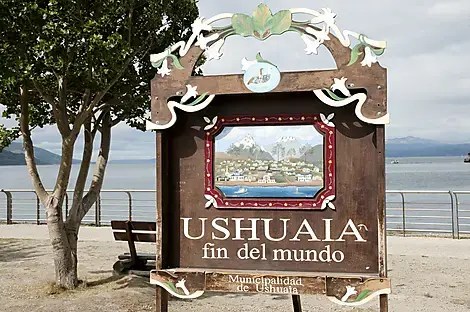
Embark in Ushuaia and sail out toward the Drake Passage.
18-19 Jan 26 – Drake Passage
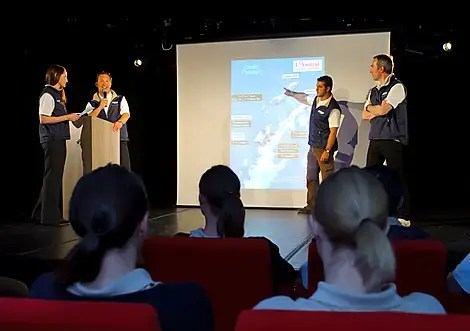
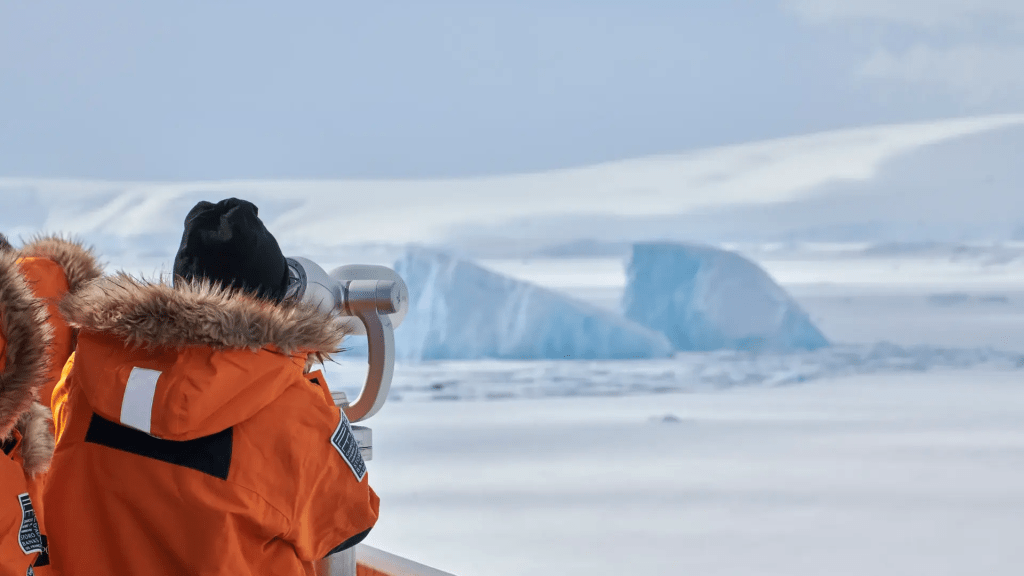
Two days at sea. Briefings, safety prep, and wildlife spotting on deck.
20 Jan 26 – Antarctic Circle

Cross the Antarctic Circle, entering the zone of 24-hour daylight in summer.
21 Jan 26 – Charcot Island
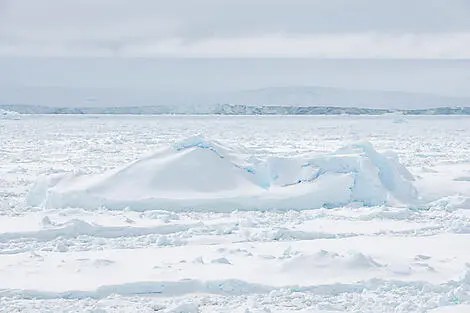
Weather allowing, approach one of Antarctica’s least visited islands, known for sheer ice cliffs and seabird activity.
22-24 Jan 26 – Bellingshausen Sea
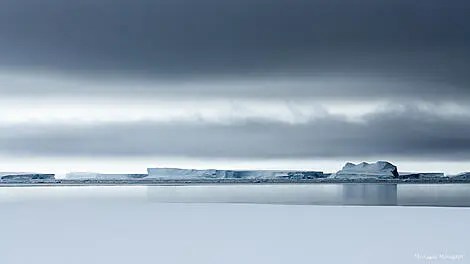
Navigate heavy ice between Alexander Island and the Amundsen Sea. Chance to see emperor penguins depending on conditions.
25 Jan 26 – Amundsen Sea
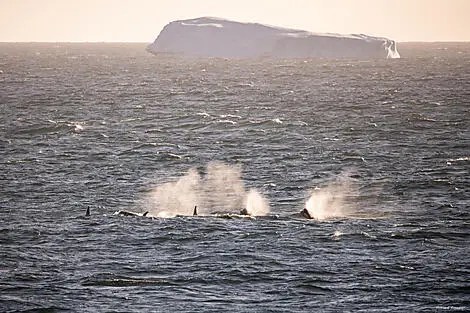
Sail through remote waters lined with large tabular icebergs and long stretches of pack ice.
26 Jan-1 Feb 26 – Marie Byrd Land
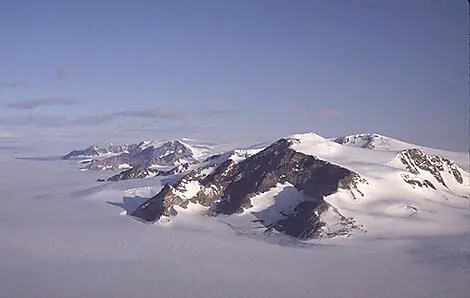
Explore the coastline of a rare unclaimed Antarctic territory, including Siple Island and Clark Island if accessible.
2 Feb 26 – International Date Line
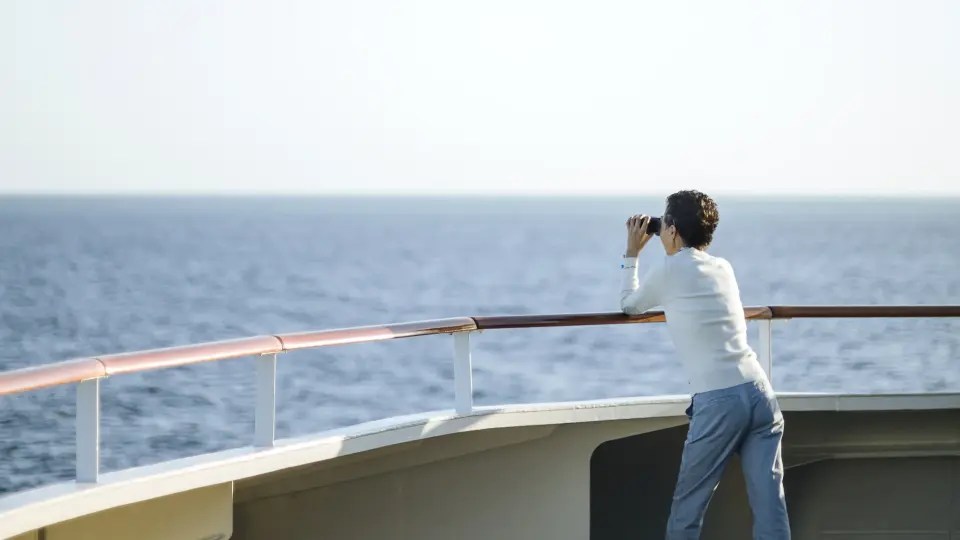
Cross the Date Line and shift forward a calendar day.
3 Feb 26 – At sea
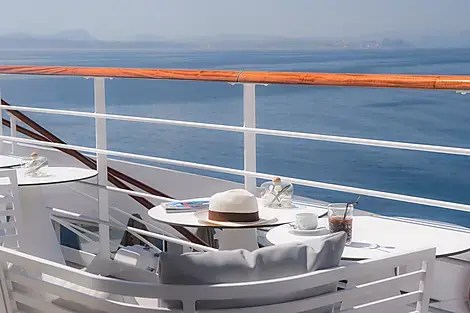
Sea day with open-water transit and onboard science or expedition talks.
4-7 Feb 26 – Ross Sea
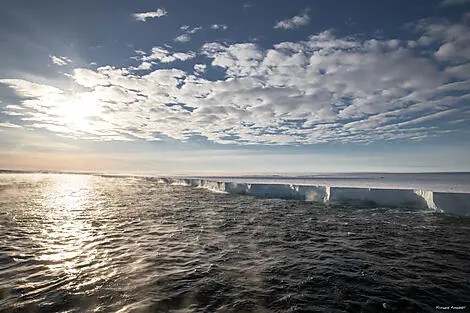
Potential calls at Cape Adare, Terra Nova Bay, and historic sites on Ross Island tied to Shackleton and Scott, ice permitting.
8 Feb 26 – Balleny Islands
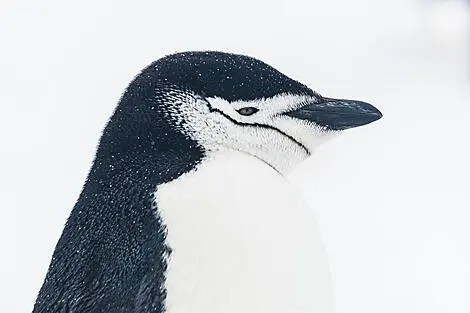
Reach the volcanic, glacier-covered island chain. Known for whales, seals, and mixed penguin colonies.
9-14 Feb 26 – At sea
Long northbound crossing toward Tasmania with ongoing lectures and wildlife viewing.
15 Feb 26 – Hobart
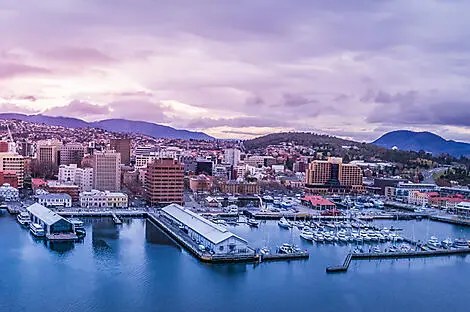
Arrive and disembark in Hobart.
Look back on the week that was with hand-picked articles from Australia and around the world. Sign up to the Forbes Australia newsletter here or become a member here.