
Paul Wiltshire swapped songwriting for software – and built the world’s biggest B2B music licensing platform.
This story appears in Issue 20 of Forbes Australia – Out now.
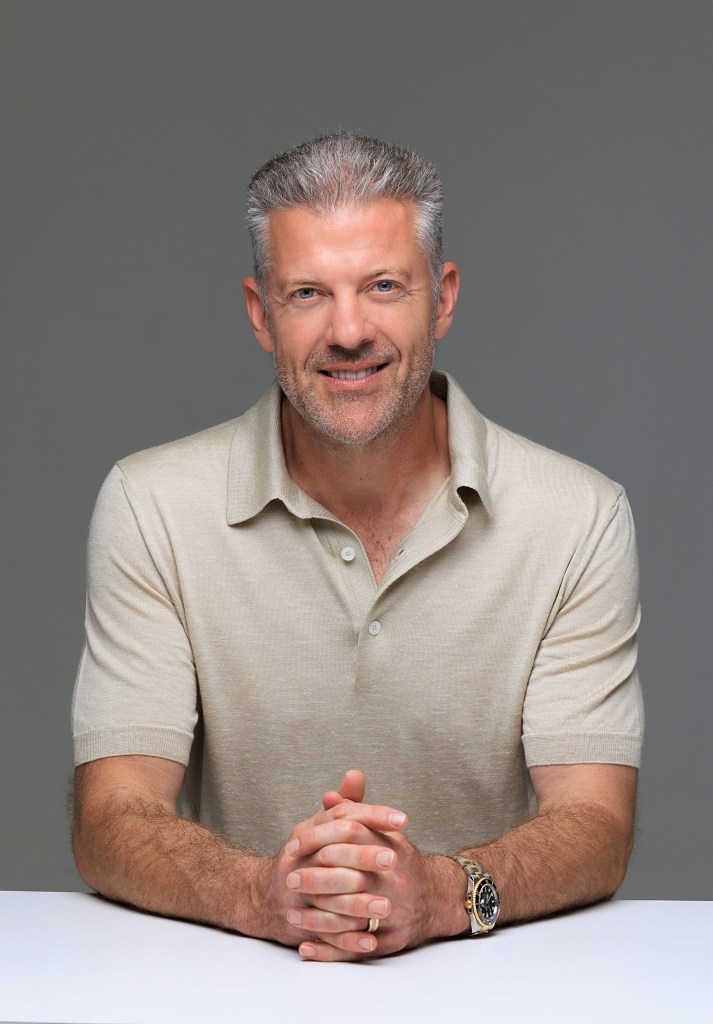
Paul Wiltshire wonders about the two competing sides of his brain, the creative one that wrote and produced songs for chart-topping performers, and the commercial half that hijacked that artist and burnt him out.
“The two sides often fight with each other,” Wiltshire says. “I don’t think it’s typical for highly creative people to be highly commercial, but my commercial side is stronger than my creative side, and that dictated where I went.”
He’s talking about his music. That commercial side had him writing songs he wasn’t proud of, chasing money over art, and eventually becoming disillusioned with the game.
But he may as well have been talking about the business bent that saw him found Songtradr, which twelve years later is said to be the world’s largest business-to-business music licensing platform. It has consumed other platforms with the US$220 million it has raised, and was, according to Wiltshire, valued at almost US$1 billion after its last raise in 2024.
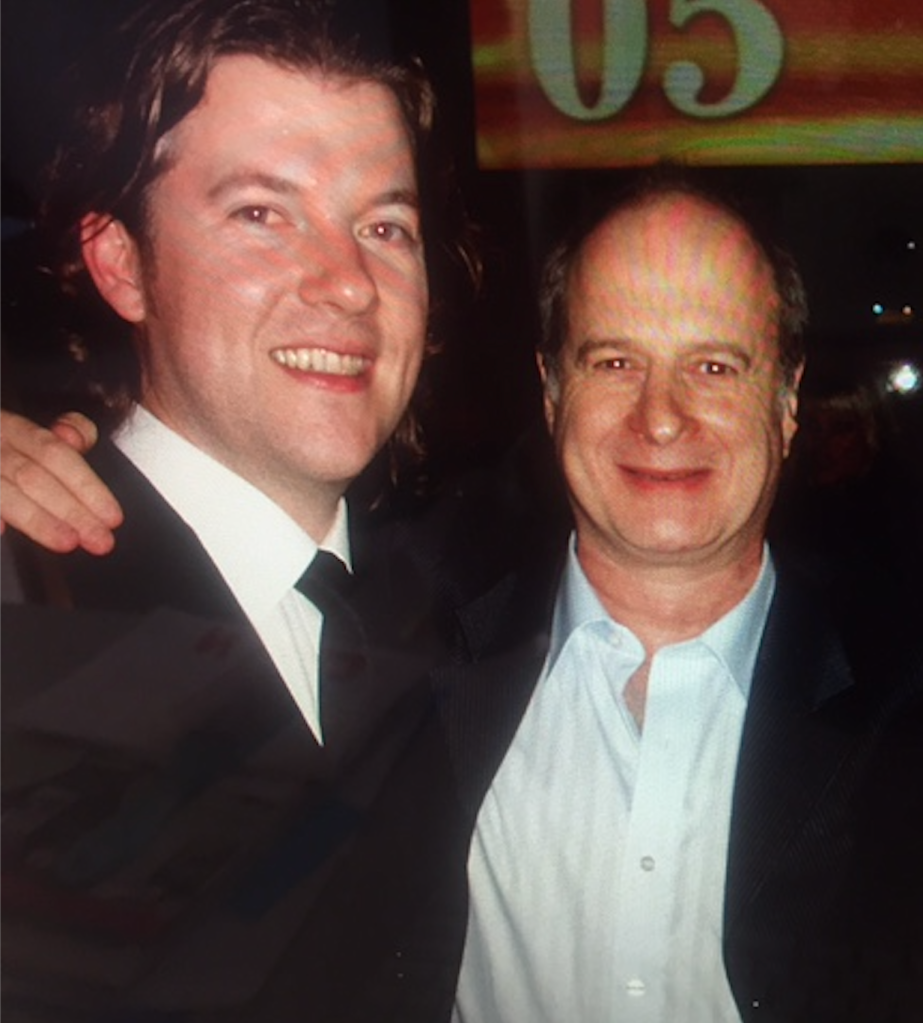
Not bad for a boy from Ballarat.
Long way to the top
Wiltshire was born in New York City in 1970 to English parents who soon moved to Australia.
He and his older brother did not know they suffered from a rare genetic condition, dopa-responsive dystonia, which caused muscle twitches and soreness. All they knew was that they started limping as each day wore on.
Around age 11, Wiltshire picked up the trumpet and loved the camaraderie of the Ballarat school band.
“I went through school and high school feeling like I was inferior,” Wiltshire says. “It was just not feeling whole, not complete. Music filled that gap for me.”
In his mid-teens, he got into keyboards and started nagging his mother and stepfather for a synthesiser. Eventually he got one, a Roland Juno-106. “Suddenly I had control over sound, and the journey of channelling sound and music opened up for me.”
He’d also learned to code a Commodore 64. “I was really into the maths of it all. Where I ended up is a merge of my passions as a kid, computers, mathematics, and music.”
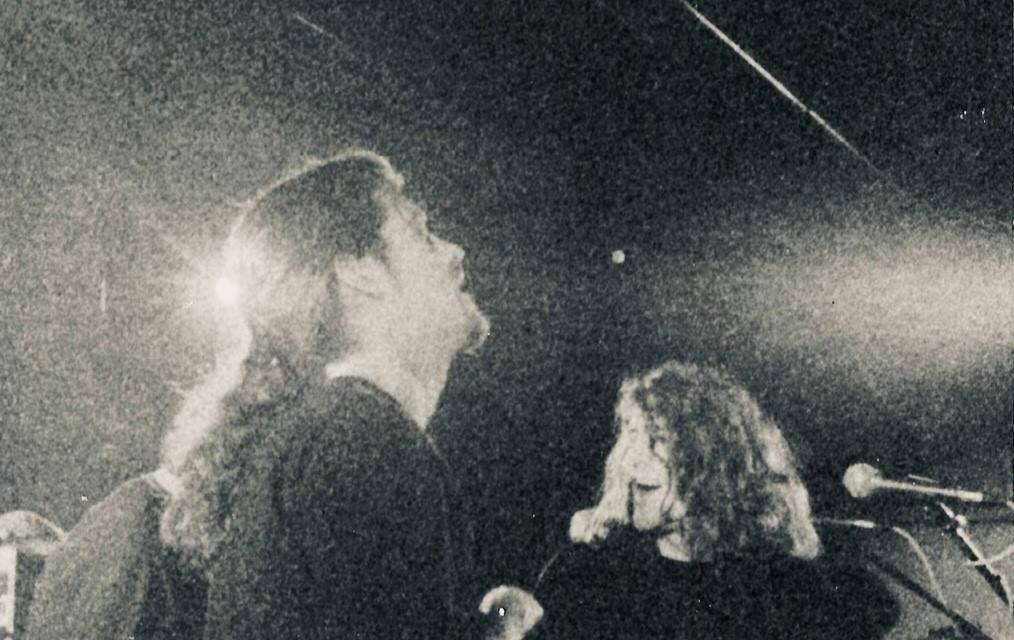
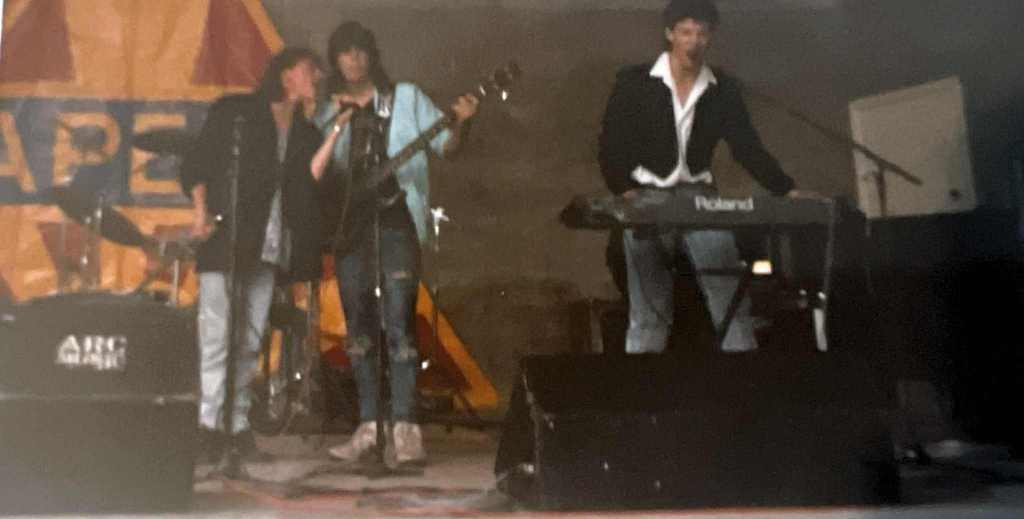
As an adult, he joined various bands, playing gigs while working day jobs and building a studio in his rented Port Melbourne home.
“I used to like creating every part of a track, the drums, bass, playing the guitars, recording vocals and putting it all together,” he says.
At age 25, he realised late-night gigs five nights a week weren’t good for him, but he still wanted music to be his life. He quit his job at Brash’s music store and set himself a goal to become a producer. “I dedicated myself to honing my craft. I had to get one hit track on the charts in Australia.
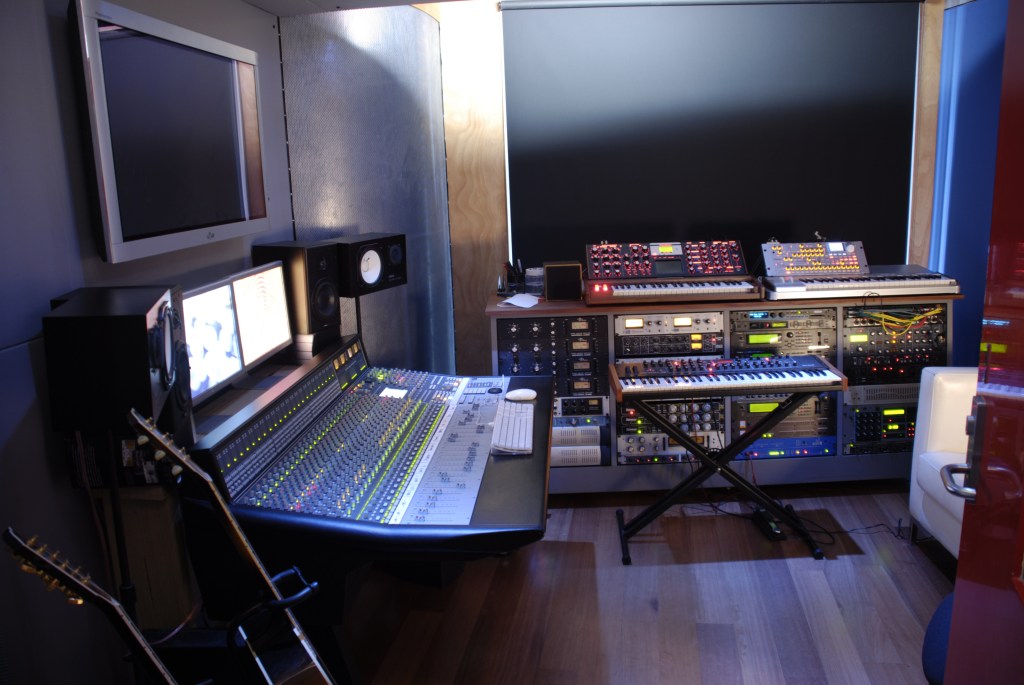
“I wasn’t writing songs back then. I was making tracks. It was electronic music, with no parameters. It was probably the most fun I had in music because there were no rules.
“I still listen to those tracks, which remain unreleased, something I should remedy at some point.”
In late 1998, pop star turned songwriter Mark Holden came into Wiltshire’s studio with a then-unknown Vanessa Amorosi. Holden had discovered her after a fax repairman had told him about the girl with an amazing voice singing at a Russian restaurant.
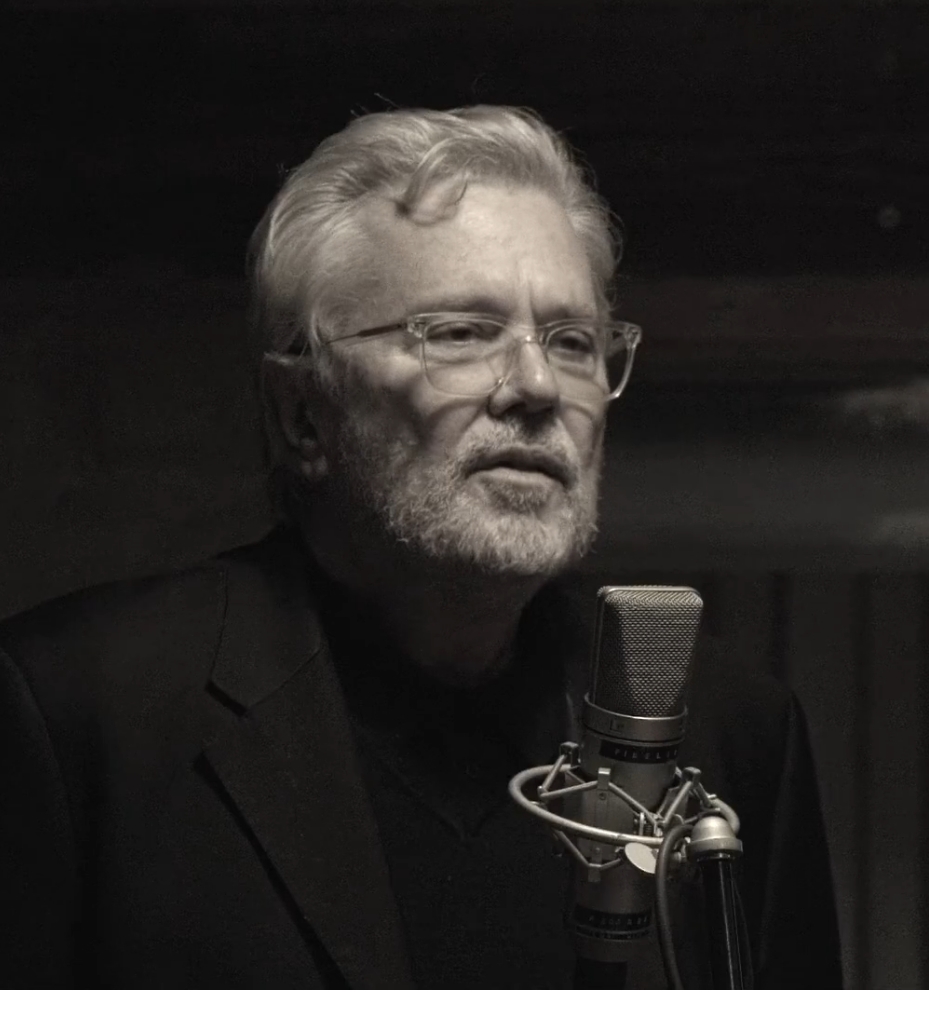
Holden clicked with Wiltshire as they worked for the next twelve months on an album for Amorosi. “He had a warmth and a gentility and a kindness that made it easy for people to work with him,” Holden tells Forbes Australia.
Four of Wiltshire’s songs made it onto Amorosi’s debut album, which became a huge hit. His song Every Time I Close My Eyes reached number eight in Australia.
He’d hit his goal. Now for the next one.
Amorosi’s success opened doors. Wiltshire got a song on Delta Goodrem’s first album which sold millions. He worked with artists like Guy Sebastian, Anthony Callea, Human Nature and Marcia Hines.
Hines says, “Paul Wiltshire was and always has been a visionary, talent personified.”
Wiltshire met his future wife, singer and songwriter Victoria Wu, at a writers’ meet in 1999. Wu had been part of the dance trio Culture Shock and had understudied Miss Saigon in Sydney in 1996.
Wiltshire and Wu wrote and produced My Beautiful Woman for the Backstreet Boys in 2005. They were travelling between the US and Australia, trying to break into the US industry.
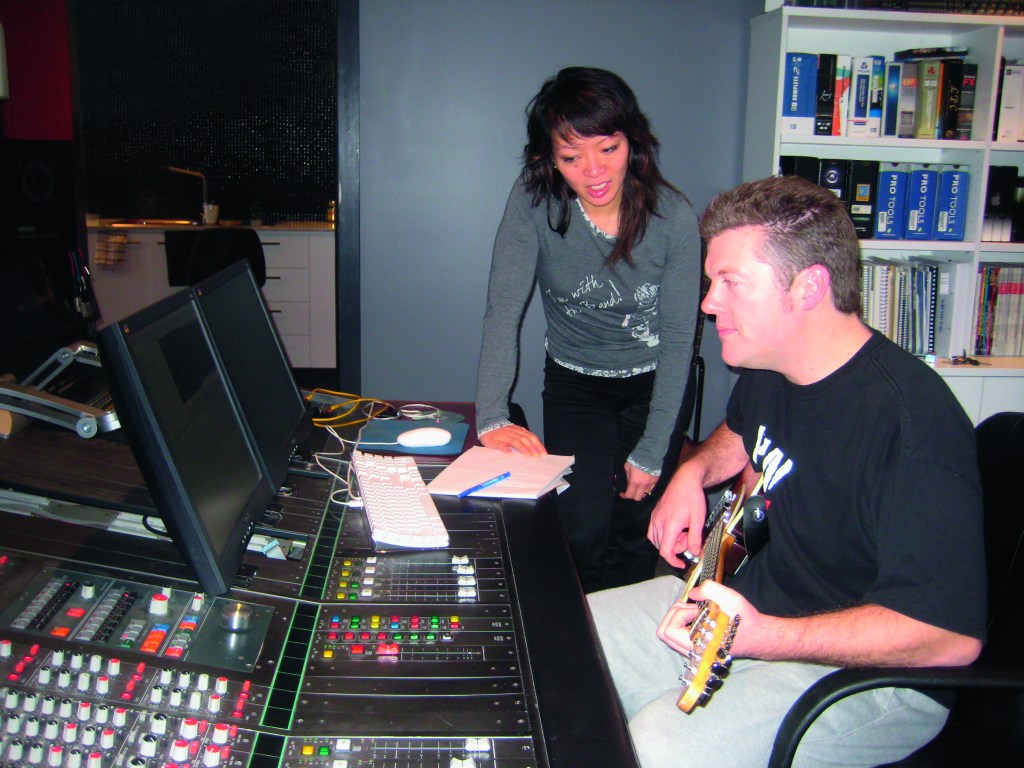
But Wiltshire wrote many songs on spec that didn’t pay off. “I lost sight of the connection you need to make music with joy and passion,” he says. “I took jobs that paid well but weren’t ideal for me.”
He wonders now what his career might look like if he’d fed his heart more than his wallet.
The broken years
Global record sales plummeted as the Global Financial Crisis and digital piracy took hold. Facebook was rising. MySpace was failing.
“I tried a number of things that didn’t work. I tried to set up a label to invest in local pop talent.” He also had a crack at a start-up in the social media and entertainment space. “We parked it after six months.”
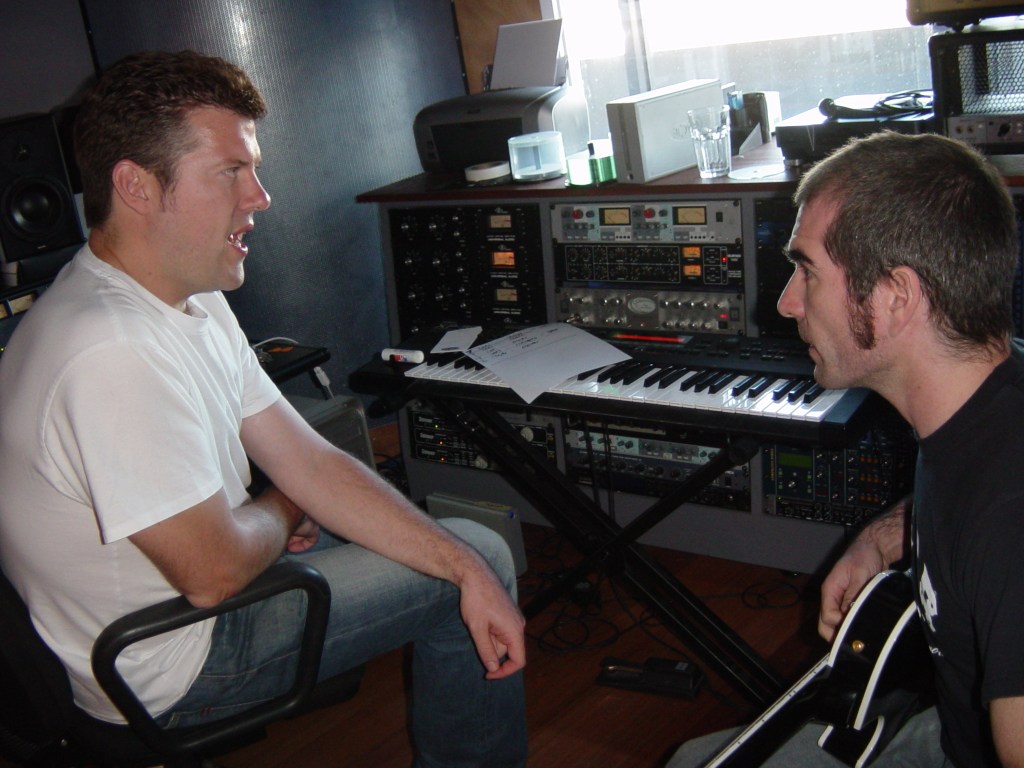
A song Wiltshire wrote at the time for Sam Clark, Broken, reflected his state of mind. Cruelly, the song peaked at number one on the physical singles chart at a time when that honour was becoming equally irrelevant and unprofitable.
“This was at the worst time in music industry history,” says Wiltshire. “The decline peaked around 2012.”
The idea
Wiltshire didn’t feel like writing anymore. His businesses had failed. The industry had collapsed. The iTunes Music store [2003] and Spotify [2008] were offering a way out. But amid the rebound, he saw a problem: the world’s songs were being shared and synced in ways the old licensing system couldn’t handle.
For a song to be used in a film or an ad, rights needed to be signed off by numerous writers, artists, publishers and sub-publishers across countries. It created flawed paper trails and millions in lost royalties.
“The genesis of Songtradr was at that time,” he says. “We call it the broken time.”
The idea was simple: a platform where all owners of a song could upload the rights to it and have it licensed by a business in a few clicks.
In 2013, he and Victoria sold what little they had and moved to Los Angeles to found Songtradr.

His former collaborator, Holden sees parallels between songwriting and founding a start-up. “I’m amazed at Paul’s capacity to imagine something that didn’t exist and turn it into reality. That’s what he did with Vanessa, and that’s what he did with his business.
“It’s having the vision first, but then the tenacity and the work ethic to chip away at it every day. That’s what being a musician and a songwriter is, if you’re going to be successful. And he’s put that on steroids.”
Takeoff
In LA, Wiltshire needed a lone-wolf coder. He found German-born Helge Steffen, who had a background in building rights platforms and understood design. They became co-founders.
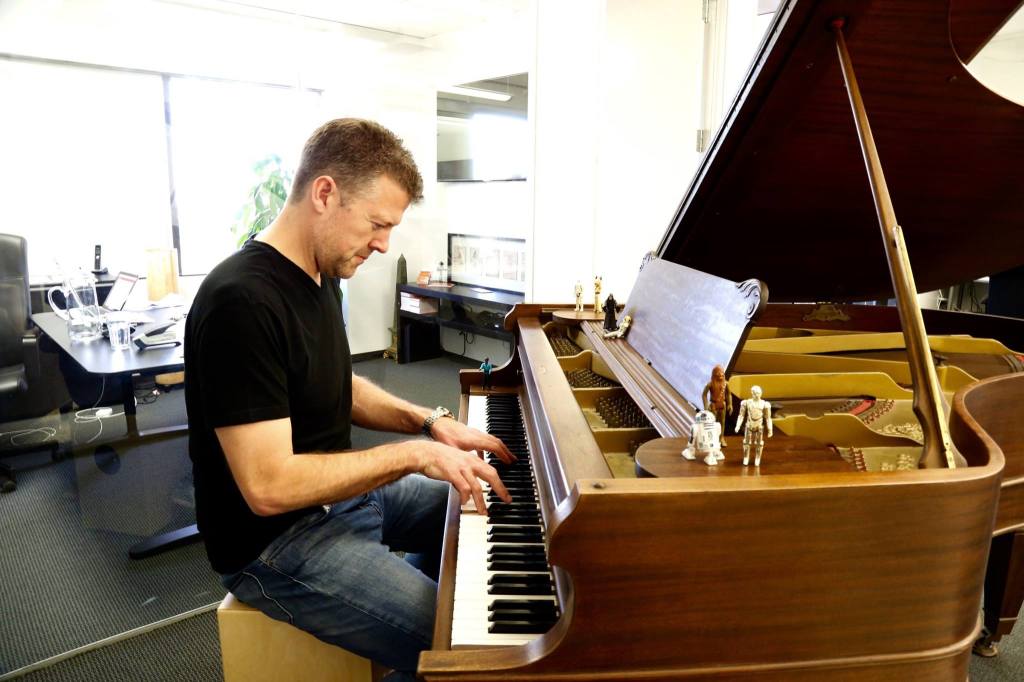
Wiltshire’s coding days were behind him, but as Steffen built, Wiltshire tried to break the code. “We’d sit side-by-side. We’d set really unrealistic deadlines. I remember we were up 40 hours once because we committed to a release date – lots of coffee and almost hallucinating by the time we got it done. We released it. It went down after about two hours, and we had to figure out why.”
The official launch came in 2015. They attracted early artists and hired people from film, television and advertising to bring their contacts.
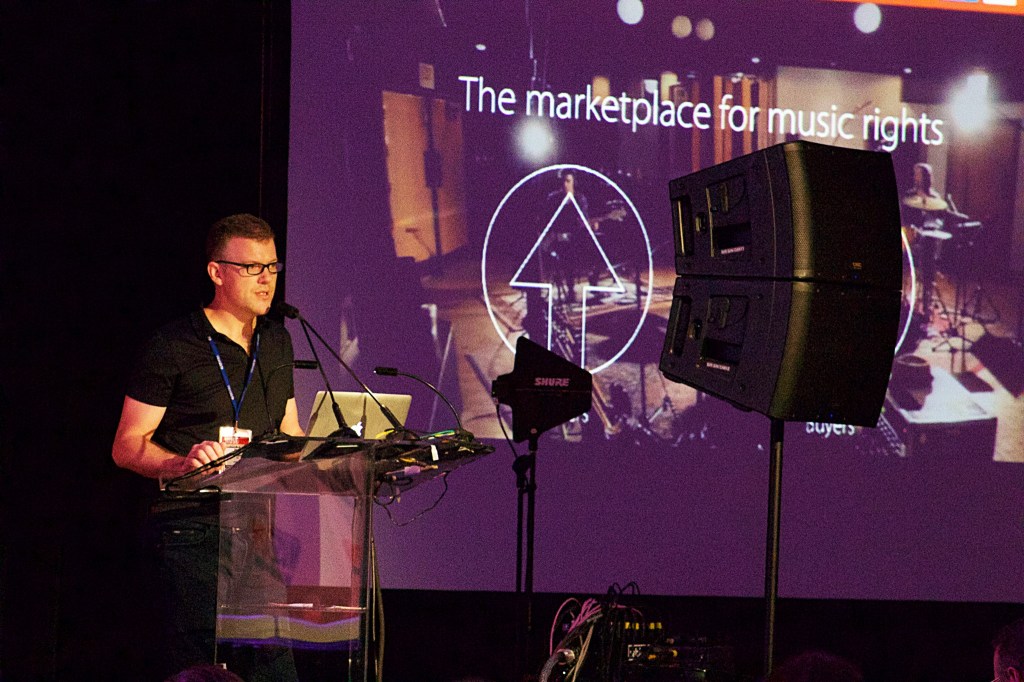
The flywheel turned.
“When we started, we were agnostic. Let’s sell music to anyone who needs music. That was trying to boil the ocean. So we hyper-focused. Advertising was the right vertical.” It paid the best and the right song in the right ad campaign could have huge flow-on benefits to an artist’s career.
Their first seed round in 2015 was US$1 million. “I was cautious about raising too much too soon,” Wiltshire says. “We had so much still to prove.” So he did multiple small raises.
A series of fortune-raising events
In 2017, Morgan Stanley private wealth adviser Nick Carlton told WiseTech founder Richard White about Songtradr. White, a former musician, flush from his company’s billion-dollar listing the year before, reached out. They talked.
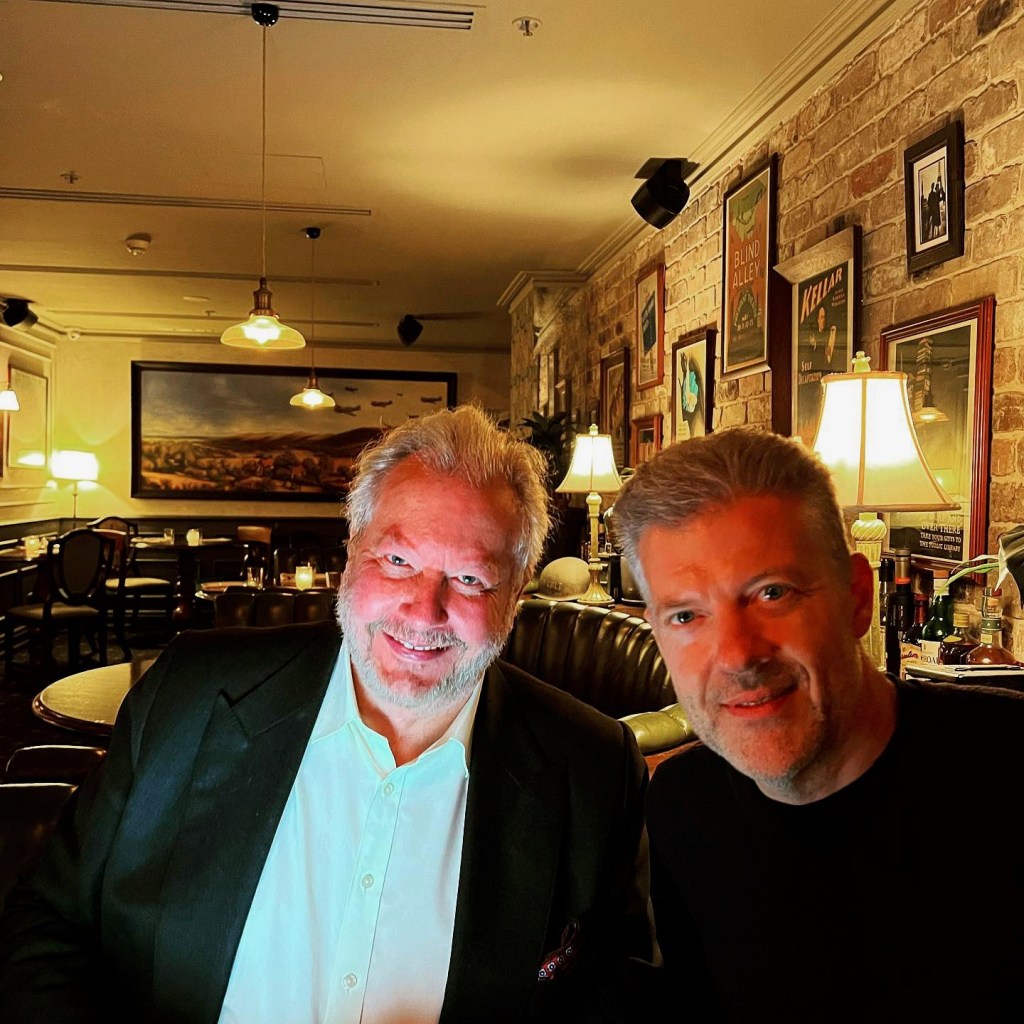
White introduced Wiltshire to the “Black Belt in Thinking” and the “Theory of Constraints”, ways of thinking that he credited with much of the success he’d enjoyed.
“Whilst we both had a musical background,” says the now embattled
billionaire White, “we had a lot more in common in a business sense. I saw the similarities between what Paul was trying to do and my early days at WiseTech.
“I began to see Paul as highly intelligent, driven, creative and able to learn quickly.” White led the Series A capital raise with a US$500,000 cheque in late 2017.
By 2018, Songtradr had 140,00 artists on the books and Wiltshire was ready to move. The subsequent Series B to F raises saw him bring in US$220 million. White has joined most rounds since and his investments in Songtradr are now worth US$120 million, according to Wiltshire.
The most transformational advice he got from White was in applying the Theory of Constraints, he says, “challenging assumptions and avoiding self-imposed limits like, ‘this goal is too big.’ Often, we think constraints are fixed when, in reality, they can be broken down and solved … That mindset has had a profound impact on me.”
Each raise has allowed Wiltshire to gobble up both competitors and complementors, turning Songtradr into the industry monster.

“We’re part of the piping,” he says. “We see a future where that infrastructure is much smarter and much more capable of royalty reporting and matching of data across the ecosystem, where it becomes much more streamlined.”
The last of Songtradr’s 10 buy-ups was the September 2023 purchase of Bandcamp – a site that allows independent artists to connect with their fans and be paid directly by them – often through donations. It now has 5 million artists and 50 million fans.
“When we looked at Bandcamp, we saw this huge community of independent artists,” says Wiltshire. “The biggest data gaps in the industry are in the independent community because they don’t necessarily understand how publishing works, how the rights infrastructure works.”
The last raise came at a valuation of US$640 million, but Songtradr is only hitting profitability this year. “It’s taking us a long journey to get there,” says Wiltshire.
“It’s finding the balance between rapid growth because it always requires investment versus highly efficient and grounded profitability.”
This one time at Bandcamp
The Bandcamp purchase caused an outcry when half of Bandcamp’s staff were immediately sacked, including all the union representatives. Musicians feared the corporate raider would gut the soul from the place, and pay them less.
But that hasn’t eventuated. Wiltshire says he wants the artists to get more for their music.
It isn’t hard to beat the streamers for payments. The average sale on Bandcamp was reportedly worth 312 streams on Spotify.
“Our original ethos was all about democratising access to opportunity and income for musicians. Bandcamp represented a massive expansion of that ethos.
“When we listen to something on Spotify, we don’t know whether the artists are getting paid much. But if you go to Bandcamp and download a digital album and pay $20, $17 or $18 of that is going to go to the artist. A successful release transforms how artists can thrive and survive.
“Without giving too much away about where we see the industry changing, there’s going to be more engagement between fan and artist. And we see that as being a revolution in the future.”
Big ideas, big fires
Wiltshire laughs a “what-else-can-you-do” laugh when the Pacific Palisades fire of January 2025 is brought up. “I’d spent years and a lot of money building a studio, and I was literally putting the last wires in the last speakers when we lost it all,” he says.
It was as much for his two sons as for himself, he says. But they are in New York now. One, Orlando, is in a band, People I’ve Met, [with the son of Coldplay’s Chris Martin and Gwyneth Paltrow]. The other, Julien, is studying film.
Victoria had worked deep in Songtradr for its first ten years but is now going back to her music, while also re-establishing their home in LA after the fires.
Wiltshire has learned to find rhythm in discipline. “I’m a big believer in health and fitness,” he says. “I haven’t always been that way, but in my 50s I’ve realised that routine gives me the clarity and energy to make better decisions and fulfil big ideas.”
Artificial intelligence is one of those big ideas. Wiltshire does not see it as a threat to artistry but rather as the spark for an industry expansion. “We’re going to see an explosion of music creators,” he says. “Maybe there are ten million on Spotify today. That could be a hundred million within ten years.”
Wiltshire believes AI tools will amplify talent, not erase it. “Talent plus tools equals something better,” he says. “If you’ve just got tools and no talent, you can’t compete. But if you’ve got talent and ignore the tools, you risk falling behind.”
For Songtradr – the pipes through which all that music will flow – he predicts a future of abundance.
He declines to declare Songradr is the world’s top music licensor, but similarly, he says it has no direct competitors. “One can easily assume that transforming an entire industry ecosystem is either impossible or too difficult because of reasons A, B, C, D. It requires breaking the problem down and solving each piece in sequence. From the outside, I’m sure some may not understand the combination of businesses we’ve acquired and the reasoning behind them, but they feed a flywheel that is turning rapidly.”
Wiltshire smiles at the idea of ever arriving at some golden future. “As soon as I reach one mountain, I see another. Climbing’s the fun part.”