The United Kingdom’s online safety authority is accusing Grok of endangering the public by generating sexual images of women and children in the latest government action against Elon Musk’s AI chatbot.
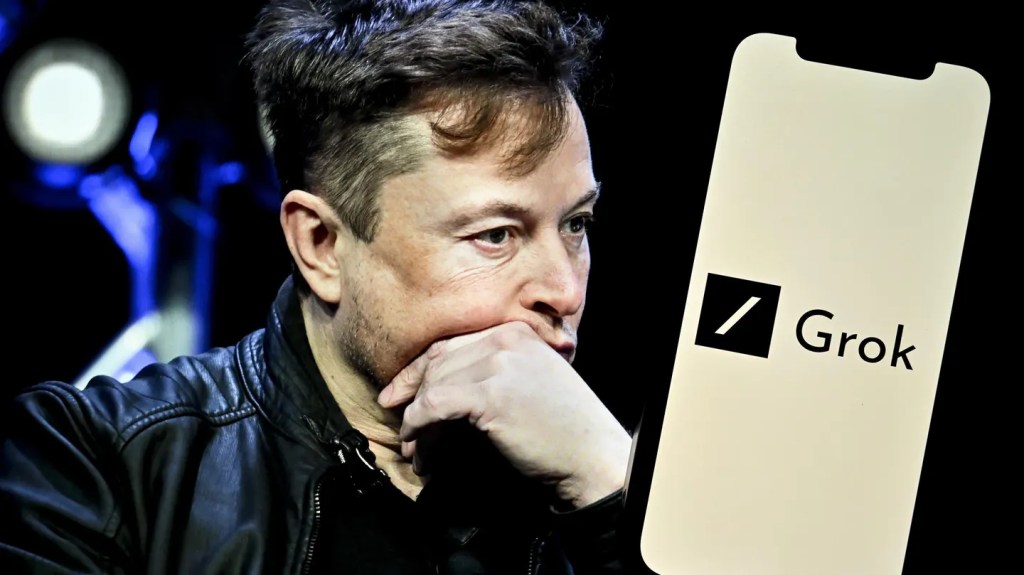
Anadolu via Getty Images
Key Takeaways
- Ofcom, the United Kingdom’s independent online safety authority, announced an investigation into X on Monday morning, “following deeply concerning reports of the Grok Al chatbot being used to produce undressed images of people and sexualised images of children.”
- If X is found to be in breach of the Online Safety Act, Ofcom could issue fines of up to 10% of revenue or seek a court order for business disruption measures, including a ban.
- Early this month, India’s Ministry of Electronics and Information Technology issued a stern warning to X.
- On Thursday, the European Union ordered X to retain all internal documents and data related to Grok under the Digital Services Act, calling the images “appalling” and “disgusting.”
- Australia’s eSafety Commissioner opened a similar investigation into Grok-generated “digitally undressed” deepfakes last week.
- Indonesia and Malaysia have both issued temporary bans on Grok over the past week.
Key Quote
“The move simply turns an AI feature that allows the creation of unlawful images into a premium service,” a spokesperson for the UK Prime Minister’s office told The Guardian in response to Grok limiting its image-generation feature on Friday. “It’s not a solution. In fact, it’s insulting to victims of misogyny and sexual violence.”
Tangent
Passed in 2023, the UK’s Online Safety Act is designed to regulate tech companies by shifting the burden of responsibility for illegal content from users to the platforms, requiring them to proactively identify and remove it. The act also makes it a crime to send unsolicited sexual images or to spread false information with the intent to cause “nontrivial” harm. Since its enactment, it has led to several high-profile arrests, including one case in which a 25-year-old was jailed for three months after he used a TikTok livestream to falsely claim he was “running for his life” from far-right rioters. Even before the law was enacted, the UK had a long history of arresting individuals for online speech, dating back to the Public Order Act of 1986, which criminalized words or behavior intended to stir up racial hatred or hatred based on religion or sexual orientation. According to a study debated in the House of Lords, the UK makes over 12,000 arrests for online communications per year.
Key Background
Musk has been criticizing the UK over its social media laws, which allow imprisonment for online speech, for years, referring to the country as a “police state,” a “prison island” and as having a “broken” government and judicial system in the past year alone. Last Thursday, U.K. Prime Minister Keir Starmer called Grok’s nonconsensual sexualized imagery “unlawful,” adding, “we’re not going to tolerate it.” Days later, on Saturday, Musk called the UK government “fascist” in response to a graphic depicting the country as having the most arrests for online comments (the graphic’s author did not identify a scope or data source in the post).
Look back on the week that was with hand-picked articles from Australia and around the world. Sign up to the Forbes Australia newsletter here or become a member here.