Steve Boyes and his team, backed by the Rolex Perpetual Planet Initiative, have travelled tens of thousands of kilometres by river chasing one simple question: where does a river begin? His latest focus is the Zambezi’s “source of life” wetlands in Angola.
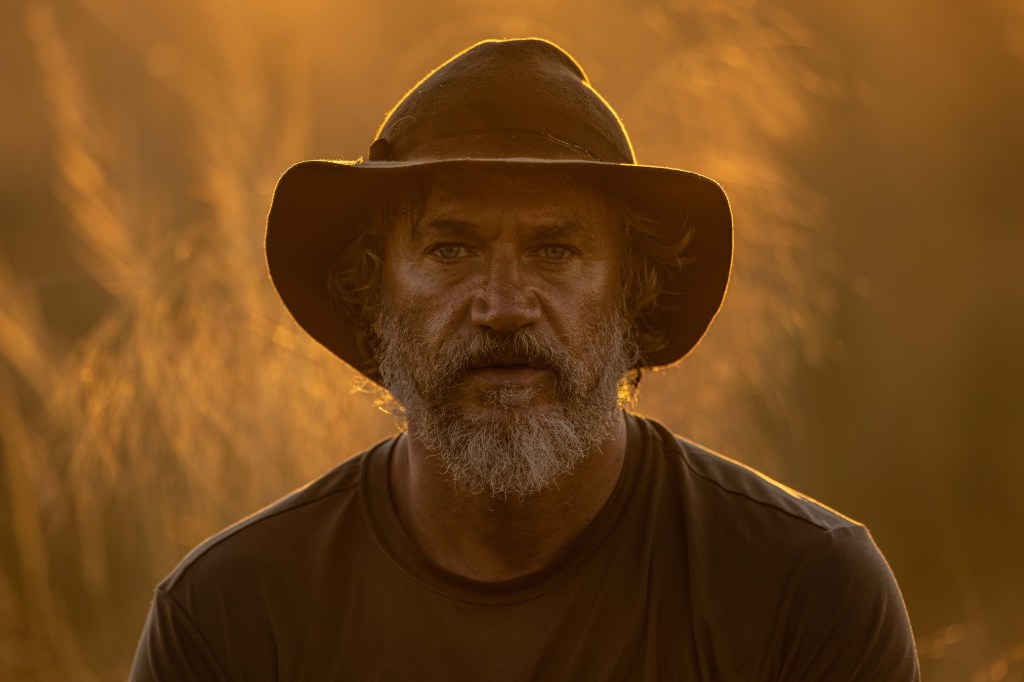
Steve Boyes likes to start with a map in his head. Not the clean version on tourist brochures, or the one in old atlases with tidy blue lines. Boyes starts upstream, where rivers twist and disappear into wetlands – and where one wrong call can flip a boat. He’s been “capsized by hippopotamuses,” “charged by elephants,” and he recalls “spending six days in hospital with malaria.”
And sometimes the river itself is the threat. “We’ve had crocodiles… an 18-foot, six-metre crocodile take an entire boat in its mouth and swim across the channel,” he says.
It’s all part of the same fixation – tracing Africa’s major rivers back to where they begin, then proving it with hard data.
The Great Spine of Africa series of expeditions, founded by Boyes and supported by the Rolex Perpetual Planet Initiative, has made that question its mission. The project has “proven that the source of the Zambezi River is in the Angolan Highlands,” Boyes says. Over the years, Boyes and his team have traversed more than 30,000 kilometres of rivers, many of which have never been scientifically documented before.
It is a scale that feels hard to picture until Boyes describes the mechanics of how they work. On expedition, his team builds a rolling record of the river, stitching together imagery and observations to turn fieldwork into something closer to a living archive.
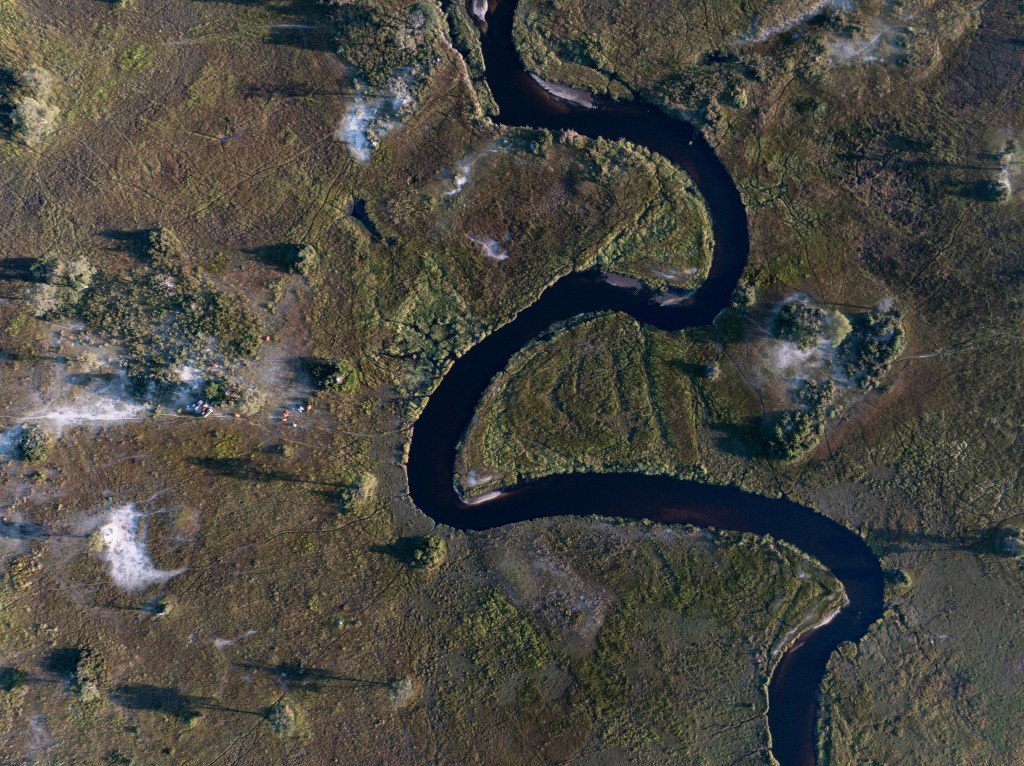
“What we do is every 30 seconds, we take an upload a 360 photograph and then we system together to create an interactive 360 view of the river,” Boyes says. “It’s like Google Street Views, you can go forwards and backwards, and you can pan around.”
That record becomes more than a visual diary. Boyes explains that his team logs what they see as they move downstream.
“Over 20 million people in southern Africa, and countless species of plants and animals, rely on the rushing waters of the Zambezi River,” Boyes says. For him, tracing its origin is inseparable from the question of how to protect it.
Next to Victoria Falls, Boyes delivered a presentation at the 2025 Ramsar Convention, summarising more than a decade of work from over a dozen expeditions across Angola and Zambia. He says the research proves the Zambezi’s source lies in Angola, combining expedition findings with high-resolution satellite imagery, and the assessment was published in a peer-reviewed scientific journal in September.
Lisima Lya Mwono translates as “Source of life,” and Boyes uses it as both a name and a statement of intent. He describes the landscape as something he says was overlooked for too long.
“The lisima lya mwono landscape is a system of source lakes and previously undocumented peatlands – the second largest peatland discovery in tropical Africa. I found it astonishing that this was not globally recognised,” Boyes says.
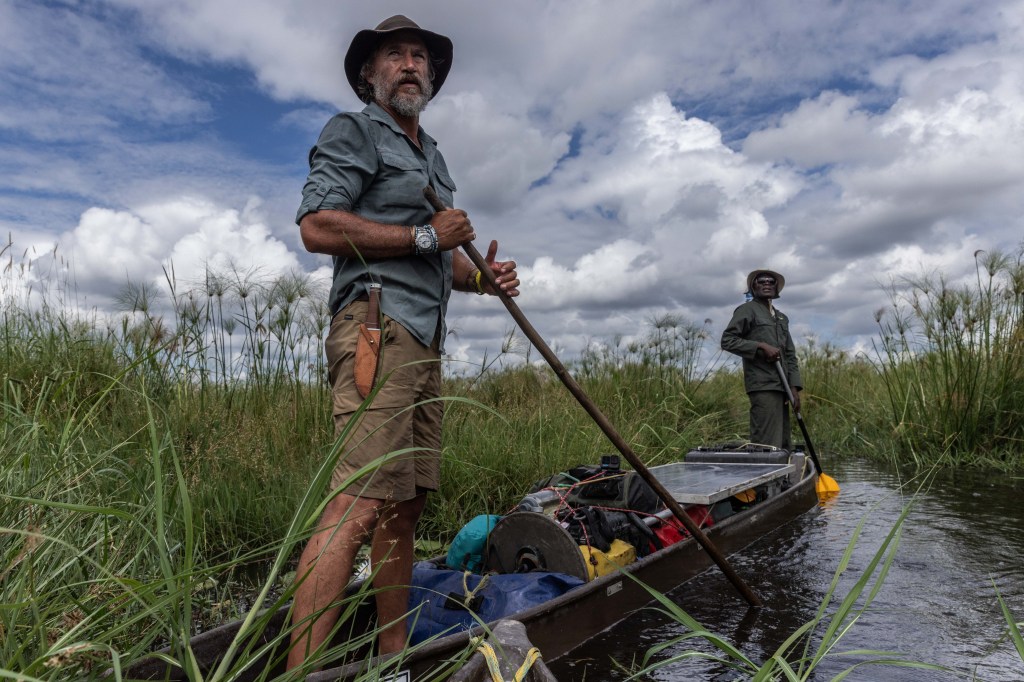
It is that combination of scientific detail and political urgency that defines the Great Spine of Africa project. Boyes’ background is in wetlands research and field work, including years spent studying Botswana’s Okavango Delta.
“Now we can use a sample of water one metre of water pushed through a special filter and then analyse in our lab… we can determine every single fish that’s been swimming in that sample of water over the last two weeks,” Boyes says, describing the use of environmental DNA sampling.
Rolex’s support has helped scale the work from a small operation into something closer to a permanent field program. Boyes says the Great Spine of Africa has been able to ramp up expedition frequency, invest in better equipment, and support a larger team working across multiple river systems at once – turning long, slow research into data that can actually be used for protection decisions.
But Boyes is equally blunt about the idea that conservation cannot be done from the outside looking in. His work, he says, was strengthened by local knowledge and support from traditional leaders.
In a statement shared with media, it was noted that Boyes was able to bolster his presentation with local knowledge provided by kings and chiefs of communities living along the Zambezi’s banks, who gathered for the first time in 60 years to listen and review his findings.
Boyes describes that support as core to whether conservation holds.
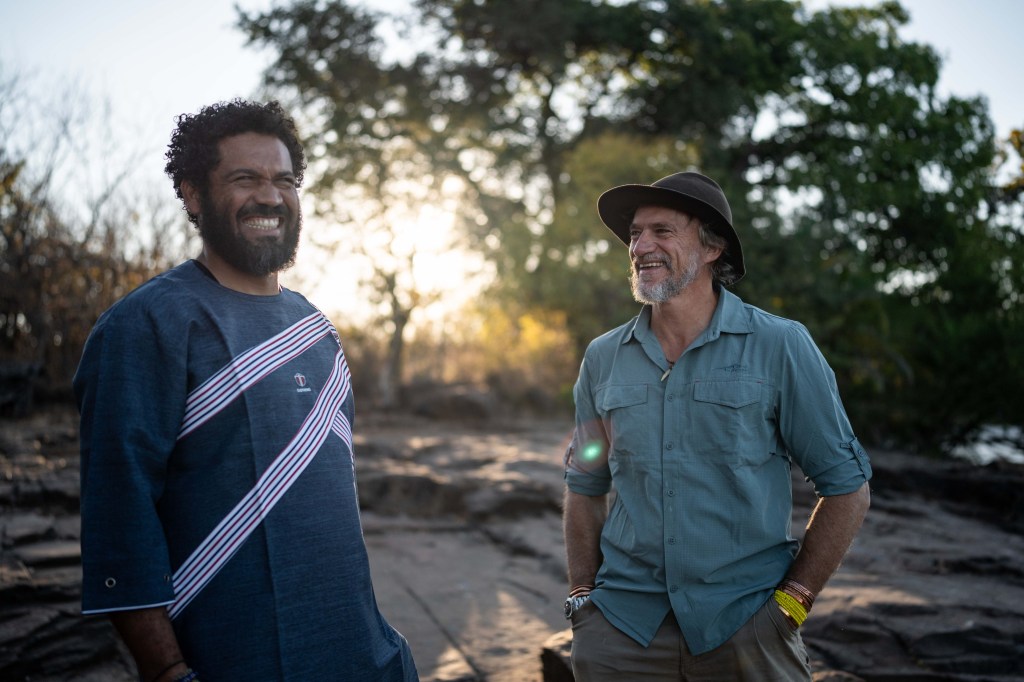
“This meant a huge amount to me. Rivers unite people across borders. These are river guardians. They’re proud of the water. It’s an agreement across five countries for us to work very closely with them on monitoring the ecosystems,” he says.
Boyes argues the people already living at the source of major rivers are often the ones doing the protection work, whether they get credit for it or not.
“Only 14 per cent of Africa is protected right now. Whenever I go to the source of a river, there are people living traditionally, protecting it already. They just need to be recognised as such,” Boyes says.
The scale of what Boyes is trying to lock in is large. “Now, as they seek to protect 1.2 million square kilometres of African watersheds, plateaus and rivers by 2035, their expeditions are moving into the continent’s other major waterways, including the Congo and Nile Basins,” Boyes says.
Boyes frames it as an upstream decision with downstream consequences.
“Their work shows the importance of preserving the Angolan Highlands, not only for the benefit of the Zambezi ecosystem and the 20 million people who depend on it, but for other major African rivers, including the Congo and the Okavango, which bring life to several hundred million people,” he says.
Learn more at https://www.rolex.com/perpetual-initiatives/perpetual-planet
This article is part of Forbes Australia’s editorial partnership with Rolex through the Perpetual Planet Initiative, which supports scientists and explorers working on long term solutions to global challenges.