Their startups do everything from giving consumers budgeting tips to testing traders’ software for errors that could cost hundreds of millions of dollars.

Antithesis; Nayya; Comun
In the 11 years since Forbes published its first Fintech 50 list, we’ve always tried to scour the industry for new ideas and entrepreneurs while also highlighting the biggest private fintechs that continue to innovate relentlessly.
On our Fintech 50 for 2026, 20 of the honorees were newcomers spread across seven different categories, such as Personal Finance and Wall Street and Enterprise. One was founded less than three years ago, while others have been plugging away for seven-plus years and are now hitting their stride.
The CEOs of six standout newcomers are profiled below. In each case, the CEO is also a cofounder, except one–Nayya’s Sarah Liebel. After previous stints as an executive at Groupon and coaching platform BetterUp, she took over the CEO role at insurtech startup Nayya. Founded in 2019, Nayya feeds data about employees’ health and finances into its AI-driven software to help them pick the most cost-effective health insurance plans and manage their personal finances. Liebel joined Nayya in late 2024 and became CEO in January 2026 after leading its acquisition of fintech startup Northstar, which extended Nayya’s reach to financial advisors.
Budgeting apps have long been beloved fintech services, even since the industry’s earliest days when Mint was all the rage. In 2008, Val Agostino became Mint’s first product manager, and 10 years later, he founded Monarch to try to create a better Mint, making it a paid subscription service that also allows couples to easily see their finances. After Intuit shut down Mint in 2024, Monarch surged in popularity. Last year, it reached more than 500,000 subscribers and raised funding at an $850 million valuation.
While fintech startups have been slower than many other tech companies in adopting AI, one of the newcomers on our list is an AI-native upstart trying to unseat enterprise accounting systems like Oracle’s NetSuite. Nicolas Kopp, who previously did stints in investment banking at Morgan Stanley and as U.S. CEO of German digital bank N26, started Rillet in 2021. It promises to help customers like Elon Musk’s Nueralink close their books faster with leaner teams and reached a $500 million valuation last year.
Here are six CEOs whose startups made the Fintech 50 list for the first time in 2026:
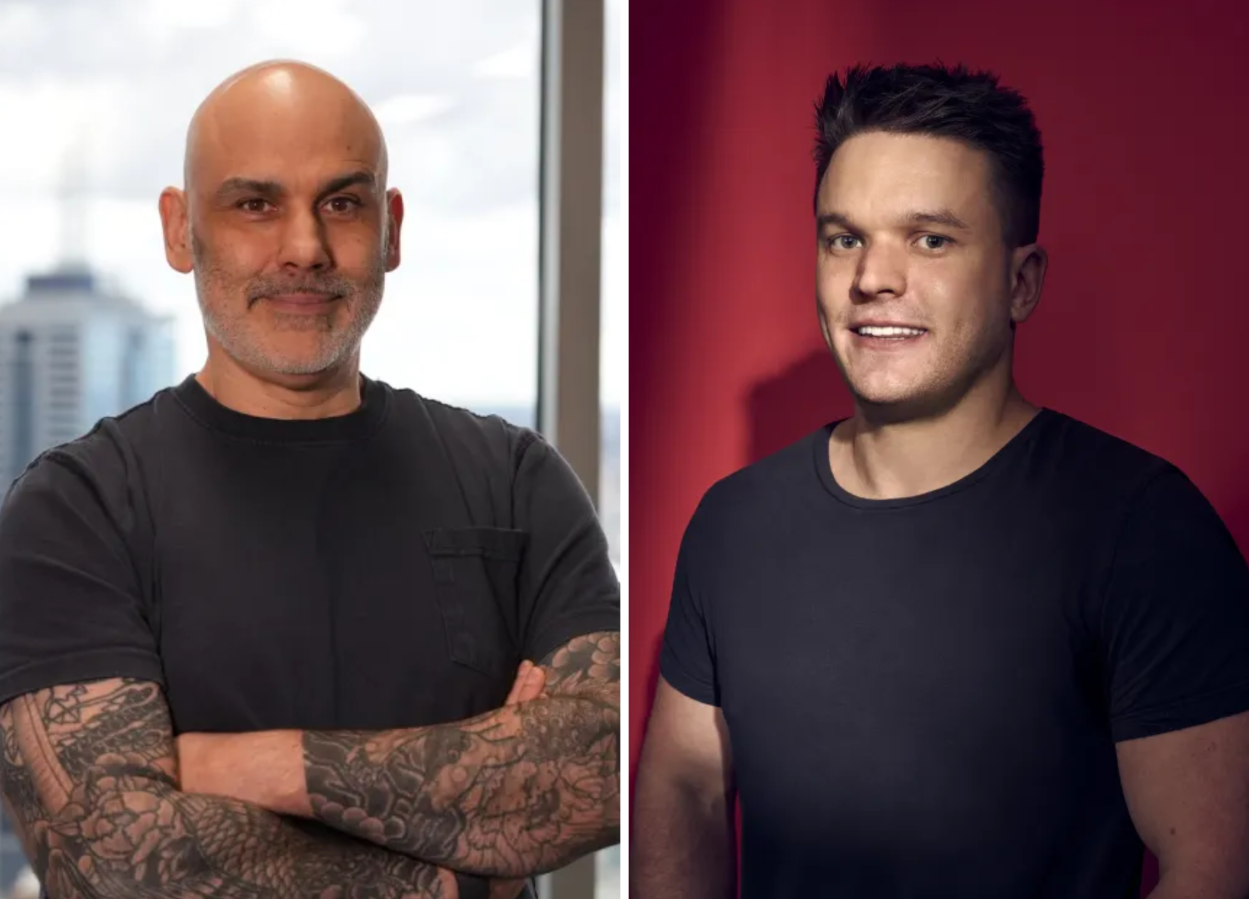
Val Agostino, 50
Cofounder and CEO, Monarch

In 2008, Agostino became the first product manager for Mint.com, the pioneering free online budgeting app that was quickly acquired by Intuit. Ten years later, he cofounded competitor Monarch, which differed from Mint by charging a subscription fee ($15 per month or $100 per year) and by enabling couples to easily view their combined finances. Intuit shuttered Mint in 2024, causing the popularity of Monarch to surge. The app now offers an AI assistant serving up personalized advice to more than 500,000 paying subscribers. Last year Monarch raised $75 million at an $850 million valuation.
Nicolas Kopp, 39
Cofounder and CEO, Rillet

Manhattan-based Rillet is racing to build AI enterprise accounting and finance systems that can compete with legacy products like Oracle’s NetSuite. In August, three months after raising $25 million in a Series A, Rillet raised another $70 million, at a $500 million valuation, in a Series B led by Andreessen Horowitz and Iconiq Capital. “We had these funds basically chasing us around,” says Kopp, a Switzerland-born veteran of Morgan Stanley who has a master’s in accounting. Founded in 2021, Rillet has 300 corporate customers, including Elon Musk’s Neuralink.
Sarah Liebel, 43
CEO, Nayya

Six-year-old Nayya feeds data about employees’ health and finances into its AI software to help them choose the most cost-effective insurance plans, file medical claims and manage their 401(k)s. Last year, it hit more than $30 million in revenue and nearly a million users, mostly through partnerships with companies including payroll processor ADP. Liebel joined Nayya in late 2024 after executive stints at Groupon, BetterUp and 1stDibs. She became CEO in January, after leading the recent acquisition of fintech startup Northstar, which extended Nayya’s reach to financial advisors.
Brandon Millman, 34
Cofounder and CEO, Phantom

Longtime coder Millman was an engineer at WHERE-based crypto trading infrastructure firm 0x before confounding Phantom in 2021 with two 0x colleagues. One of the fastest-growing noncustodial crypto wallets, Phantom has 22 million active users worldwide and booked $320 million in 2025 revenue, up from $200 million in 2024. Consumers can use Phantom to store, send and swap digital assets, manage NFTs and tap into decentralized applications. Early last year, Phantom raised a $150 million Series C, co-led by Sequoia Capital and Paradigm, at a $3 billion valuation.
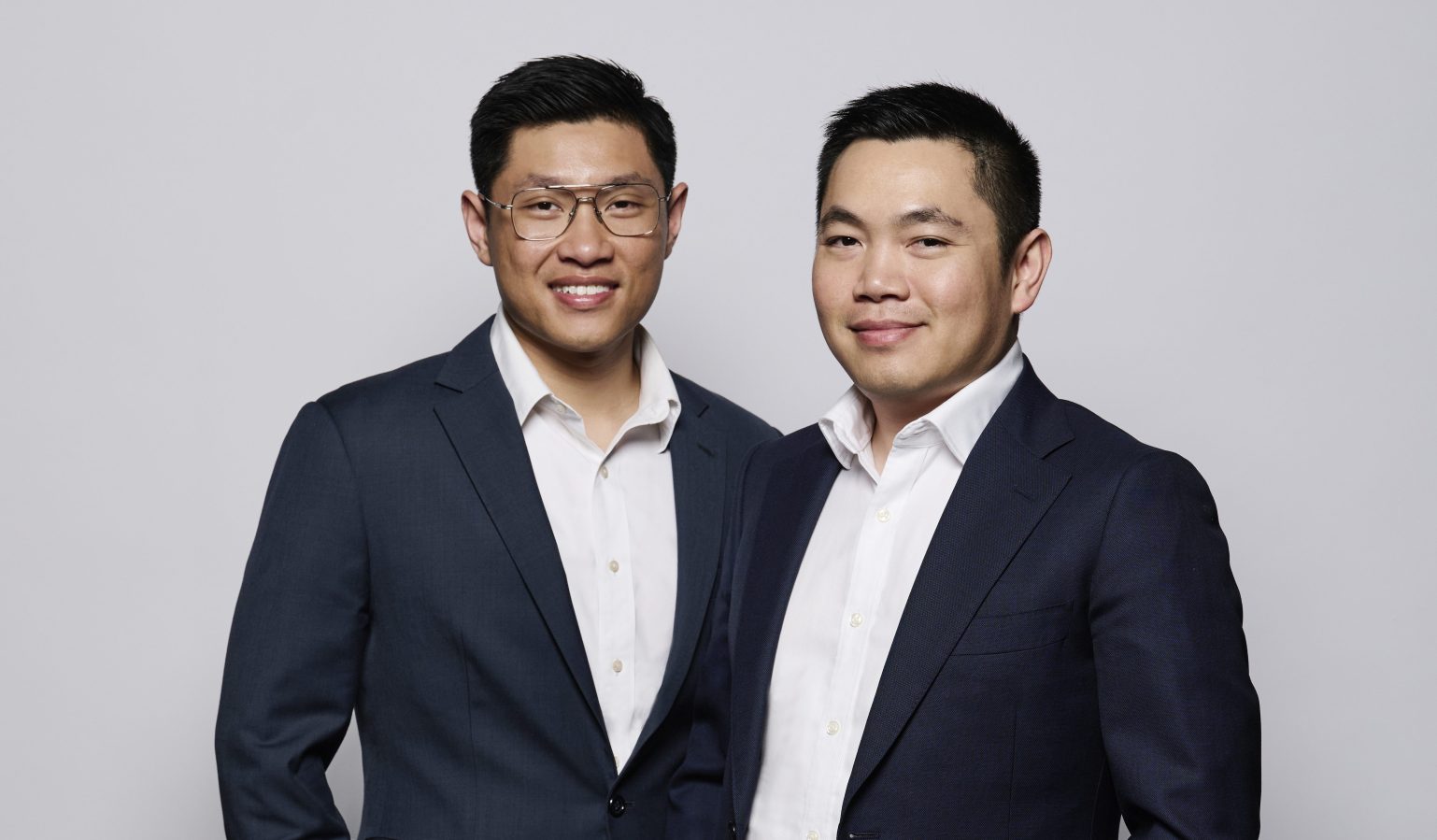
Andres Santos, 34
Cofounder and CEO, Común

Raised in Monterrey, Mexico, Santos ran a restaurant, worked in strategic planning at a food distribution company and earned an MBA from MIT before cofounding Común, a digital bank for Hispanic immigrants,in 2023. Customers can open checking accounts through an app using a passport or ID from their home country and use it for direct deposit, a debit card and international money transfers. Común has 276,000 accounts and $12.5 million in 2025 revenue.
Will Wilson, 39
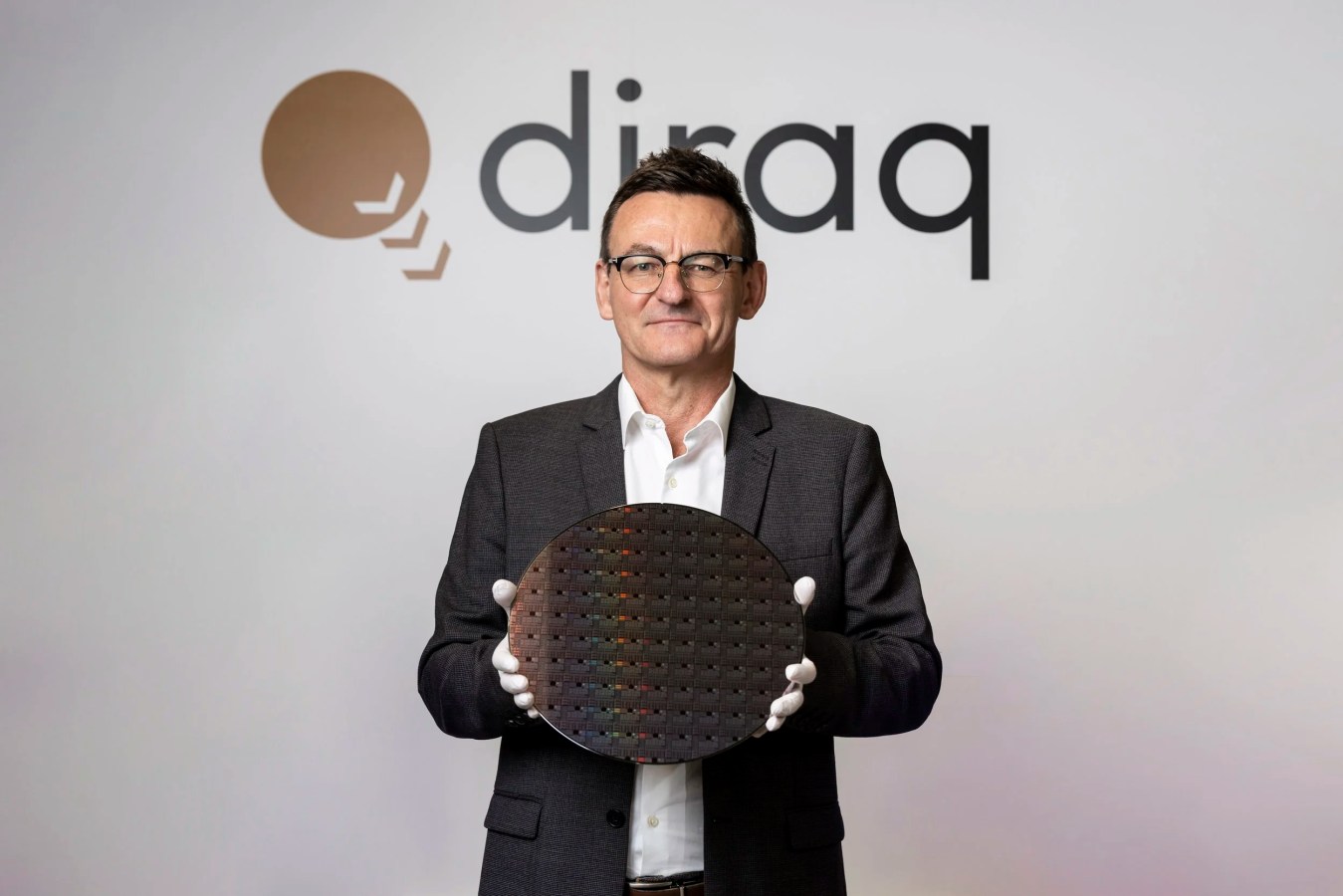
Cofounder and CEO, Antithesis

While an engineer at distributed database developer FoundationDB (acquired by Apple in 2015), Wilson concluded its key innovation was its software testing tool. So in 2018, he cofounded Antithesis, raising $47 million in seed funding before spending the next five years perfecting his automated product, which stress-tests every inch of a software program. Since coming out of stealth in 2024, Antithesis has landed 40 customers, mostly trading firms, where software errors can cost hundreds of millions of dollars. Quant powerhouse Jane Street became a customer in January 2025 and in December led Antithesis’ $105 million Series A round.
Look back on the week that was with hand-picked articles from Australia and around the world. Sign up to the Forbes Australia newsletter here or become a member here.
This story was originally published on forbes.com and all figures are in USD.