Not all fun and PlayHouse: The battle-tested Aussie founder empowering social media’s “underestimated creators”

Sydney-based William O’Halloran, executive director of Corvian Partners and founder of PlayHouse, discusses why governance is the new growth engine for digital creators. After moving from high-stakes advisory to platform ownership, O’Halloran is intent on maximising the earning potential for “marginalised” content creators.
BRANDVOICE – PARTNER CONTENT
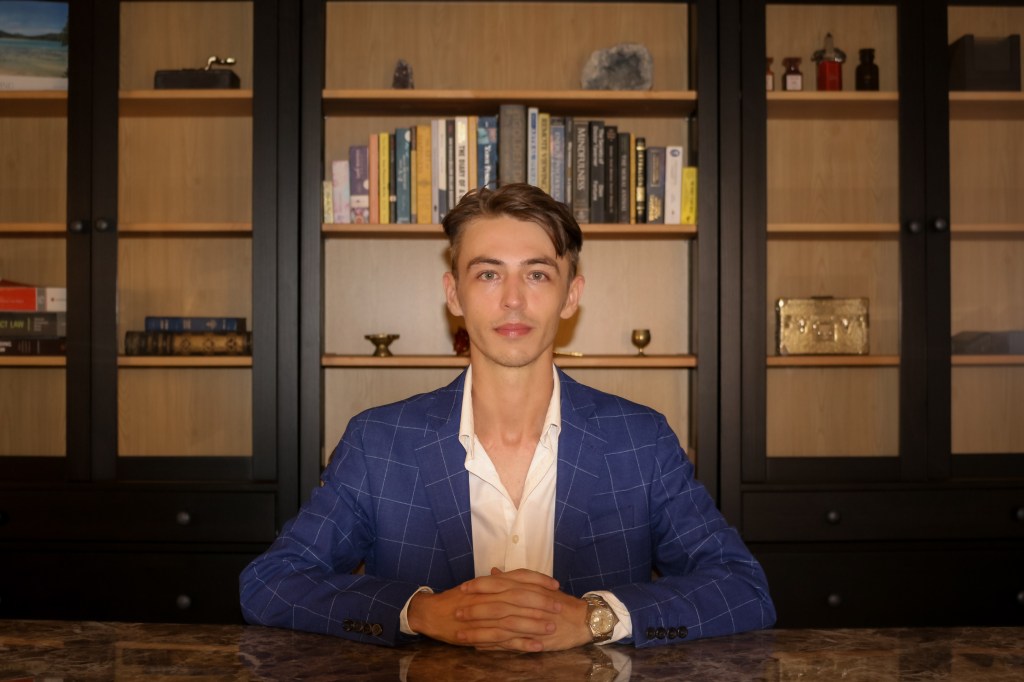
William O’Halloran has built his career on a core belief: capital is not only to be accumulated, but also to be defended. “If rights and risk frameworks are not defined with clarity, they will be defined in crisis, usually at the highest possible cost,” says O’Halloran. Essentially, when an individual faces legal or compliance pressure, this Innisfail-born solicitor is up for the fight.
O’Halloran applies this philosophy across his ventures, championing sustainable economic models. At Corvian Partners, a strategic advisory firm where he is the executive director, O’Halloran continues to help businesses navigate complex challenges, and his social media start-up, PlayHouse, which empowers creators to monetise their work within a supportive environment.
PlayHouse hosts a diverse range of creators, including fitness experts, musicians, and comedians, and also serves as a space for over-age content. With both business-to-user and user-to-user transactions, accounts can be monetised through photos, videos, and live streams. PlayHouse also prides itself on being largely censorship-free.
The transition from strategic advisor to platform owner has clarified his philosophy that in the digital economy, regulation is not an obstacle to be cleared, but infrastructure to be built upon. PlayHouse prioritises mental health, community, and personal empowerment, with a dedicated mission to support “marginalised, overlooked, and underestimated creators”.
Q&A
What drives you at this stage of your career? What is your “why”?
I am driven to build systems that hold under pressure. Modern business often rewards rapid scale and compressed timelines, but sustainable value compounds through patience. I enjoy unravelling complexity to design ecosystems that endure rather than merely react. Ultimately, building ethically and structurally defensible institutions matters far more to me than generating market noise.
What is the most misunderstood aspect of your industry, and how are you working to change that?
Regulated subscription platforms are often viewed merely as content businesses. In reality, they are compliance-driven systems operating at the intersection of finance, law, and user safety. Similarly, the market often mistakes velocity for progress, but velocity without structure erodes trust. My focus is on embedding governance early so that rapid growth tests a system rather than breaking it.
In your field, what major shifts or trends do you believe leaders cannot afford to ignore right now?
Regulation no longer trails innovation; it shapes it in real time. In digital platforms, compliance architecture and data governance are now core strategic assets. Furthermore, capital markets consistently misprice regulatory and reputational risk. They chase novelty while underestimating the compounding cost of compliance and public trust erosion. Trust is now a balance sheet variable. Durable institutions require regulatory endurance, not just acceleration.
Every journey has setbacks. What is the toughest challenge you have overcome, and what did it teach you?
I faced a significant commercial dispute that tested my capital resilience and personal conviction simultaneously. It was costly and forced difficult decisions about alignment and integrity. The core lesson was stewardship: capital must be defended, not just accumulated. I chose long-term alignment over short-term advantage, which narrowed certain opportunities but fortified our foundation. Pressure clarifies both character and structure.
How do you define success today, and has that definition changed over time?
Early in my career, success meant velocity and visibility. Today, it means durability and discretion. Moving deliberately preserves flexibility and conserves energy. Success is allocating capital and time to compound steadily, strengthening ecosystems rather than extracting from them. On a personal level, it is about time sovereignty: the freedom to prioritise health, family, and considered decision making.
What is the boldest goal you have set yourself for the next five years?
My primary ambition is to institutionalise PlayHouse through a governance structure that permanently aligns creators, capital, and compliance. Whether through public markets or a decentralised ownership model, the principle remains: alignment must be embedded in the architecture, not just the marketing. I am focused on permanence over scale, building a framework that withstands tightening regulations without compromising creator protection.
When you think about your legacy, what do you want it to be?
I want to be remembered as someone who operated with integrity, even when it was costly, and who built structures that outlasted him. Personally, being a stabilising force for my family is paramount. Converting volatility into stability is a responsibility I take seriously. Ultimately, legacy is stewardship. Leaving the systems, capital, and values entrusted to you stronger than when you inherited them is enough.
For more information, go to corvian.com.au or visit playhouse.fans