
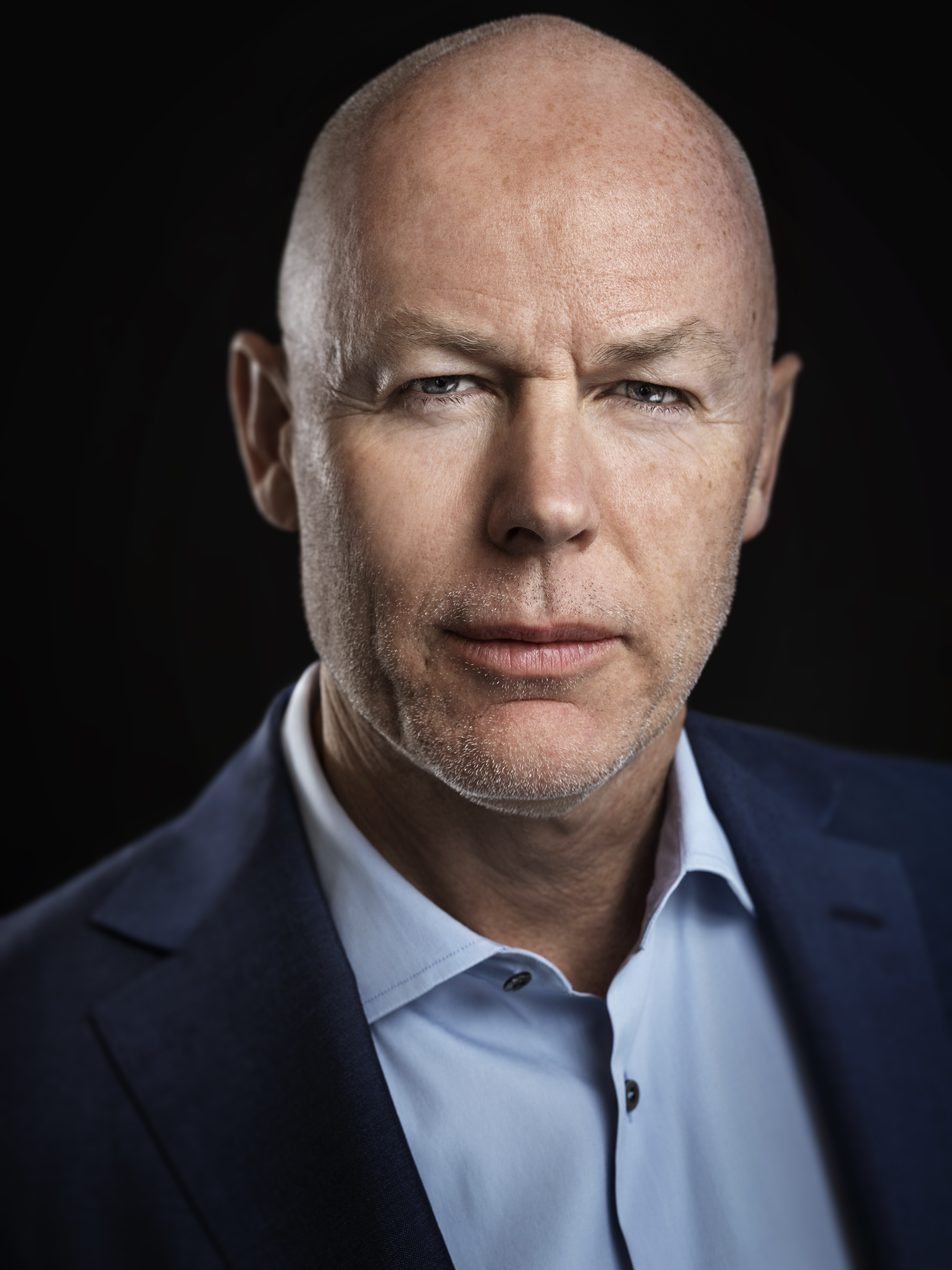
From a 25-year-old Macquarie banker sent to crack America’s infrastructure market to the founder of a US$72 billion powerhouse, Michael Dorrell has quietly built one of the world’s most successful investment firms – and is now turning his sights back to Australia.
This story features on the cover of Issue 22 – out now. Tap here to secure your copy or become a Forbes member here.

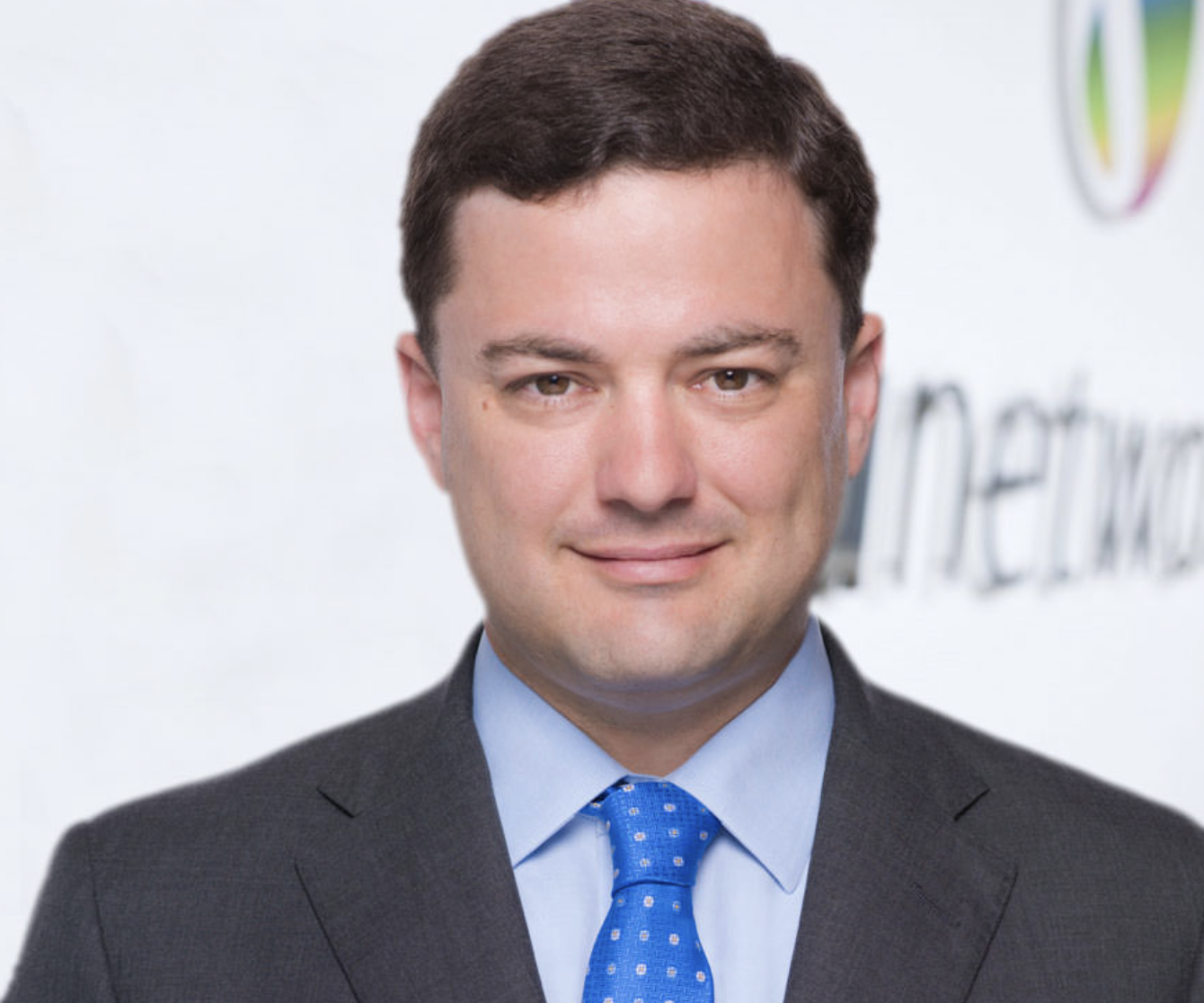
Trent Vichie is on edge. No surprise there. But he is shocked to see his Stonepeak co-founder, Michael Dorrell, sweating bullets. “It’s the only time I’ve ever seen Mike nervous,” recalls Vichie.
It’s 2012, and the two Australians trying to raise money to start their own infrastructure fund are presenting to the board of a Washington State pension fund.
It’s the end of the line. They’ve faced four years of constant rejection. If this fails, they’ll be looking for jobs. Dorrell hasn’t slept.
“My whole subconscious was saying to me, ‘Hey, this is make it or break it’,” he recalls. He’d practised his pitch ten times in front of the mirror. Ten run-throughs usually give him the confidence he wants to exude.
Not this time. He is all tight. But the adrenaline drags him through.
Dorrell and Vichie deliver their lines about the wonders of infrastructure investing. They are thanked and told to wait in an anteroom. After just 15 agonising minutes, their point man from Washington State Investment Board [WSIB], Paul Silver, comes in. “Hey boys, you’ve got a yes.”
When, 14 years later, Dorrell is asked to nominate the moment he knows he’s arrived, he chooses this one. Vichie too. It’s the “Golden Ticket”. WSIB’s US$250 million unlocks another US$500 million promised by other investors.
And after four years of global financial turmoil, a tailwind is coming.
What they do next with that breeze at their backs will see their little fund, Stonepeak, grow to US$84 billion under management and turn it into one of the world’s largest infrastructure investors.
Vichie left the company amicably in 2021 under terms they don’t disclose, so Dorrell now owns more than half of the $15 billion company. Forbes values the 52-year-old Cronulla Sharks supporter’s personal wealth at US$8.4 billion [$11.8 billion].
It makes Dorrell the most financially successful of all the Macquarie Bank diaspora. But he, like his company, wants to stay in the background.
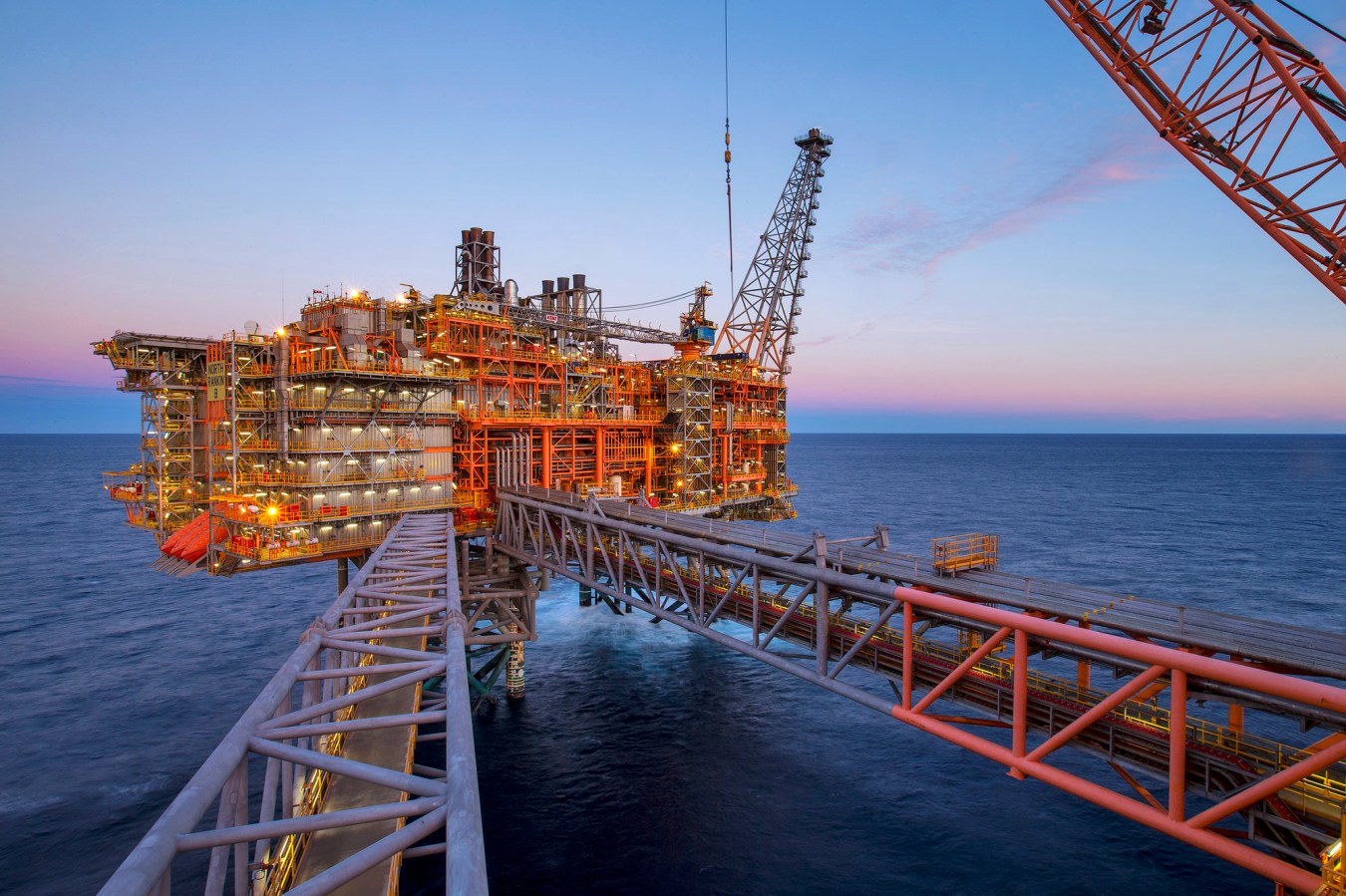
In the US, 23% of all internet traffic passes through Stonepeak-owned data centres, 30% of all refrigerated food flows through its cold storage facilities, 25% of containerised port traffic is carried in its containers, and 10% of all crude oil flows through its pipelines.
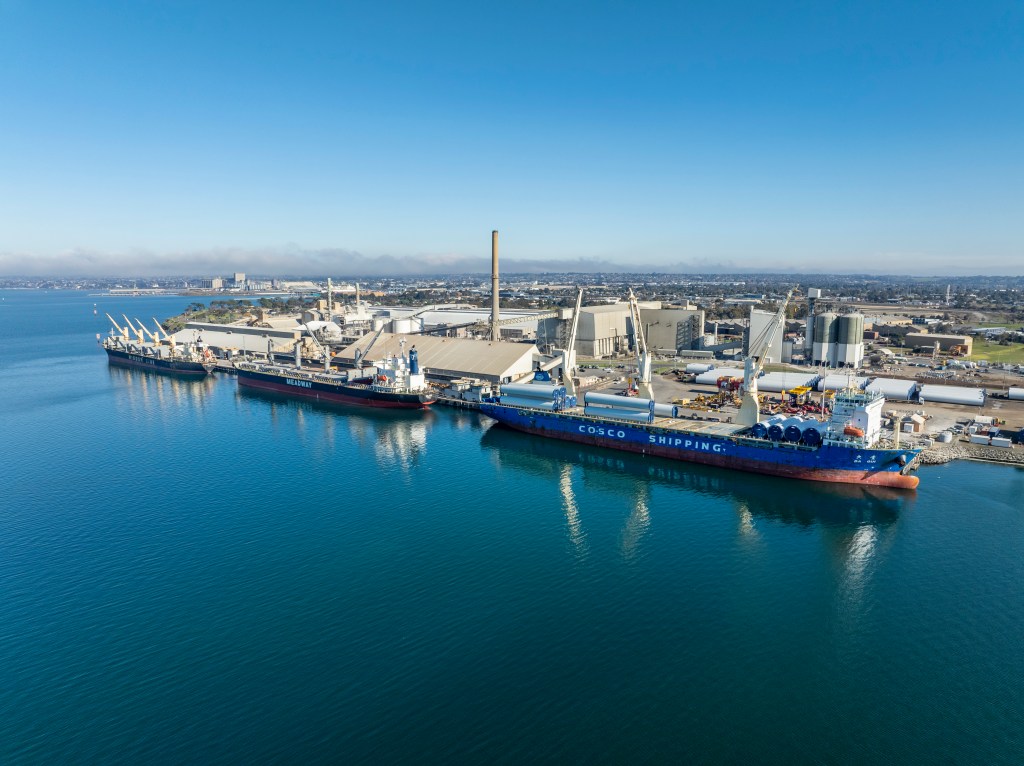
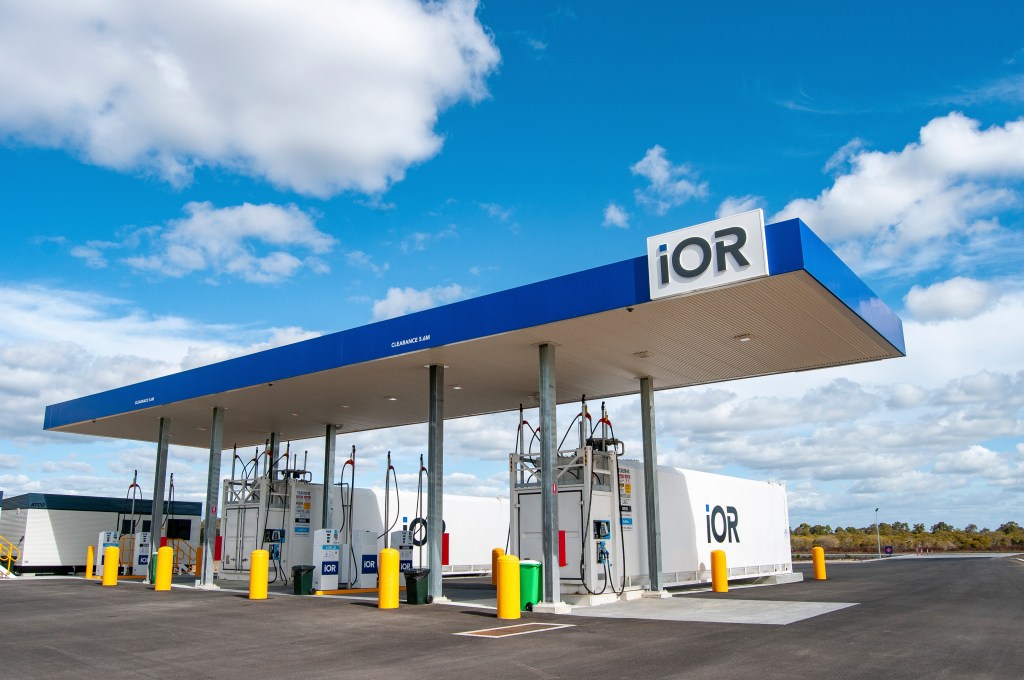
And for the past five years it’s been making its presence felt in Australia, buying the port of Geelong, nursing homes and a diesel fuel company, among other things.
Dorrell was in Australia recently rounding up interest in Stonepeak’s second Asia Infrastructure Fund attempting to raise US$4 billion; his second renewables fund, looking for $5 billion; his fifth main infrastructure fund, seeking $15 billion; and a little side hustle on the ASX, Stonepeak-Plus INFRA1, a way for investors to lend money to infrastructure projects, which is looking for $300 million.
And it all started because, in the world of infrastructure investing, the US was the sort of backwater outpost you might send two kids to learn the job.
Country boys
When Macquarie Bank set up a New York office in the late 90s, Trent Vichie was the second guy there. He’d grown up in Nelson Bay, 200km north of Sydney, and won a scholarship to do actuarial studies at Macquarie University. He started at Macquarie Bank in 1999 – already known as the “Millionaires Factory” three years after listing.
He was sent straight to New York where the office started to fill. “It was like SEAL Team Six,” he recalls. “Just incredible at structuring, creativity, execution and aggression. Everyone there was so smart, I felt like I didn't belong. I had to sprint to keep up.”
One of the bright sparks was Murray Bleach, who came from Macquarie in Sydney to head the US operation in 2000.
“We took over the Macquarie bible, and it said, ‘go and buy airports and toll roads’, but there were no airports or toll roads for sale,” says Bleach. American county and state governments had access to tax-friendly debt, and so hadn’t sold off infrastructure like Australian governments had in the 90s. Major American airports were not for sale, nor were the country’s few toll roads.
“So, we had to figure out what assets we could buy that looked and smelled like ‘infra’, and had the same financial features, but may not have been straight out of the Macquarie textbook.”
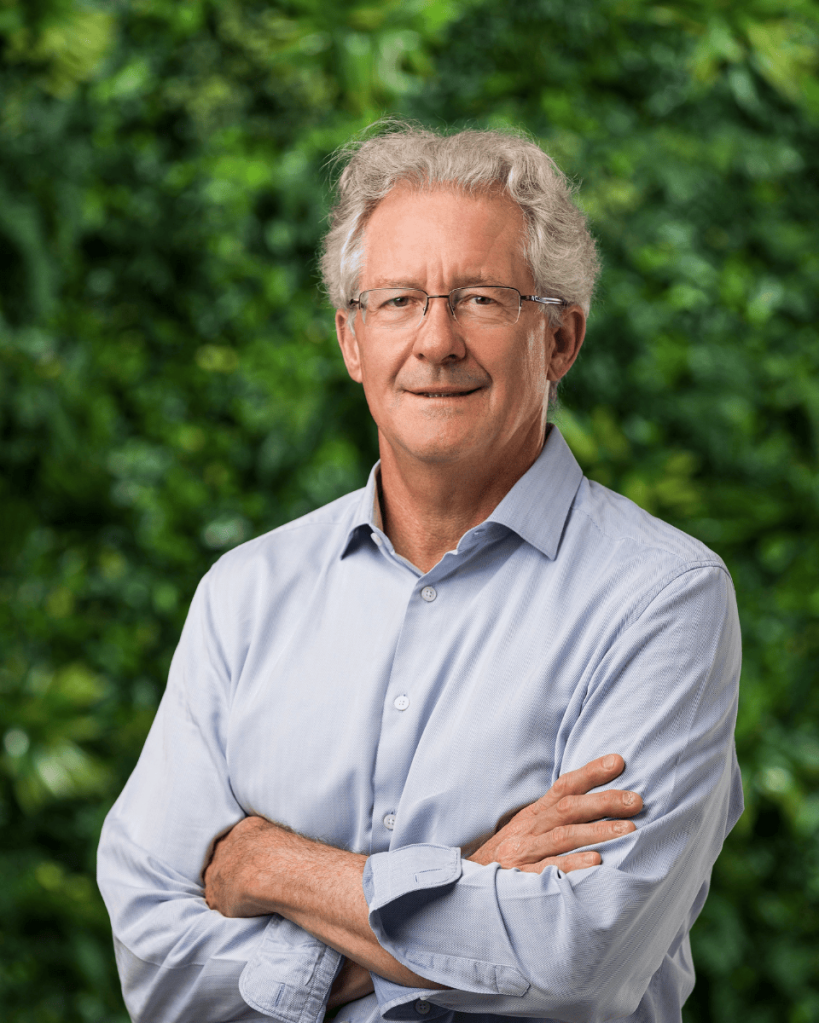
Michael Dorrell turned up in 2001, having joined Macquarie straight from a commerce degree at the University of NSW, in 1998.
The son of a teacher and social worker from Griffith in southern NSW started looking at a company that provided services to private aircraft, a so-called Fixed Base Operator, or FBO. They didn’t own the entire airport, but they did own the terminals, hangars, and refuelling.
"He [Dorrell] did a roll-up of those assets and we realised that the FBO was actually the crown jewels, and so we went around and bought a whole bunch more," recalls Bleach.
By 2007, Macquarie was the largest owner of small airports in the US, with 70 locations. [They sold in 2021 for $US4.5 billion.]
The New York team picked up small energy transmission deals, some toll roads, airport carparks.
Macquarie CEO Nicholas Moore had taken on board the lessons from buying electricity generators from the Victorian government in the early 90s. Those investments were souring now as price contracts expired and they became exposed to the spot market, where prices were falling, recalls Vichie. There was no moat.
“It was drummed into us to look for contracted assets or effective economic monopolies.”
When he first got to New York, Vichie had been doing “cross-border leasing” – a euphemism for tax arbitrage across different jurisdictions. But Bleach brought him into infrastructure.
“He’s numeric, hard-working and keen to do stuff right, a real goer,” says Bleach. “They're both absolutely real goers. Trent also had a creative streak. He cooked up the idea of an accreting swap [a loan where the interest accrues until the full loan plus interest is repaid at the end] which we used when we bought the Indiana toll road [for US$3.8 billion in 2006].
“No one had thought of that before in this field,” says Bleach.
Meanwhile, in the seven years since Macquarie arrived in the US, the smart money was catching on to infrastructure. Goldman had launched a US$6.5 billion fund in 2006, Morgan Stanley was raising $6 billion, Citi $3.4 billion. Carlyle were getting in with $1.2 billion.
But all their offer documents were still just talking about airports and toll roads.

Vichie and Dorrell realised, independently, that they possessed valuable skills. Dorrell asked some of his “closer buddies” at Macquarie if they’d be interested in doing something out on their own.
They didn’t say no, says Dorrell, “but after 12 months or so, I got to the point where I just didn't think any of them were going to do it.”
In 2007, Dorrell suggested to Vichie that they do lunch at a midtown restaurant. He was tentative. “I didn't have the sort of relationship with Trent whereby I wasn't sure he wouldn't just go off and let others at Macquarie know what I was thinking.”
But when he raised it, Vichie said he’d been thinking the same thing. They were young. It was now or never. Vichie was in.
Vichie remembers late nights and weekends with Dorrell pulling a business plan together in his one-bedroom Hell’s Kitchen apartment.
Vichie had Dorrell pinned as driven, fitness-focussed and wickedly smart. “He was very solutions-oriented. He'd always be looking for how to get things done, an incredible deal executor.”
Dorrell describes the coming together of minds as “lightning in a bottle”.
“Mate, he's super high IQ. He's very entrepreneurial, very creative. He's a lovely guy, like there's no ego there. That's a great attribute for a partner. We were able to brainstorm ideas with each other with no pride of ownership, just trying to get to the right answer.”
Zombie apocalypse
Dorrell had contacts at a big “placement agent”, firms hired to raise capital for investment funds, but Vichie had been talking with the world’s largest alternative asset manager, Blackstone, on potential deal, so he reached out to his contacts there.
“I laid it out and asked them if they were thinking about getting into the infrastructure space.”
Blackstone was. But after 12 meetings, the two Australians started to doubt the private equity giant was really that interested.
Then they got a call asking if they’d have lunch with Blackstone co-founder Steve Schwarzman [currently ranked the world’s 52nd-richest person by Forbes]. “And if you get an invite to go have lunch with Steve Schwarzman, that's a lunch you take,” says Vichie.
Vichie will never forget Schwarzman asking if they were really ready to start a business. And full of chutzpah, they told him that, yes, they really were, and if Blackstone wasn’t the right fit, they had options.
They started at Blackstone in September 2008, tasked with setting up its first infrastructure fund. The timing was extraordinary.
Lehmann Brothers collapsed a week later. Vichie walked past the storied Wall Street giant’s office the day it went down. The lights were off. “It was like a zombie apocalypse,” he recalls. “There weren't any people around.”
He and Dorrell popped into Steve Schwarzman’s office to say hi. But Schwarzman had to take a call from Washington Mutual's chairman. It went under the next day.
Nevertheless, they got to work on the part of the business they didn’t know – raising money from institutions – for which Blackstone’s contact book was helpful.
“We met probably 200 of the world's largest investors,” says Vichie. “But it was almost like you'd be walking into a meeting, and they were hiding under their desks because financial markets were in such trouble. People would take your meetings, but they just didn't have money. Their portfolios were upside down.”
They were also victims of the “denominator effect”, whereby if a portfolio had a target of 30% exposure to the stockmarket and it was down 40%, then the private equity component, which was meant to be 10% of the portfolio – but which had maintained its value – was suddenly overweight.
In frustrating parallel, great deals were going begging. A UK water utility was going at “rate base” – the regulated value of the asset as opposed to the usual large premium.
“We could have bought a gas import terminal in Texas that turned into Freeport LNG [which by 2021 was exporting US$14 million worth of natural gas a day]. That was a bit of a no-brainer deal. You could see these deals left and right, but we didn’t have the money.”
While they made no progress, they were learning from Blackstone’s investment culture. “They had such a strong bias against doing an investment,” Dorrell told the Alt Goes Mainstream podcast. “They put a huge onus on the person proposing the investment to prove out their case – you needed to own your due diligence.”
After more than two years of pitching, they had a few investors lined up, but not enough to start a fund. Blackstone let them go, effective January 1, 2011, but had the grace to allow them to call the sacking a “spinout”.
Asked what made him think they could do on their own what they had failed to do under the Blackstone banner, Dorrell quips: “Because we were naive idiots with overconfidence in ourselves. Look, the real answer is we knew we had a great partnership. We knew we had something special.”
They also now had a pedigree. “We not only had Macquarie, the godfather of infrastructure, but we had Blackstone branding, the world's greatest investment firm.”
And it wasn’t like anyone else at Blackstone had been able to raise for the last two years. “It was just lucky that when we left Blackstone, the clouds parted and the sun started to come up and the markets reopened,” says Dorrell.
They almost immediately secured The Teachers Insurance and Annuity Association of America, TIAA, which committed to investing US$400 million on the proviso that Dorrell and Vichie could find another US$300 million. So in April 2011, Stonepeak was born.
They just had to find that lazy $300 million.
Even with a contact book to die for, another year went by with no deal. It felt like every few months, the “PIGS”, Portugal, Ireland, Greece and Spain, would fall into some new debt crisis and the whole finance system would hunker down again.
They were running down their savings. A silver lining was that when Macquarie Infrastructure Corporation – a New York Stock Exchange-listed company – had tanked on the sharemarket in 2009, they knew the company, knew it was massively undervalued, and so had individually bought shares.
The windfall from the recovering stock was now helping pay the rent and wages of their seven staff.
But after four years of constant rejection – 18 months on their own dime – they were about to have to cut their losses and look for jobs.
Vichie went to Seattle to pitch the state pension fund. “It was the funniest meeting,” he recalls. They didn’t want to hear his well-rehearsed lines. “They just kept firing questions, like machinegun fire. I walked out thinking I'd blown it. I was a bit depressed.”
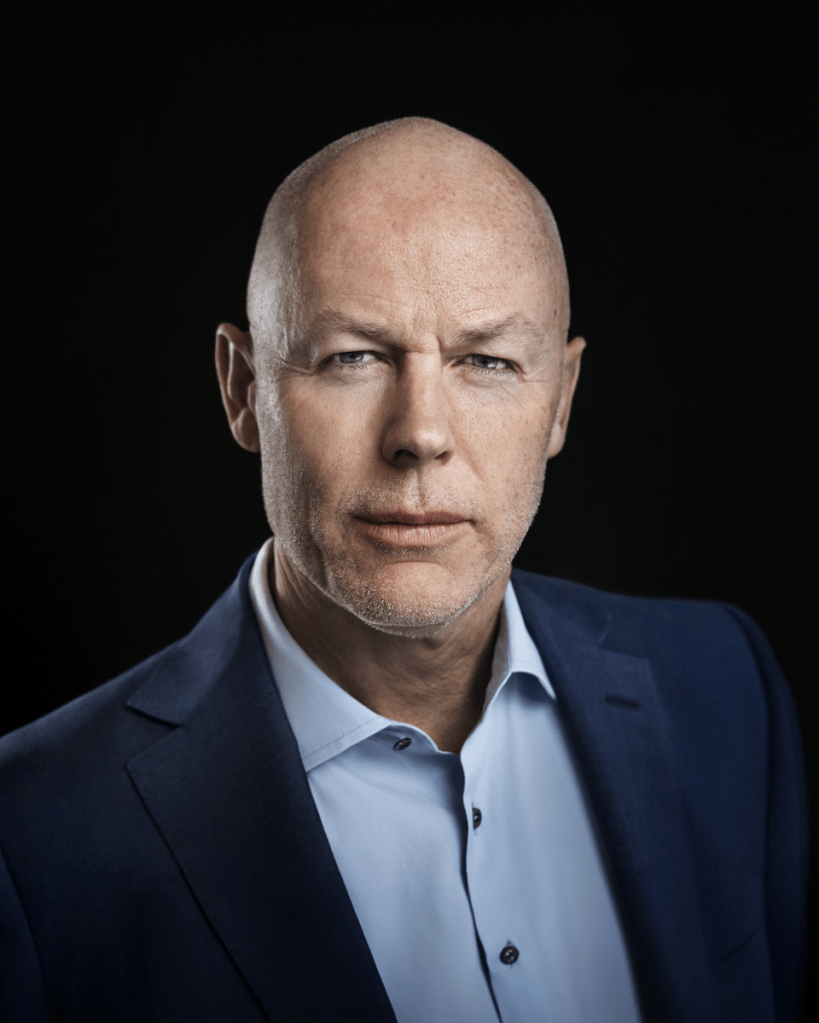
Three days later, though, they heard Washington was interested. But they still had to close them. Then they learned they’d been left off the agenda of the next board meeting because the Eurozone financial crisis was back. Stonepeak wasn’t going to survive long enough to make it to the following board meeting.
So, they hit the phones and hustled their way back on the agenda for one last swing.
Washington State came in with US$250 million, which triggered some other promises, and Stonepeak came to life with US$740 million at the first close in September 2012, rising to US$1.65 billion for the final close in 2013.
The investment pipeline was ready. “It was insanely, insanely busy,” says Vichie, who recalls a desal plant deal in California that fell over because lawyers had stuffed up the title documents. The deal was dead.
“I remember walking home on Christmas Eve, 2012. It was 6 pm, and I was really angry. I was like, ‘How the hell can this happen on this huge infrastructure deal? I'm not going to accept this.’ And so, I got in my kitchen and just started calling all the key players.
“I found the home number of the title company CEO. We needed to get a waiver from NRG [the power company]. So, David Crane [later US under-secretary for energy] was the CEO and he was on vacation on some Caribbean Island. I tracked him down and then got the Governor of California on the phone to put pressure on the title company. And it was at, like, one o'clock in the morning that everyone finally agreed to do it, and the deal went forward. But that thing was dead. Everyone had given up.”
They’d closed three investments within three months of getting the money.
Besides the pedigree of Macquarie, they also adopted the behaviours. Whereas a normal private equity investor might shoot for a 25% profit as the base case and 30c in the dollar as its worst-case scenario, Stonepeak would shoot for a 15% return with 100 cents in the dollar as the worst case. And by applying that hard-nosed, ego-free Blackstone approach, they have proved out those numbers over the ensuing 14 years, not having lost money, yet, on an investment.
They hired people from firms with investment cultures they admired. The path from Macquarie was well-worn as both founders stayed thick in the weeds.
Vichie remembers that around the time of the second raise [US$3.5 billion in 2016], he walked in the office to see a meeting underway. “I didn't know who it was or what it was about. That was the first time that had happened. And that was a surreal moment – the firm was taking on a life of its own.”
Suddenly, there were more people chasing them than they were chasing.
Stonepeak is still about four to five times smaller than Macquarie Asset Management, the world’s largest infrastructure investor. But the two dual-citizen founders owned most of it.
Then there was one
Vichie departed in 2021, and the company has continued to grow, closing its fourth fund in 2022 for US$14 billion and securing major investments [see below]. Dorrell declines to discuss what the balance of ownership was prior to Vichie’s departure.
Stonepeak expanded back to Australia in 2021, with Dorrell bringing on his former Macquarie colleague Darren Keogh to open a Sydney office and raise the company’s first Asia Infrastructure Fund. They’d known each other since the 90s, and Keogh had watched what Dorrell had done.
“He's an extremely deep thinker,” says Keogh. “He reads very widely on a lot of topics. Then, when he's focused on investing, he brings incredible intellectual rigour to all the decision making.”
In July 2023, Blue Owl Capital bought a 13.5% minority stake in Stonepeak for about $2 billion, implying a valuation of US$15 billion.
Stonepeak went into data centres early. And when asked what his worst investment has been, Dorrell nominates fibre cable. Much the same as the Victorian power stations of the 90s, what had looked like a natural monopoly had become a competitive commodity.
What he likes much more is the old telephone exchanges that have been converted into data centres. All the hyperscalers feed back through them to get their data out to the world. In 2017, Stonepeak bought Cologix, whose “carrier hotels” fill former telecom sites in places like Montreal, Toronto and Minneapolis.
Stonepeak’s Astound Broadband announced in March that it was merging with Google Fiber to become a majority-owned Stonepeak entity with Alphabet Inc keeping a minority share.
As the megatrends of digitalisation, decarbonisation and deglobalisation continue, McKinsey has estimated that US$106 trillion will need to be spent on infrastructure by 2040, compared with just US$1.5 trillion in private infrastructure assets currently under management.
You can see where this is going.
“I'm highly ambitious for the firm,” Dorrell says. “I think we've only just started. We've got the best staff on the planet. We've got unbelievable camaraderie amongst the team. A lot of that Macquarie entrepreneurialism is in the firm. A lot of that Blackstone investment culture is in the firm. It's a really powerful combination.”
But he wants to do all this without being noticed. His people asked that we not use a picture of his US$150 million mansion on a private island in Florida. He doesn’t give details of his private life, and you won’t find it on the net.
He tells the story of how Chicago stuffed up its privatisation plans in 2008 by allowing the buyer of its parking meters to jack up prices by $3 to $4 overnight. “If you do that, you'll create the commotion and noise that you don't want … you want to be in the background.”
The Exit
Dorrell says that Vichie left Stonepeak because his friend, an “entrepreneurial genius”, loved the start-up phase of business. “Once we'd gotten to escape velocity and we started to become a true institution, that's just not Trent's passion. He doesn't want to be like the CEO of an institution.”
Vichie, however, reveals a more personal version – a complicated divorce took him “out of commission” for a couple of years. “When you get involved with those things in private companies, it becomes really complex. I wouldn't recommend divorce to anybody in a private equity business.
“I was stepping back … I was a little bit paralysed, to be honest.”
Having exited Stonepeak with an undisclosed deal, Vichie set up a family office and got interested in renewable power. He founded EverWind Fuels in 2021 and, in May 2022, bought a port with huge fuel storage facilities in Nova Scotia, Canada, for US$80 million.
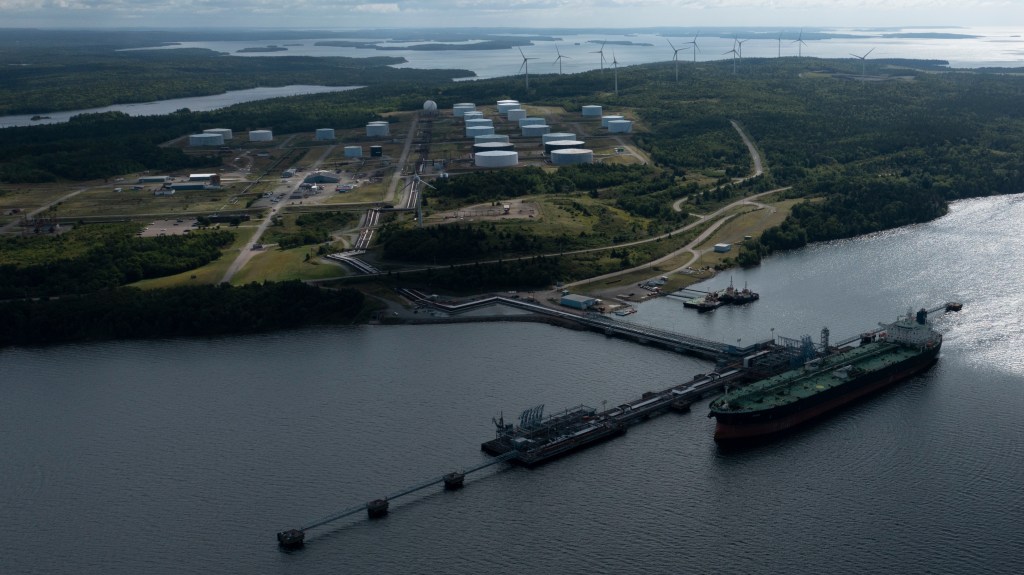
The plan is to build wind turbines to generate power, then build a plant to turn that electricity into hydrogen which can be stored and shipped from the terminal. He has permits to build 1.2 gigawatts of wind turbines and expects to produce his first electricity this year.
“Can't say more than that right now,” he tells Forbes Australia.
He’d funded it through his family office until March 2026 when he closed on US$175 million in non-equity financing from Nuveen, a company owned by TIAA – the fund that got Stonepeak started in 2011.
“The windfarms are about US$2 billion that we'll start building later this year. And then we'll be rolling out some more development on the site ... We've got US$7 billion to US$10 billion of assets that we're gonna build out,” Vichie says.
Gratitude permeates Vichie’s conversation. “For a kid from a small country town, like, I’m more than grateful for the incredible people and experiences I've had in life.
“There's times in your career where you're on top. There's other times where you're staring down everything going to hell. I had many of those moments with Mike, but it's having the resilience to go through that is what it takes. Mike's a hell of a guy. He's a true talent.”
Vichie has remarried to actress Shannon Dawson, daughter of actor Richard Dawson [Newkirk in Hogan’s Heroes and longtime host of US Family Feud] “I don't know what I did to deserve a life that's full of stuff like that. Stories and things happening around me, but I've been so blessed.”
Want to see more Forbes articles on your feed? Tap here to make Forbes Australia a preferred source on Google.
Look back on the week that was with hand-picked articles from Australia and around the world. Sign up to the Forbes Australia newsletter here or become a member here.