As the latest national data reveals Australians are now stationary for nearly 12 hours a day, the fitness industry is pivoting from high-performance hardware to social engineering. But can a $2,300 smart bike solve the “motivation gap” that sees half of all new exercisers quit within six months?
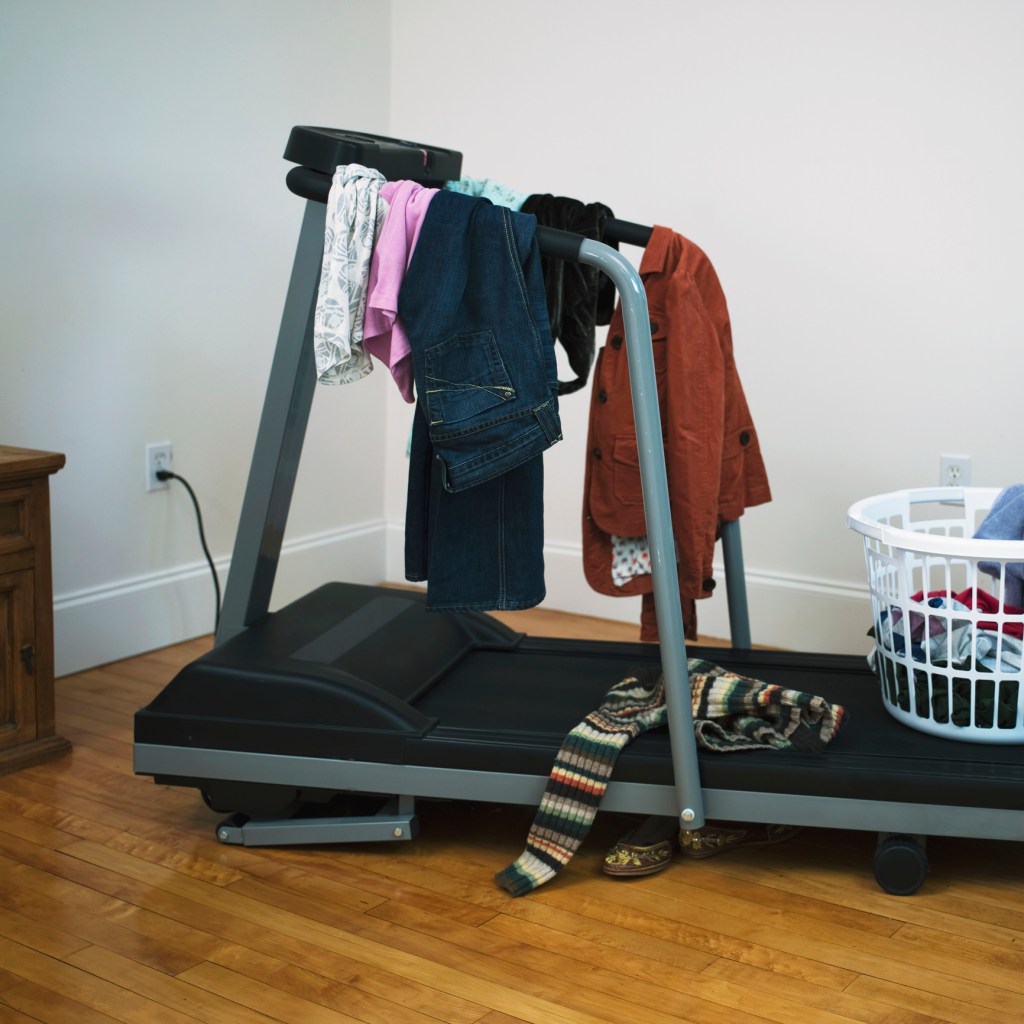
The average Australian adult is now stationary for nearly 12 hours every single day, the latest National Nutrition and Physical Activity Survey from the Australian Bureau of Statistics (ABS) shows.
While the health risks of inactivity are documented, the solution has historically been a revolving door: roughly 50 per cent of people who begin a new exercise regimen will abandon it within the first six months, according to longitudinal industry data.
The most common reasons people give for not exercising include lack of time, lack of social support, and issues with environment and access, according to research published in the Translational Journal of the American College of Sports Medicine. The same study found that most individuals drop out within the first six months of starting regular exercise.
It is into this graveyard of discarded treadmills and dusty stationary bikes that Eric Min, the co-founder and CEO of Zwift, is launching his latest hardware gamble.
Having commanded a reported valuation as high as $2.3 billion in September 2020 following a $615m Series C round led by KKR, Min is now under pressure to prove that virtual fitness isn’t just a pandemic-era relic.
“Before we launched the Zwift Ride, we came very close to launching a different smart bike, one aimed at the serious enthusiast,” Min says. “But over the last number of years, we’ve seen more beginner and recreational cyclists come to the platform. We realised we needed a product that would suit their needs.”
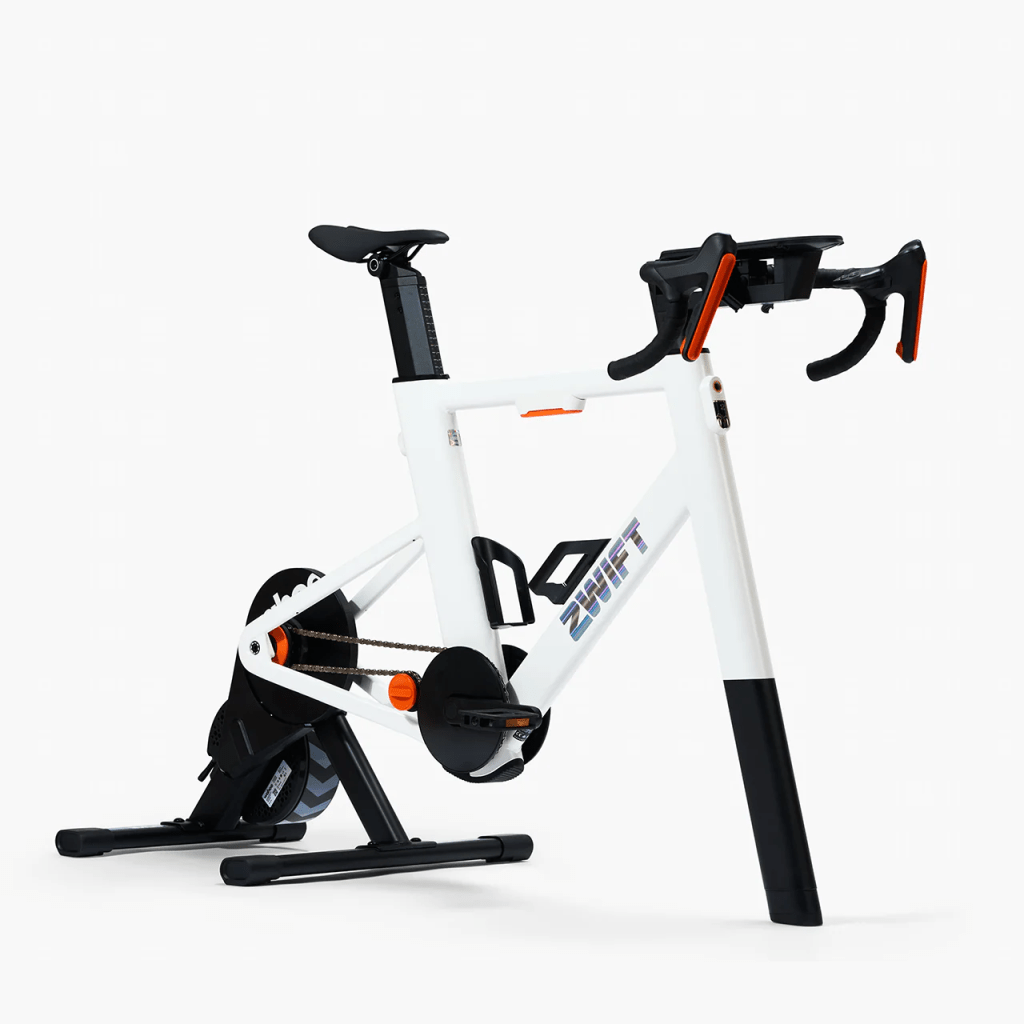
The pivot marks a shift in how the multi-billion dollar entity views the “casual” user.
With one million active subscribers and a peak concurrent user base that regularly tops 40,000 riders during the northern winter, Zwift is already a massive social network. But whether hardware, no matter how simple to assemble, can actually fix a motivation deficit is a more complicated question.
Min’s strategy relies on the “social layer” to do the heavy lifting that physical exertion alone cannot. He frames this as an “aha moment.”
“That moment could be finishing their first group ride, high-fiving another Zwifter on the side of the road, or setting a new personal best on a climb,” he explains. “The social connection users get from riding with people from all around the world is an incredibly powerful way to turn a new activity into a long-term habit.”
It is a theory that leans into the “gamification” of sweat, essentially betting that virtual community can act as a substitute for real-world accountability. Min is even pragmatic about the “distracted” athlete, acknowledging that many users now log on with a podcast in one ear or a work call in the other.
“The mission is to make more people, more active, more often,” he says. “If we can help them work out while multitasking, then we’re living the mission.”
There is a broader question of whether the “gamified” approach is a sustainable fix or just another high-tech distraction. Min points to a five-year horizon where AI-integrated training plans adapt in real-time to a user’s fatigue levels, and a heavy investment in the Tour de France Femmes to bridge the platform’s significant gender gap.
“That visibility is helping bring more women to the sport,” Min says. “It has quickly established itself as the biggest race in women’s cycling. There’s a long way for cycling to go but we need to be striving for parity and I believe this investment is essential if we are to get there.”
Want to see more Forbes articles on your feed? Tap here to make Forbes Australia a preferred source on Google.
Look back on the week that was with hand-picked articles from Australia and around the world. Sign up to the Forbes Australia newsletter here or become a member here.