While the AI race is fundamentally between the US and China – ranking number 1 and 2 in research – Australia sports the third highest density of AI PhDs globally. But a new study reveals that while we’re big on implementing AI, the trust is not there.
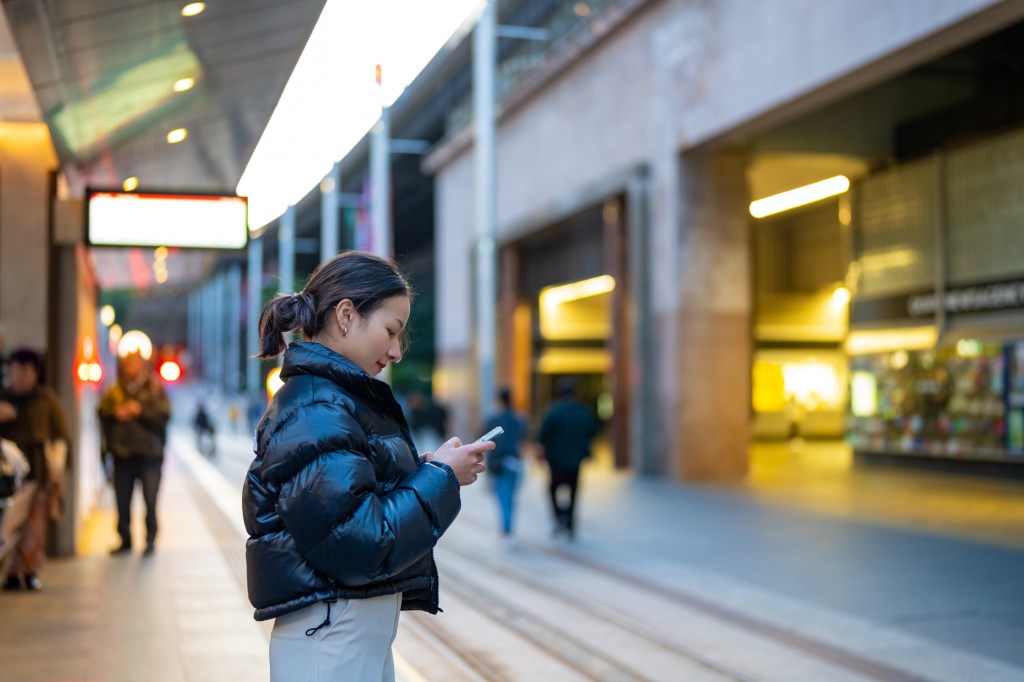
In 2026, the Australian consumer’s relationship with artificial intelligence is defined by significant use – and minimal trust.
Data from the recently released 2026 Stanford HAI AI Index Report reveals that while nearly half of the nation now utilises generative AI regularly, only 36 per cent say they actually trust the technology. Australians are the sixth most active, intentional users of AI globally, behind Singapore, India, the UAE, Indonesia and Thailand. Our usage grew 12 per cent year over year, the highest anywhere in the world.
And yet, just 36 per cent of Aussies trust AI, according to HAI’s global AI trust rankings. This discrepancy between usage and trust makes us the leading ‘sceptical adopters’ of AI globally.
It is a phenomenon that leading Australian academic Toby Walsh, a contributor to the HAI research, calls a bizarre paradox.
“We are using it to draft our emails, to code our startups, and to manage our schedules. But we are adopting the tools while remaining fundamentally sceptical of the systems,” Walsh said during a briefing at Canberra’s National Press Club.
Third highest concentration of AI PhDs
According to the research, we are third in the world when it comes to AI PhD density, behind the US and China. Half of those AI-focused doctorates were educated and trained here at home. Rather than focusing primarily on LLMs, as is the case for the majority of US AI PhDs, in Australia just 30 per cent of researchers are deployed to work on robotics in the field, in mining, or to advance computer vision. Instead, the vast majority are employed by the government or in academia.
Global priorities: AI innovation vs AI regulation, 2025
Source: Ipsos, Google 2026 | Chart: 2026 AI Index report
Global opinions about products and services using AI by country, 2025
Source: Ipsos, 2025 | Chart: 2026 AI Index report
Brain drain is also a significant problem. Researchers can earn 35 per cent more in Silicon Valley than they can in Melbourne or Sydney.
"We cannot merely be importers and consumers of AI," says Walsh.
"If we do not move past this period of sceptical adoption we will simply see the nation rent the platforms, import the intelligence and export the profits."
Toby Walsh
The answer, the UNSW engineer and computer scientist says, is for the nation to invest more into founders, workers and "designing, deploying and leading AI." Singapore, he noted, has invested 15 times what Australia has in AI.
Another dimension of the 2026 AI Index report, relates to the 'built world.'
Australia has 268 data centres and is positioning itself as a regional Indo-Pacific hub. The USA has more than 4,000 data centres as of this year, followed by the UK, Germany, and China. Australia ranks eighth in the world, and is followed by Japan.
Stanford compiles University of Queensland AI research
The global HAI research draws on studies that KPMG and the University of Queensland completed on Australian attitudes to the technology. Much of the public sentiment revealed in that research is negative.
Australians ranked the benefits of AI lower than any other country. Eighty-one per cent of Australians state they are concerned about AI risks, ranging from cybersecurity to job loss and automation. Only 44 per cent of people currently believe the benefits of AI outweigh the risks.
Opinions about AI by country (% agreeing with statement), 2025
Source: Ipsos, 2025 | Chart: 2026 AI Index report
Want to see more Forbes articles on your feed? Tap here to make Forbes Australia a preferred source on Google.
Look back on the week that was with hand-picked articles from Australia and around the world. Sign up to the Forbes Australia newsletter here or become a member here.