From an avant-garde firm known for its footwear collabs to brands that cut garments in the spirit of ‘slow food’, these homegrown designers are making the case for advance(d) Australia flair.
Since the beginning of the 2020s, it has become apparent that Australian fashion is well on its way to becoming a multi-billion-dollar industry. Overseas, top womenswear talents are building a pretty credible image of design that articulates the national self-image – often, as in the case of Zimmermann, with spectacularly profitable results.
This archetype of Aussie style – rugged, laidback, grounded in much bucolic optimism – is certainly not the exclusive domain of women’s fashion designers. If anything, the rising tide of Australian fashion, writ large, has helped usher in a small renaissance of exciting menswear labels. One cannot thrive, after all, on a mere diet of footy shorts and Drizabones.
Below, Forbes Life rattles off a few of our favourite menswear brands in 2026. Some are newcomers, others old favourites – each with its own story to tell about where Antipodean men’s style is heading.
Christian Kimber
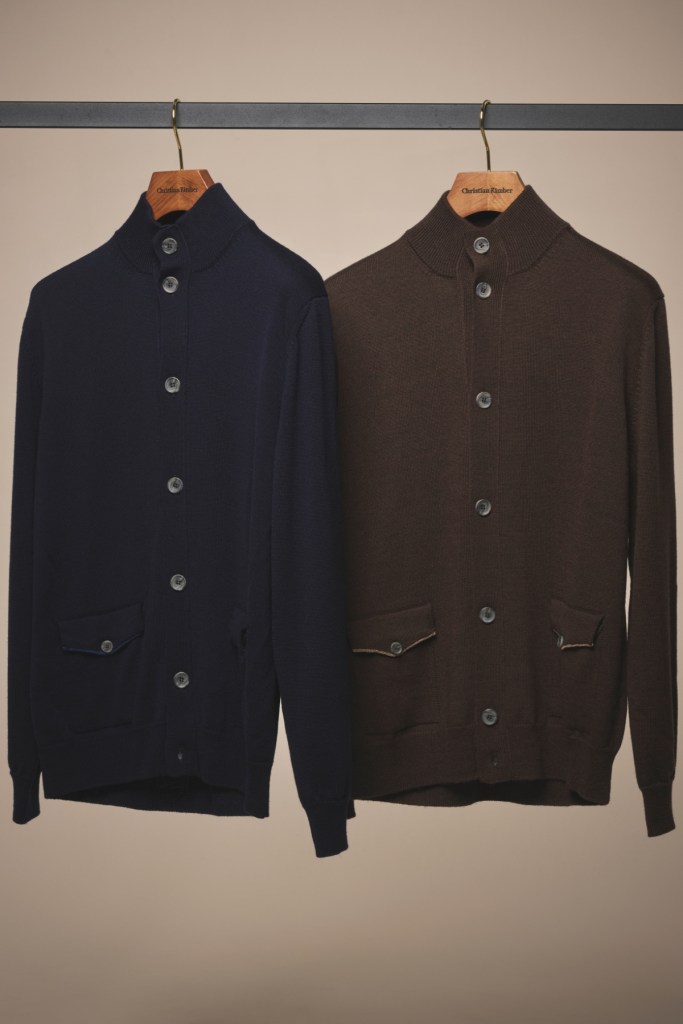
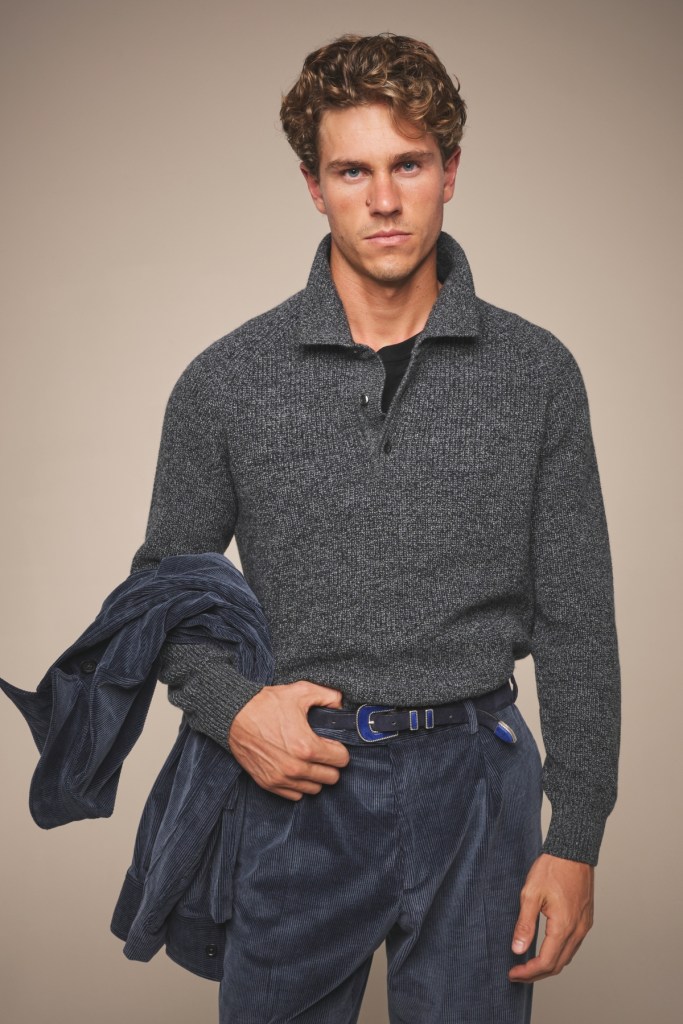
In A Nutshell: Cosy, sophisticated staples made with a refreshingly anti-fashion approach
Who’s This For? Well-heeled Melburnian types, splitting their time between Prahran and the Peninsula
Signature Pieces: ‘Fitzroy’ chore jacket ($1,100), ‘Otway’ knit polo ($465)
In the decade-plus time that it’s been operational, Christian Kimber has become one of the great homegrown success stories of the Australian men’s fashion industry. In 2018, the brand’s eponymous English designer launched his first comprehensive ready-to-wear collection; and has worked tirelessly since then to synthesise a vision of style that is equally well-suited to Australia’s plethora of coastal and countryside climes.
In broad strokes, the aesthetic is what we’d refer to – with the highest possible compliments – as ‘anti-fashion’. Pieces are made in a combination of Portuguese and Italian factories, often in slightly faded, washed tonalities that echo Kimber’s own preference for “clothes [that] actually live” with the wearer.
Celeb style spotters are doubtless already familiar with the brand: owing to its popularity among a certain set of leading male actors (Glenn Powell and Lewis Pullman among them).
Lè Baus
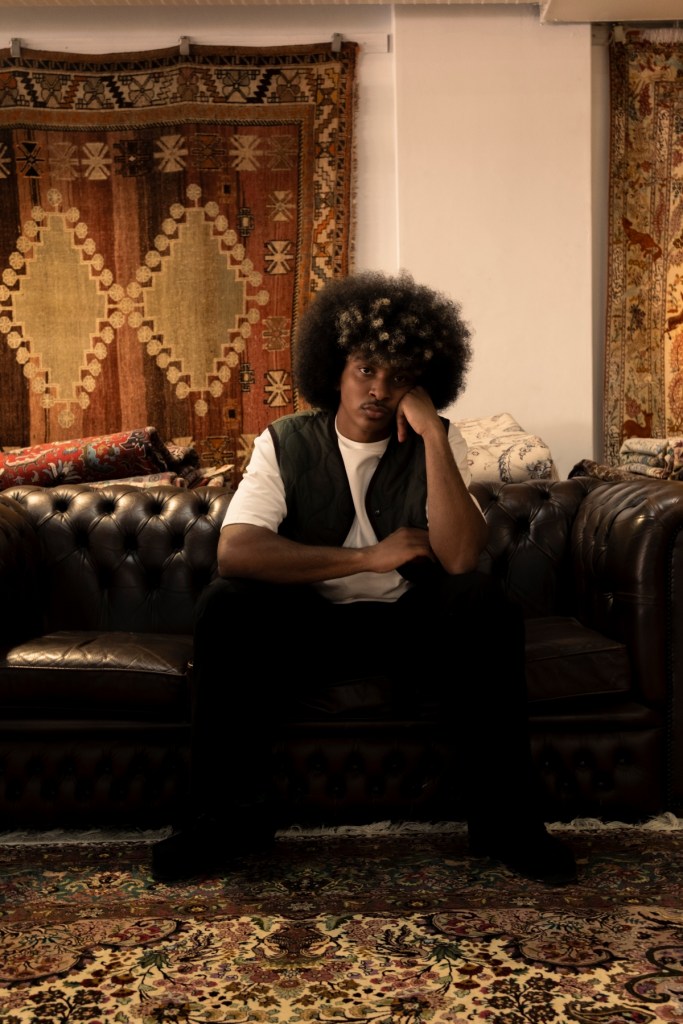
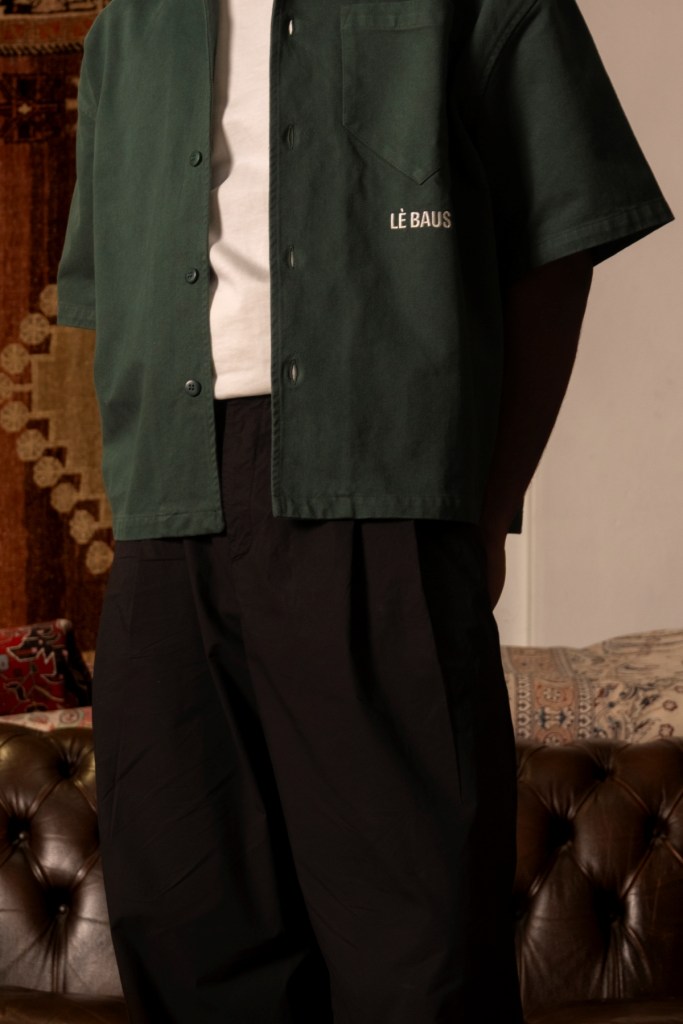
In A Nutshell: Commendable, well-priced casualwear – designed with just the right amount of ‘fashion dirtbag’ energy
Who’s This For? Men who relish an opportunity to combine sportswear and sartorial influences
Signature Pieces: Oversized Crop Jacket ($450), 5-Panel Cap ($70)
After stints at Tom Ford and national custom suiting firm Oscar Hunt, Bayan Fanaeyan made the call to start his own men’s retailer – the memorably named Lè Baus. The label takes its moniker, somewhat drolly, from the Farsi word for clothing (labas) and alludes to Fanaeyan’s own Persian-Australian heritage, a theme that is further unpacked in the form of various easter eggs dotted across the Lè Baus Paddington concept store.
Fanaeyan’s physical fit-out has already become an attraction unto itself for shoppers in Eastern Sydney, but the brand’s designers should also be given credit for their commitment to clothing that a vast cross-section of Australian men will actually want to wear.
Lè Baus’ latest capsule (accompanied by a campaign entitled Rhythm) adds lightweight outerwear to the mix: including two shell-style layers designed by Fanaeyan for the Australian eastern seaboard’s famous mixed, fickle climes. Wear them with the brand’s existing selection of popovers, dad caps, and generously cut coach jackets – the label’s priciest offering ($450) at time of writing.
Song for the Mute
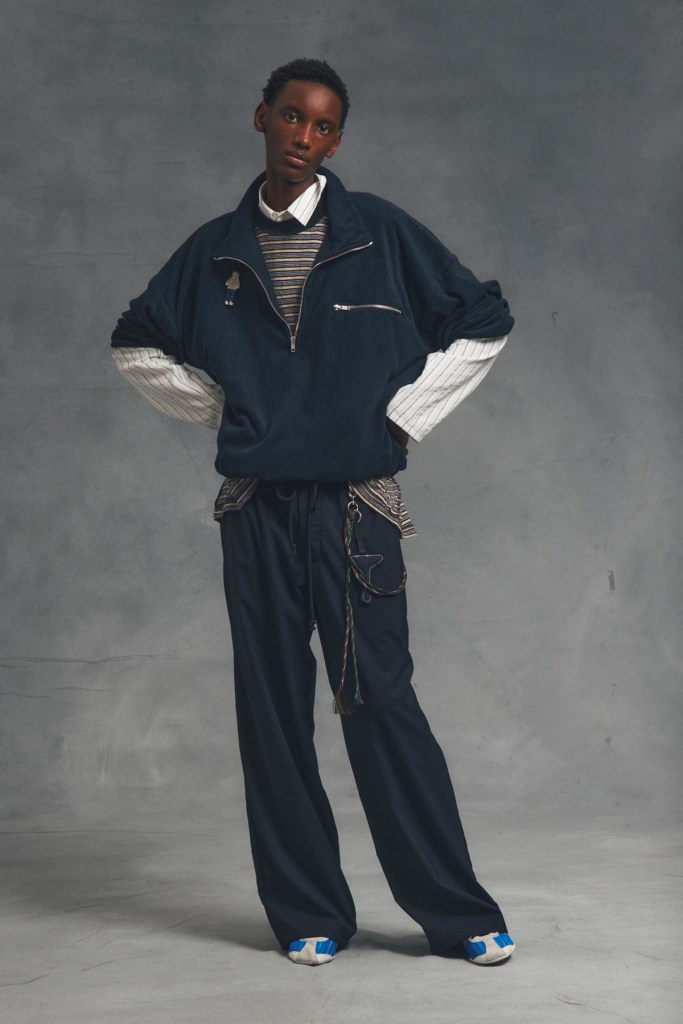
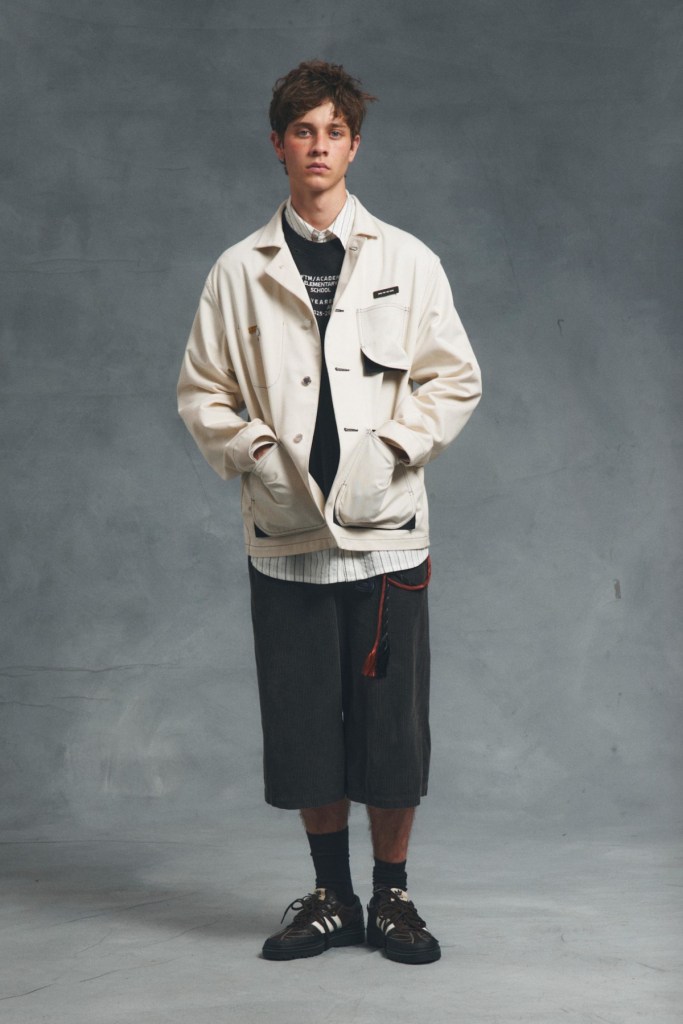
In A Nutshell: Clothes you think you know, reimagined in edgy fabrics and made with experimental processes
Who’s This For? Clubland kids, A&R execs, content creators making $10,000 per post
Signature Pieces: Adirun01 ‘Supernova’ sneakers ($260), ‘Singing Bird’ trackpants ($745)
Looking back on the decade and a half that Song for the Mute (often stylised as ‘SFTM’) has been in business, it’s crazy to think that the brand’s skyward trajectory started with a simple graphic tee.
Since then, the firm co-founded by Lyna Ty and Melvin Tanaya has gone on to global recognition – minting not one, but multiple capsules co-designed by footwear giant Adidas, along with a new Birkenstock partnership. Not bad for a couple of Asian-Australian scene kids.
While not strictly a men’s fashion brand, menswear has always been at the core of each new SFTM collection. Outerwear is a particularly strong category for the brand, with most styles manufactured in Australia using the best possible Japanese fabrics.
For Spring 2026, Tanaya and Ty decoded the well-trod concept of the elementary school yearbook: reimagining a plethora of sports apparel and uniform-type clothing through their own bombed-out, enjoyably gritty lens.
P Johnson
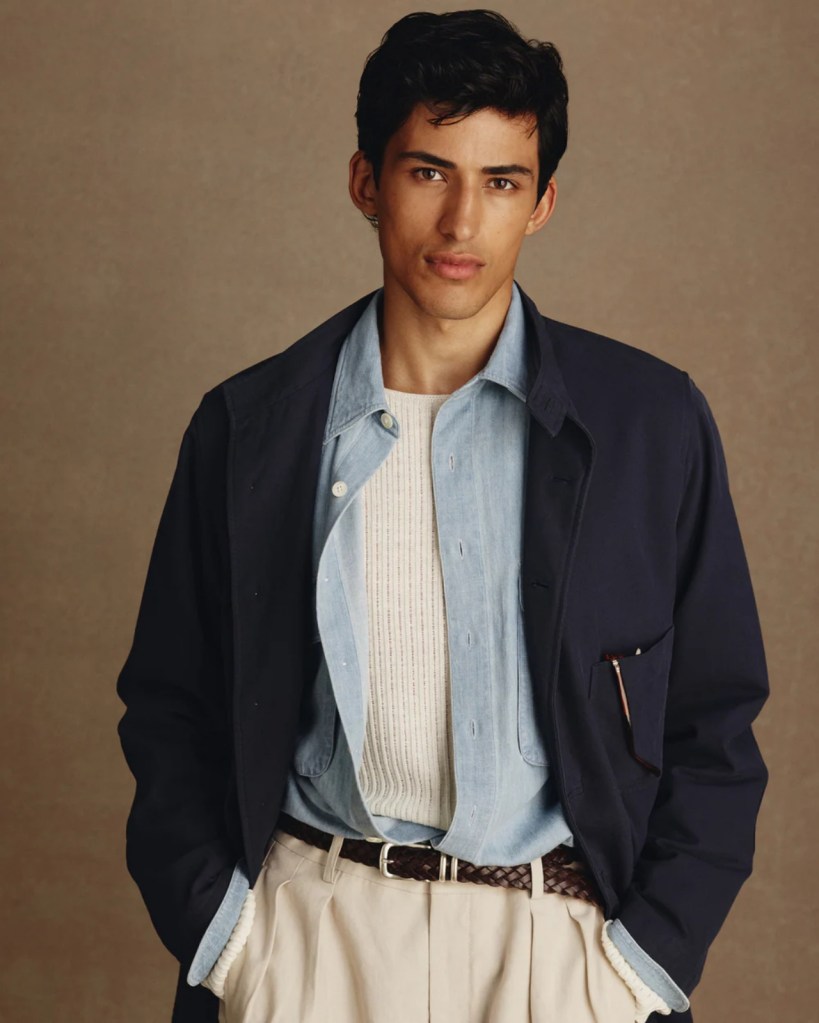
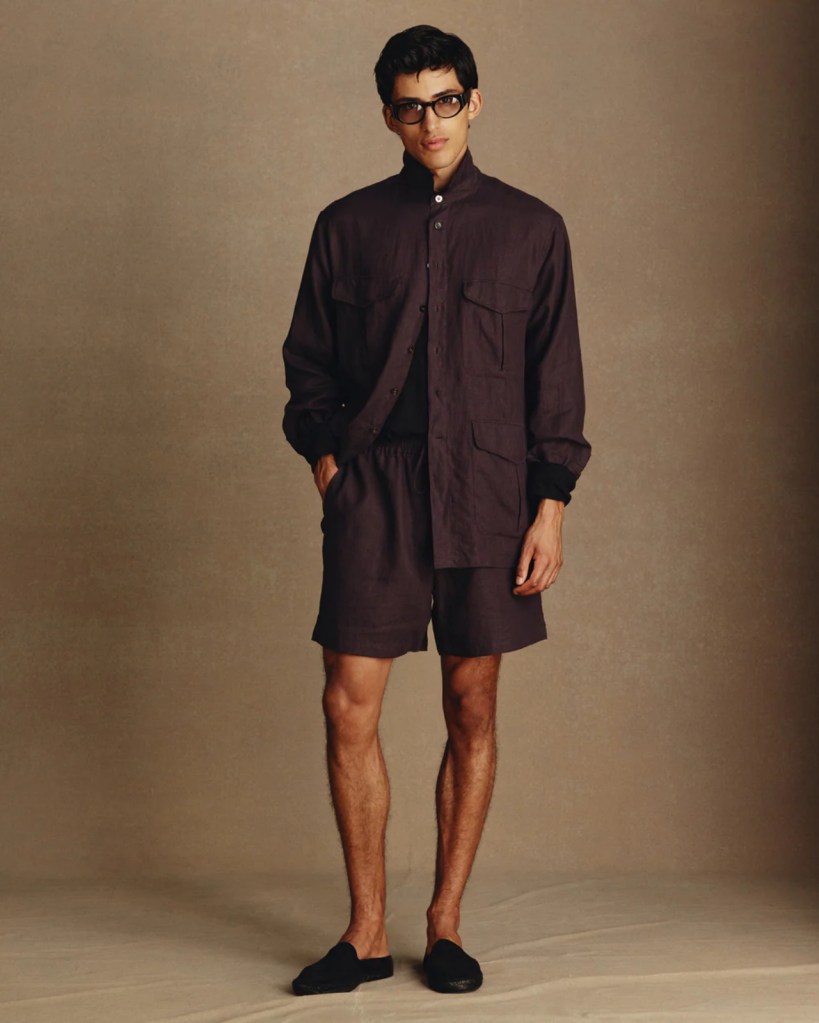
In A Nutshell: Classic, Euro-inspired tailoring through a distinctly Antipodean lens
Who’s This For? Men who keep moodboards of old Giorgio Armani and Ralph Lauren shows
Signature Pieces: ‘RD’ jacket ($1,395), ‘Tony’ jeans ($495)
No list of the most influential Australian menswear brands could manage the absence of P Johnson – named for the eponymous founder, designer, and raconteur Patrick Johnson. Originally a winemaker by trade, Johnson (along with Melbourne-based co-founder Tom Riley) was among the first Australian menswear designers to cut through the international zeitgeist.
In the 2010s, the brand staged whimsical, art-directed lookbooks for what was – at the time – mostly a custom suiting business. Since then, the business has grown at an impressively steady clip, with stores in New York, Jakarta, London and, of course, across Australia’s eastern seaboard.
P Johnson’s success can be chalked up to its vaguely ‘slow food’ approach to all aspects of classic men’s style. Whether you’re in Mayfair or Paddington, each one of the brand’s storefronts is an enjoyable place to park your keister: imbued with oodles of character by Tasmin Johnson, Patrick’s partner and interiors majordomo.
Similarly, the evolution of Johnson’s house style is an echo of eclectic sensibilities. Palettes and proportions are tweaked gently every season, so that most of the off-the-rack product remains wearable in the long run; though armchair experts will surely point to the influence of designers like Ralph Lauren and Giorgio Armani.
The latter comparison feels particularly apt in the case of P Johnson’s new winter collection, which is dense with the kind of olive twills, dark silks, and chocolatey leather fabrics that Italy’s king of menswear embraced many times over the course of his career.
Shifumi
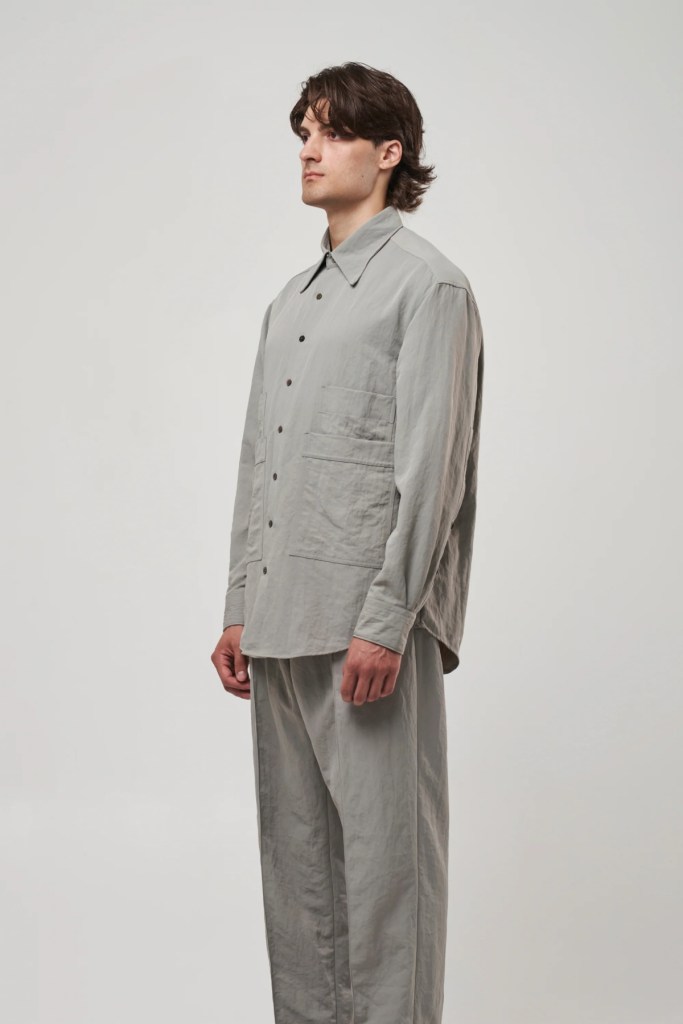
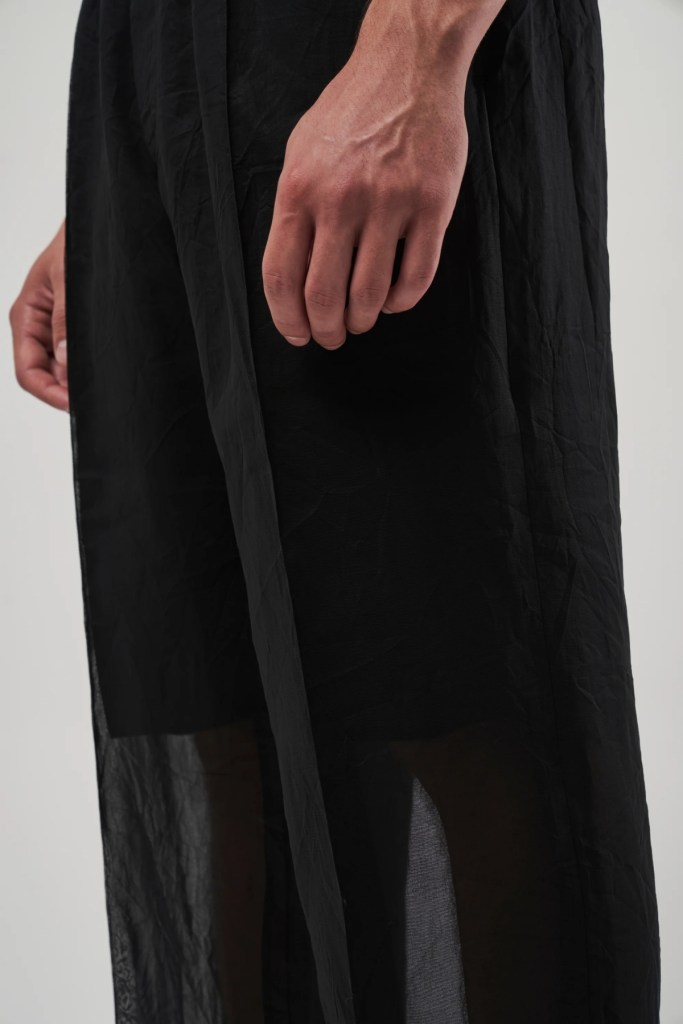
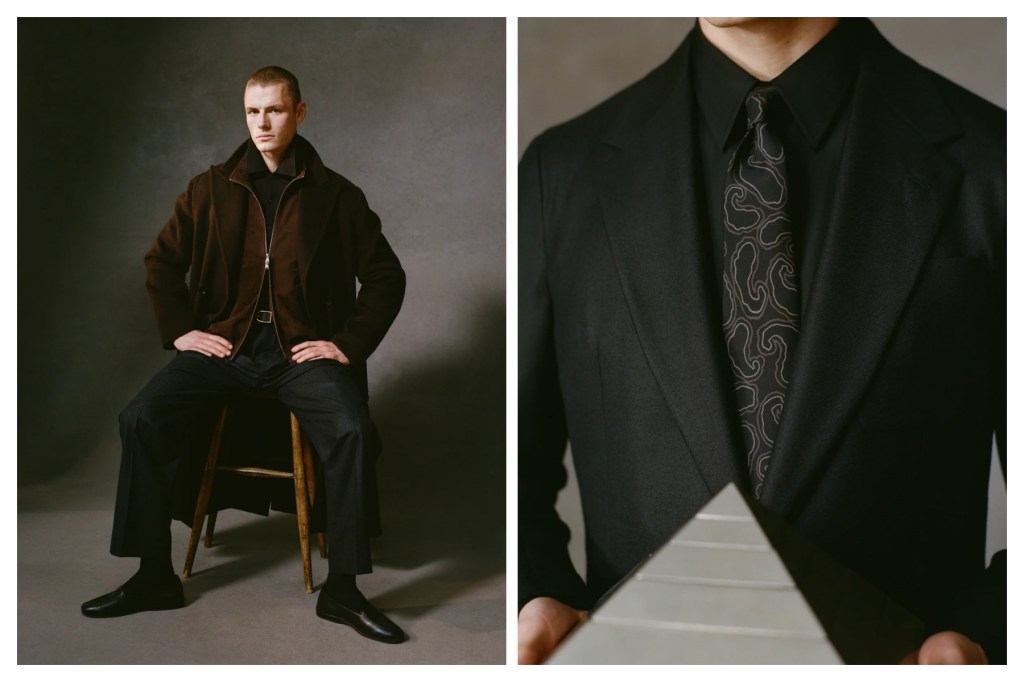
In A Nutshell: Architectural, monochrome designs from the same team behind Mawson Óssa
Who’s This For? Japanese design obsessives, that one friend who’s really into tabi boots
Signature Pieces: Open-weave voile overshirt ($525), Gendai ‘typewriter’ trouser ($385)
Quietly launched in 2025 as a companion piece to the Sydney tailoring house Mawson Óssa, Shifumi makes menswear you’d expect to see on the person of Kengo Kuma (or, failing that, the sort of creative professionals who look to his architecture for aesthetic inspiration).
Silhouettes are simple, and the colour range is austere. Informed by his work with Mawson Óssa, co-founder Grant Streater has opted for a tight edit online of trousers, buttondowns, overshirts and the occasional bit of outerwear.
Every piece works well interchangeably, and is cut to emphasise the inherent interest of Streater’s choice in fabrics: think steamy cotton voiles, or recycled nylons with a dry, distressed, slightly crepe-like finish, all sourced from Japan.
Want to see more Forbes articles on your feed? Tap here to make Forbes Australia a preferred source on Google.
Look back on the week that was with hand-picked articles from Australia and around the world. Sign up to the Forbes Australia newsletter here or become a member here.