Treasurer Jim Chalmers handed down his fifth budget on Tuesday night, promising to tackle the housing crisis and rebalance a tax system he says has left younger Australians behind. Headlined by a controversial overhaul of Capital Gains Tax and negative gearing, here is what the 2026 Budget means for you.
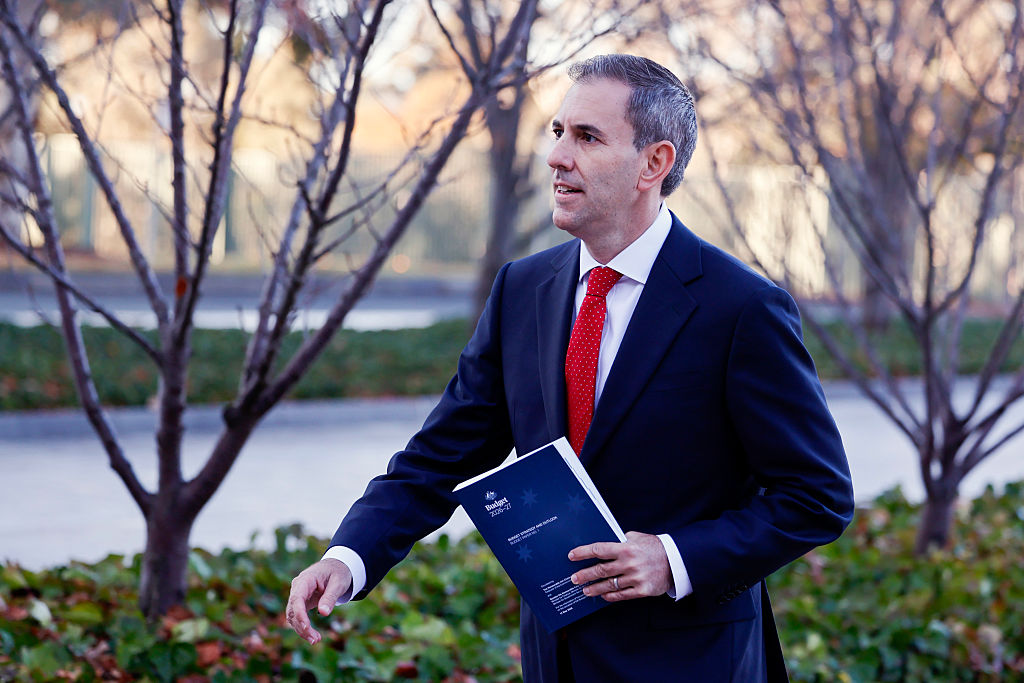
“This is the most important and ambitious budget in decade” Treasurer Jim Chalmers declared the dispatch box Tuesday as he opened his fifth budget.
Pledging to tackle the “intergenerational inequities” harming Australian economy and undermining social cohesion, Tuesday night’s budget came with big promises.
But it was also handed down amidst the most complex set of economic circumstances an Australian government has faced since COVID, with households navigating ongoing inflationary pressures, and the unresolved conflict in Iran leading to anticipated high fuel costs for the foreseeable future.
Over the forward estimates, the government’s annual deficit will not fall under $30 billion, with debt climbing to over $1.1 trillion by 2027/8.
But facing a growing housing crisis, increasing wealth inequality, the rise of populism and with a thumping 94 seats in the House of Representatives, the government gambled that Tuesday night that this may be their best chance this term to offer something bold, and to win over a public increasingly feeling disenfranchised by the status quo.
Winners
Housing at the heart of a ‘reform, resilience and relief’ budget
The central pillar of the budget were politically risky plans on housing, headlined by significant reforms to tax system.
The 50 per cent CGT discount, a simplified tool to accounts for asset inflation when taxing a capital gain, will revert to an inflation-adjusted measure, with a 30 per cent minimum tax on capital gains income established.
Negative gearing concessions – the tax discount property owners’ can claim against other earned income from losses on rental properties, among other investments – will be restricted to new builds only from July 2027.
The government recons it can both address inequities, while encouraging ‘mum and dad’ investors to invest in new houses rather than established dwellings, helping 75,000 first home buyers enter the market over the next decade.
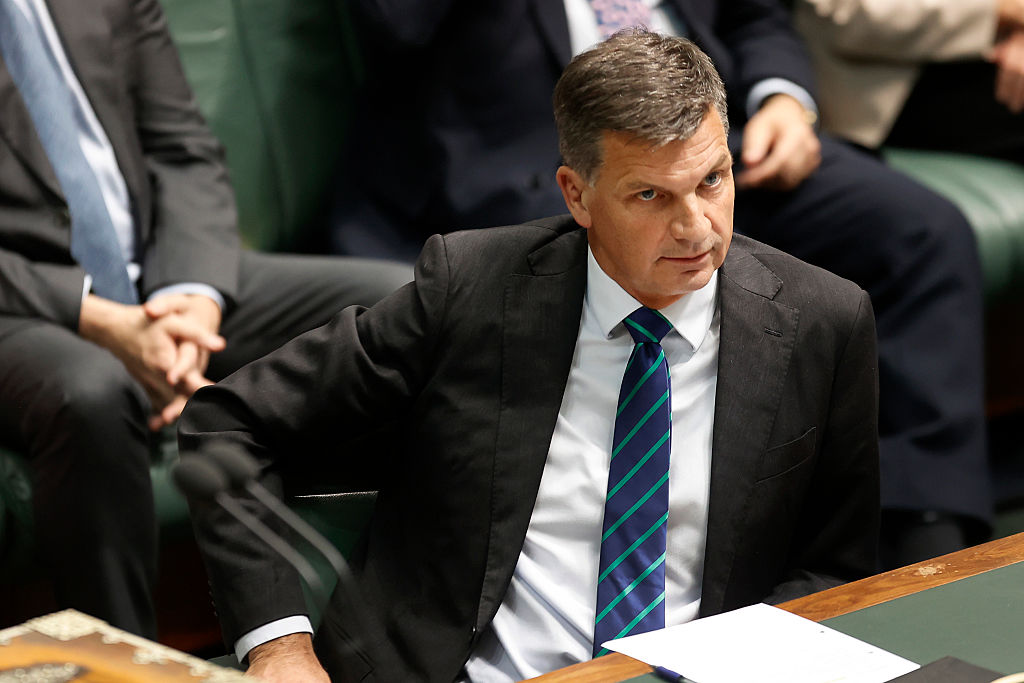
The policy echoes that taken by Labor, under former leader Bill Shorten, to the 2016 and 2019 election. Ryan Liddell, Managing Partner at Principle Advisory, served as Shorten’s Chief of Staff during that period and was an architect of that policy
“The world’s changed a lot since some of the policies announced tonight were mooted by Labor. There is a newer, clear desire in the electorate for a fairer deal for young people – not just from them, but from their parents and grandparents too.”, he said.
From 1 July 2027, only newly built houses will carry negative gearing concessions, allowing their losses to be deducted from other income.
The current 50 per cent discount will continue for another 12 months.
The housing package, while dominated by the tax changes, also saw a $2bn investment in underlying infrastructure to unlock supply, and more support for youth homelessness.
However the CGT changes announced were not isolated to housing, and will impact all asset classes.
This week, vocal criticisms from the start-up sector were made, with fears the changes could impose increase tax rates on the sale high-growth ventures, curtailing investment.
David Hughes, Executive Director of Liberal-aligned think tank the Menzies Research Institute, echoes these concerns.
“If Labor wants to increase CGT, it should take that policy to an election, he said. “If it does, it should expect a serious campaign from business owners, farmers, investors and start-ups who are deeply concerned about the impact on investment and risk-taking.”
Losers
Budget measures reveal scale of government’s ambitions
Beyond the headline changes to housing, the key narratives of this year’s budget were on national resilience, and ‘tilting’ the budget tax system towards younger Australians.
There was a $14.8 billion investment in national fuel resilience comes after the disruption of the Iran War.
A new $250 ‘Working Australians Tax Offset’, or WATO, was announced. The modest tax cut for those earning money through labour, not the proceeds of capital like dividends, signals the government’s ambition to reshape Australia’s tax code to benefit working Australians over investors.
A new minimum 30 per cent tax on income derived from trusts, and the establishment of a $1000 instant tax dedication, making filing tax returns easier, and the making permanent of the $20,000 ‘instant asset write off’ for small businesses rounded out the other major tax changes.
There were continued investments in domestic manufacturing, signalling a more interventionist industry policy by the government. The establishment of a Domestic Gas Reservation Scheme, designed to keep more gas onshore in Australia and lower energy costs, especially for industry.
Fiscal pressure informs major cuts
But given the fiscal constraints and rising debt, the budget also baked in significant spending cuts, which the Treasurer argued were the largest in a decade.
The biggest reductions have been in the NDIS, with $22 billion reduced over the forward estimates, and the mammoth Inland Rail project, with $40 billion saved.
Typically, most elements of the budgets are administrative and require little new legislation.
But given the scope of Tuesday night’s budget, many measures, including the changes to tax, will need to pass the Senate.
This means some of the measures announced aren’t certain to see the light of day, and will be subject to negotiation with minor parties or the Opposition.
Despite the difficult path ahead, Ryan Liddell believes that the government didn’t have a choice but to go large this budget.
“It’s clear they’ve done the calculation that the political risk of doing nothing or going small was much greater than going big and fighting the case for reforms.”
Want to see more Forbes articles on your feed? Tap here to make Forbes Australia a preferred source on Google.
Look back on the week that was with hand-picked articles from Australia and around the world. Sign up to the Forbes Australia newsletter here or become a member here.