
The world’s most formidable culinary authority is finally coming Down Under, but after a widely reported $40 million false start, the Michelin Man’s first stop is bound to ruffle some feathers.
The assumption within industry circles was always that if the “Tyre Man” ever agreed to navigate the long-haul flight to the Antipodes, he would naturally land in a city with a harbor view or a high-density obsession with latte art and deconstructed brunch. Instead, Michelin has bypassed the vanity of the Eastern Seaboard and planted its first flag in South Australia.
Of course, none of this comes free. The South Australian Government has paid an undisclosed sum to bring Michelin to Adelaide for its Australian debut. The exact figure remains confidential, though New Zealand’s multi-million-dollar first-year agreement suggests these stars do not come cheap.
The local deal – which comes less than two years after Tourism Australia reportedly knocked back a $40 million five-year national proposal – is the latest coup for SA Premier Peter Malinauskas, whose major events strategy has secured AFL Gather Round, LIV Golf and the MotoGP Grand Prix to the state.
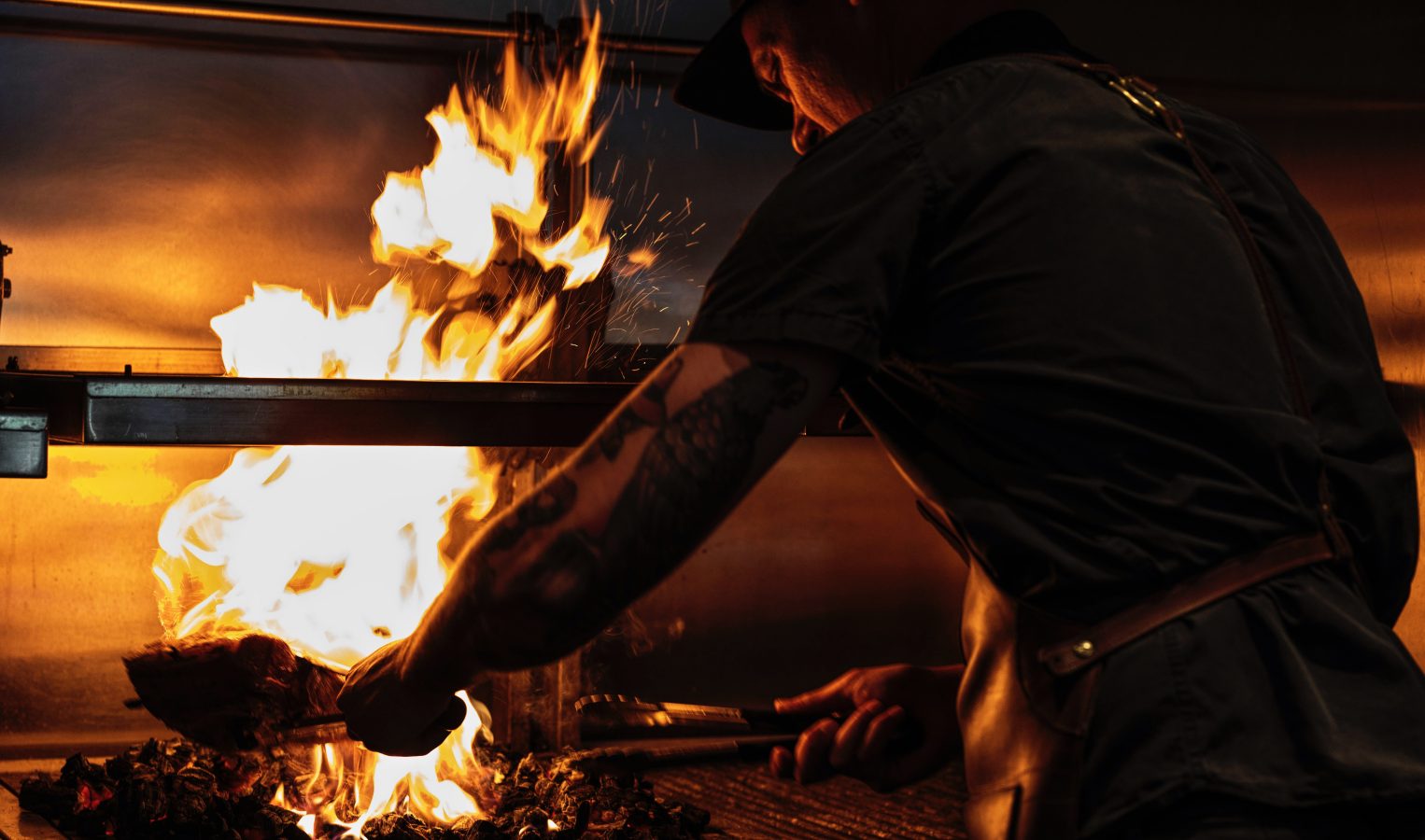
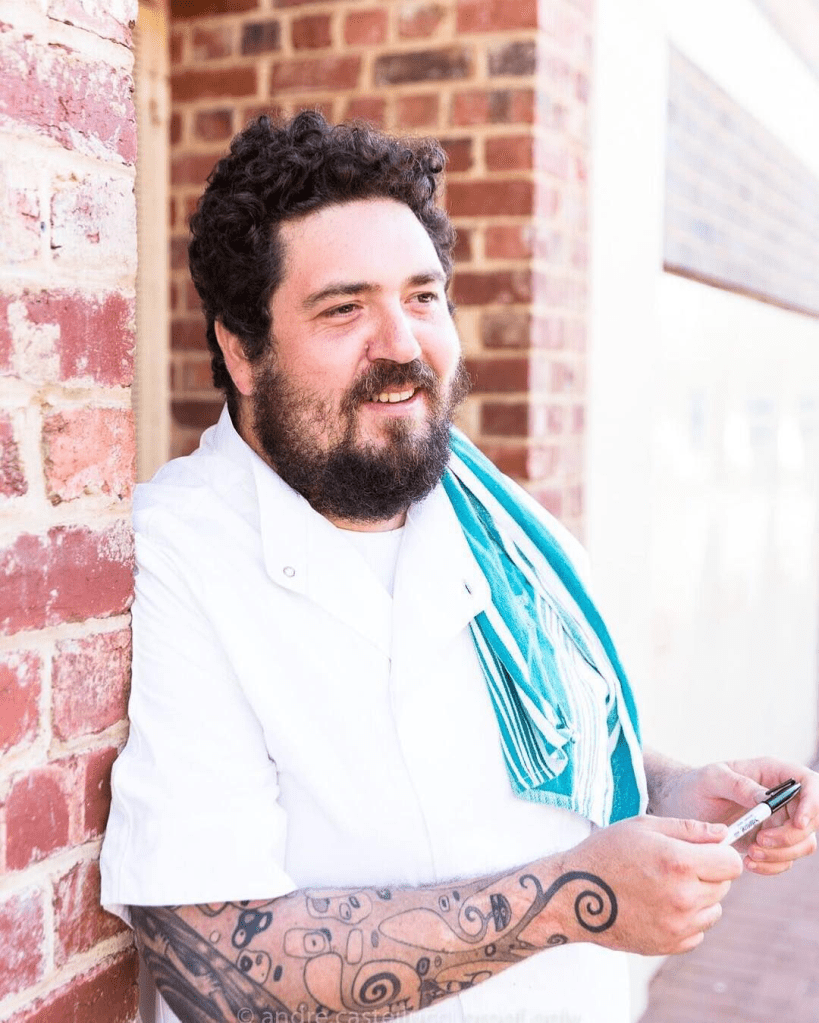
For Duncan Welgemoed – the chef behind the fire-licked Africola and a curator for Tasting Australia – the announcement is a long-overdue validation for both the country and his often “overlooked” colleagues in Adelaide’s CBD, adding SA has for too long been viewed as the “drunken uncle” of the Australian culinary family.
“I know it’s going to be frustrating for people interstate,” Welgemoed tells Forbes Australia, “I’m really hoping that this is an opportunity for Michelin to branch out into other states… But this really highlights what is so great about the food and culture in Adelaide and South Australia.”
While the Good Food Guide and its hat system have served as the local benchmark since The Age launched it in 1979 – with the Sydney Morning Herald following in 1984 – the reach has always been fragmented. The ‘national’ conversation was frequently just a dialogue between Sydney and Melbourne, and South Australia lost its national Good Food Guide coverage entirely during the pandemic, when the guide consolidated back to NSW and Victoria.
For Welgemoed, the arrival of Michelin changes the vocabulary entirely.
“The thing is Australia doesn’t have any award systems that are benchmarked against what the world does,” he says. “For us, being recognised by Michelin is really significant to our hospitality community.”
“You’ve also got the brain drain that we’ve been facing in South Australia for 20 years – talent leaving our state for better opportunities. All of a sudden, people will start to stay, train and invest in our state.”
The amount of young hospitality professionals just today that have come out just almost in tears because what this does for them is so profound. It’s really difficult for me to convey the number of chefs who have been waiting for this.
Duncan Welgemoed
Chef and Owner, Africola
Michelin’s global gatekeeper
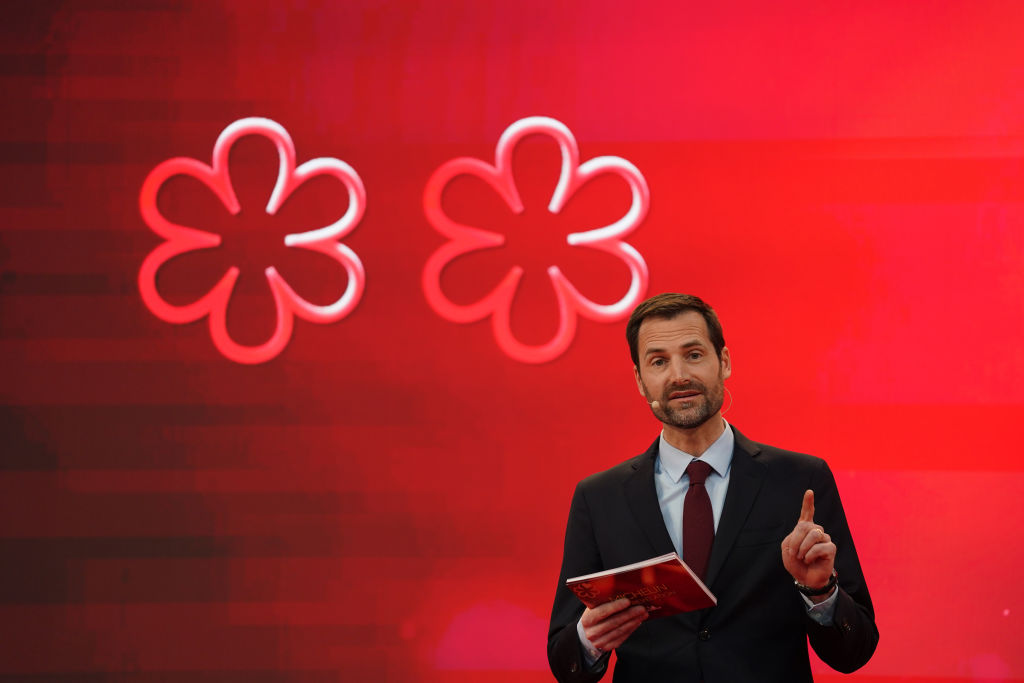
Gwendal Poullennec is the man who holds the keys to the most powerful brand in global dining.
As Global Director of the Michelin Guides, he is the executive architect responsible for an empire that spans 60 destinations, recommends more than 17,000 restaurants and 7,000 hotels, and publishes its content for free across 27 languages.
Under his watch, the Guide has expanded from the high-gloss kitchens of Paris to the street food stalls of Bangkok – and now, Adelaide.
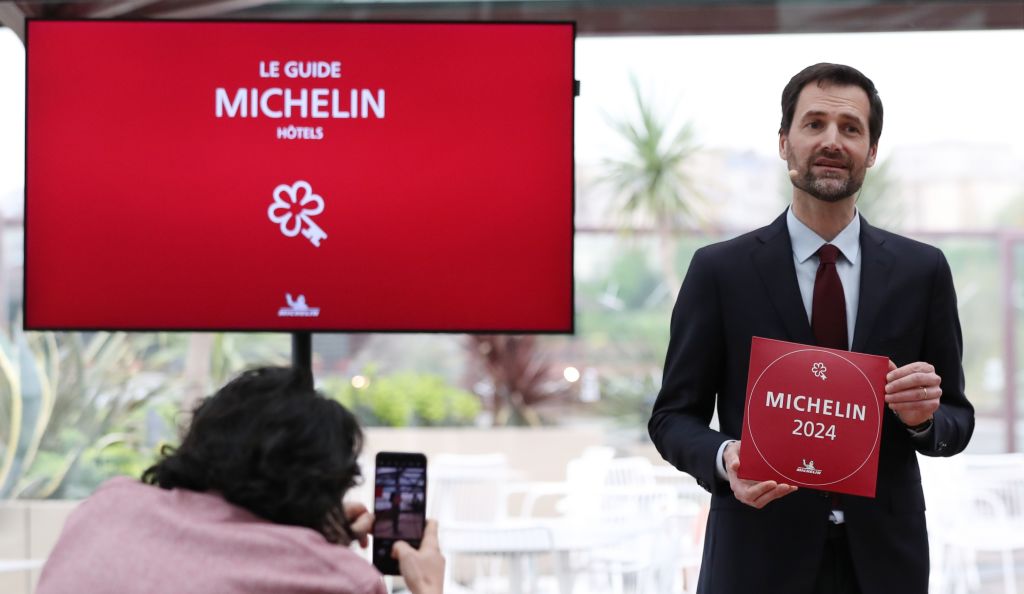
He also knows exactly how to handle the “Sydney question.” When asked why Michelin is launching in SA after the reported $40 million national deal with Tourism Australia fell through, he pivots with the subtlety of a career diplomat.
“Meaningful partnerships with destination marketing authorities are a key amplification factor,” he tells Forbes Australia.
“The strength of its [South Australia] identity lies in the freedom chefs enjoy defining their own voice, guided by outstanding produce, a strong relationship to the land and a confident openness to global influences.”
Either way, the state’s gamble is backed by cold, hard data.
According to EY’s 2025 Beyond the Michelin Stars study, the Guide is the ultimate conversion tool for the high-net-worth traveller – 74 per cent of global travellers consider the presence of the Guide a decisive factor when choosing a destination, and 76 per cent will extend their stay in a city specifically to eat at a restaurant it has recognised.
Beyond the balance sheet, Poullennec’s focus for South Australia is on what he calls “relaxed refinement.”
He noted that his inspectors were particularly struck by a “sense of liberty” in local kitchens, where the service is chatty and laid back but remains sophisticated and highly professional. He highlighted that the region offers “exceptional value for money” relative to the quality of the produce, which suggests the inaugural selection in October 2026 could be heavy on Bib Gourmands.
While he refused to name any favourites ahead of the October reveal, he emphasised that a star in Adelaide will carry the exact same prestige as one in Tokyo or Paris because the universal methodology remains uncompromising.
As for the chefs in the Eastern States feeling overlooked, Poullennec was clear: this is a gradual, state-by-state rollout.
Michelin Guide: By The Numbers
- 74% of international travellers choose destinations based on the Michelin Guide.
- 76% of travellers will extend their stay to dine at a Michelin-recommended restaurant.
- 60% of under-34 international travellers use the Guide to choose where they eat.
- 82% of chefs in Michelin-awarded territories see an immediate increase in turnover.
- 62 million annual visitors to the Michelin Guide website.
The anatomy of a star
While many Australians are familiar with Good Food’s “hat” system, the Michelin Guide operates on a global rubric that is famously rigid and guarded by a legion of anonymous inspectors.
These inspectors – full-time employees of the Michelin Group – evaluate restaurants based on five universal criteria: the quality of ingredients, mastery of cooking techniques, harmony of flavours, the personality of the cuisine, and consistency over time.
The Guide – which does not allow restaurants to pay to be included – uses a specific hierarchy of distinctions:
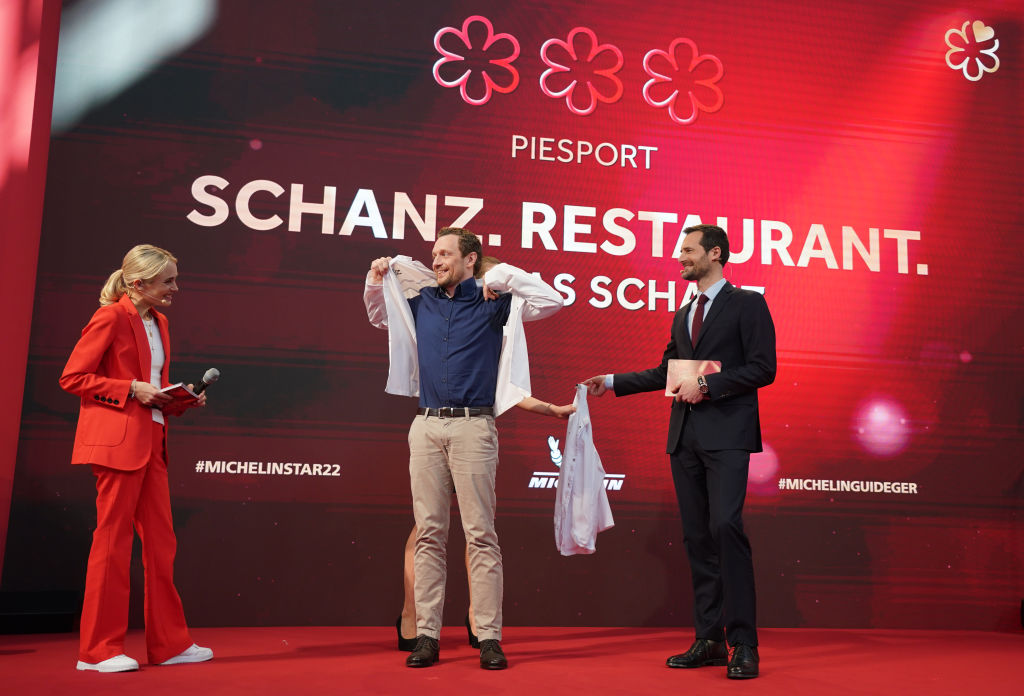
The Stars
- One Star denotes “high-quality cooking, worth a stop.”
- Two Stars indicates “excellent cooking, worth a detour.”
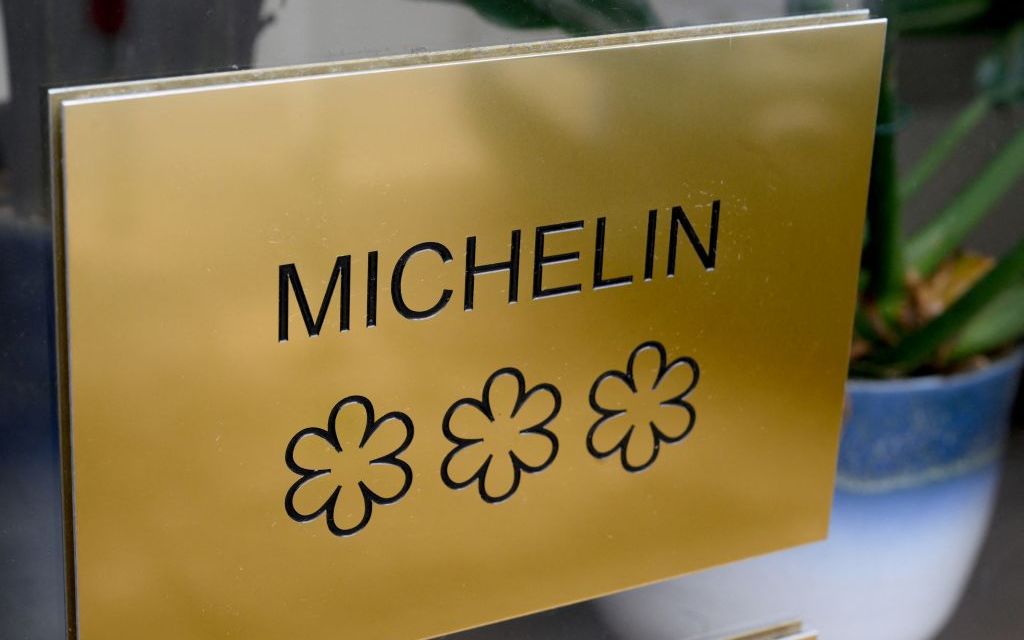
- Three Stars – the rarest accolade in the world – is a rating reserved for “exceptional cuisine, worth a special journey.”
The Bib Gourmand
- Recognising “good quality, good value cooking,” this highlights exceptional meals at a moderate price.
The Green Star
- Awarded to restaurants at the forefront of sustainable practices.
Who’s first in line for a star?
When the inaugural selection is revealed in October 2026, the spotlight will inevitably hit Adelaide’s usual suspects, says Welgemoed, who is quick to name-check the heavyweights that he believes are a “lock” for the guide.
“Botanic and Arkhé by Jake Kellie, those ones should easily get into the guide,” he predicts, with a half-joking nod to his own award-winning Africola. However, he is arguably more excited about the diversity of the Michelin system, specifically the Bib Gourmand and the Green Star.
“I would be so fucking stoked for us to get the most of the Bib Gourmands or the most Green Stars for clean restaurants, sustainable restaurants. That is world class. That is something that we shouldn’t look down on. For us to be recognised by our process and our produce, that is gold in my opinion.”
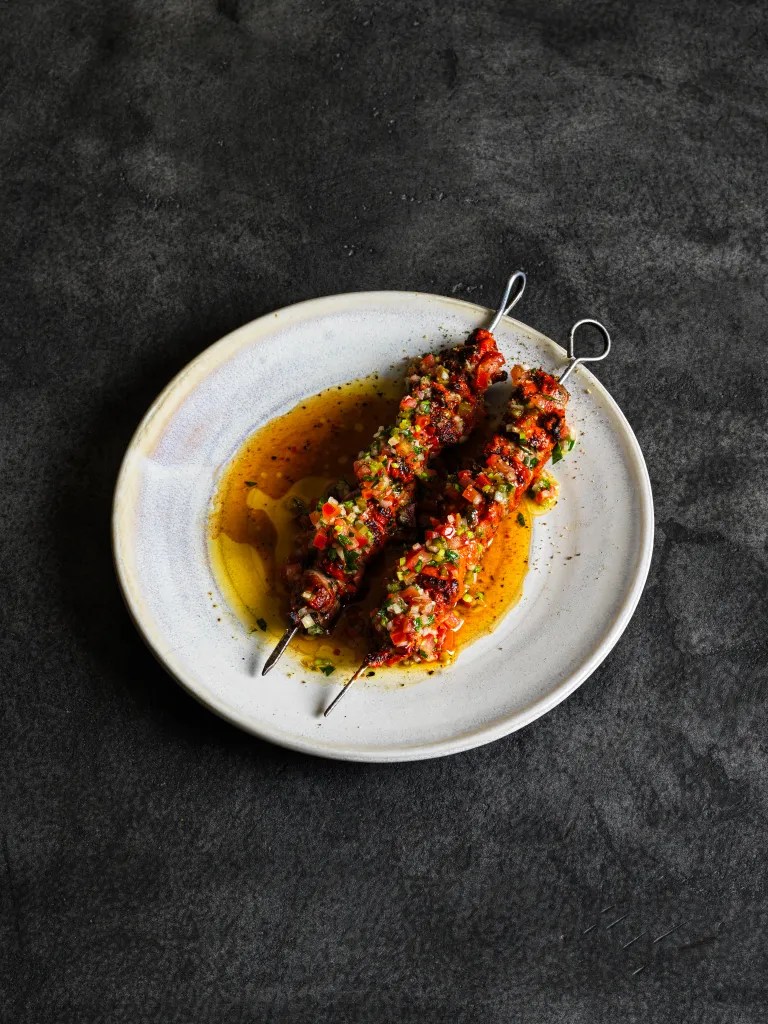
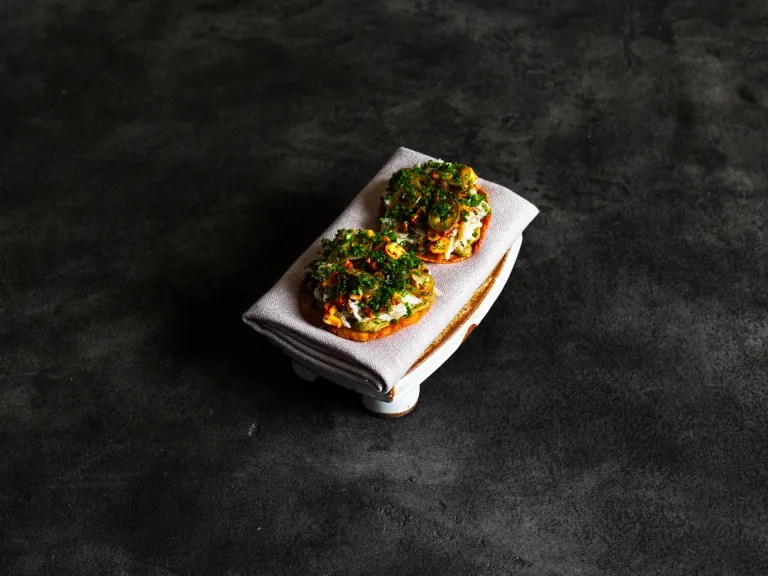
Beyond the CBD, the SA Government expects the guide’s reach to extend deep into the state’s wine country – with the Barossa, Clare Valley, McLaren Vale and Kangaroo Island all flagged as key regions for international promotional activity off the back of Michelin’s arrival.
Welgemoed’s vision for the guide extends far beyond the white tablecloths. He points to the cultural depth of the state, suggesting that a single dish can be enough to warrant international acclaim.
“We’ve got like Parwana Afghan Kitchen. That is Michelin just based on that one dish. And that’s the great thing about the Guide: the diversity.”
He even points to the far reaches of the state: “That fish place in Port Lincoln… their fish and chips is fucking Michelin star worthy.”
The full inaugural selection from Michelin, including the first Stars, Bib Gourmands, and Green Stars ever awarded on Australian soil, will be revealed in October 2026.
For the first time, Australian restaurants will be judged against the same global standard as Tokyo, Paris and Singapore. The only question now is which state Michelin visits next.
Want to see more Forbes articles on your feed? Tap here to make Forbes Australia a preferred source on Google.
Look back on the week that was with hand-picked articles from Australia and around the world. Sign up to the Forbes Australia newsletter here or become a member here.