
A chance conversation on a golf course has drawn the former Wallaby and listed-company CEO into a regional manufacturing venture aiming to decarbonise one of the world’s dirtiest industries.
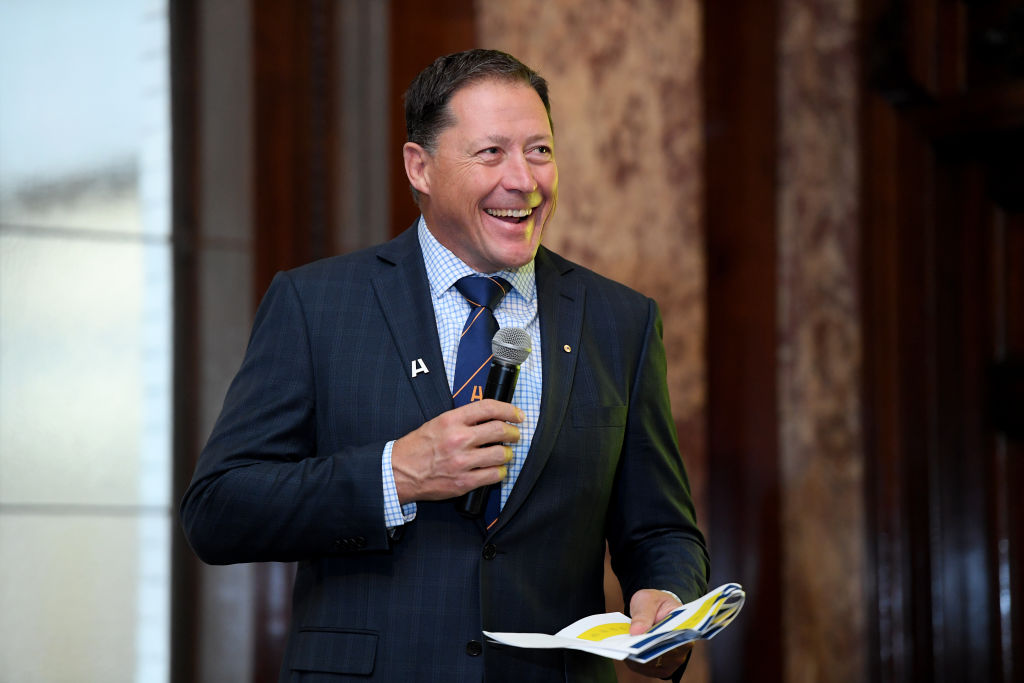
Former Wallaby great Phil Kearns was no great fan of Scope 3 emissions requirements and all the other rigmarole he’d had to go through as CEO of listed building company AV Jennings.
That’s why, when he learned on the golf course about a local company making emissions-free concrete, the idea was instantly appealing.
“I knew through being in that publicly listed environment about all the Scope 3 reporting that was coming up … and the pain that that inflicts on most companies,” Kearns tells Forbes Australia.
Scope 3 emissions are the indirect greenhouse gas emissions that a company is held responsible for – from its inputs to the way its outputs are disposed – and which are difficult to mitigate.
“Not to mention the fact that most of the mitigation is meaningless, because all the guys do is go out and buy some more trees – carbon credits – and that’s how they get through it.”
And as much as he might agree with the broad idea, Kearns knew many such carbon-credit schemes were of dubious merit.
So when he was on gardening leave after AV Jennings had been sold out from under him, living on his new property at Orange in central-west NSW, he thought he never wanted to play in that space again. But his golf partner teed up a meeting with Steve Fergus whose company, Neutralis, had licenced a Canadian green concrete technology, CarbiCrete.
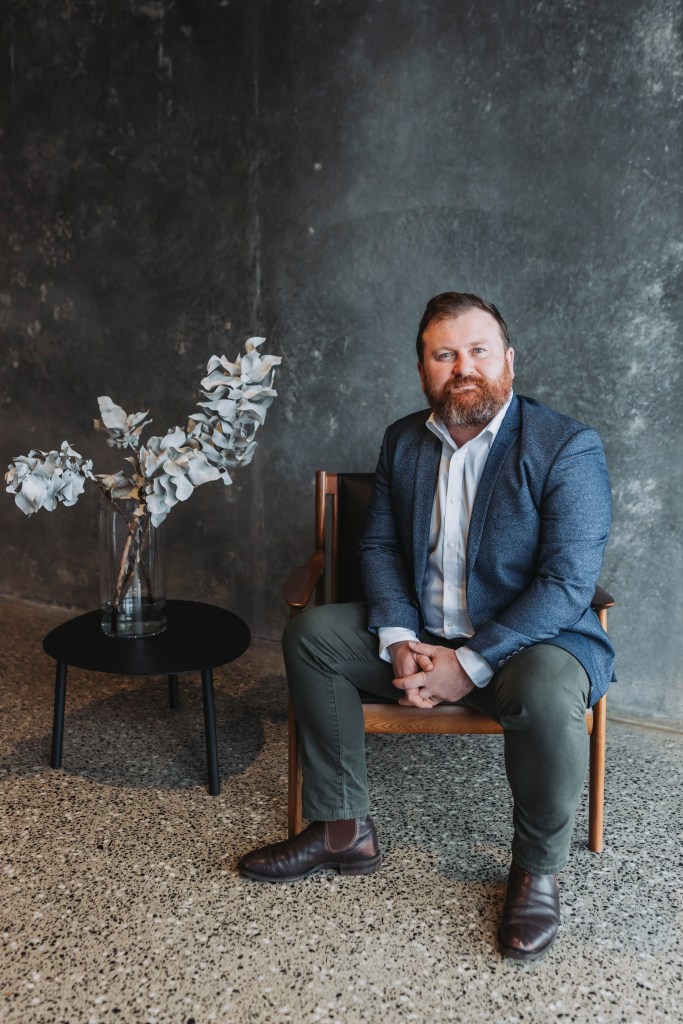
Fergus would have been happy for a few words of advice, a bit of mentoring from the 58-year-old who was still a board member of the Rugby World Cup 2027 local organising committee. “But Phil was really inquisitive about what we were doing,” says Fergus. “He wanted to drill down into the detail, understand the product, what the opportunity looked like.”
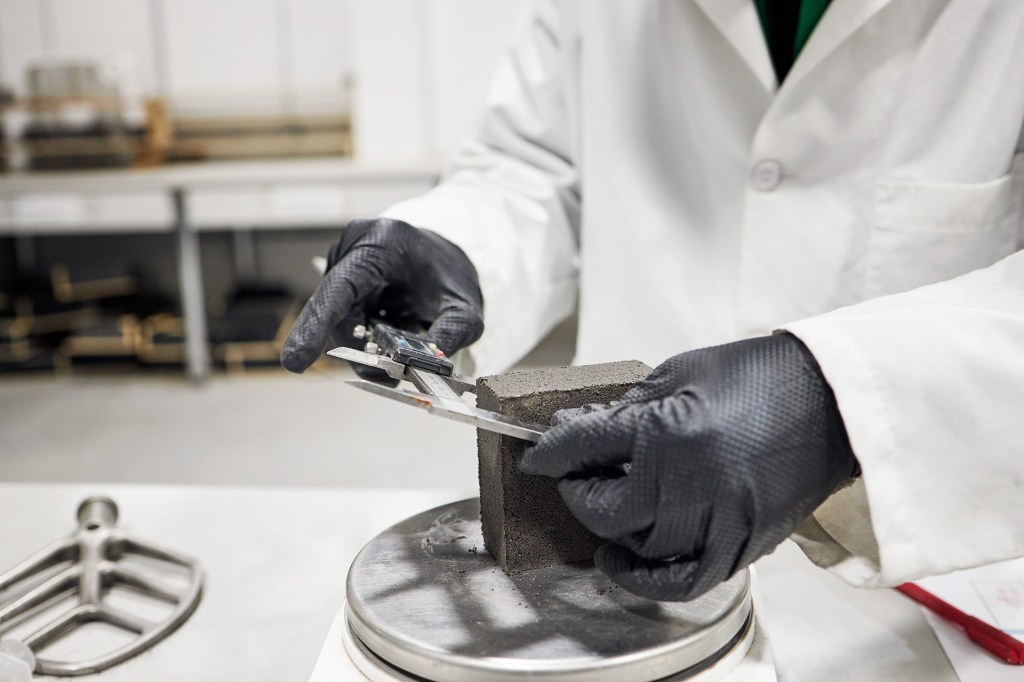
Fergus explained that instead of cement – one of the world’s biggest sources of carbon emissions – the process used steel slag, a waste product from steelmaking, ground into a fine powder. Traditional concrete blocks are cured in gas-heated kilns and can take almost a month to cure.
Neutralis’s process instead injects carbon dioxide into a curing chamber, triggering a chemical reaction with the steel slag that hardens the blocks within 24 hours and permanently sequesters the CO2 inside the product. Here was a product promising to make a dent in the 8% of global greenhouse emissions attributed to concrete.
“The more I researched it and spoke to Steve, the more fascinated I got,” says Kearns. “I never thought I’d love a concrete block but it really is interesting.”
The idea of working with a private company was appealing to Kearns because he’d seen the difficulties public companies faced. “It’s not about making money for your shareholders which it should be about. It’s about compliance and governance and gender equality reporting and modern slavery reporting and all that stuff rather than just getting on with the job.”
Kearns came on board Neutralis as executive chairman – another turn in his varied career.
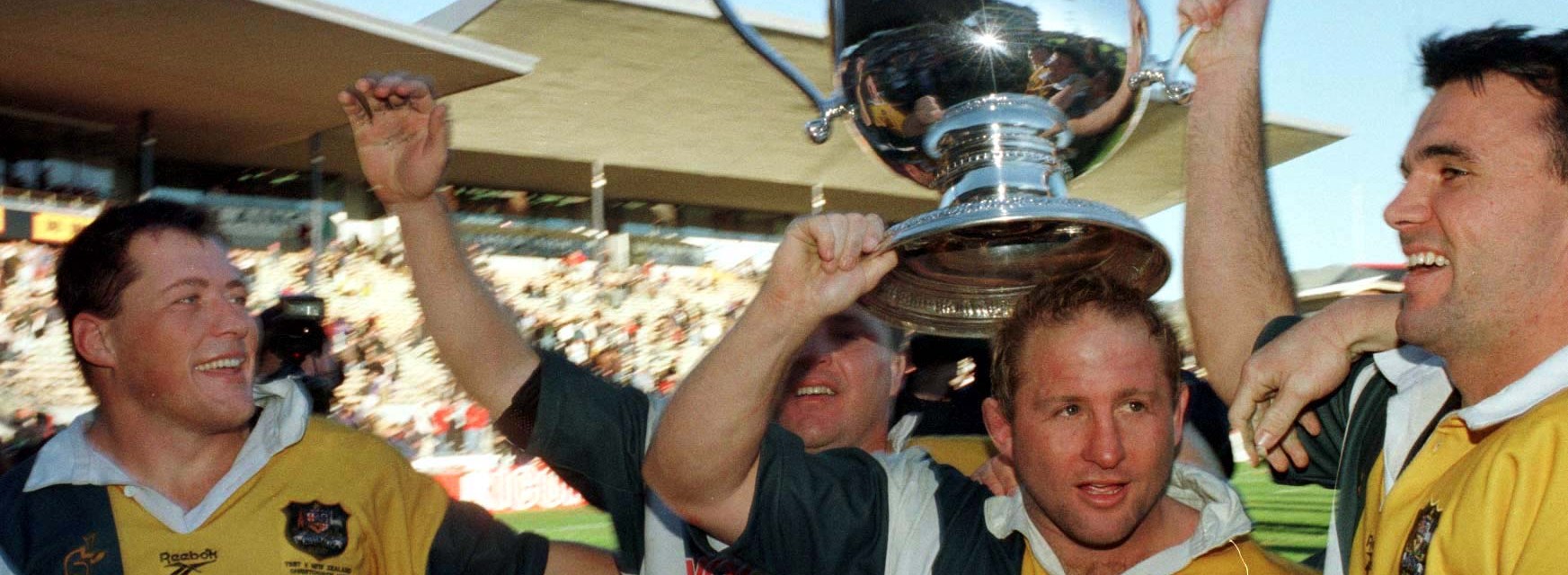
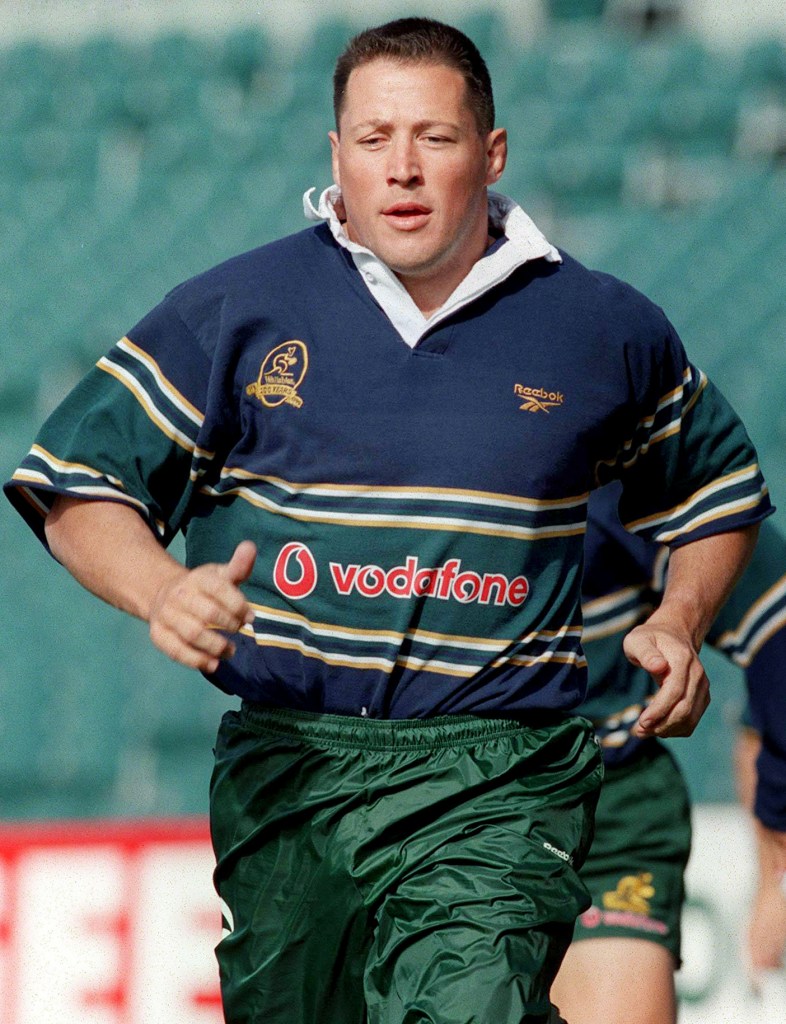
Kearns had studied economics while pursuing a 67-Test rugby career between 1989 and 1999, captaining the Wallabies 10 times.
He was appointed CEO of prominent financial advisory firm Centric Wealth in 2011, then insurance broker InterRISK Australia in 2015, before leading ASX-listed AV Jennings from 2022 through to its $365 million private equity buyout by American real estate giant Proprium Capital Partners, in 2025.
Asked by Forbes Australia what his earlier bosses saw in a boofheaded ex-footballer that drove his corporate rise, Kearns answered, “Probably that I get on with people”.
But Fergus says he’s being modest.
“It’s been an absolute boon for us as a business,” says Fergus. “I mean, Phil’s Phil. Phil opens a lot of doors. But it’s the behind-the-scenes stuff that’s been a big driver for our business.
“He’s got the ‘Kearns Rule’ … He puts good teams in place. Phil’s great strength is the ability to see people’s strength and work out how to piece a team together.
“And he’s very polite about how he brings people on the journey. My experience is not in big national companies. And just from a mentoring perspective, it’s been phenomenal to sit in the room with him. He asks the right questions and drives the conversation in a really good way.”
Fergus grew up in the family’s chain of Mitre 10 hardware stores in the NSW central west. He did stints working for CSR and BlueScope steel, before buying his own concrete business. “In all my experience in the hardware industry and the building materials industry I’ve seen thousands of green building materials come across the desk and some are wonderful products, but they’ve always demanded a significant green premium, or they’ve demanded that the trades and designers significantly change their processes to use the product.
“So it’s always been a hurdle to get those products into large-scale developments.”
Fergus had been scouring the trade journals, travelling to Las Vegas industry conferences, looking for something that would give him an edge. “I needed a product that was going to be cost equivalent to what was already in the market, and wasn’t going to necessitate any changes to the installation or design and engineering of the product.
“The right solution’s got to be the easy solution to get change happening.”
With that message, Kearns has been able to open doors. “We’re talking to the big guys – the Stocklands and the Lendleases, Goodman – because they genuinely want to make a difference and they realise that buying carbon credits doesn’t really make a difference,” says Kearns.
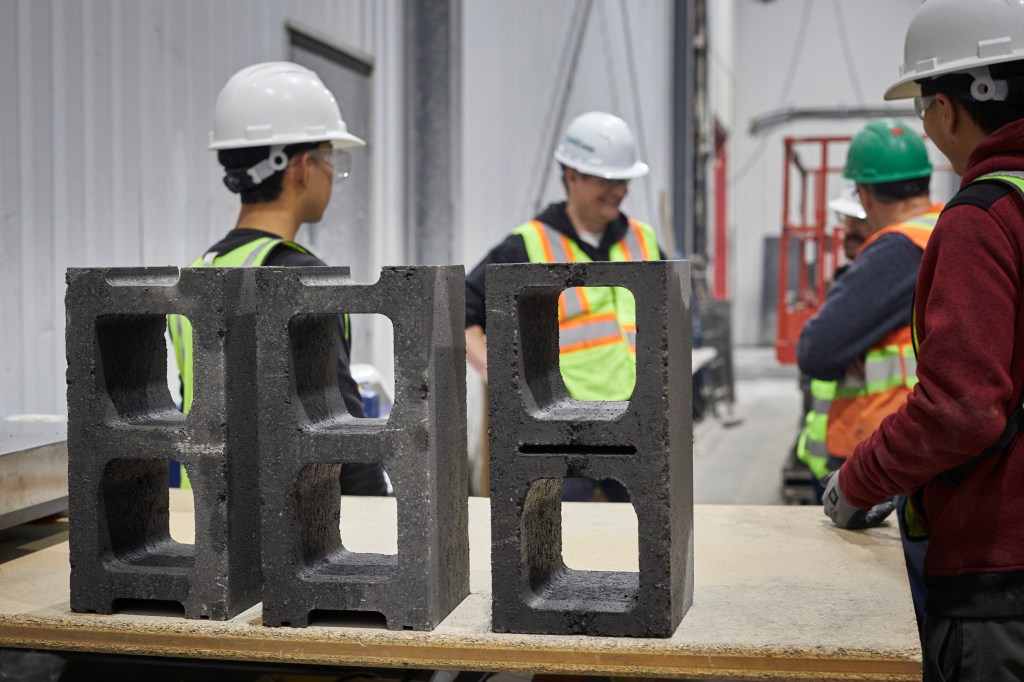
Neutralis has sent its Australian-made samples to Canada for testing and says the Besser blocks have passed Australian standards while achieving at least net-zero emissions, with the possibility they could prove carbon-negative pending further tests.
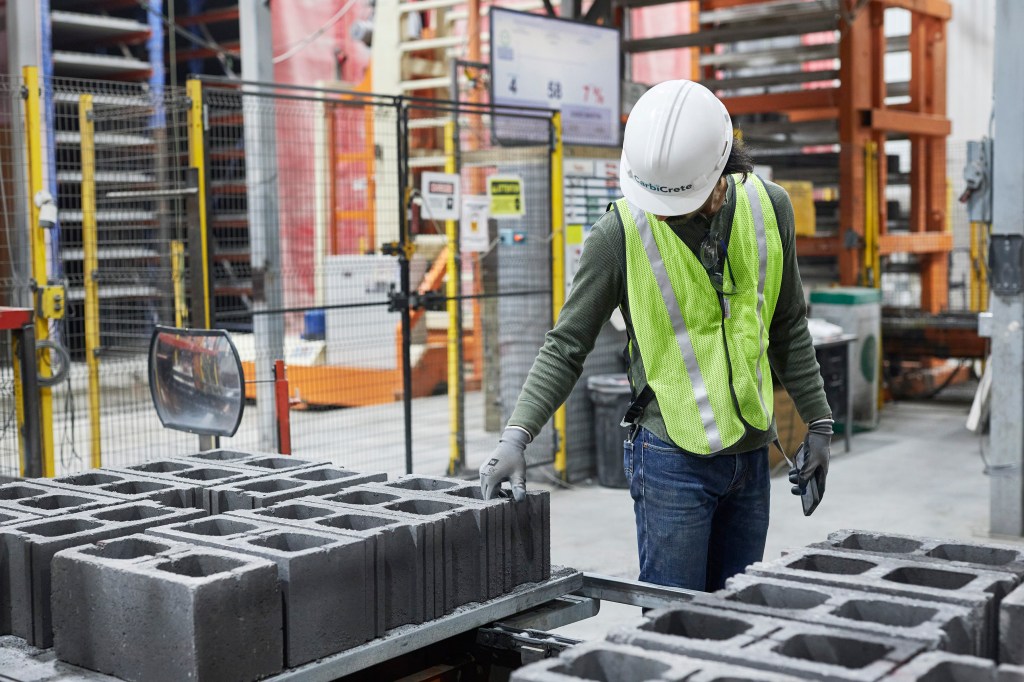
Neutralis is initially focused on Besser blocks, but sees broader applications in paving, retaining walls and purpose-built shapes for data centres, where demand — and carbon footprints — are soaring. “Any time you’ve been in a fire stair in a major building, you’ll have seen thousands of concrete blocks,” Kearns says. “We can replace those with carbon-neutral ones.”
Fergus says it’s not just about getting a celebrity on the team. “Phil is opening the industry doors for us, but the conversation needs to go from there. They need a credible solution in this space and they need certainty that potential supply partners like us have got that governance and experience in place to scale with them. Phil brings that.”
Want to see more Forbes articles on your feed? Tap here to make Forbes Australia a preferred source on Google.
Look back on the week that was with hand-picked articles from Australia and around the world. Sign up to the Forbes Australia newsletter here or become a member here.
~