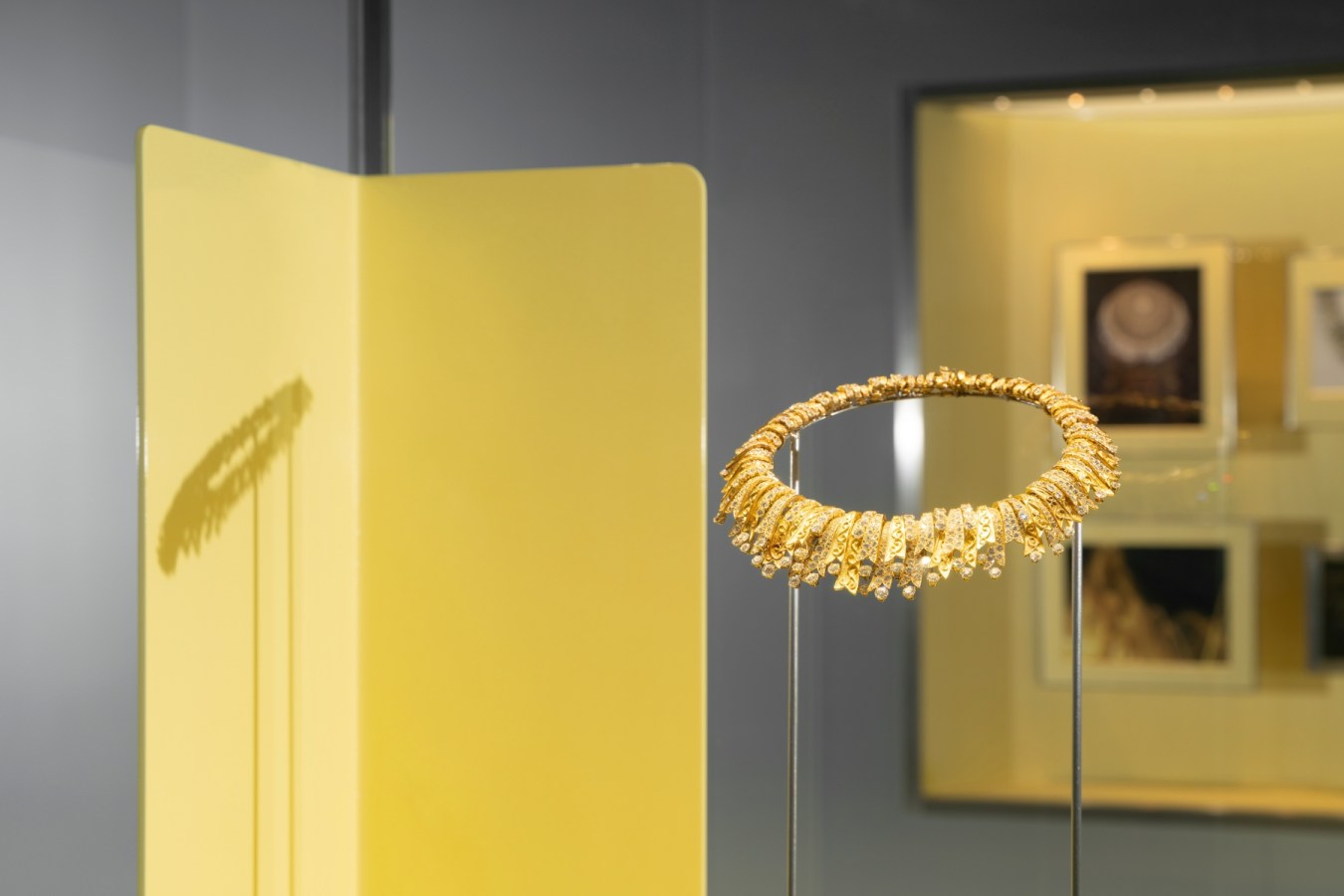
To mark the 50th anniversary of one of modern watchmaking’s most recognizable sports watches, the Patek Philippe Museum in Geneva has opened a special thematic exhibition dedicated to the Nautilus — tracing the evolution of the collection from its unconventional 1976 debut to one of the most coveted luxury watch families in the world.
Launched during the museum’s recent Open House Weekend on June 6 and 7, the exhibition runs through early 2027 and offers visitors a rare historical and current look at the watch that helped redefine luxury sports watchmaking.
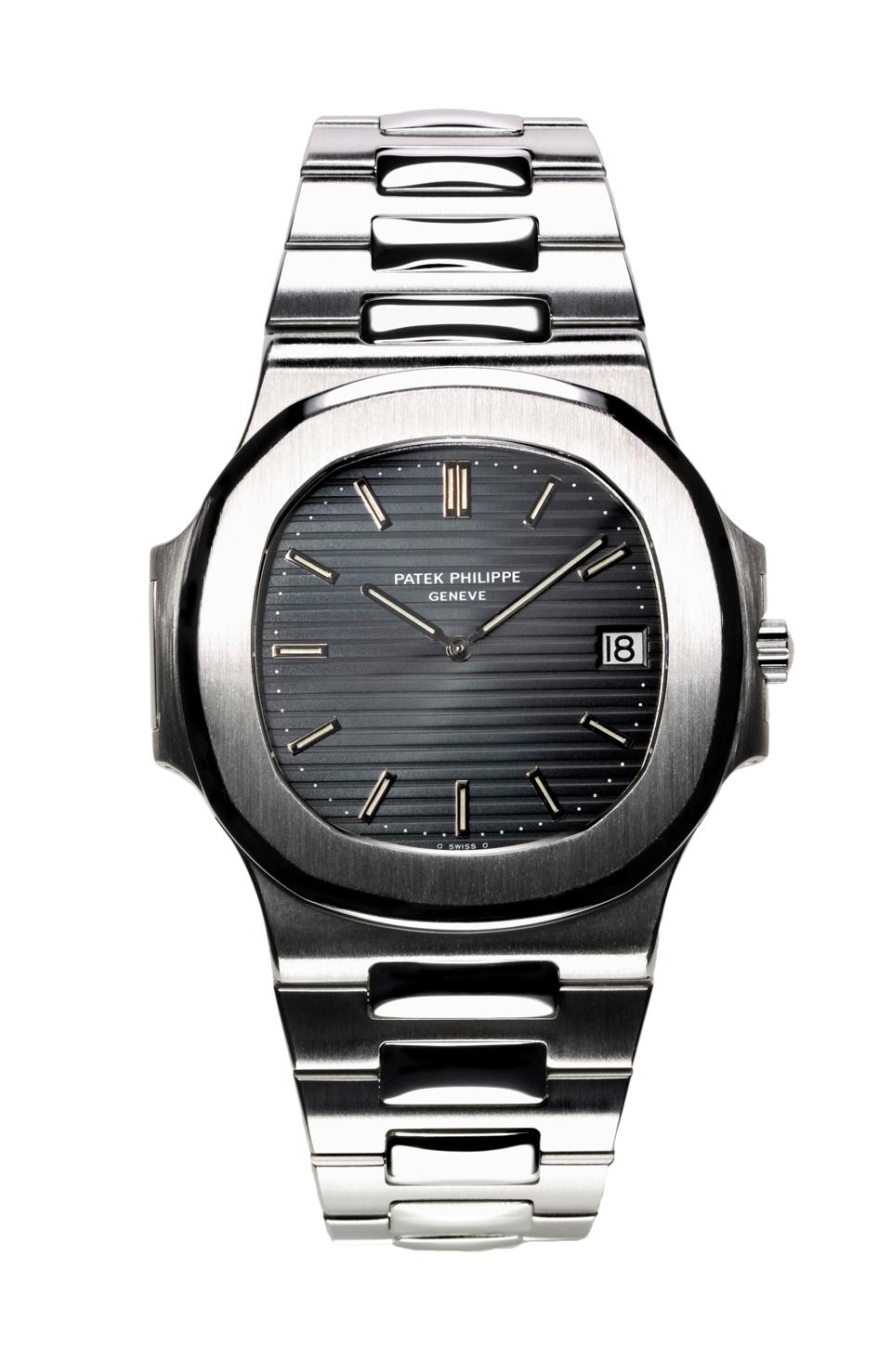
An icon in watchmaking today, the Nautilus was conceived of by the famed Gerald Genta, and was inspired by a ship’s porthole, but Genta gave it gentler curves and a sharp octagonal bezel. He created a special dial treatment that featured horizontal lines recalling a ship’s deck.
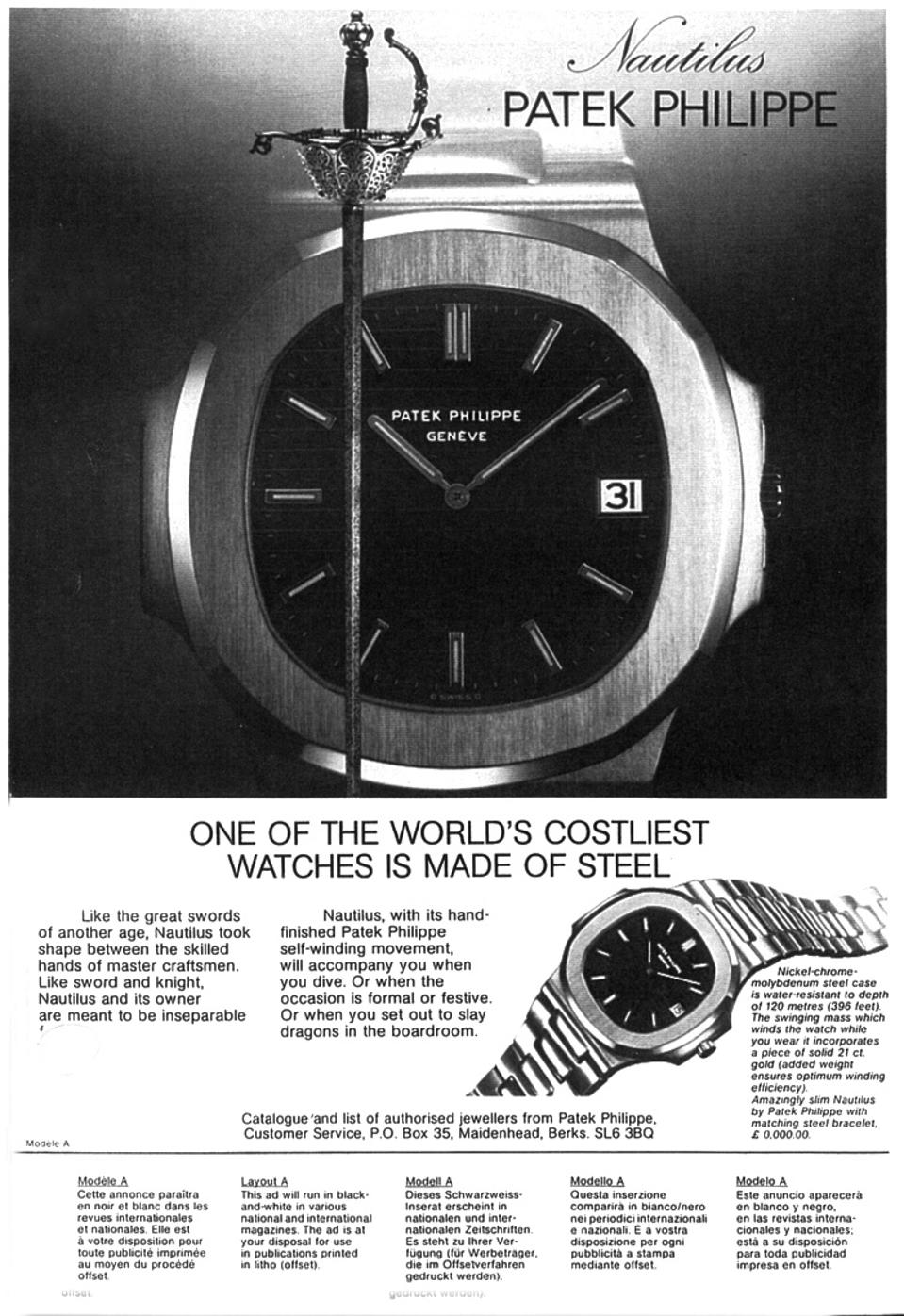
The watch, released by Patek Philippe in 1976 marked the brand’s first stainless steel sporty-chic watch. That watch, Ref. 3700, was powered by a Jaeger-LeCoultre ultra-thin automatic movement. It retailed for $3,100, and Patek Philippe advertised it as “One of the World’s Costliest Watches Is Made Out of Steel.”
Far from being purely stylistic, the design was deeply technical. The Nautilus case employed an innovative construction aimed at water resistance, with hinged side “ears” and a compressed sealing system evocative of maritime engineering. The now-famous shape — initially polarizing — would ultimately become one of the most enduring designs in modern horology.
The exhibition clearly charts the evolution of the Nautilus through milestone references that transformed the collection from daring design experiment into cornerstone of modern luxury sports watchmaking. Beginning with the groundbreaking Ref. 3700/1A of 1976 — the original “Jumbo” designed by Gérald Genta — the line expanded rapidly over the years – becoming an icon and beloved collector piece.
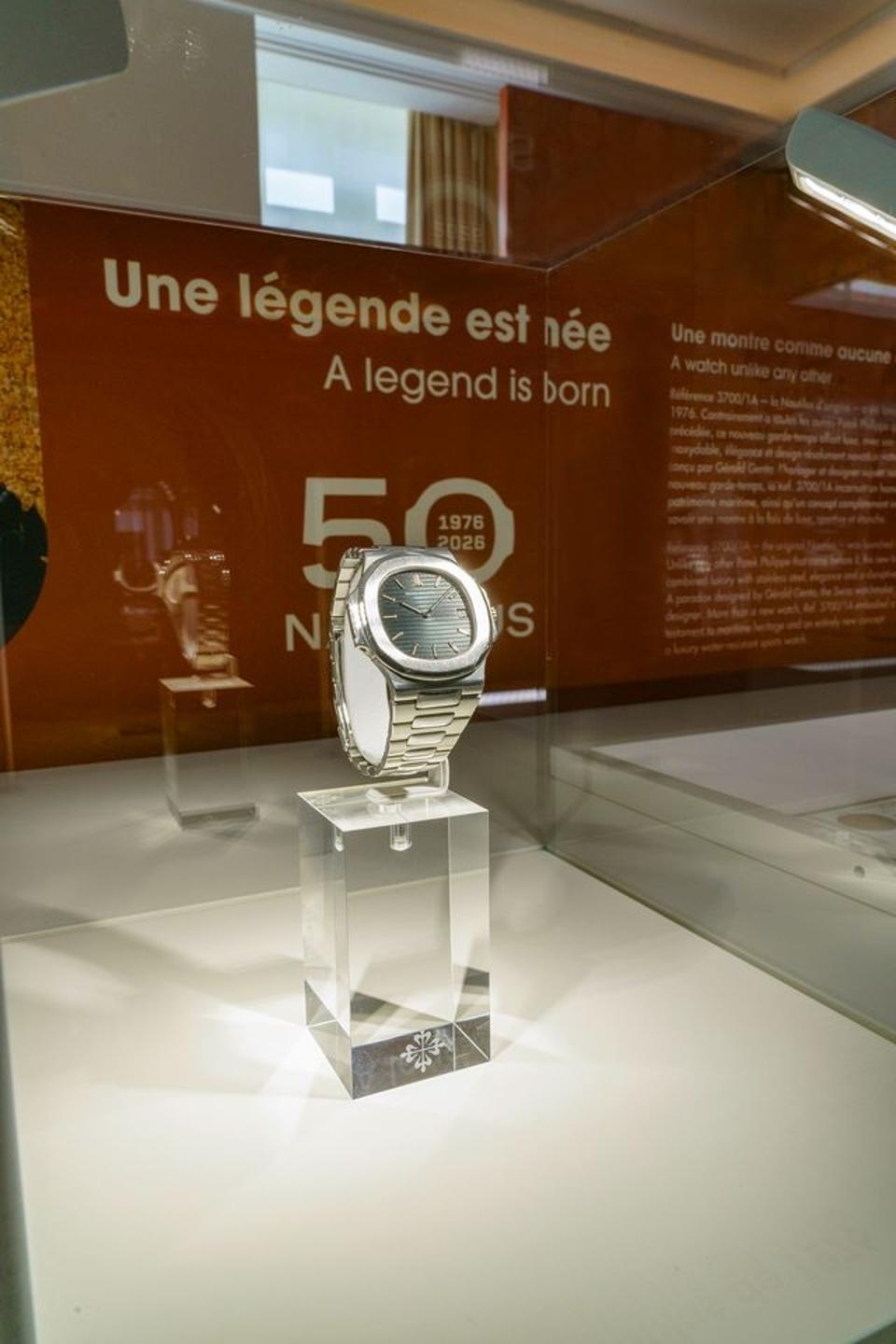
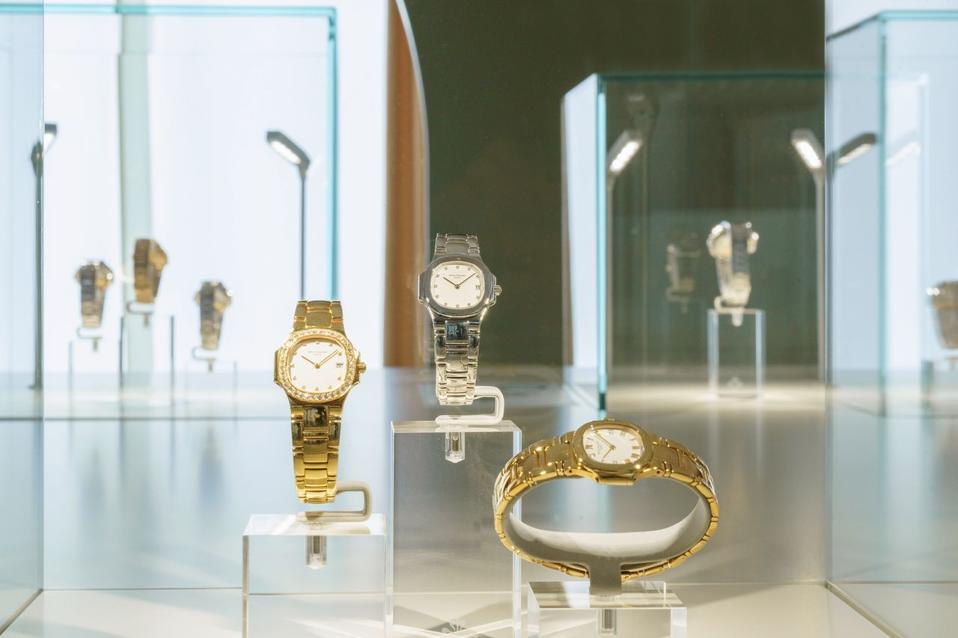
Following the launch of the Nautilus in 1976, the brand released a mid-sized model for ladies in the early 1980’s, broadening its audience while retaining its distinctive porthole-inspired silhouette. By the late 1990s and early 2000s, Patek Philippe began adding greater mechanical complexity, including the Ref. 3710/1A with power reserve indication in 1998 and the more technically ambitious annual calendar and moonphase models that followed.
A major turning point came in 2006 with the launch of the Ref. 5711/1A, introduced for the Nautilus’ 30th anniversary and widely considered one of the most influential modern luxury sports watches ever made. That same period saw the arrival of the collection’s first chronograph, Ref. 5980/1A, as Patek steadily expanded the family to include travel time, annual calendar, perpetual calendar and high-jewelry executions. More recent highlights — from the perpetual calendar Ref. 5740/1G in 2018 to the transition from the retired 5711 to the newer 5811/1G in 2022 — underscore how the Nautilus has continually evolved while maintaining the design DNA that made it instantly recognizable.
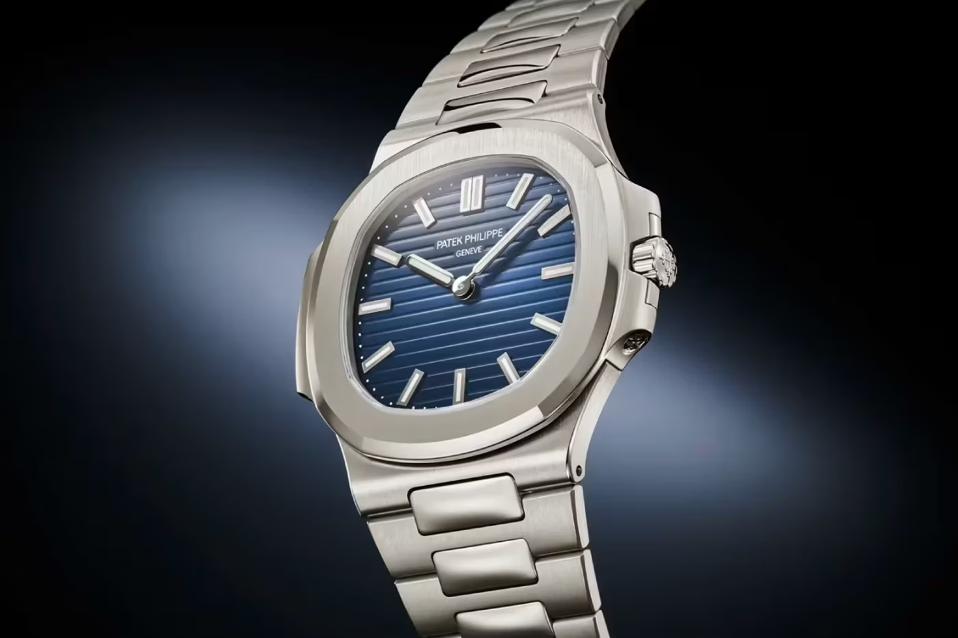
Bringing the exhibition full circle, and to mark the 50th anniversary, Patek Philippe also displays the new limited-edition 50th anniversary watches, and clock, just unveiled during Watches & Wonders Geneva earlier this year.
Leading the lineup are two new 41mm “Jumbo” references in white gold: Ref. 5810/1G-001 on an integrated bracelet and Ref. 5810G-001 on a sporty composite strap. Rather than adding complications, Patek intentionally strips things back to basics with simple hours-and-minutes displays, emphasizing the purity of the Nautilus form and its famously slim profile. Powered by the ultra-thin self-winding Caliber 240, a movement first introduced just one year after the Nautilus debuted, the watches are limited to 2,000 and 1,000 pieces respectively. Each boasts a blue embossed dial and anniversary-engraved mini rotor visible through sapphire caseback.
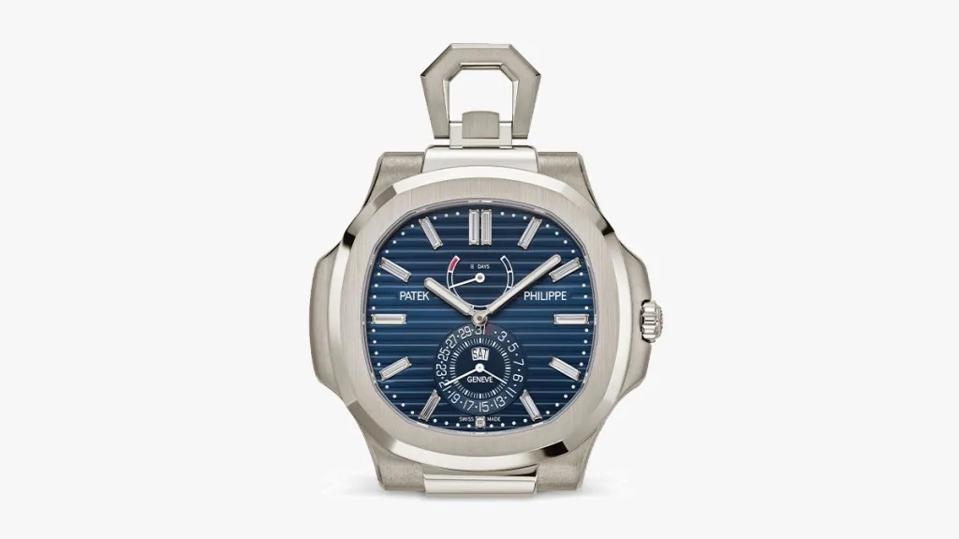
There is also a medium-sized 38mm Nautilus in platinum. Ref. 5610/1P-001 recalls the proportions of earlier Nautilus references while offering a more understated wrist presence than today’s larger sports watches. Limited to 2,000 pieces, it features the hallmark diamond discreetly set into the case flank — a Patek signature for platinum models.
For me, the most alluring anniversary Nautilus is a desk clock in white gold, limited to just 100 pieces. Powered by an eight-day manually wound movement, the piece transforms the familiar wristwatch silhouette into something entirely unexpected — and instantly collectible.
All of these pieces are on display at the Patek Philippe Museum Geneva, Rue des Vieux-Grenadiers 7, Plainpalais, Geneva. Tuesdays through Fridays and Sundays from 2:00- 6:00 and on Saturdays from 10 am to 6 pm from June 7, 2026 until early 2027.
This story was originally published on forbes.com and all figures are in USD.
Want to see more Forbes articles on your feed? Tap here to make Forbes Australia a preferred source on Google.
Look back on the week that was with hand-picked articles from Australia and around the world. Sign up to the Forbes Australia newsletter here or become a member here.