Why women are driving philanthropy and supporting the next generation of girls

Adolescent girls are already driving change globally, but unlocking their full potential will depend on long-term partnerships, shifting power and the growing influence of women in philanthropy.
BRANDVOICE – PARTNER CONTENT
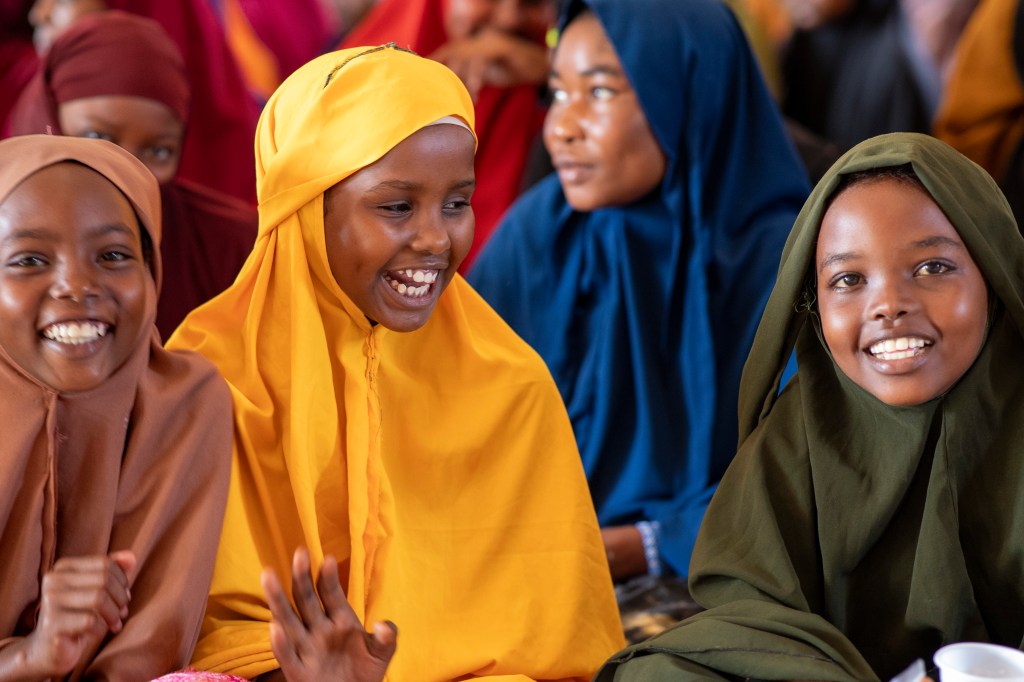
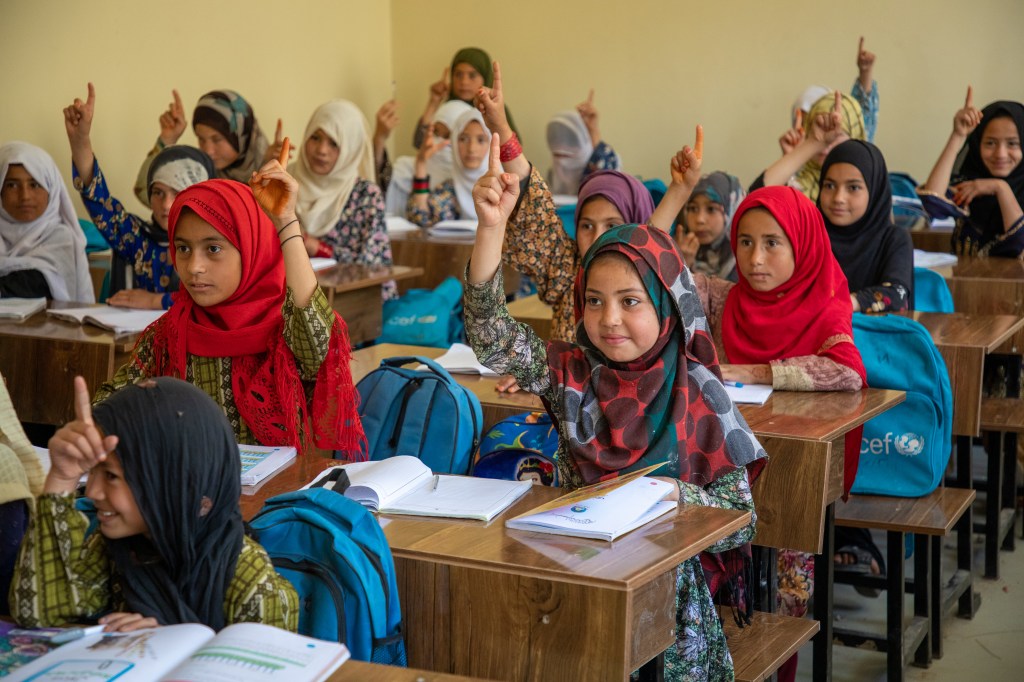
Around the world adolescent girls are navigating complex challenges – including sexual violence, child marriage and unequal access to education, while also shaping leadership within their families and communities. Even in contexts marked by deep inequality, many are advocating for safety, rights and opportunity, and redefining what the future can look like.
What determines whether that leadership takes hold is not individual resilience alone, but the systems and investments surrounding it.
“Our research shows that in many contexts, girls are leading the charge for change already and remain optimistic about the future – that things can and will get better,” says UNICEF’s associate director of gender equality, Lauren Rumble. “I hear that strength and belief from so many girls that I meet, too. And if we take the long view (and UNICEF does), we have seen areas where the international community has partnered with local communities to make tremendous progress for girls.”
In global education, she cites data that showcases the magnitude of change: in 2000, 51% of adolescent girls and young women were in school at the upper secondary level, while in 2023 this rose to 70%.
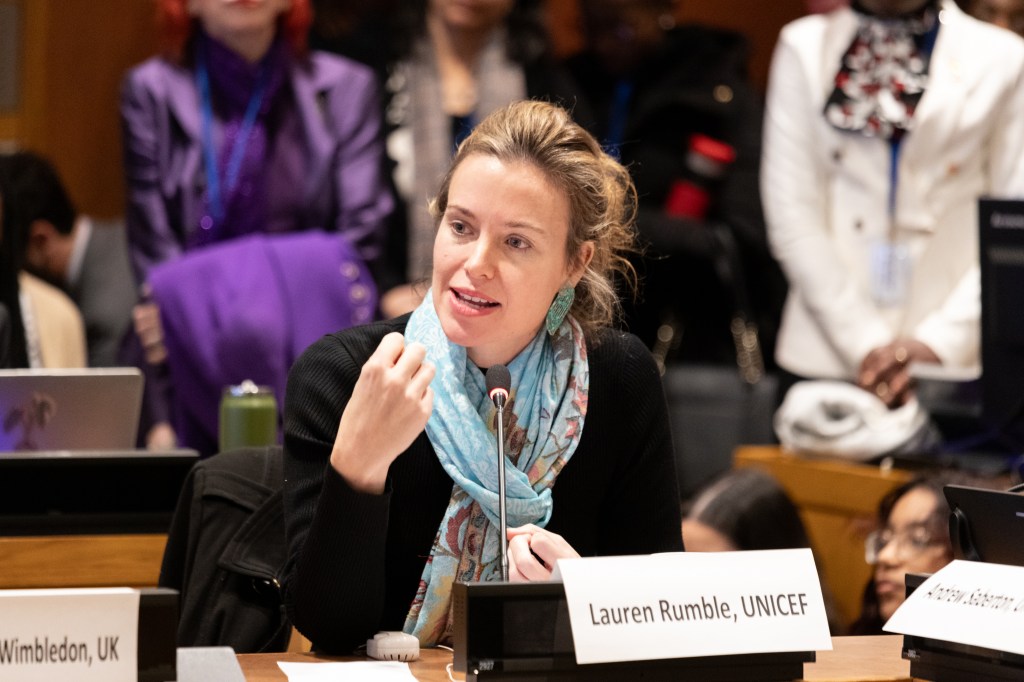
“But this didn’t happen by accident – it came about as a result of a large coalition of people and institutions deciding to prioritise this as a goal, to fund organisations who knew how to bring about change and who were willing to commit to making that change with and for girls,” says Rumble.
Recently, at the Women Deliver Conference in Melbourne, Rumble and her team shared insights from their wealth of experience about the shifts required to advance outcomes for girls.
The Power4Girls initiative, delivered by UNICEF and non-government organisation We Are Purposeful, is just one example, focused on progressing the rights, wellbeing and leadership of adolescent girls. In its first year, Rumble says it has benefited 5.4 million girls and over 11 million people across 15 countries. Early results indicate that girls’ skills, decision-making power, confidence, and agency are increasing, alongside access to skills, essential services, resources, and financial inclusion.
Taking the lead
Just as girls in challenging global contexts are leading the charge for change, closer to home, women are becoming far more central to decisions around partnering with organisations to improve outcomes over the longer term.
Insights from the She Gives: Growing Women’s Giving in Australia report found that more than 60% of women lead household giving decisions, while almost two-in-three say they want to give more – underscoring the increasingly central role women will play in shaping the future of philanthropy.
The sentiments were echoed by the CEO of StartGiving and UNICEF non-executive director Antonia Ruffell, who has spent more than two decades observing the patterns of philanthropists.
“Women lead a lot of the decision-making in philanthropy,” she says. “They also play a key role in engaging other family members in making those decisions. What we’re increasingly seeing is women more actively involved in financial decision-making than has traditionally been the case.”
Over the next two decades, women are expected to control the majority of the $5.4 trillion in intergenerational wealth transfer. “I think for women’s philanthropy in Australia and globally as well, that’s the opportunity,” says Ruffell.
The partnership approach
Ruffell notes philanthropy itself has also changed in the time she’s been in the sector. It’s evolved from chequebook philanthropy to a relationship-based model, where donors are looking to build long-term partnerships and see the benefits of their giving.
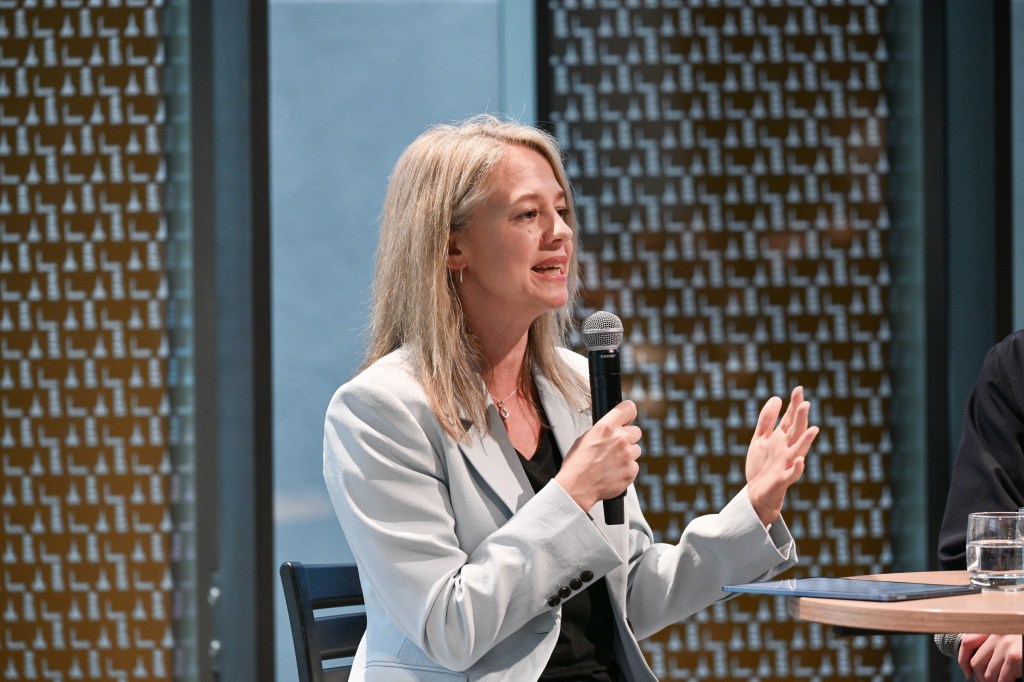
“Today’s philanthropists want to know more about the organisations they are giving money to. UNICEF offers relationship managers who work with donors to answer their questions and provide guidance. They offer opportunities to engage more closely with the work – from virtual conversations with in-country staff to, on occasion, visiting programs in action.”
Increasingly, philanthropists are also inquiring about reporting and standards to ensure their contributions are managed to a high standard.
“It’s not just about going in and ‘doing something’ [for global communities], the work has to be delivered respectfully, collaboratively and effectively as well,” she says.
Rumble said the approach also allows UNICEF to deliver programs in evidence-based ways that have the potential to deliver real, long-term outcomes.
“Longer-term flexible funding allows girls to set the agenda and drive forward long-term change,” she says. “It helps us build partnerships with organisations, from grassroots women’s rights organisations through to government departments, based on trust and the ability to plan beyond a few short months.
“The road to real change for girls and women is not a straight line but often messy, convoluted, requiring alliance-building, constant adaptation, and flexibility, all of which are infinitely more possible with long-term support.”
Rumble says that change takes time, which is why the partnership model works.
“We have the opportunity to transform laws and policies; improve services and shift long-held beliefs about the role of girls and women in society. Girls are ambitious about what is possible, and we need to be too.”
“The road to real change for girls and women is not a straight line but often messy, convoluted – requiring alliance-building, constant adaptation, and flexibility.” – Antonia Ruffell
Emily Gribble, chief of partnerships at UNICEF Australia, said she has witnessed the same evolution in philanthropic giving.
“We find that today’s philanthropists are seeking trusted partners – those with strong governance, clear evidence and accountability – and who prioritise approaches grounded in collaboration with local partners, as UNICEF does across everything we do.
“At UNICEF, partnership also means walking alongside philanthropists on their giving journey, connecting them with leaders in-country and the real impact of their support. This approach allows philanthropists to truly see and understand how their support is strengthening local leadership and the systems that will sustain progress – for years to come.”
Find out more about how UNICEF works with Australian philanthropists to have impact for children across the world at unicef.org.au/philanthropy
Want to see more Forbes articles on your feed? Tap here to make Forbes Australia a preferred source on Google.
Look back on the week that was with hand-picked articles from Australia and around the world. Sign up to the Forbes Australia newsletter here or become a member here.