Face time with the country’s top mixologists and bar managers, at venues ranging from Sydney’s Maybe Sammy to Melbournian go-to Gimlet, reveals why epicures are opting for fresher, lower ABV serves — bonus points if they can be recreated at home.
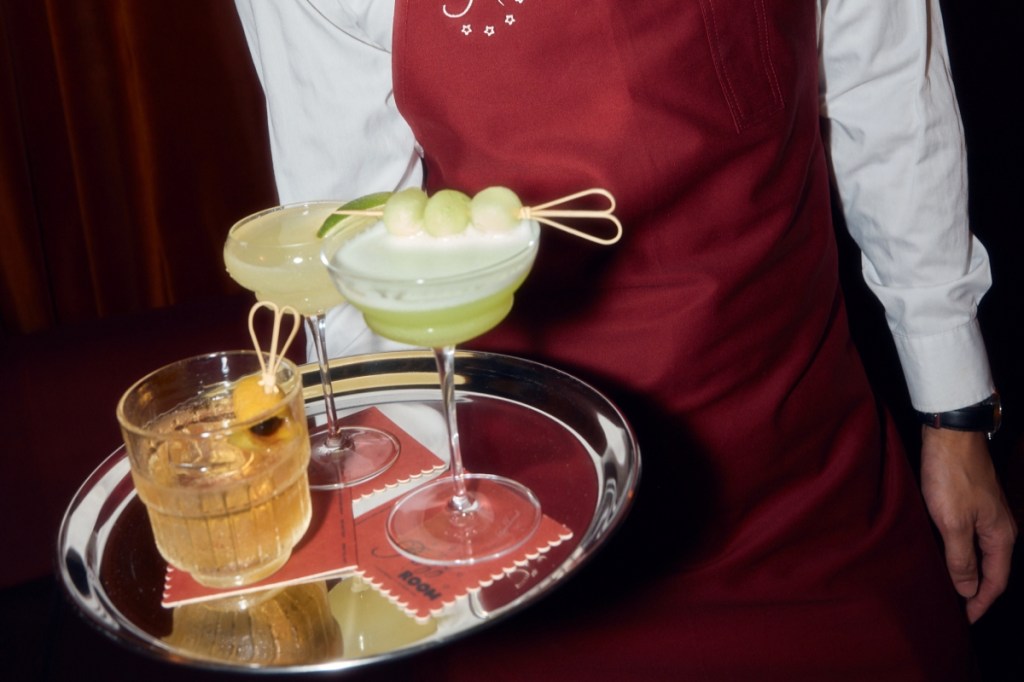
If the near-decade I’ve spent haunting cocktail bars has taught me anything, it’s that the ‘circle of life’ is not a phenomenon strictly limited to the animal kingdom. The negroni — once seemingly the only big game in the mixological jungle — has in recent years finally, some might say belatedly, been dislodged by a handful of other beverages.
Reporting by Australian spirits distributor 3Two1 earlier this June supports that development, indicating that drinking habits on-premises “look fundamentally different in 2026 than [they] did three years ago”. At a broad remove, the main takeaway seems to be that Aussie bargoers, as a national cohort, no longer want to drink boozy, bittered cocktails. At least, not exclusively.
The strategy of venue operators in the country’s major urban centres confirms as much. Last November, Sydney hospitality firm Mucho Group made the decision to pivot Bar Herbs, its signature negroni den, to “focus firmly on New York-style martinis” — just six months after opening. Nobody paying attention, either side of the proverbial pass, was terribly surprised.
That’s not to say that a resurgence of the martini, particularly among Gen Z customers, is the only noteworthy change. In conversation with three of Australia’s foremost mixologists and barkeepers, Forbes Life gets a taste of what discerning drinkers are actually ordering. Now, and in the immediate future.
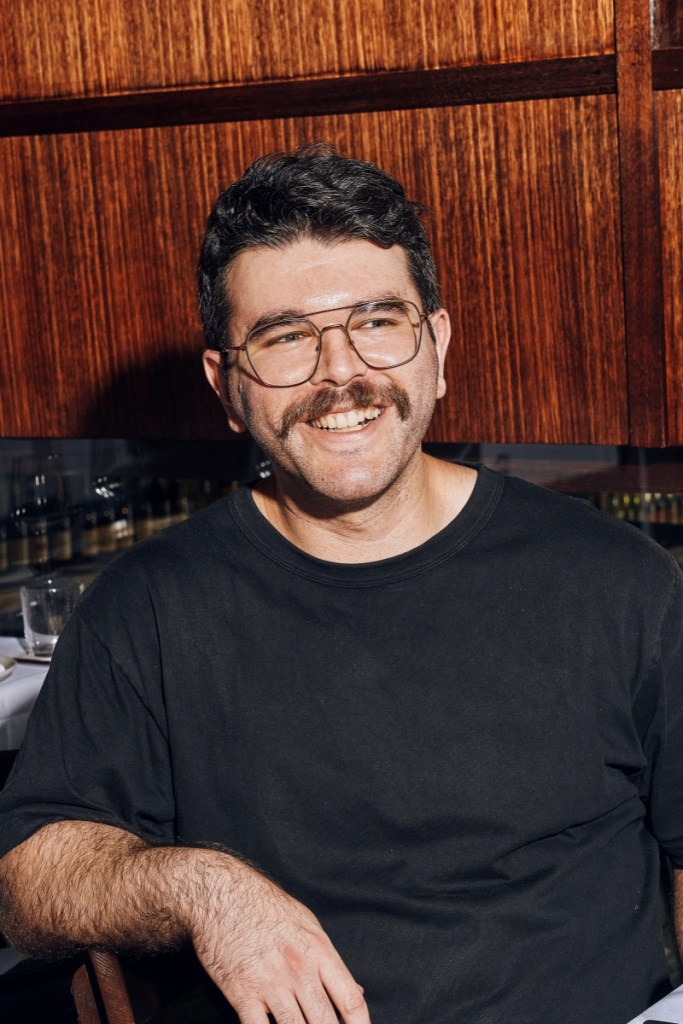
Jordan Blackman, Odd Culture Group
If the martini’s increasingly ubiquitous place on bar & restaurant menus across Australia is beginning to grate, then the daiquiri should prove an effective palate cleanser.
A classic rum-based cocktail — created in Cuba during the late 19th century — it scratches many of the same proverbial itches as the martini, in a distinctly different way. As much a category of mixed drinks as it is a defined recipe, the daiquiri is (in its most rudimentary form) an exercise in simplicity: composed of three ingredients, four if you count ice, which can be tweaked to suit a spectrum of bargoers’ tastes.
That quality of modality is what drew Sydney-based Odd Culture to the idea of anchoring Razz Room, its disco-inspired late night spot, around the cocktail. Jordan Blackman, Group Beverage Manager, describes it as a “shaken drink with familiar, delicious ingredients we all know and understand”: in other words, a serve that deftly splits the difference between sophistication and simplicity.
“I don’t think anyone has ever turned down a classic daiquiri — it may actually be physically impossible,” says Blackman. “It’s super malleable and delicious in so many different ways.”
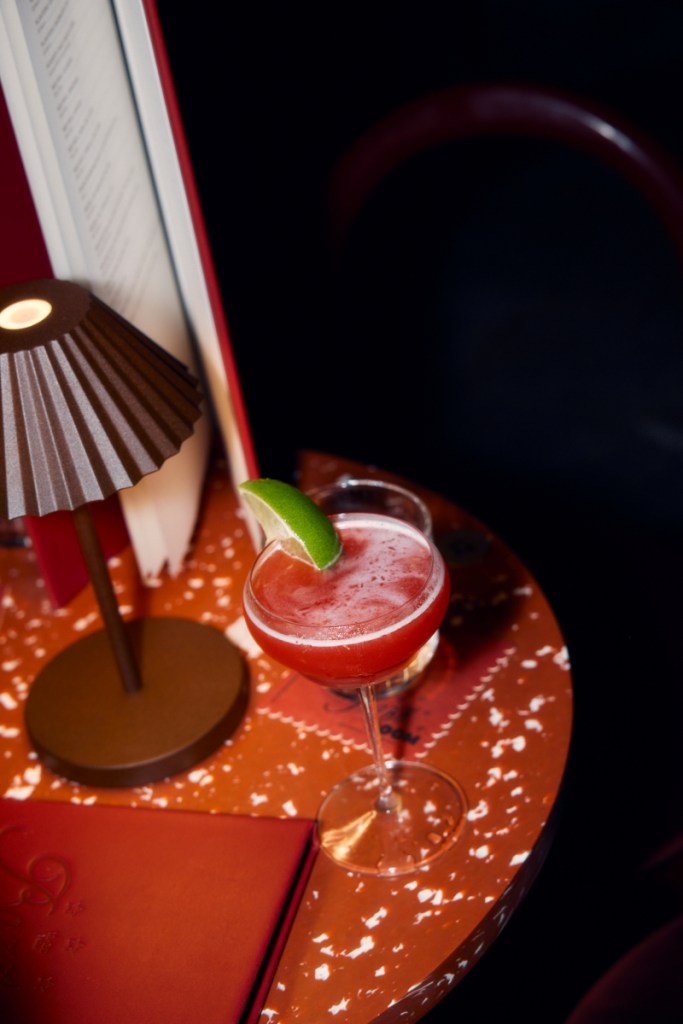
Two of Razz Room’s more “malleable” permutations include a ‘dirty’ take ($25) on the traditional daiquiri tailored toward briny martini drinkers in search of “added layers of complexity”. Then there’s a slushy, strawberry riff ($25) that utilises Sichuan peppercorns for a surprising lick of heat: a spec that I anticipate shall be ordered en masse come summer.
For Blackman, the widespread uptake of daiquiri-style drinks at Razz Room — and Odd Culture’s other venues across Sydney — is part of the “clear and conscious shift” towards mixed drinks built around white spirits, with “bright and refreshing” characteristics.
Paolo Maffietti, Maybe Sammy
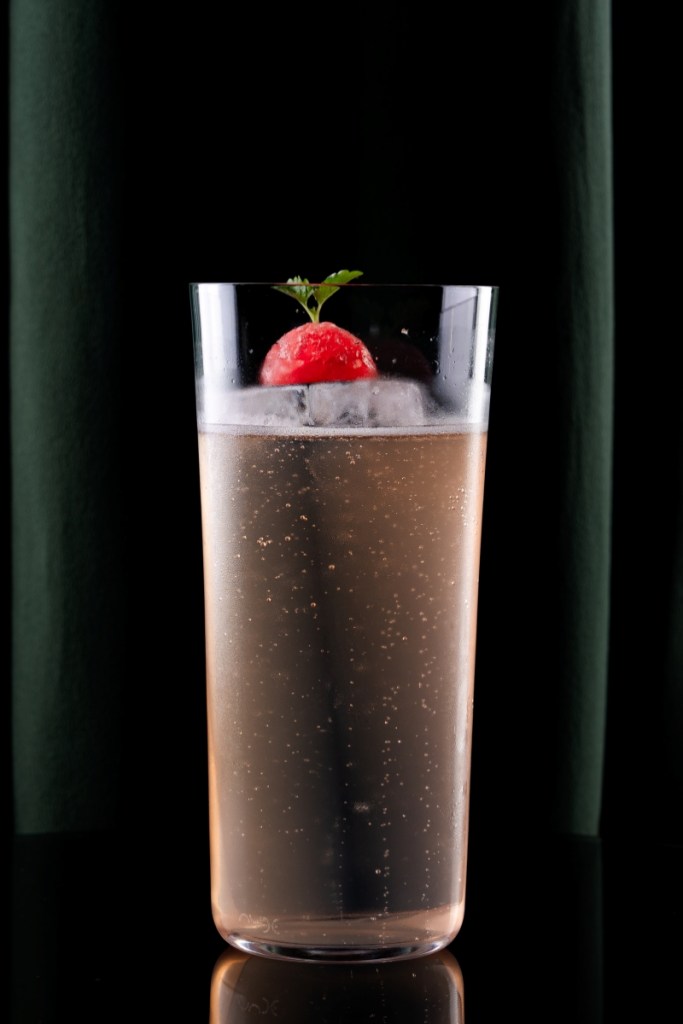
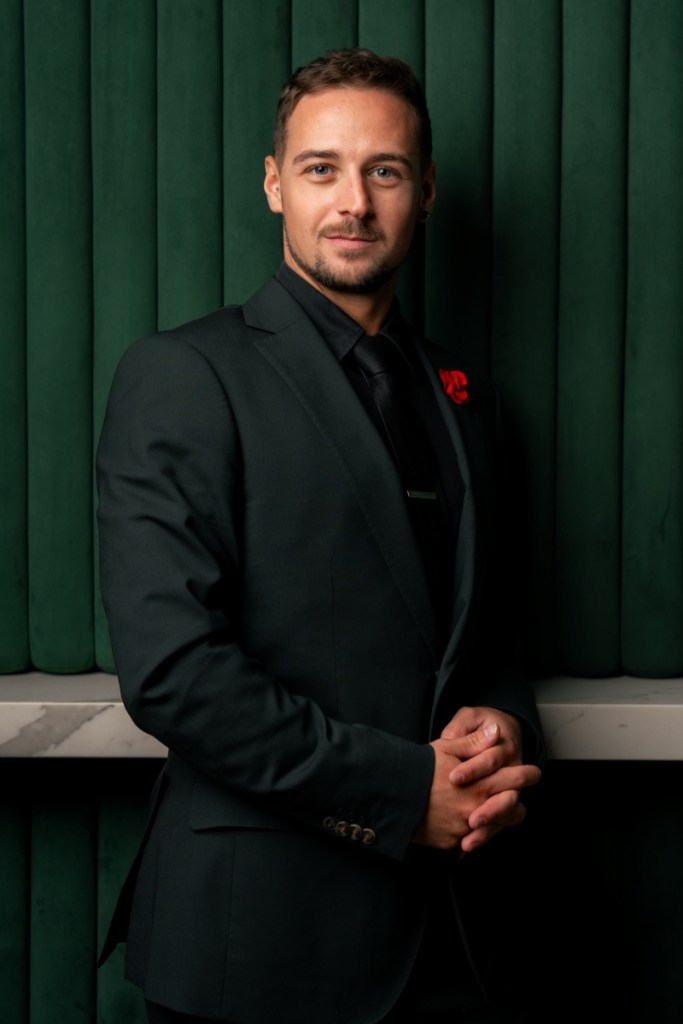
As a veteran barman who cut his teeth working with “Australia’s most awarded bar for the last decade”, Paolo Maffietti has seen countless trends come and go in the world of craft mixology. Indeed, in this country, he and his colleagues at Maybe Sammy are responsible for popularising several of them: from ‘smoke bubble’ garnishes to theatrical bar-side service.
But after what he describes as the “loud, viral drinks” of the previous 6-to-8-month cycle, a “much quieter” wave of preferences has steadily taken hold. Now, during peak service hours, Maffietti observes it’s not uncommon to see drinkers put away three or four cocktails apiece over the course of their reservation. What are they ordering? Increasingly, tall drinks loaded with plenty of ice, finished with an element of fresh citrus.
“That honestly wasn’t happening when everything on the menu included 30ml of bitter, stirred down spirits,” says Maffietti. “Guests are requesting serves which feel light on the palate. Our bartenders enjoy this shift too, as it puts the focus back on quality ingredients and on the precision with which a drink is executed.”
The signature paloma ($26) — named for one of Sergio Leone’s acclaimed spaghetti westerns — gives drinkers a fairly good indication as to where Maybe Sammy, and bars of its relentlessly creative, internationally competitive ilk are heading. “Focused on getting the fundamentals right,” as Maffietti so directly puts it.
Superficially similar to the tequila-and-grapefruit mixer enthusiasts already know, it benefits from “a small twist” that, as Maffietti explains, is the result of incorporating smoked rooibos tea and burnt sugar. Such ‘below the line’ tweaks, as I’ve taken to calling them, never show up in an obnoxiously outsize way. Rather, they lend a little more complexity to a cocktail that was, in its original guise, a proven crowd pleaser.
Lachlan Bentley, Gimlet and Apollo Inn
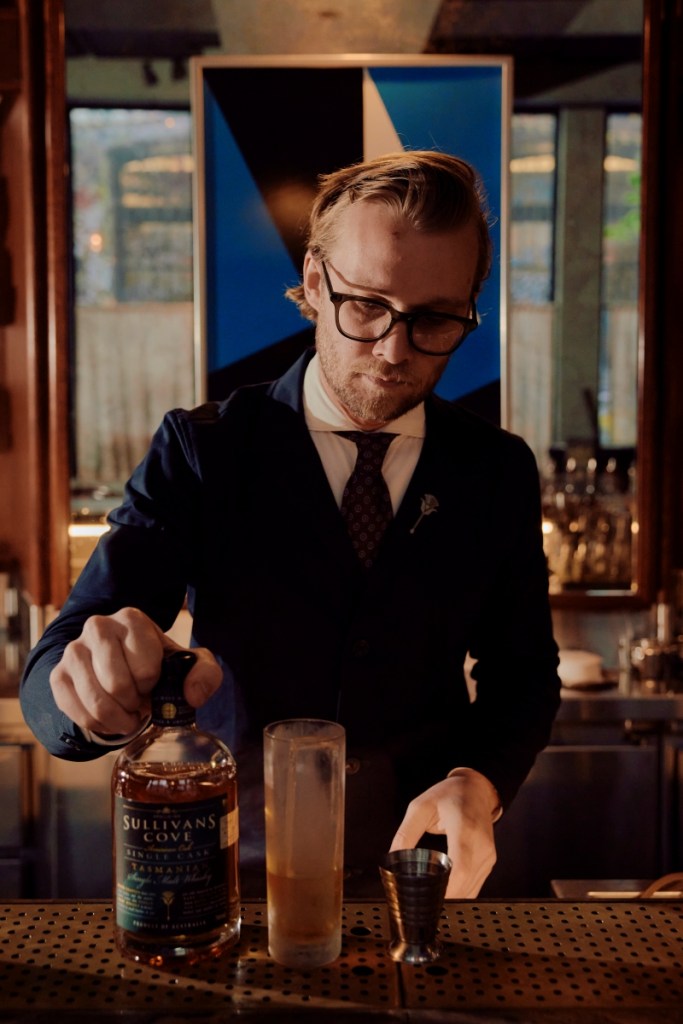
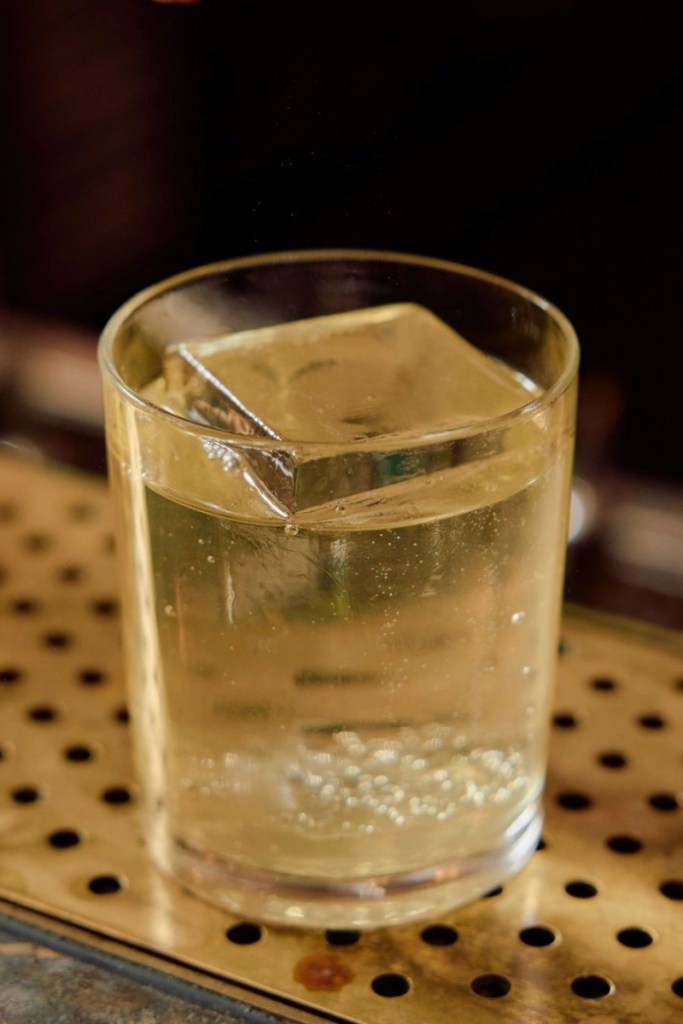
Even though Aussie bargoers are, as a general rule, less susceptible to novelty than their counterparts in North America and East Asia, the curiosity of the country’s median drinker has come leaps and bounds in the last few years.
In Melbourne, the appetite to try new things is so widespread that even restaurants (possibly already in possession of a killer wine list) can no longer coast on offering the usual shortlist of stirred, brown cocktails and espresso martinis. Among discerning drinkers, the inevitable request will always be for something “similar, yet different”.
Lachlan Bentley, who oversees the cocktail programs at both Apollo Inn and the two-hatted restaurant Gimlet has had to grapple with this new paradigm firsthand — in the somewhat surprising guise of the spicy margarita.
“Tequila has always been a popular category among Melburnian drinkers,” says Bentley. “But over the last 6-8 months, the appeal of the spicy margarita has taken off significantly.”
Rather than leaning into cutthroat pricing or gimmicks of service, Bentley’s solution — to ensuring that interest in the margarita remains high — was to offer variations on the gateway serve. Such recipes, which Bentley says “receive the same level of care as our listed cocktails”, encourage repeat visits from curious tipplers — especially since they are off-menu, and not necessarily advertised.
To match the characteristically understated style of Gimlet, Bentley developed a ‘house’ riff on the spicy margarita ($24) that fortifies the usual fresh lime and tequila formula with Cointreau. Prior to serving, the drink is finished with a homemade habanero ‘tincture’: another outwardly elaborate ingredient that is, in reality, no harder to prep than your average salad dressing.
“To create the tincture, infuse halved habanero chilis by steeping them in vodka (at a 10 percent ratio) for 24 hours under room temperature. Then it’s just a matter of adding to your margarita, to taste.”
For the ‘try this at home’ brigade, a reservation at Bentley’s venues is an opportunity, in much the same vein as dinner at your favourite bistro, not just to dine, but learn by observation. Assuming of course that the experience of drinking a great, off-menu cocktail made with apparent attention to detail isn’t enough for you.
Want to see more Forbes articles on your feed? Tap here to make Forbes Australia a preferred source on Google.
Look back on the week that was with hand-picked articles from Australia and around the world. Sign up to the Forbes Australia newsletter here or become a member here.