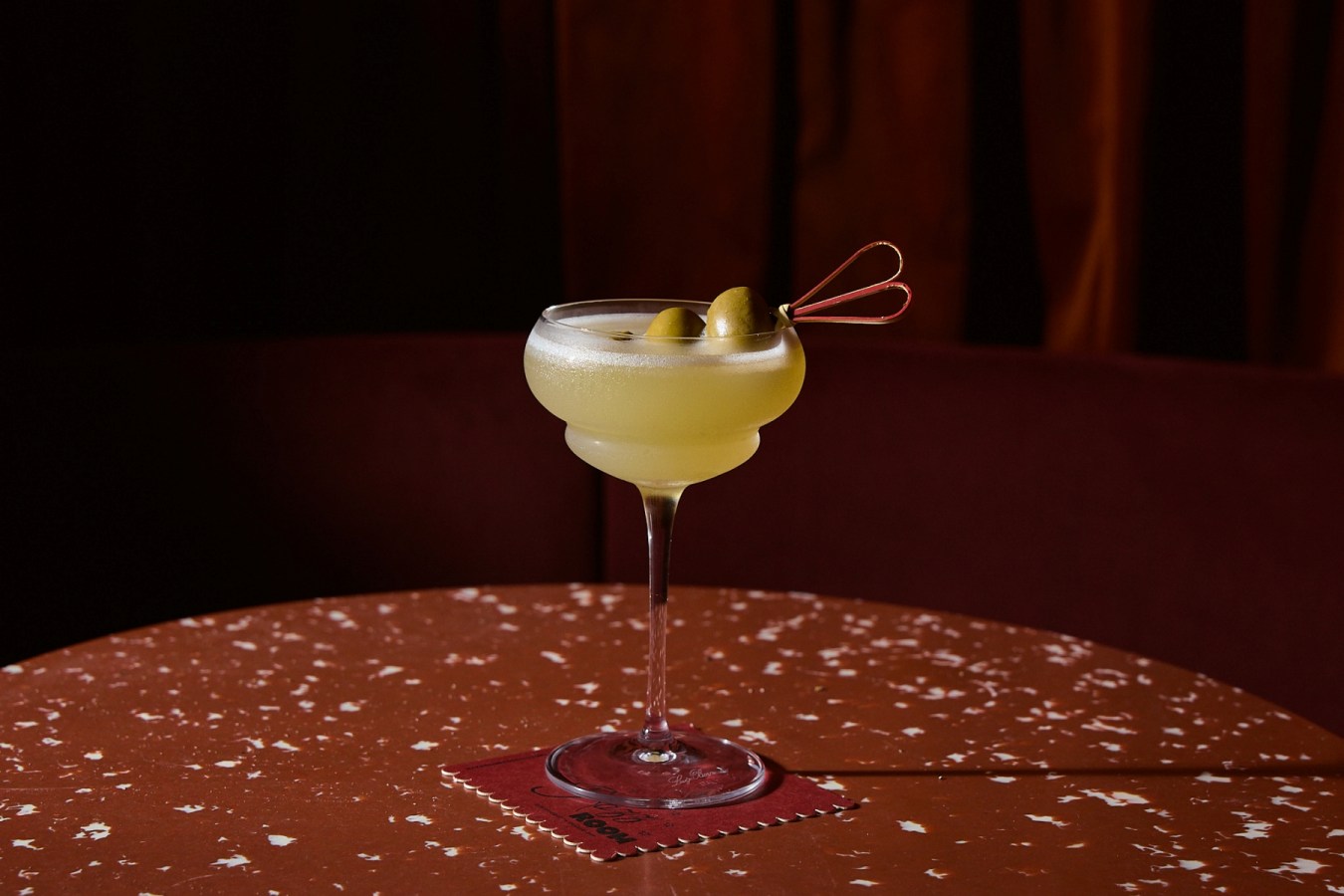
From underrated drops made along exciting new frontiers to Grand Cru burgundies requiring zero introduction, our resident drinks writer reflects upon the most intriguing and enjoyable bottles he’s sipped this season.

More than any other style in the world of winemaking, red wine is perhaps the most archetypal and influential. Industry professionals give a range of credible explanations for this: ranging from per capita consumption to intrinsic quality, and the category’s (oft challenged) health benefits.
For yours truly, a simpler barometer for cultural cachet suffices. Compose a message in your smartphone and consult the ‘wine’ emoji — we all know the colour of the liquid that’s depicted. Spoiler alert: it certainly ain’t pink or white.
Of course, this time of year in Australia, the nation’s drinkers habitually turn to red wine in larger than average numbers. The category’s richness, balance of tannin, and median ABV range (12-15 per cent) all make it a no-brainer for wintertime imbibing — even if the very best red wines possess a drinkability that won’t wane come the arrival of warm weather.
Below, Forbes Life has pulled a selection of bottles from the proverbial cellar that cover the breadth of seasonal drinking scenarios: from big, bold Claret-style reds that will go the distance at your next backyard barbeque to more esoteric formulations right up the alley of the sommelier at your local wine bar.
Xige Estate ‘Jade Dove’ Cabernet Gernischt (2021)
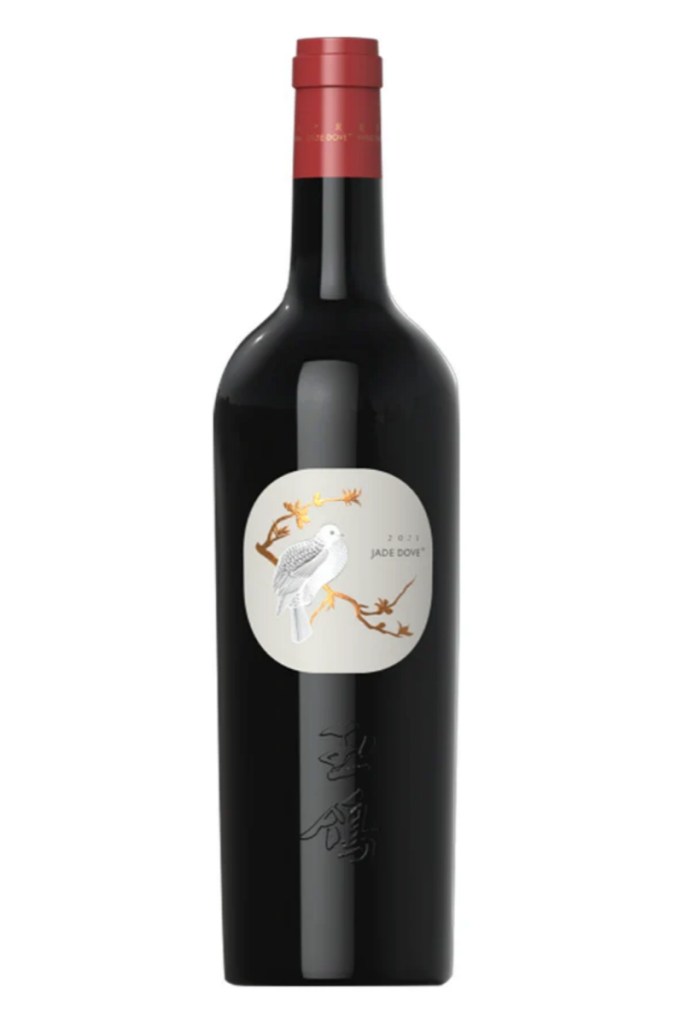

Region: Helan Mountains, Ningxia; People’s Republic of China
Grape Variety: 100% Cabernet Gernischt
Who’s Drinking This?: Moustachioed sommeliers at the local ‘small plates’ haunt serving $40 panisse; That one friend with a dogeared copy of Fuchsia Dunlop’s Invitation to a Banquet
Not to put the matter indelicately, but the phrase ‘fine winemaking’ has seldom been historically linked with Mainland China. It’s clear, however, that in 2026 that paradigm is shifting: thanks to more than a decade of hard, impassioned work from Chinese wineries in the mould of Silver Heights, Ao Yun, and of course, Xige Estate.
Founded in 2017, Xige combines meticulous viticulture with a highly technical approach in the winery. Its ‘single vineyard’ Cabernet Gernischt reflects both, showcasing the esoteric French grape, also known as carménère, which has responded exceptionally well to the soils of Qingtongxia at the eastern base of Ningxia’s Helan Mountain range.
Gernischt sourced from 20-year-old vines – unusually old by the standards of China’s domestic wine industry – is matured for 12 months in 300-litre French barriques. The resulting wine, even at this early juncture, is notably full-bodied; drinking with polished tannins and a long, savoury finish. This single vineyard expression’s nose is particularly engaging: offering aromas of violet, strawberry jam, and the traditional Asian licorice root known as gancao.
$90 via Fancy Cellars.
Alex Foillard Cote de Brouilly (2023)
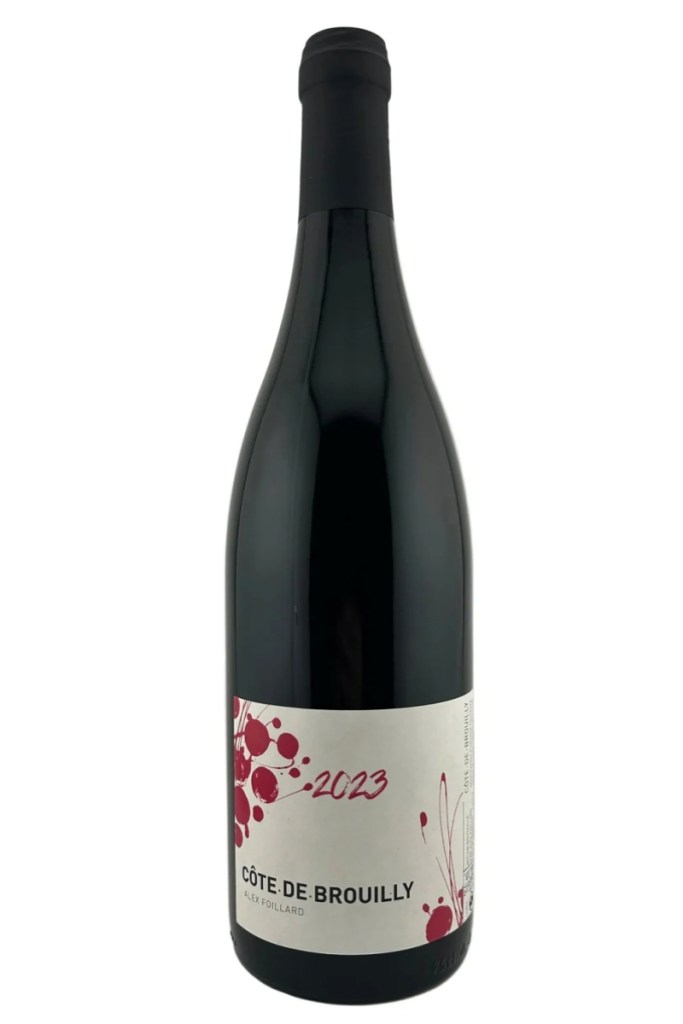
Region: Côte de Brouilly, Beaujolais; France
Grape Variety: 100% Gamay
Who’s Drinking This?: Coffee snobs who’ve substituted their V60 pour over obsession for natty wine; Your colleague who has just spent two weeks in Paris, mostly in le dixième.
Before all else, French wine enthusiasts are likely to recognise the surname that adorns this bottle of Cȏte de Brouilly Beaujolais. Crafted by Alex, son of the legendary cult vigneron Jean Foillard, this particular expression of gamay is a really great way to win sceptics over to the enjoyment that old-school natural winemaking has to offer.
In contrast to his father, Alex Foillard’s Beaujolais reds are made primarily in the Cȏte de Brouilly — named for the extinct volcano, Mont Brouilly, at the appellation’s centre. Soils dominated by the blue stone mineral known as diorite have a pronounced influence on Foillard’s wines. They are elegant, finely etched, and ‘succulent’ in the way so many of the best cru Beaujolais tend to be.
Equally suited to casual quaffing or pairing with charcuterie and grilled fish at your next dinner party, the wine carries a laser-sharp line of acidity throughout. Atop this, expect light-to-medium bodied flavours of wild strawberry and morello cherries. A ‘serious’ drop – for lovers of energetic, fruit-weighted reds – without any of the habitual stuffiness of Old World winemaking.
$83 via Appellance.
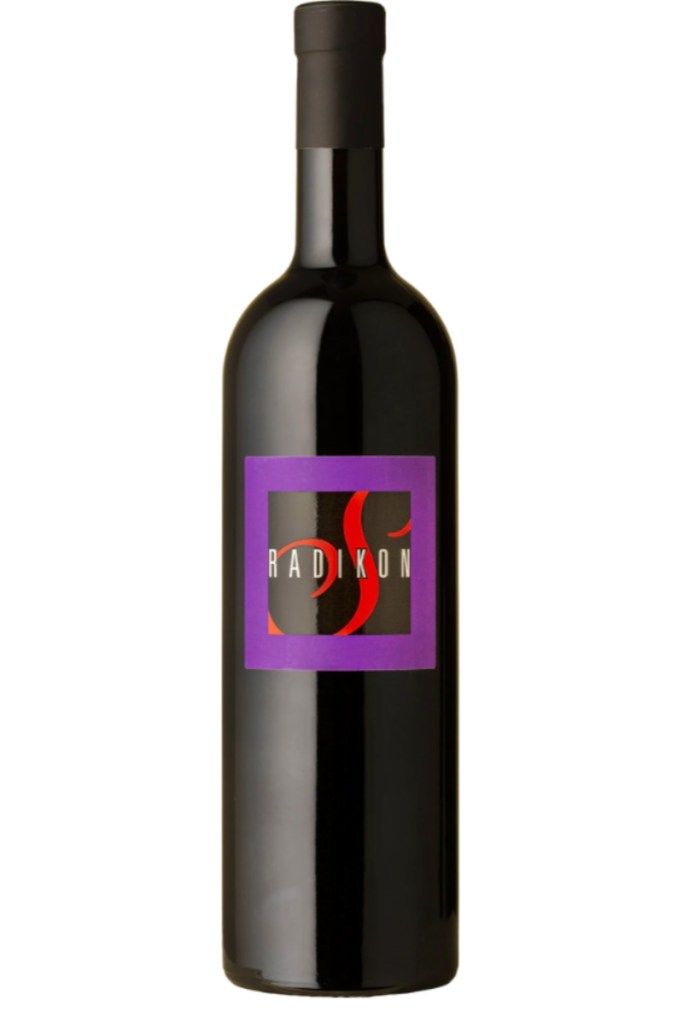
Radikon ‘RS’ Rosso (2023)
Region: Oslavia, Gorizia; Italy
Grape Variety: 75% Merlot, 25% Pignolo
Who’s Drinking This?: Wine writers who will monologue (unbidden) about “the nuances of carbonic maceration”; Bartenders specialising in craft cocktails on their day off
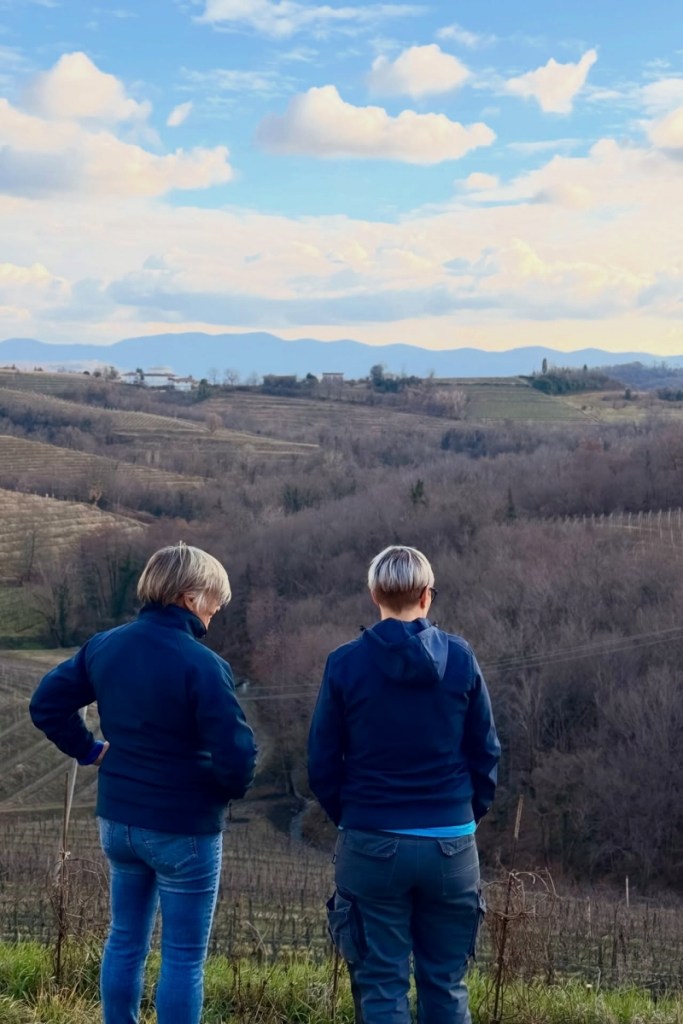
As if Italy’s vast, millenia-long tradition of winemaking (which today, still involves the production of some 350-500 grape varieties) wasn’t complex enough, here I have the opportunity to introduce you to the quaint little village of Oslavia. Situated in the part of Fruili-Venezia Giulia bordering Slovenia, Oslavia’s primary claim to fame (among lovers of cult winemaking) is that it’s home to the late, great Stanko Radikon.
Acclaimed for his innovative approach and passion for native grape varieties, Stanko passed the estate on to his son Saša, who oversees it today. One of the younger Radikon’s most exciting initiatives has been the introduction of an ‘S’ range of wines. Broadly, these are all more approachable in palate and pricepoint than the classic Radikon drops, thanks to a regime that involves more time in oak and less spent macerating on skins.
The brand’s ‘RS’ bottling, noted for its integration of the Fruilian grape variety Pignolo, is a useful ambassador for the range at large. Imagine drinking a fruit salad of squashed blackberries — perfumed with aromas of lavender, cedar wood, and sage — and you’ll be on the right track. Due to the blend’s balance of fruit and acidity, Saša even recommends pairing this wine with raw fish courses like sashimi. Red wine and fish, you say? Sorcery.
$79 via Act of Wine.
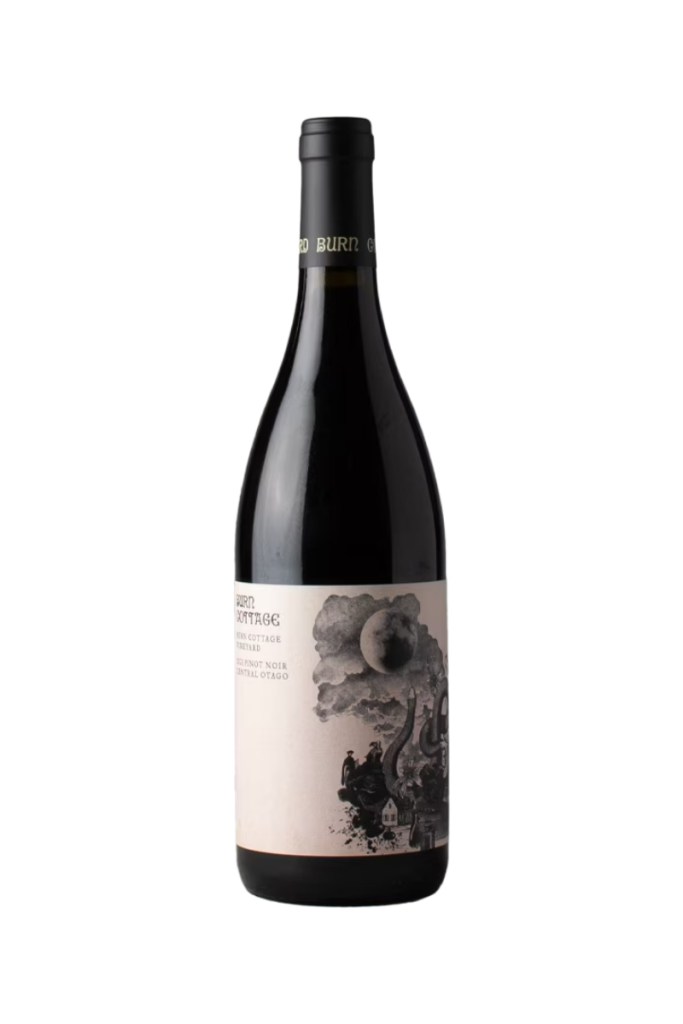
Burn Cottage Vineyard Pinot Noir (2023)
Region: Central Otago; New Zealand
Grape Variety: 100% Pinot Noir
Who’s Drinking This?: Lovers of cool climate, site-expressive wines — think California AVAs; PE fund managers who do all their ‘networking’ at 67 Pall Mall or Club Bâtard.
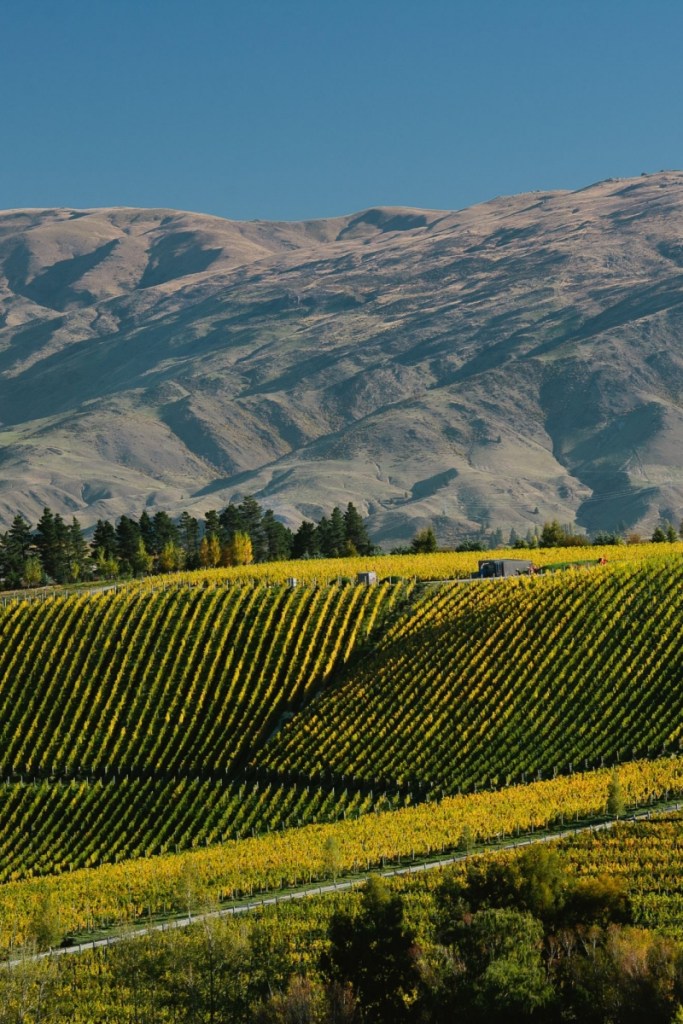
If you’re the sort of drinker who enjoys red wine made in the tradition of cool-climate, low-yield terroirs (e.g. the Mornington Peninsula) chances are you’ll take a liking to Burn Cottage. The family established the estate more than 20 years ago in the foothills of Central Otago’s Pisa Range, widely regarded as one of New Zealand’s premier regions for growing and producing Pinot Noir. (Felton Road, another Kiwi winery of similarly global standing is just an eight-minute drive away.)
The winery’s most important annual release is invariably the eponymous Burn Cottage Vineyard Pinot Noir: made using grapes picked from more than half a dozen different blocks, all located in the original estate holding. Plantings here are, on average, over 20 years old and the vineyard itself forms a natural amphitheatre — providing the ideal conditions to create red wine of “wonderful suppleness” and “great cellaring potential”.
Like a number of other acclaimed Kiwi pinot noir specialists, Burn Cottage is adept at making wines that, whilst age-worthy, are equally capable of immediate enjoyment. Fine tannins and a gentle grip of acidity help to reverberate the wine’s flavours across the palate: rose petal, dark cherries, milk chocolate, and a distinctly crunchy cranberry finish.
$110 via Prince Wine Store.
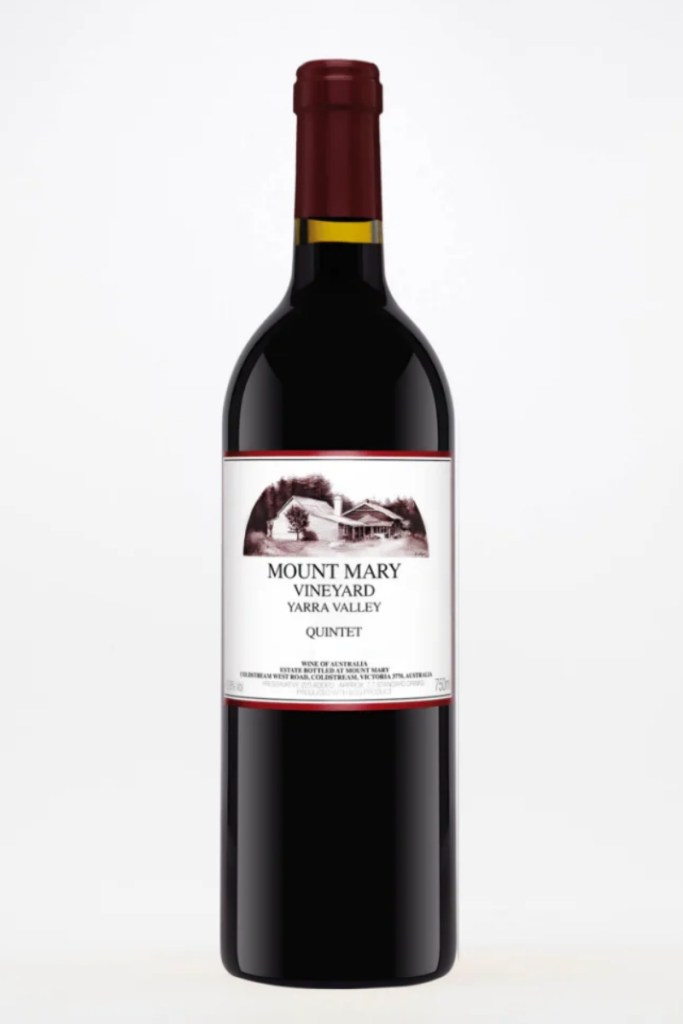
Mount Mary ‘Quintet’ Cabernet Blend (2023)
Region: Lilydale, Yarra Valley; Australia
Grape Variety: 50% Cabernet Sauvignon, 28% Merlot, 17% Cabernet Franc, 3% Malbec, 2% Petit Verdot
Who’s Drinking This?: That one uncle who has had a Halliday Wine Companion subscription since 1996; Well-heeled corporate types who buy all their wine at auction to experience joy
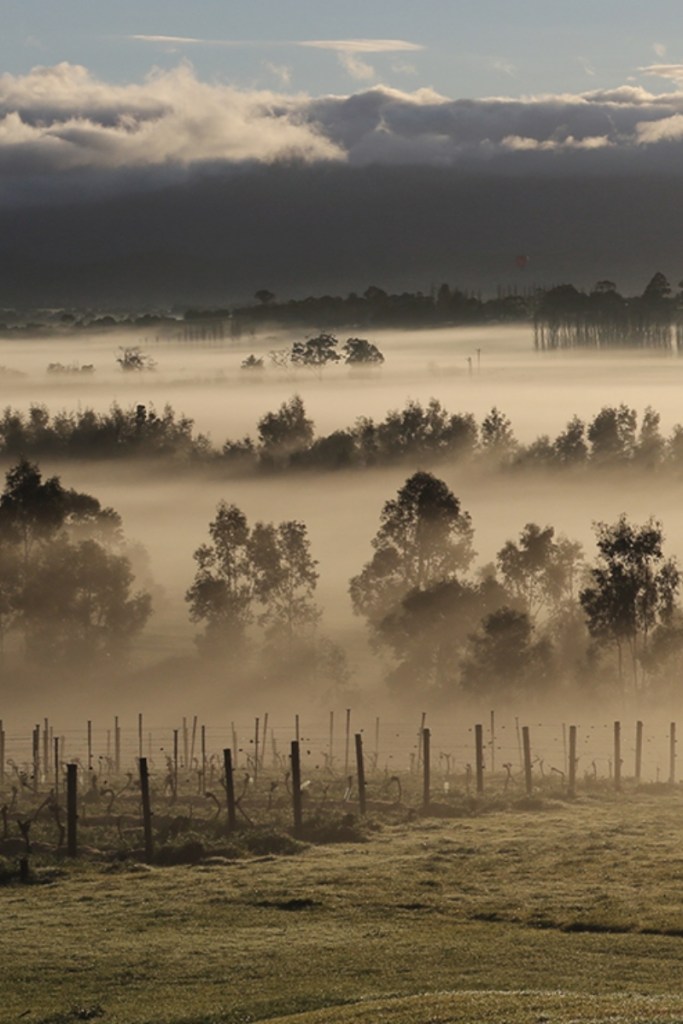
In the firmament of iconic Australian winemakers, the names ‘Penfolds’ and ‘Henschke’ are probably the most publicly profiled — yet you won’t have to do much digging thereafter to arrive at Mount Mary. Named for the Yarra Valley site upon which the Middletons established their eponymous, multi-generational winery in 1972, today Mount Mary remains a family-owned operation: responsible for making a number of Australia’s most collectible red and white wines.
Dr. John Middleton, the original Mount Mary patriarch, was himself said to have been “hooked on French premium wines”. He recognised several climatic parallels early on between the Yarra Valley and legendary terroirs of Bordeaux and Burgundy, laying the groundwork for a range of handcrafted styles which pay tribute to those locales in stunning fashion.
The most characteristic of these is ‘Quintet’: the flagship red wine that gets its name from five classic grape varieties traditionally employed in Bordeaux-style blends. The best vintages — 1990, 2015, and 2021 — exhibit small fruit aromas and a “quality of fine grain tannin” unique among Australian-made red wine. The most significant explanation for this is the winemaking team’s meticulousness in the vineyard: with individual grape varieties picked at differing stages of ripeness and used in differing ratios, based on seasonal conditions.
In line with other vintages, 2023 is built around a core of Cabernet Sauvignon (46%), offering a balance of rich dark-fruited flavours, cedar, pencil shavings, and a mineralic core. Classically Bordelaise in style with a uniquely Australian freshness, it can be enjoyed now or cellared for a decade to come.
$215 via Langtons.
Want to see more Forbes articles on your feed? Tap here to make Forbes Australia a preferred source on Google.
Look back on the week that was with hand-picked articles from Australia and around the world. Sign up to the Forbes Australia newsletter here or become a member here.