Why investing in children is a strategy for prosperity

What if the strongest indicator of a nation’s future wasn’t GDP, but how its children are faring?
BRANDVOICE – PARTNER CONTENT
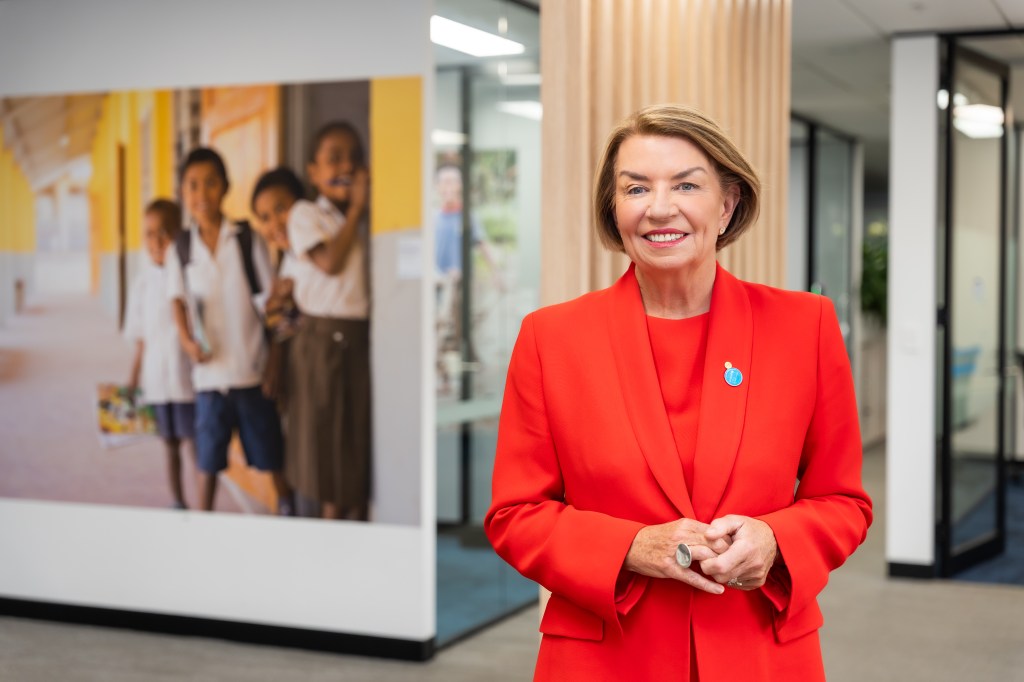
Anna Bligh began her career working in a women’s refuge, supporting mothers rebuilding their lives from nothing. The work that followed unfolded in very different settings, but it shared a common thread: how institutions can support people when they need them most.
In 2011, as Premier, she led Queensland’s response to the worst natural disaster in living memory. Later, at the Australian Banking Association, she helped shape reforms designed to strengthen protections for everyday Australians. Through each role ran the same conviction: that every child deserves the opportunity to thrive, and that stronger societies are built when they do.
Now, just weeks into her new role as Chair of UNICEF Australia, Bligh calls it a homecoming.
“It brings me full circle,” says Bligh.
She is not arriving alone. A few thousand kilometres to the north, in Bangkok, Sanjay Wijesekera has begun his tenure as UNICEF’s Regional Director for Asia and the Pacific. Having worked across UNICEF for more than 14 years, he now oversees a region that’s home to nearly half the world’s children.
Bligh and Wijesekera will play an important role in advancing the case for why investing in children is critical to future prosperity and stability.
Our region, our future
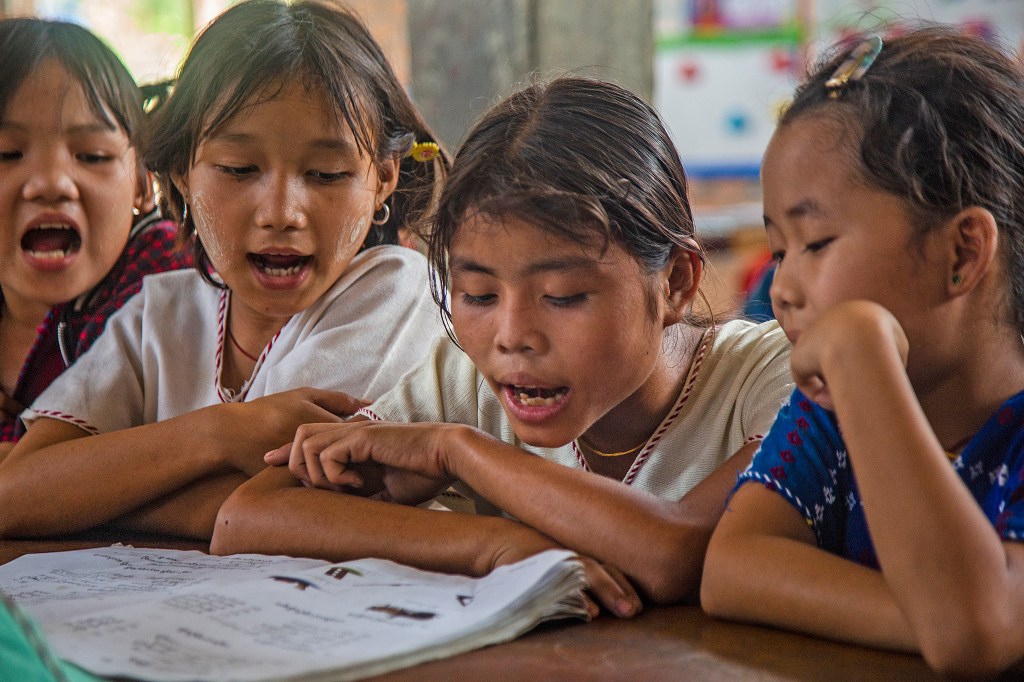
For Bligh, the decision to join UNICEF Australia is grounded in a simple conviction: putting children first is not only a moral imperative but also an investment in stronger, more resilient communities.
“You can’t be a prosperous country if your children are not healthy, well educated, and ready to take their place in the world,” she says.
The leadership transition comes at a time when climate shocks, economic volatility, and digital disruptions are reshaping children’s lives worldwide, particularly in Asia and the Pacific.
“Investing in children is one of the smartest long-term decisions we can make,” says Wijesekera, who has spent more than 25 years helping governments and communities create better futures for children.
“Children who can learn, grow, feel safe and reach their full potential ultimately contribute to stronger communities and more resilient economies,” he says.
Bligh believes the benefits extend well beyond the children directly impacted.
“It benefits Australia if we have strong and prosperous countries in our region,” Bligh says. “We benefit economically through trade; we benefit culturally, and our national security is better protected.”
That case becomes more compelling when investment begins in a child’s earliest years.
“The dollars you spend between zero and five are the most effective,” Bligh says. “Education, I think, is the greatest liberator.”
If children start school already behind, catching up can be a lifelong challenge.
“If you go to school behind everybody else in your class, you can sometimes never catch up. Children can spend the rest of their lives trying.”
The power of early action
The economic case is equally compelling. Vaccination, one of UNICEF’s largest areas of work, returns up to $54 for every dollar invested.
Education returns up to $15. UNESCO estimates that keeping children out of school could cost the global economy $10 trillion over the next decade.
The impact can be seen across the region. When a measles outbreak swept through Bangladesh last year, 81% of cases were in children under five. More than a third were infants not yet old enough to receive all recommended measles vaccine doses.
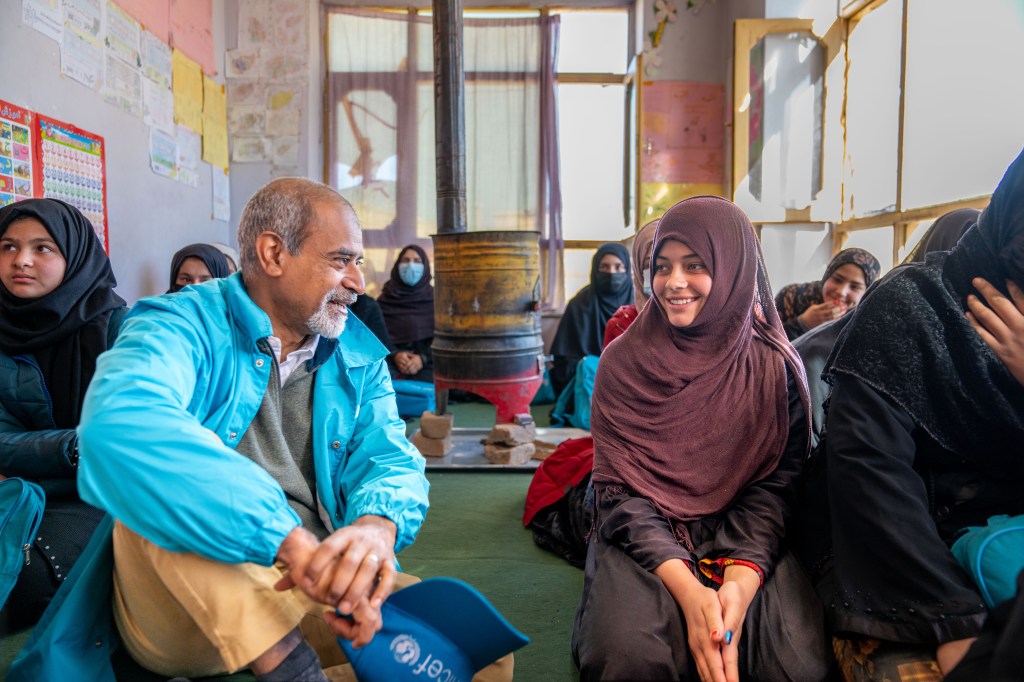
“Children who can learn, grow, feel safe and reach their full potential ultimately contribute to stronger communities and more resilient economies.” – Sanjay Wijesekera
As the response continues, UNICEF, WHO and Gavi have reached 1.2 million children, deploying almost 12 million measles-rubella vaccine doses while strengthening health systems and local delivery networks.
For Professor Elizabeth Elliott, the University of Sydney paediatrician and senior advisor on child health at UNICEF Australia, the evidence has been building for decades.
“Children are among the most vulnerable members of any society,” she says. “They depend entirely on the adults and institutions around them to advocate on their behalf.”
The benefits of investing early compound over time. Children’s health, cognitive development and future economic participation are all shaped by the opportunities they receive in their earliest years.
“We’ve actually got to reprioritise children,” she says.
“The evidence is clear. The opportunity is in how we respond to it.”
Long-term impact
UNICEF is one of the world’s largest children’s organisations, but scale is only part of the story. A distinctive feature of UNICEF’s work is how its programs are delivered.
“One of the strengths of the way UNICEF thinks about and executes its work is that partnership model,” Bligh says.
“UNICEF doesn’t go in with big boots and say, ‘We know it all, get out of the way.’ That’s not how it works.”
UNICEF’s work relies on trusted relationships that take years to build. Governments matter. Local leaders matter. So do elders, religious figures, teachers, health workers and families.
“Those programs can’t succeed unless community leaders are leading them and believe that they’re the right response for their communities.”
For Bligh, that requires a particular mindset. “Who am I to be here? I need to find the people who really matter in this community and build a good relationship with them, so that we can do this together.”
Enduring partnerships
Building those partnerships and creating lasting change takes long-term investment.
As a 100% donor-funded organisation, UNICEF Australia works with philanthropists, family offices and business leaders who want to help children thrive. When values and purpose align, philanthropy can help scale proven solutions and accelerate progress for children.
“Investing in children is one of the smartest long-term decisions we can make.” – Anna Bligh
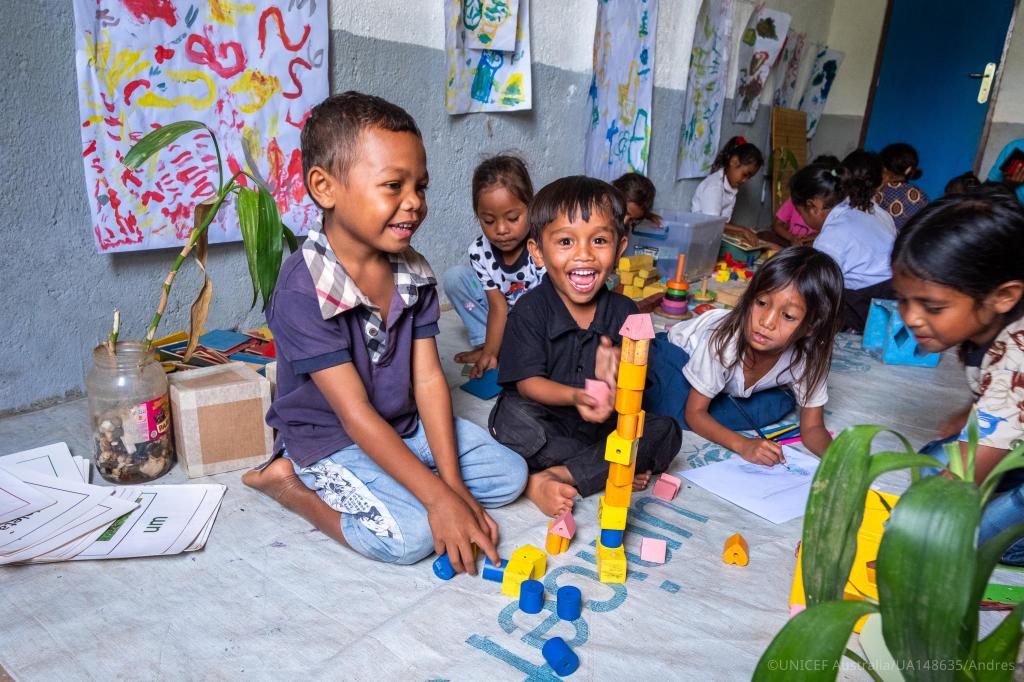
Around the world, UNICEF is strengthening the systems children rely on, from health services in Bangladesh to early childhood education in Timor-Leste. These investments build local capacity and support lasting progress.
For both Bligh and Wijesekera, the scale of the challenges facing children today only strengthens the case for action.
“The question is not whether we can afford to invest in children,” Wijesekera says. “It is whether we can afford not to.”
Learn more about how partnerships can help create lasting outcomes for children around the world:unicef.org.au/philanthropy
Want to see more Forbes articles on your feed? Tap here to make Forbes Australia a preferred source on Google.
Look back on the week that was with hand-picked articles from Australia and around the world. Sign up to the Forbes Australia newsletter here or become a member here.