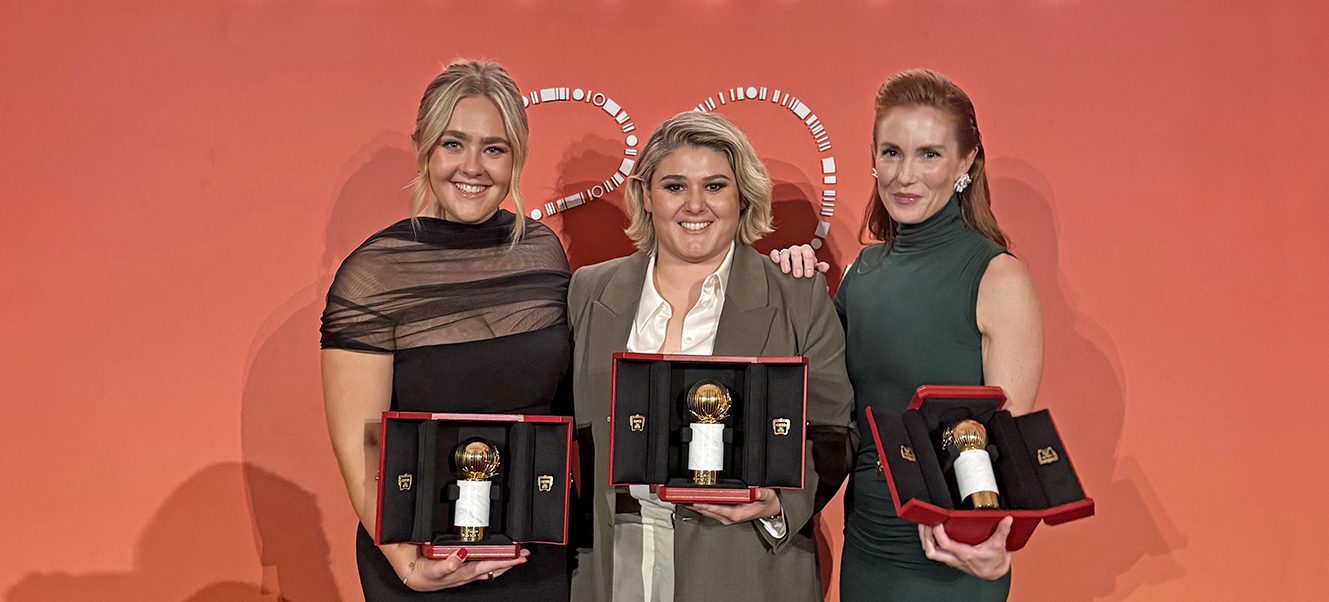

As the Cartier Women’s Initiative celebrates two decades of driving global change, the spotlight turns to three Australian trailblazers proving that local solutions can address complex global challenges.
BRANDVOICE – PARTNER CONTENT
This story features in Issue 24 – out now. Tap here to secure your copy.
When Rosie Dumbrell, a former Australian triathlete and physiotherapist, welcomed four children into the world in less than five years, she experienced pelvic floor dysfunction and a prolapse.
The 38-year-old saw an opportunity to create a line of medical-grade compression wear for postpartum women.
“The leading products looked horrendous and took away my dignity,” Dumbrell says. “I was so underwhelmed. They didn’t function well, and they made my symptoms worse.”
Determined to build a holistic alternative, Dumbrell engineered a high-performance line of garments designed to keep postpartum and pregnant individuals active. Six years later, the Melbourne-based therapy wear entrepreneur is one of three 2026 Australian Cartier Initiative fellows and has her sights set on a gigantic global market.
“What I want is for our product to be the sports bra for the pelvic floor,” the founder of Everform Therapywear says.
Identifying and supporting innovative entrepreneurs tackling big systemic problems is the bread and butter of what the Cartier Women’s Initiative, now in its 20th year, does.
The $14 million in investments CWI has made in 33 social impact entrepreneurs around the globe have attracted other industry heavyweights, such as human rights barrister Amal Clooney.
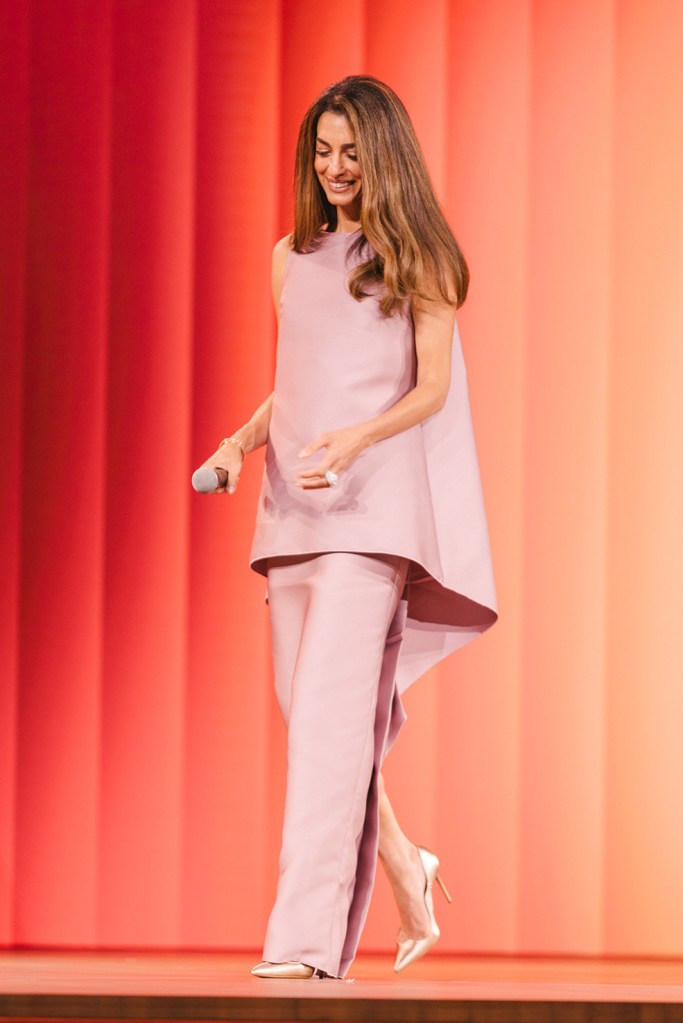
Attending the Bangkok summit as a programmatic anchor, Clooney spent the week moving between private working sessions with the 30 international fellows, discussing the multidimensionality of women in a Cartier Dialogues session, and giving a keynote at the awards ceremony.
“Any initiative that helps to unleash women’s ability to participate in the workforce and tackle global challenges is one that I support,” Clooney says. “A single female entrepreneur doesn’t just lift herself out – she shows a whole community what a girl is capable of. And that ripple effect can go a long way.”
The diversity in challenges that the fellows are taking on is epitomised by Ruby Riethmuller, another 2026 Australian Fellow. Riethmuller’s digital platform Womn-Kind provides mental health and social support to young people in 37 countries, serving as a lifeline for isolated, remote communities.
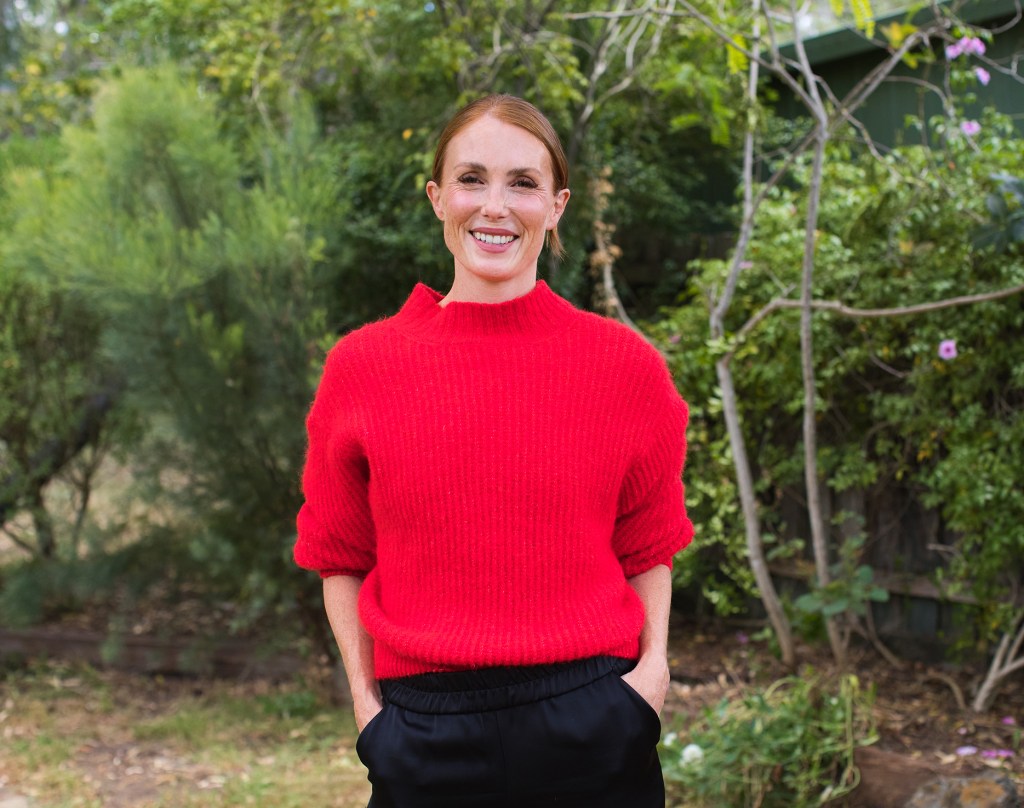
Riethmuller achieved this global footprint without a traditional background in mathematics, science, or technology. “When we first launched our MVP, it took $100,000 and a 16-month software development process,” she says.
But the velocity of modern innovation changed her timeline during this month’s CWI summit in Bangkok. Prompted and coached by another Australian fellow, Alexandra Cannizzaro, Riethmuller utilised cutting-edge AI tools to update her operational paradigm during the week-long CWI celebration.
“In less than a week, while working 14-hour days at the summit, I rebuilt the app using Claude and Replit to integrate a completely new function where parents and carers can see how their daughters are tracking,” Riethmuller says.
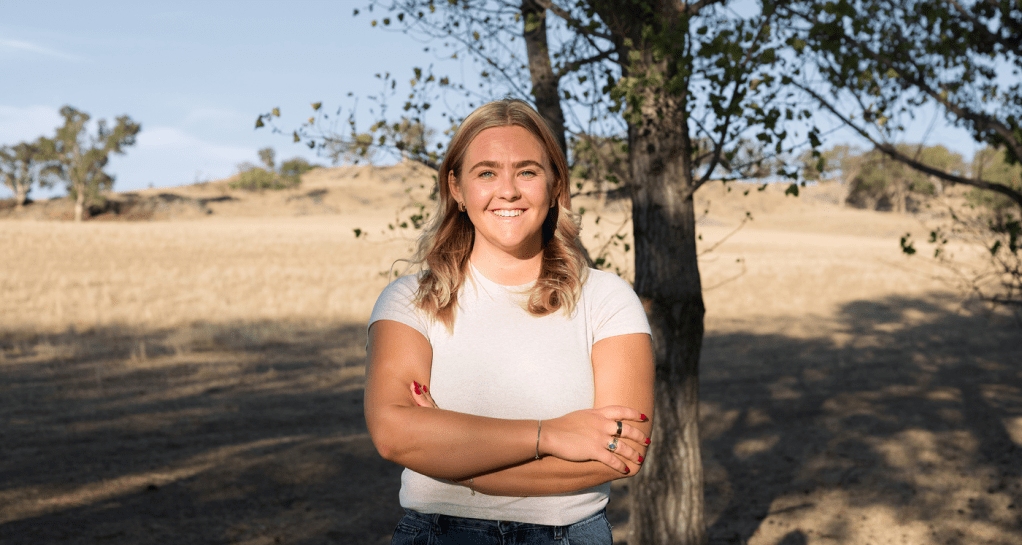
The instigator of that coding collaboration was Cannizzaro, who was awarded first place in the Oceania CWI cohort. Like Dumbrell, Cannizzaro was an elite athlete who travelled the international tennis circuit as a teenager. She retired at 19 after a spinal injury, pivoted to entrepreneurship, and is now at the helm of start-up Platform Zero.
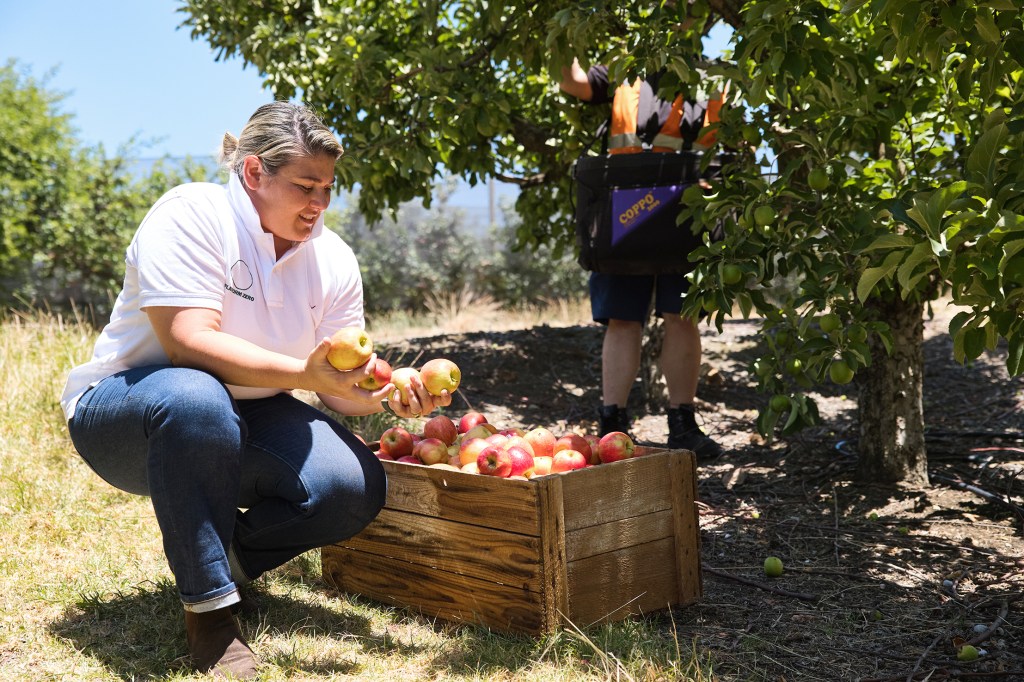
“Fruit and veg going to landfill is the fourth largest greenhouse gas emitter in the world,” Cannizzaro says. “The wholesale produce industry is operating today much like it did in the 1920s – largely via pen, paper, and midnight phone calls.”
The 34-year-old saw an opportunity for efficiency and digitised the supply chain, building a B2B marketplace that connects wholesalers and farmers nationally and internationally.
By reducing the cost of goods for businesses by up to 50% while guaranteeing farmers payment within 48 hours, Platform Zero is gaining traction.
Surviving the risk-averse reality of local venture capital
Cannizzaro, who bootstrapped the company to $1 million in monthly revenue, found the conversations with CWI fellows in Bangkok eye-opening. Now looking to raise capital, she notes a distinct aversion to risk among investors at home. “Corporate investors in Australia can be highly risk averse.”
Dumbrell echoes this capital-raising challenge. “It has been an absolutely harrowing experience to raise capital in Australia as a female founder,” she says.
This capital landscape underscores why a global network like CWI is a critical asset, substituting institutional credibility and international connections for standard local venture capital pathways.
“Only about 3% of venture capital money goes to women entrepreneurs, entirely due to a misunderstanding of risk,” Vigneron says.
“There is zero evidence of a gender-based difference in business success rates or repayment.
“Yet the financial barriers persist, compounded now by modern challenges like online bullying and digital disinformation campaigns that systematically target and attempt to discredit prominent women.”
Learn more at cartierwomensinitiative.com.
Want to see more Forbes articles on your feed? Tap here to make Forbes Australia a preferred source on Google.
Look back on the week that was with hand-picked articles from Australia and around the world. Sign up to the Forbes Australia newsletter here or become a member here.