With the Dallas Cowboys valued at a record-breaking $17 billion, the league’s 32 franchises are now worth more than $300 billion combined—and recent stake sales signal there may be no limit on prices.
That the Seattle Seahawks changed hands this year wasn’t too surprising—NFL rules prohibiting estates from owning franchises meant the team had been destined to hit the market since the death of Microsoft cofounder Paul Allen in 2018, and the whispers began to circulate around the league before the Seahawks’ Super Bowl victory in February. That billionaire venture capitalist Vinod Khosla ultimately agreed to shell out $9.6 billion for the club wasn’t exactly a shock to NFL insiders, either, even as the price tag set a league record for a purchase of a control stake.
But it is still a little hard to grasp that a franchise worth nearly $10 billion is now merely the NFL’s 14th-most-valuable team.
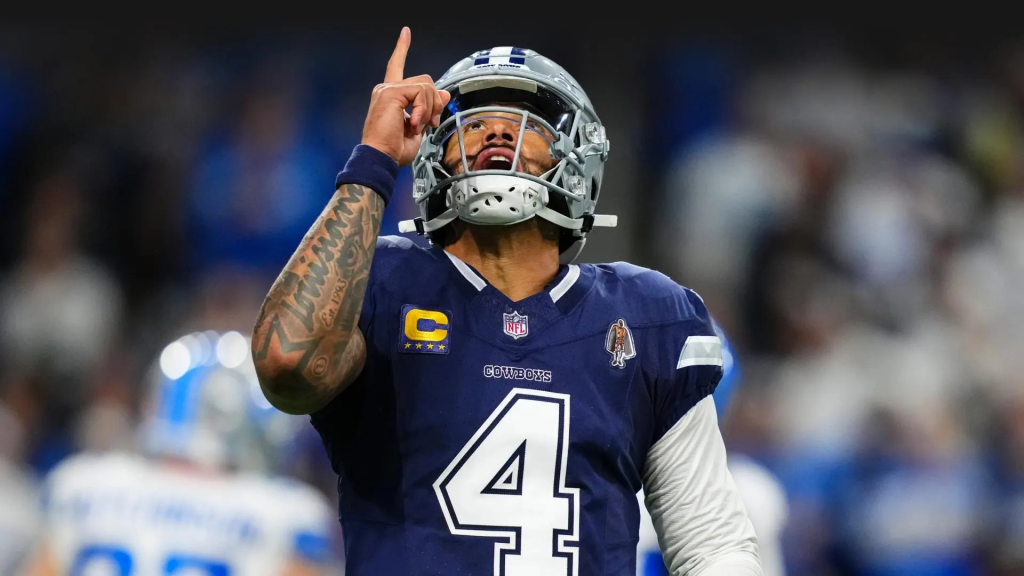
In fact, ten clubs—nearly a third of the 32-team league—have enterprise values exceeding $10 billion, just two years after the Dallas Cowboys became the first franchise from any sport to cross that threshold. Today, the Cowboys are worth $17 billion, having run a fly pattern past three billion-dollar milestones since Forbes pegged them at a world-best $13 billion last year.
Dallas has led Forbes’ list of the NFL’s most valuable teams for 20 straight years, yet America’s Team continues to break new ground. Despite a Super Bowl drought that stretches back to January 1996, Jerry Jones’ Cowboys generated nearly $1.28 billion in revenue last season, according to Forbes estimates, edging Real Madrid’s $1.27 billion from 2024-25 for the largest total Forbes has ever measured for a sports team. Dallas also posted an estimated $677 million in operating income last season, putting the Cowboys $342 million ahead of the next-best NFL franchise and making them by far the world’s most profitable sports team.
There are eye-popping numbers up and down the NFL’s 2026 ranking, however. The Cincinnati Bengals—No. 32 for the fifth straight year—are now worth an estimated $8 billion, a figure that would have tied for the league lead in 2022. The average team value, meanwhile, stands at $9.5 billion, up 34% from 2025’s $7.1 billion—the NFL’s second-largest jump in percentage terms since Forbes began publishing its franchise valuations in 1998, behind only 2015’s 38% increase. The league average has also more than doubled since 2022, when it was $4.5 billion, and more than quadrupled from a decade ago.
The Seahawks have soared 43% since Forbes valued them at $6.7 billion last year, and the Bengals have scratched out an even bigger gain at 52%, up from $5.25 billion in 2025. But the Falcons are the highest flyers of all this year, rising 59% to round out the top ten at $10.1 billion, up from $6.35 billion.
The NFL bull rush is in part a reflection of a reality that no other league in the world inhabits: With the salary cap set at $301 million this year and each team banking more than $400 million from the league’s national media rights last season, according to Forbes estimates, every NFL franchise is essentially guaranteed to make money. And the economics are expected to shift even more in the league’s favor in the coming years, with the NFL able to opt out of its lucrative TV deals and renegotiate them at even higher rates after the 2029 and 2030 seasons, a couple of years ahead of their scheduled end.
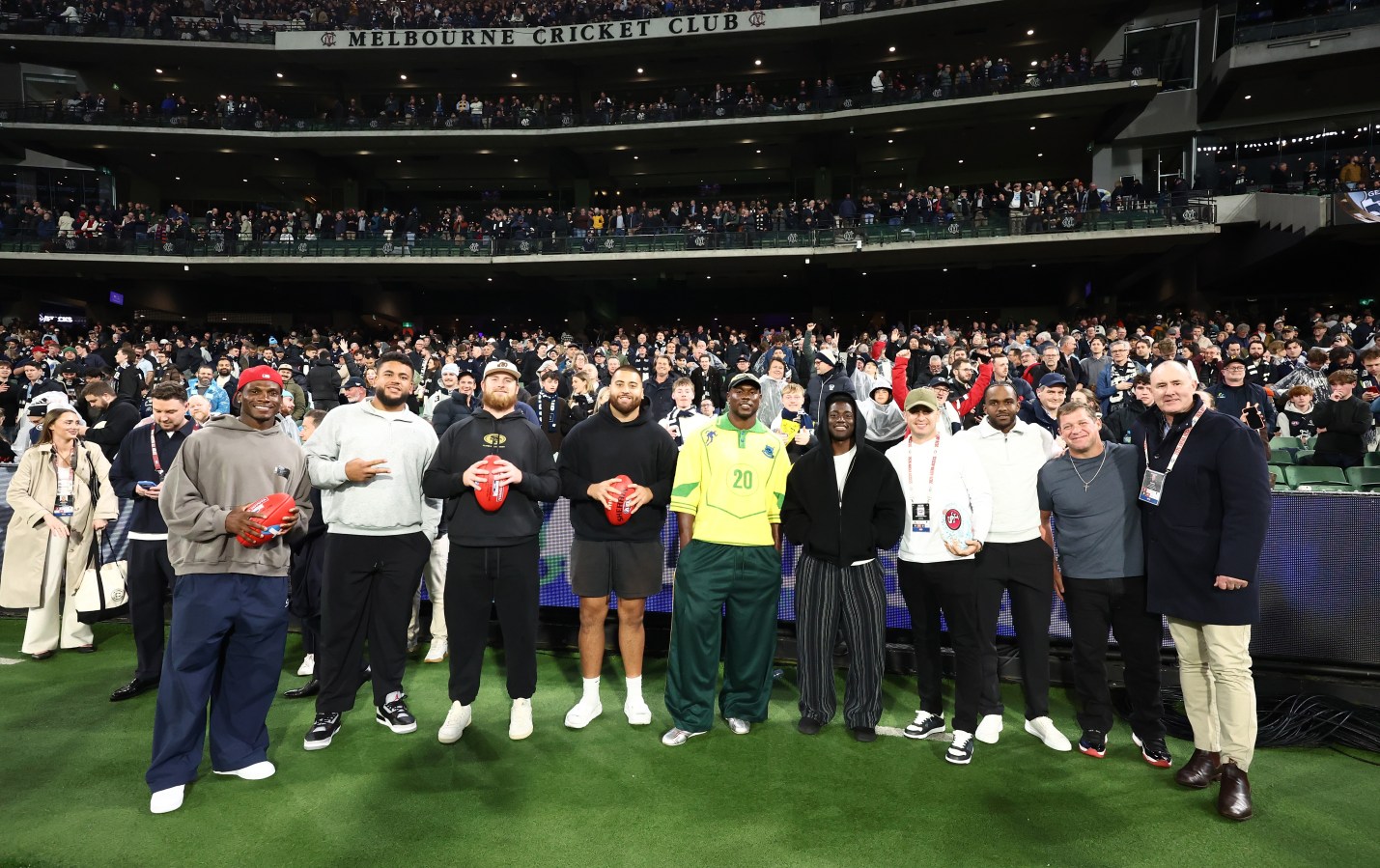
Under commissioner Roger Goodell, who recently signed a contract extension through 2030, the league is working hard to grow the sport abroad, playing a record nine games outside the U.S. this season, including the NFL’s first-ever game in Australia this week. It can also count on growth at home, given that at least one club is scheduled to open a new or significantly renovated stadium each year through 2031, starting with the Buffalo Bills’ new Highmark Stadium this season. Historically, facility upgrades have led to major boosts in virtually every category of revenue for a team, from ticket sales and premium seats to sponsorships.
The momentum has shown up not only in the sale of the Seahawks—a deal that was announced in July and finalized last week—but also in the purchases of smaller stakes in teams around the league. For example, Arctos bought around 3% of the Cleveland Browns at a $9 billion valuation in May, according to Sportico, and followed with an August agreement for 10% of the Atlanta Falcons at a blended valuation of $10.6 billion, according to CNBC, which would give the firm pieces of four NFL teams as it continues to capitalize on the 2024 changes to league rules that allowed private equity investors to enter the ownership ranks.
Meanwhile, the Las Vegas Raiders reportedly fetched $9.9 billion and $11 billion in separate minority transactions in the spring, and a slice of the holding company behind the Miami Dolphins (along with their stadium and other assets) reportedly went for $12.5 billion in March.
Those deals have helped reset the market for NFL teams, four years after Rob Walton acquired the Denver Broncos for a league-record $4.65 billion. The billionaire Walmart heir’s agreement valued Denver at 8.8 times its estimated revenue the previous season, just above 2022’s average NFL multiple of 8.3x, according to Forbes estimates. These days, the Broncos’ $9.4 billion valuation translates to 13.5 times trailing-season revenue, and the league average is only a tick lower, at 13.4x. The Seahawks sale had an even higher multiple, at 14.6x.
The surge is a clear sign of investors’ growing appetite for NFL teams, and a notable change for a league that, despite its financial advantages, has lagged behind the NBA with its average multiples since 2011. (Forbes’ 2025 NBA valuations carried an average multiple of 12.9x, although Josh Kushner and Bob Iger’s $12.5 billion deal for the Los Angeles Lakers in August will give that league a lift as well.) Among other sports leagues tracked by Forbes, only the WNBA now comes close, with its 12.5x average multiple—a somewhat surprising comparison considering one sport is firmly in growth mode and the other has existed for more than a century.
The trends in each league play off one another, of course, as franchises become a true asset class, coveted by professional and deep-pocketed investors, and as buyers determine their bids in part based on the prices of comparable clubs across the sports landscape. As enviable as the NFL’s business might be—with league-wide revenue surpassing $22 billion last season, according to Forbes estimates, including money that accrued to teams from concerts and other non-NFL events at their stadiums—the largest factor in the valuation gains may simply be scarcity.
Unlike MLB, MLS, the NBA and the NHL, which have publicly mulled the possibility of adding teams in the near future, the NFL doesn’t appear to have any imminent interest in expanding beyond 32 franchises. The current group of owners also doesn’t appear to be in any rush to give up their prized positions—23 of the league’s 32 teams have been held by the same person or family for at least 20 years.
Add it all up, and the NFL has a floor set at $8 billion—a bar that only five teams from any other sport currently clear.
The Most Valuable
NFL Teams 2026
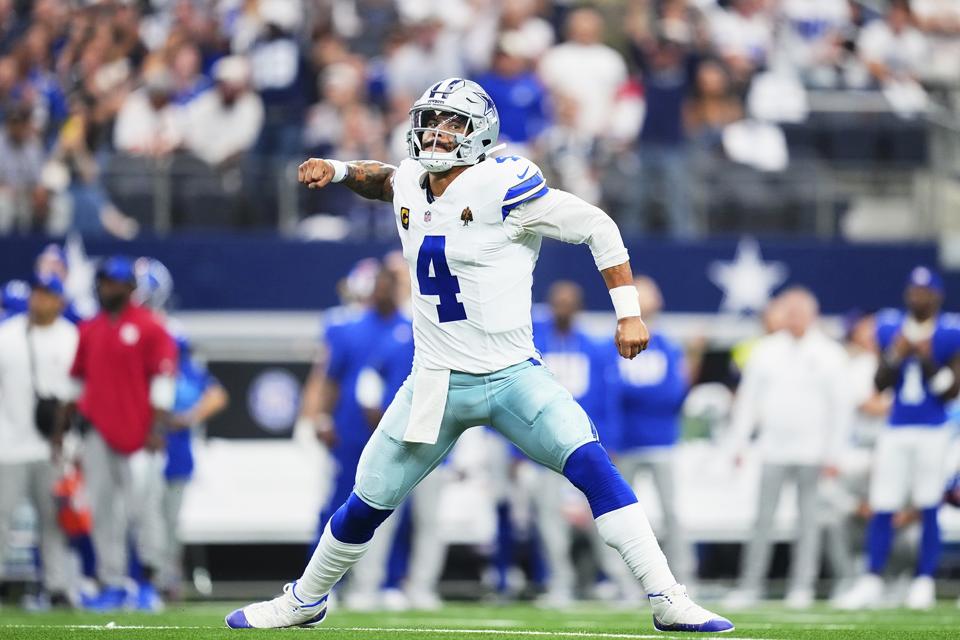
#1. $17 billion
Dallas Cowboys
One-Year Change: 31% | Revenue: $1.278 billion | Operating Income: $677 million | Owner: Jerry Jones
#2. $13.5 billion
Los Angeles Rams
One-Year Change: 29% | Revenue: $898 million | Operating Income: $335 million | Owner: E. Stanley Kroenke

#3. $12 billion
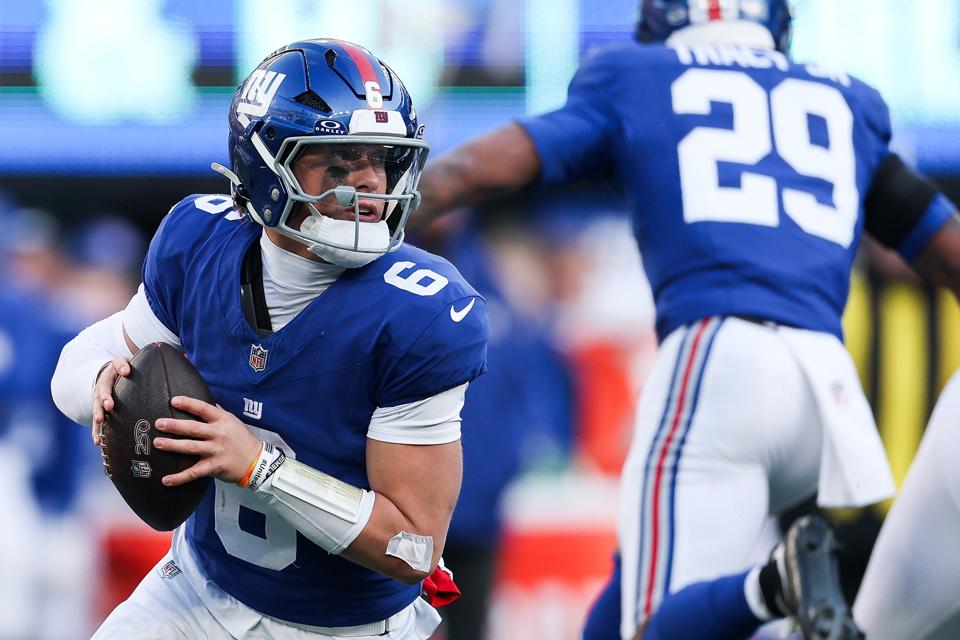
New York Giants
One-Year Change: 19% | Revenue: $769 million | Operating Income: $181 million | Owners: John Mara, Steven Tisch
#4. $10.6 billion
New England Patriots
One-Year Change: 18% | Revenue: $784 million | Operating Income: $186 million | Owner: Robert Kraft
#5. $10.5 billion
San Francisco 49ers
One-Year Change: 22% | Revenue: $752 million | Operating Income: $126 million | Owner: York family
#6. $10.4 billion
Miami Dolphins
One-Year Change: 39% | Revenue: $810 million | Operating Income: $198 million | Owner: Stephen Ross
#7. $10.35 billion
New York Jets
One-Year Change: 28% | Revenue: $716 million | Operating Income: $216 million | Owner: Johnson family

#8. $10.3 billion
Las Vegas Raiders
One-Year Change: 34% | Revenue: $887 million | Operating Income: $191 million | Owner: Mark Davis
#9. $10.25 billion
Philadelphia Eagles
One-Year Change: 23% | Revenue: $713 million | Operating Income: $154 million | Owner: Jeffrey Lurie

#10. $10.1 billion
Atlanta Falcons
One-Year Change: 59% | Revenue: $805 million | Operating Income: $240 million | Owner: Arthur Blank
#11. $9.8 billion
Washington Commanders
One-Year Change: 29% | Revenue: $694 million | Operating Income: $121 million | Owner: Josh Harris

#12. $9.7 billion
Chicago Bears
One-Year Change: 18% | Revenue: $656 million | Operating Income: $73 million | Owner: McCaskey family
#13. $9.65 billion
Houston Texans
One-Year Change: 30% | Revenue: $722 million | Operating Income: $160 million | Owner: Cal McNair
#14. $9.6 billion
Seattle Seahawks
One-Year Change: 43% | Revenue: $659 million | Operating Income: $131 million | Owner: Khosla family

#15. $9.4 billion
Denver Broncos
One-Year Change: 38% | Revenue: $695 million | Operating Income: $97 million | Owner: Greg Penner
#16. $9.1 billion
Tampa Bay Buccaneers
One-Year Change: 38% | Revenue: $657 million | Operating Income: $95 million | Owner: Glazer family
#17. $9 billion
Cleveland Browns
One-Year Change: 41% | Revenue: $720 million | Operating Income: $110 million | Owners: Dee and Jimmy Haslam
#18. $8.8 billion
Kansas City Chiefs
One-Year Change: 42% | Revenue: $644 million | Operating Income: $51 million | Owner: Hunt family

#19. $8.7 billion
Pittsburgh Steelers
One-Year Change: 34% | Revenue: $653 million | Operating Income: $74 million | Owners: Arthur Rooney II, Daniel Rooney Trust
#20. $8.6 billion
Green Bay Packers
One-Year Change: 29% | Revenue: $753 million | Operating Income: $73 million | Owner: shareholders
#21. $8.5 billion
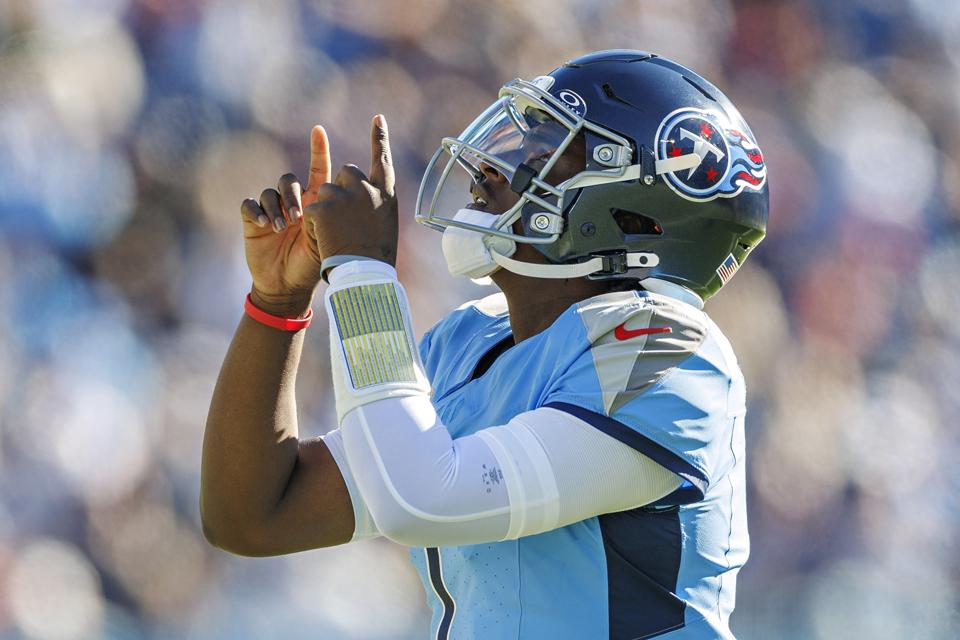
Tennessee Titans
One-Year Change: 35% | Revenue: $607 million | Operating Income: $85 million | Owner: Amy Adams Strunk
#22. $8.3 billion
Los Angeles Chargers
One-Year Change: 38% | Revenue: $623 million | Operating Income: $57 million | Owner: Dean Spanos
#23. $8.25 billion
Minnesota Vikings
One-Year Change: 32% | Revenue: $640 million | Operating Income: $25 million | Owner: Wilf family
#24. $8.2 billion
Baltimore Ravens
One-Year Change: 34% | Revenue: $656 million | Operating Income: $77 million | Owner: Stephen Biscotti

#25. $8.15 billion
Buffalo Bills
One-Year Change: 37% | Revenue: $617 million | Operating Income: $58 million | Owners: Terrence and Kim Pegula
#26. $8.1 billion
Carolina Panthers
One-Year Change: 42% | Revenue: $646 million | Operating Income: $88 million | Owner: David Tepper
#27. $8.08 billion
Indianapolis Colts
One-Year Change: 37% | Revenue: $626 million | Operating Income: $81 million | Owner: Irsay family

#28. $8.06 billion
Arizona Cardinals
One-Year Change: 47% | Revenue: $600 million | Operating Income: $119 million | Owner: Michael Bidwill
#29. $8.05 billion
Jacksonville Jaguars
One-Year Change: 44% | Revenue: $591 million | Operating Income: $31 million | Owner: Shahid Khan
#30. $8.04 billion
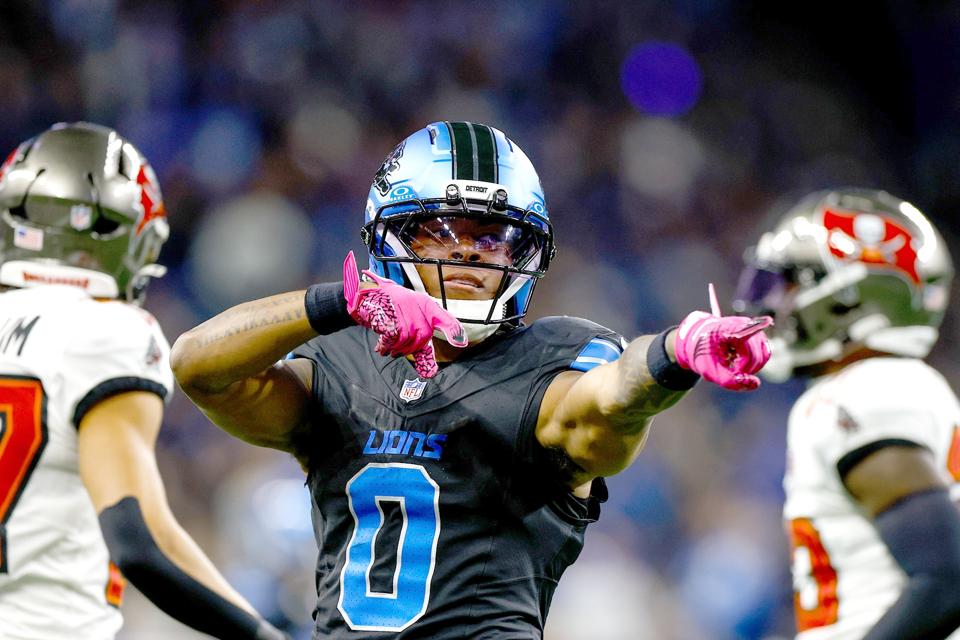
Detroit Lions
One-Year Change: 49% | Revenue: $617 million | Operating Income: $53 million | Owner: Ford family
#31. $8.02 billion
New Orleans Saints
One-Year Change: 51% | Revenue: $642 million | Operating Income: $165 million | Owner: Gayle Benson
#32. $8 billion
Cincinnati Bengals
One-Year Change: 52% | Revenue: $613 million | Operating Income: $71 million | Owner: Michael Brown
Methodology
Forbes’ NFL team valuations are enterprise values (equity plus net debt) based on historical transactions and the future economics of the league and each team. Revenue and operating income (earnings before interest, taxes, depreciation and amortization) are estimated for the 2025 season and are net of stadium debt service. Debt includes both team and stadium debt recourse to team owners. Forbes presents its P&L figures on a cash basis, rather than an accrual basis, of accounting. Playoff revenue is excluded.
The franchise values reflect the economics of each team’s stadium (including revenue from non-NFL events that accrues to the team’s owner) but do not include the value of the stadium real estate itself. The valuations also exclude other businesses related to the team with separate financial statements, such as The Star, the Dallas Cowboys’ headquarters and entertainment district. Team values are rounded to the nearest $10 million, and estimated revenue and operating income are rounded to the nearest $1 million.
Sources for Forbes’ NFL valuations include team executives, sports bankers and league consultants; public documents, such as stadium lease agreements and credit rating reports; and sponsorship and broadcasting industry executives.
This story was originally published on forbes.com and all figures are in USD.
Want to see more Forbes articles on your feed? Tap here to make Forbes Australia a preferred source on Google.
Look back on the week that was with hand-picked articles from Australia and around the world. Sign up to the Forbes Australia newsletter here or become a member here.