
Inside a Melbourne biotech’s attempt to decode the bizarre science of marsupial milk — and unlock a $2 billion market for premature-baby nutrition.

For millions of years, marsupials have been solving a problem that human medicine is only now beginning to understand: how to tell a premature baby when to grow.
Now two Melbourne scientists think they can use what they’ve learned about that to dominate a $2 billion a year market.
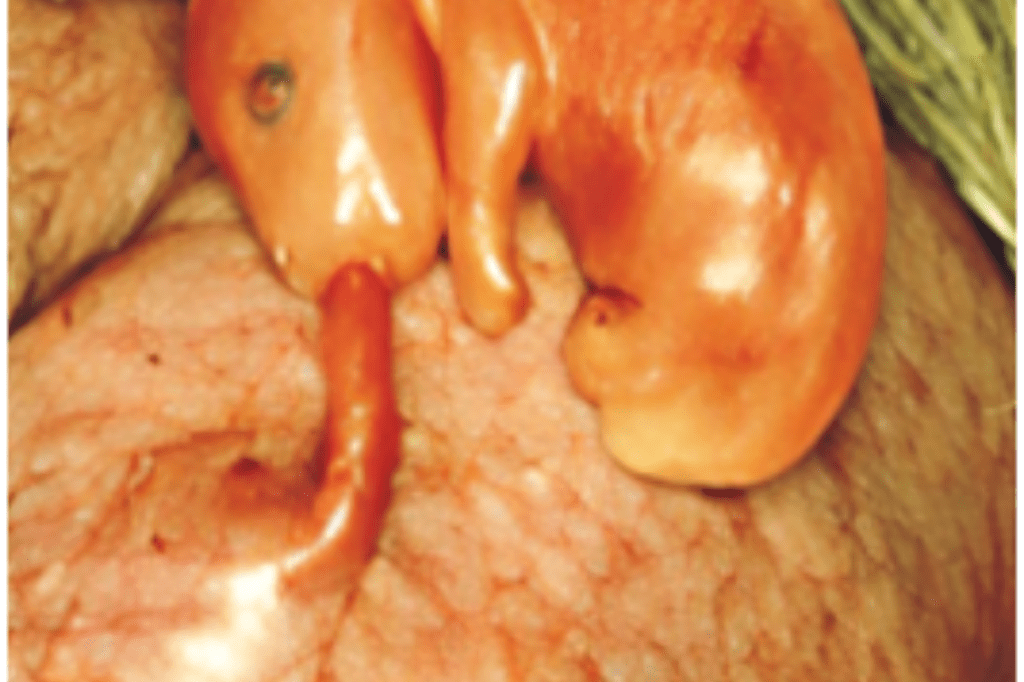
Marsupial babies are born extraordinarily underdeveloped. But as they grow, their mothers’ milk changes, delivering biological signals that help switch different organs on at precisely the right time.
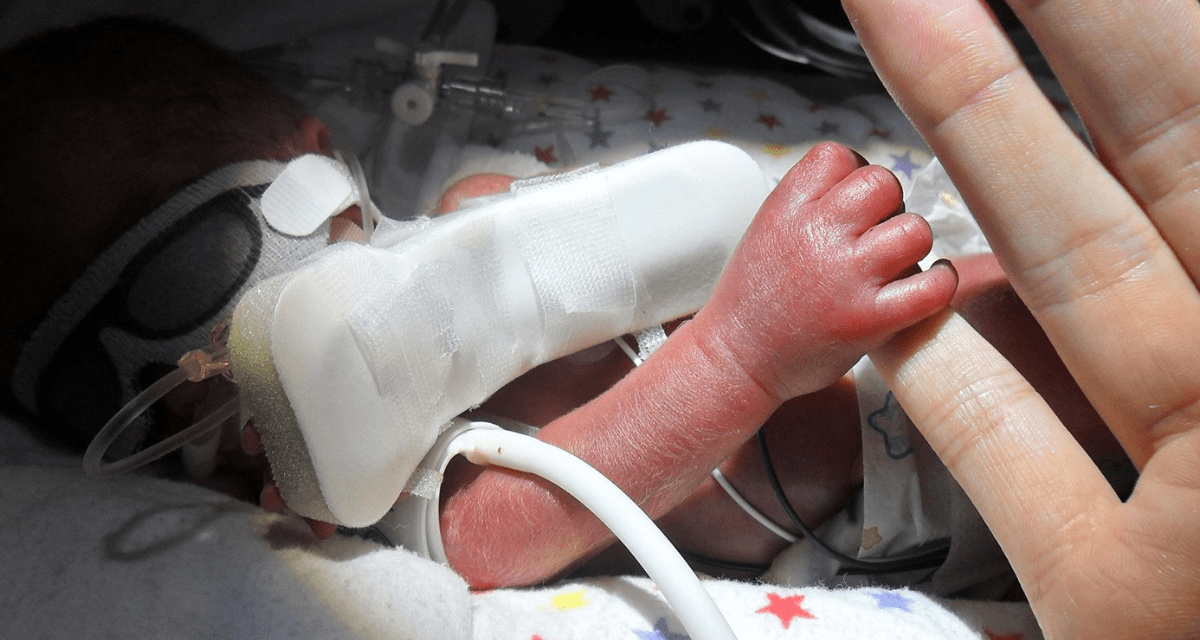
Human babies normally receive these same signals in the uterus. But premature babies leave the womb before that development is complete. And human milk doesn’t contain the same signalling molecules. So babies can survive the neonatal intensive care [NICU] only to be left with lifelong health problems.
It was this evolutionary quirk that caught the attention of two lactation boffins at the University of Melbourne, Professor Kevin Nicholas and Associate Professor Julie Sharp. They began to wonder whether marsupial milk might contain clues to helping the 13 million babies born prematurely each year globally.
The result is PremieHealth, a biotech spun out of that University of Melbourne research in 2023, which believes the developmental secrets hidden in marsupial milk could eventually transform treatment for premature babies – and give it a foothold in the $2 billion global market for premature-baby fortifiers.
The Shirley Temple protein
Julie Sharp started out trying to understand breast cancer after completing her PhD in genetics, but following five years studying dysfunctional breasts, she wanted to better understand how healthy mammary glands worked.
She found herself working with animal lactation expert Professor Nicholas in the University of Melbourne’s zoology department looking at animals with extreme adaptations to lactation.
They studied how fur seals can leave their young for two weeks while they hunted and actually increase their milk supply upon return, whereas most mammals’ milk would dry up in that time.
They studied platypus and echidna and how, in the absence of nipples, they excrete the milk through the skin of the abdomen, to be licked up by the tiny babies. That posed the question of how such a system could work for a baby with an immature immune system living in the dirt of a burrow. The team discovered a new way of protein folding – dubbed the Shirley Temple fold for its tiny antimicrobial ringlets – unique to monotremes.
“That story went viral,” says Sharp, “It even got on the Late Show in the US. It was pretty cool.”
And they studied the university’s colony of tammar wallabies. They milked mothers and swapped joeys from one mother to another to see what happened when fed milk from a mother at a different stage of lactation.
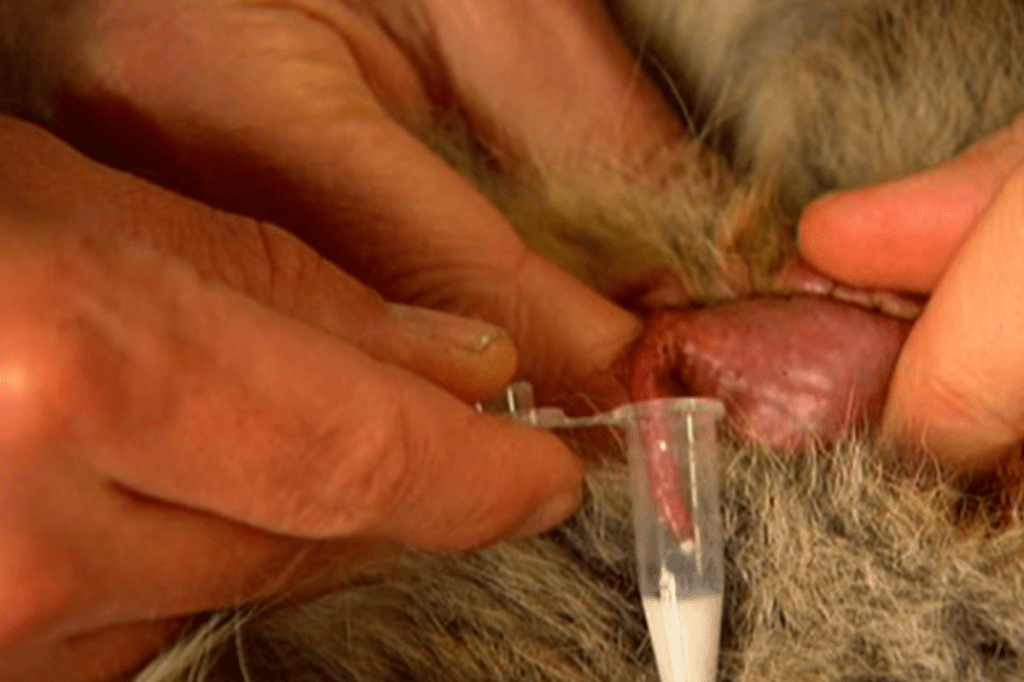
It was here that they started to build up a library of all the different “bioactive” compounds that appeared to control development of joeys.
They could already see there was a potential application for humans but it wasn’t quite clear how they could make that happen.
The secret database
The research ended and they went off to do different things. Sharp had her own lab doing stem cell research, but she kept talking to Nicholas about this idea.
“Kevin was the one who was really driving it,” says Sharp. “I was doing all the bioinformatics [the use of computers, maths and statistics to store and analyse complex biological data] on the side, even though I was working on something else completely – just trying to work out how we could turn our research into something impactful and translational for preterm babies.
“We built this massive database across probably seven or eight different species … I can’t actually tell you too much about it because it’s a proprietary database and it’s the basis of all the treatments that we’re looking at … it tracks lactation across the whole lactation cycle for each of these species.
“Using bioinformatics, we can decode what’s going on at different stages of lactation and how the bioactives [proteins that initiate a biological response] relate to development.
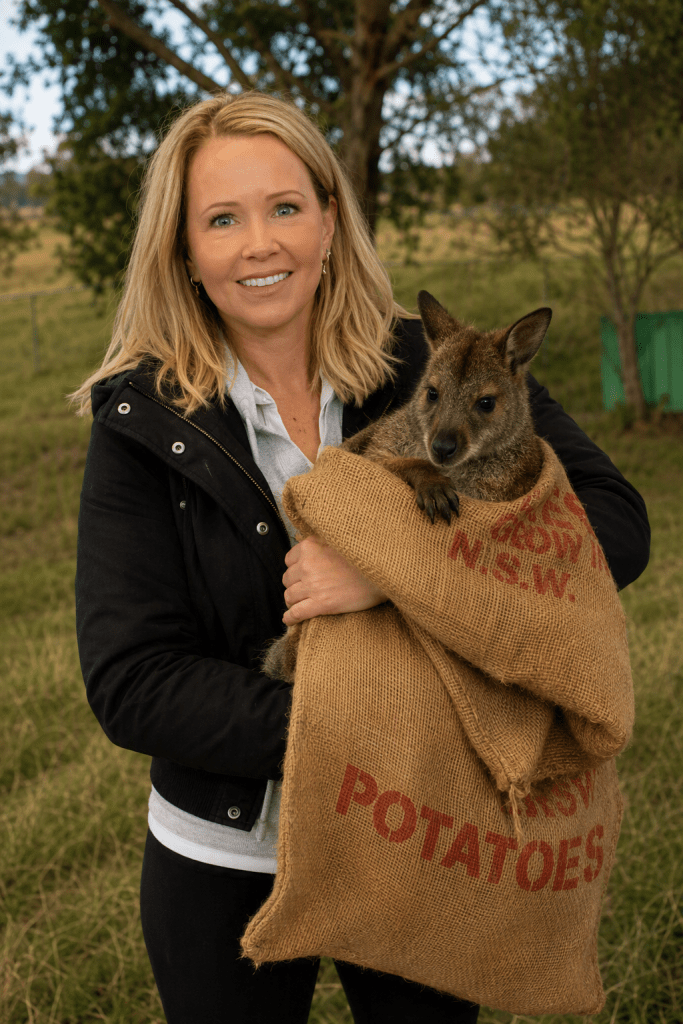
“We can then translate that into a human equivalent, and that’s where we start to look at how we can use this as a therapy for preterm babies.”
The PremieHealth database has 105 bioactive compounds on it, all of which affect the growth of different features.
Premature babies are born with very immature lungs, so PremieHealth is looking at the bioactives that initiate lung development. “We’re also looking at brain development,” says Sharp. “A lot of these babies come out of the NICU with neurological disorders because their brain hasn’t been developed. So there will be a bioactive for that.”
Underdeveloped guts are another huge problem for premature babies. And when they are fed milk derived from cows’ milk, there is a risk of it leaking through the gut, leading to infection and sepsis.
“So we’ve got some bioactives to help with that as well,” says Sharp.
An anti-aging market
PremieHealth spun out into a start up in 2023. It hopes to raise $4 million by the end of this year to fund its program of working through all its bioactives to figure out exactly what they do and choose which ones to proceed with.
Its first product will be a precision-fermented fortifier for premature babies based on human breast milk proteins. But it will not contain any of the special marsupial-inspired bioactives.
The best fortifiers currently available are made from donated human milk. It is scarce and expensive. “There’s not enough donor milk for babies, so to make it into a fortifier is not ethically ideal … You’re taking away donor milk from a mother who can’t produce milk to feed her baby.
“So our first product will be human-based, [with human-derived protein, fat and carbohydrate] but made by precision fermentation, so it doesn’t draw on any of the donor milk sources.”
Sharp predicts it will take two years from the closure of investment to get that product through the approvals process, then a further year to get the first bioactive fortifier to market. “We’re hoping to get them through as a food, because they’ll be milk proteins and would normally be seen as food. Otherwise it will take years to get through all the clinical trials and everything that’s required for a pharmaceutical.”
“And what these companies found was that it’s a lot more complex than they thought. We knew it was complex because that’s our bread and butter.”
PremieHealth co-founder Julie Sharp
Other start-ups are moving into the precision-fermented human breast milk space which is predicted to grow to US$4.5 billion up to 2034. “But that’s not where our moat is,” says Sharp. “Our moat is our database of bioactives.”
She doesn’t think all 105 bioactives will end up in a product. “But we only need one to start with.”
She imagines a suite of bioactives being incorporated over time, with brain, lung and gut being the first targets, followed by kidneys, eyesight and hearing.” She imagines a powder that will be specific to each week of growth equivalent to in-utero gestation because a 22-week baby’s needs are a lot different to that of a 28-week baby.
The mammosphere
And while the premie baby market is huge, the wider baby nutrition market is worth a whopping $300 billion, so there’s room to play there, too.
“And we’re not just a company that offers one or two products. Even when we’ve saturated the preterm market, we can then look at other markets such as dementia and the aging process where we can sort of renew organ vitality by using the bioactives that we’ve found … but that’s a lot further down the track.”
Sharp says that numerous companies trying to develop precision-fermented dairy had sought their help. “A lot of the companies started to try to produce milk from mammary cells. So you’re not just producing individual proteins, you’re producing the entire conglomerate of milk. So the fats, the carbohydrates, the proteins.
“And what these companies found was that it’s a lot more complex than they thought. We knew it was complex because that’s our bread and butter. You can’t just throw these cells into a bioreactor and they’ll produce milk. We’d actually done it in the lab where you make what’s called a ‘mammosphere’ and it produces milk, and we can make it produce milk.
“So we knew we could do it.”
She says the full complexity of milk will never be replicated in a vat, “but if anyone was to get it as close as it could be, it will be us.”
Sharp and PremieHealth were featured at the recent Cicada x Tech 23 festival, where she told the gathered investors that they’d need to be patient with the company’s desire to get the product out to less developed countries to have maximum impact.
“It’s only when you start looking at the families behind the preterm babies that you can see the impact. It’s not just the baby itself, or the stress on the parents during the time in the NICU. If that baby hasn’t developed properly and got the developmental signals that it needs, it then goes on to be a special-needs baby … A parent then has to stay home with that baby and they lose an income. And there’s attention that goes away from the siblings.
“So when we think about preterm babies, it’s not just the baby in the NICU … there are lifelong consequences.
“We’ve looked at the costs associated with that, and we’ve put it at $300 billion, which it costs the healthcare system [worldwide] every year, and that’s not including the loss of productivity for each of these individuals. So it’s a massive, massive problem.”
Want to see more Forbes articles on your feed? Tap here to make Forbes Australia a preferred source on Google.
Look back on the week that was with hand-picked articles from Australia and around the world. Sign up to the Forbes Australia newsletter here or become a member here.