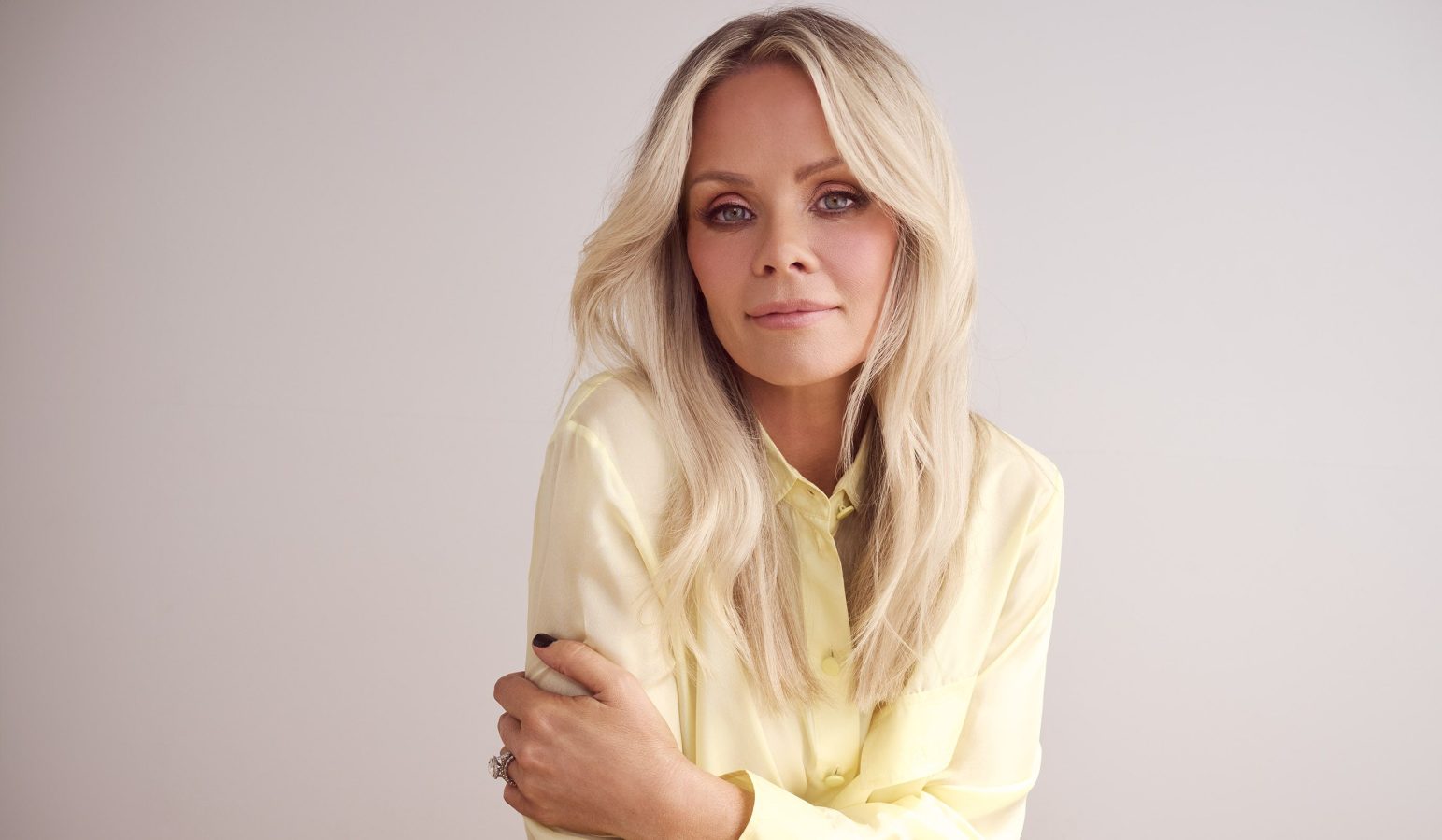
From her immersive retail ‘Hotel of Curiosity’ installations to the new sun-lit, postcard-inspired Paris collection, Camilla Franks has built her business on wanderlust. Still, she advises entrepreneurs to embrace their flaws and authenticity, and return to themselves, to facilitate their own success.
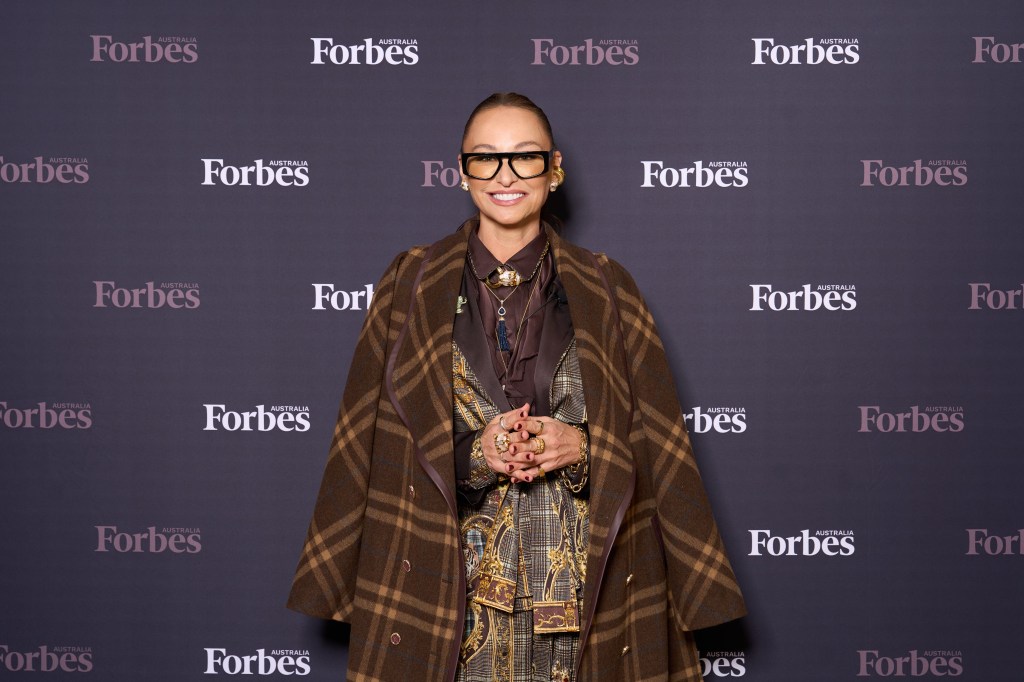
Camilla Franks doesn’t own a laptop and hates numbers. Yet, her contrarian approach to retail is cracking open the notoriously difficult United States market.
Decades ago, the young Australian designer dragged her suitcases through a freezing New York winter, pitching psychedelic prints to the luxury gatekeepers at Bergdorf Goodman and Neiman Marcus. The response was tepid.
Today, Franks’ namesake label is expanding stateside, with physical stores in Miami and California outperforming her most lucrative domestic locations, and a stately new store on Madison Avenue opened in 2024.
Yet, what ails the creative powerhouse even now, after decades of acclaim and a triumphant return to the city that once shut its doors on her, is a debilitating sense of imposter syndrome, she says.
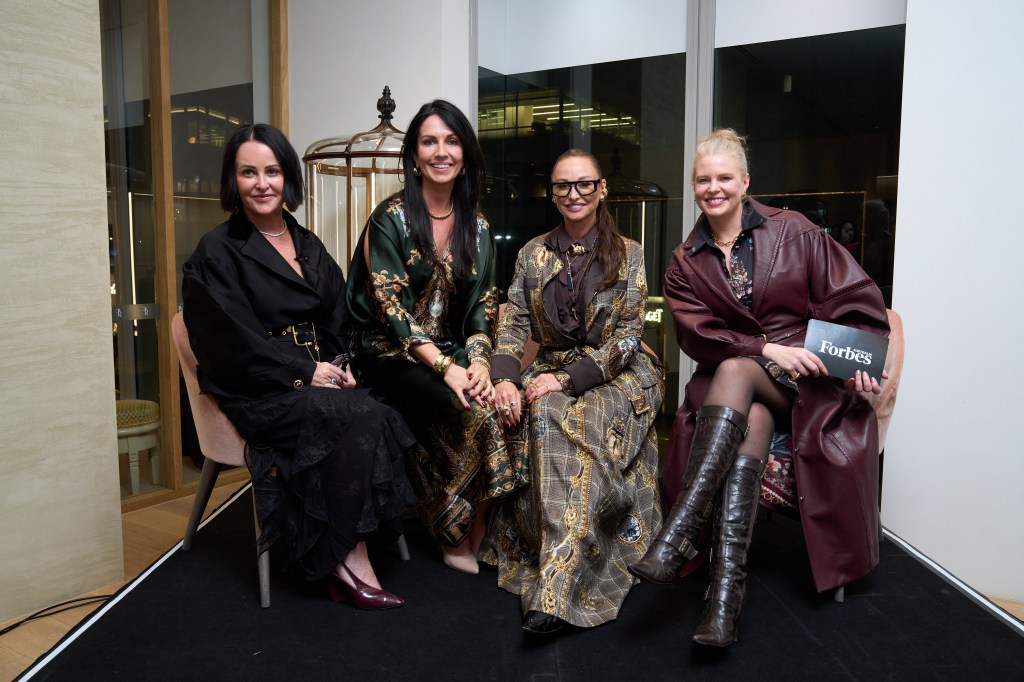
At the recent Forbes Women Soiree in Sydney, I sat down with Franks and her CEO, Rebecca Mansergh, to unpack the global momentum behind the label. Instead of conforming to corporate expectations, Franks and Mansergh say they built the retail footprint by leaning into friction, vulnerability, and a radical commitment to self-expression.
The manifestation of a creative mind
The same theatricality that embodies Camilla’s designs forms the blueprint for how the brand builds its physical spaces worldwide. I visited the flagship New York store recently, soaking up the travel-inspired symbolism. A custom burl-wood concierge desk, reminiscent of something you would find in a cosy Parisian hotel, doubles as the retail counter. Handcrafted Indian tapestries cover the walls, and a vintage train car seating nook sits adjacent to the changing rooms, providing respite for weary shopping – and travel – companions.

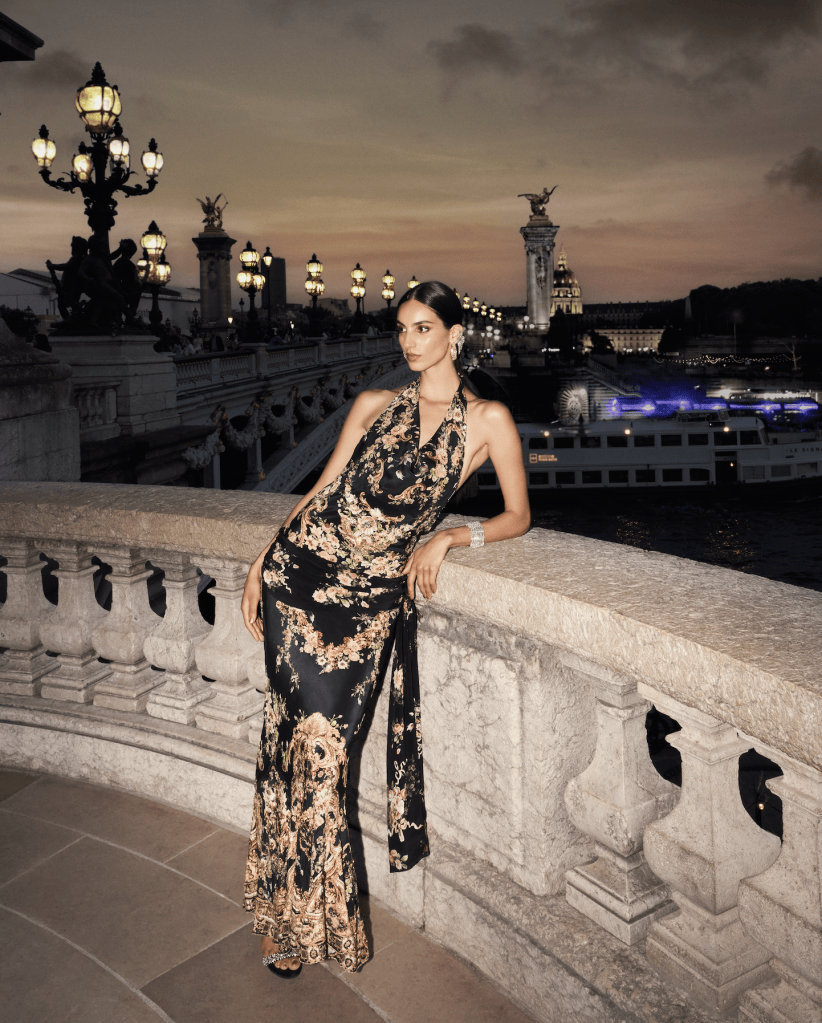
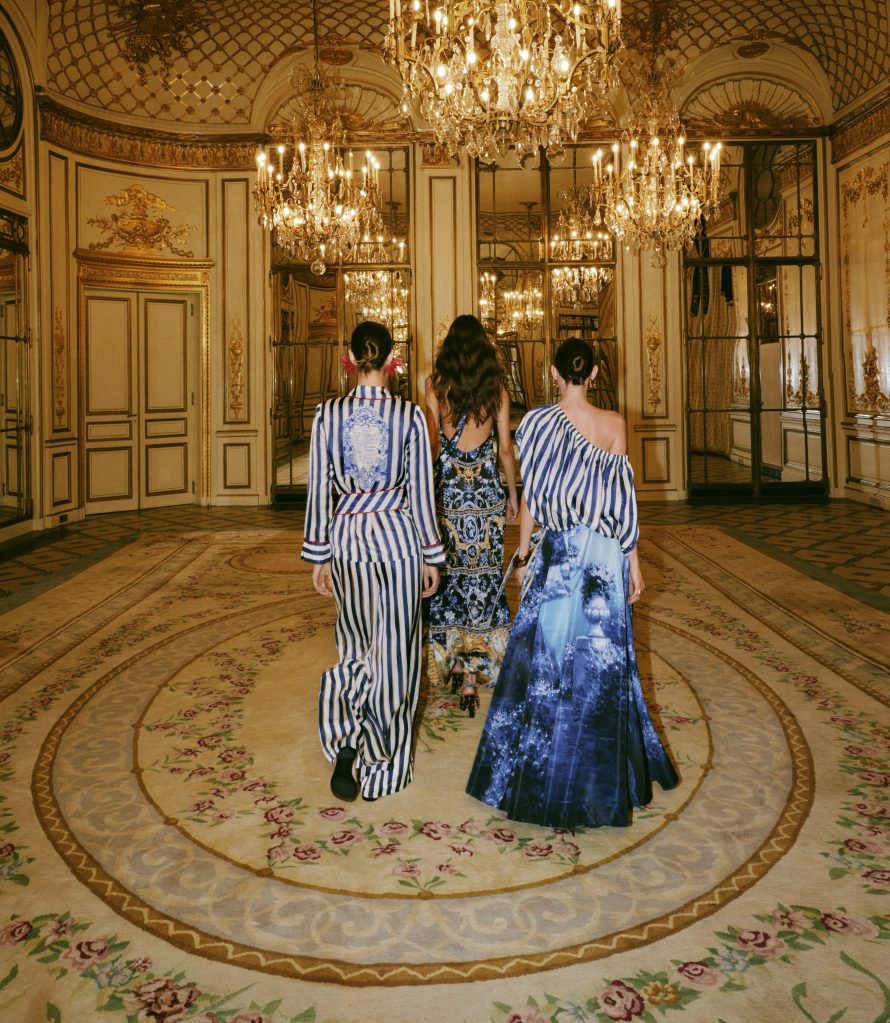
One place the brand has not yet opened a retail store is Paris, which acts as the muse behind the newest Camilla collection. The Paris by Camilla line arrives with a much brighter, lighter visual palette, as the US closes out summer, and Australia transitions through spring.
Crisp whites are paired with optimistic pinks and blues, alongside a vintage ‘postcards from Paris’ correspondence aesthetic. The newest resort collection is drawn from the old-world opulence of the Dauphin’s Library at Versailles, Franks says, and the gilded dining room of Gare de Lyon’s Le Train Bleu.
The sensory insight that Franks brings to the table needs to be tempered and structured by her CEO, Mansergh, the two say in unison. This dual-leadership model balances unbridled imagination with strict operational discipline.
While Franks travels the globe reimagining cultural adventures into intricate textile designs, Mansergh works to translate that creativity into scalable corporate strategy. It works, they tell the audience in Sydney, who are delighted to learn more about the yin and yang of their partnership.
The explorer and the navigator
“There’s a quote from Simon Sinek that I love, and it is that greatness happens when the person with the wild imagination collaborates with the person who gets shit done,” Mansergh jokes.
For Franks, having a CEO who respects the brand’s DNA and her unique process is invaluable.
“I know that my role is to fiercely protect that handwriting. That storytelling, that energy, that uniqueness, and that DNA that’s embedded into our brand,” Franks says. “I’m busy kind of drawing outside the lines, and Beck’s working out how our lines get us from A to B.”
Mansergh joined the Camilla group in 2017, and was elevated to permanent CEO last year.
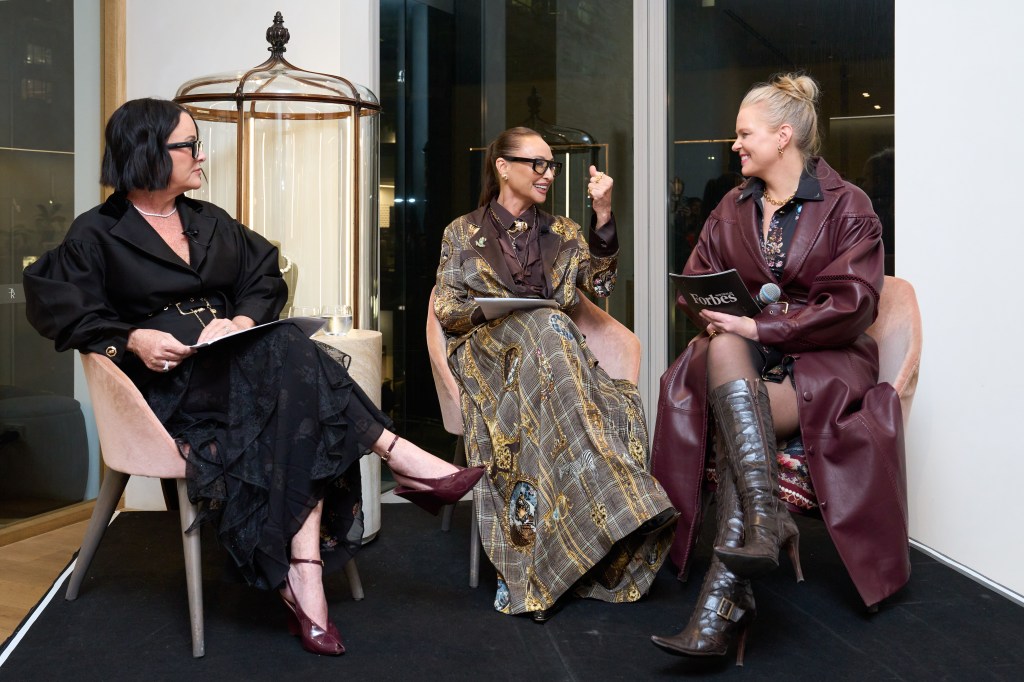
“We see it as me keeping school, and she keeps the soul,” Mansergh says as Franks nods in agreement.
“It’s like, I’m this explorer, and she’s this navigator, and she has this beautiful gift of operational excellence and strategic clarity, like no one else,” says Franks.
The tuition fee of mistakes
A relatable aspect of the brand’s success is Franks’ raw vulnerability regarding her entrepreneurial journey. The founder openly shares her early struggles with self-doubt, largely stemming from an education system that did not know how to handle a hyper-creative, easily distracted mind.
“If you told me that I was going to be one of Australia’s leading designers, I would have thought you were a little bit crazy,” she admitted. Diagnosed with ADHD two decades into her career, Franks reflected on early academic evaluations: “My report card: easily distracted, doesn’t pay attention.”
They would end up being my superpowers.
Camilla Franks
Founder and Creative Director, Camilla
Yet, this non-conformity provided the visionary fuel for a business built on escapism. Franks views the traits she was once disciplined for as her ultimate commercial strengths.
“I wish I could go back to that little eight-year-old girl and let her know that the things that sometimes I was shamed over, that I was too much, too colourful, too expressive, too joyous, too noisy, too distracted.”
What she has learned along the journey were not mistakes, Franks says, but rather she encourages entrepreneurs to see setbacks and lessons learned as a “beautiful tuition fee.”
Turning the volume up
Asked about adapting the brand for international clientele, Franks says there can sometimes be a temptation for brands to dilute themselves to become more palatable to a broad audience. Her strategy, however, leans in the other direction.
“I think the misconception is when you scale internationally that you have to become more universal. And in my experience, it’s actually been quite the opposite. The more I travel, the more I become myself,” she says.
“So for me, it’s all about turning the volume up. And I don’t think at Camilla… we’ve never become less of who we are when we travel. With that, you’re either absolutely going to love us, or you are absolutely not.”
By deliberately maintaining its bold identity, the brand ensures it evokes a visceral emotional response from consumers rather than fading into a crowded retail market. That doesn’t always come without hesitation or anxiety.
“Turn the volume down on that rejection voice,” Franks advises. “The things that we spend our time trying to hide or turn the volume down on are sometimes the things that we’re here to contribute to the world. My belief in my idea, that voice inside me needed to be louder than the voice of rejection.”
Want to see more Forbes articles on your feed? Tap here to make Forbes Australia a preferred source on Google.
Look back on the week that was with hand-picked articles from Australia and around the world. Sign up to the Forbes Australia newsletter here or become a member here.