How SyncTech is turning property data into more informed insurance decisions

Property claims can be complex, involving multiple stakeholders, information sources and decisions. Australian technology and property intelligence company SyncTech is creating a shared digital view of properties designed to help insurers and their partners reduce duplication, improve collaboration and make better, faster decisions.
BRANDVOICE – PARTNER CONTENT
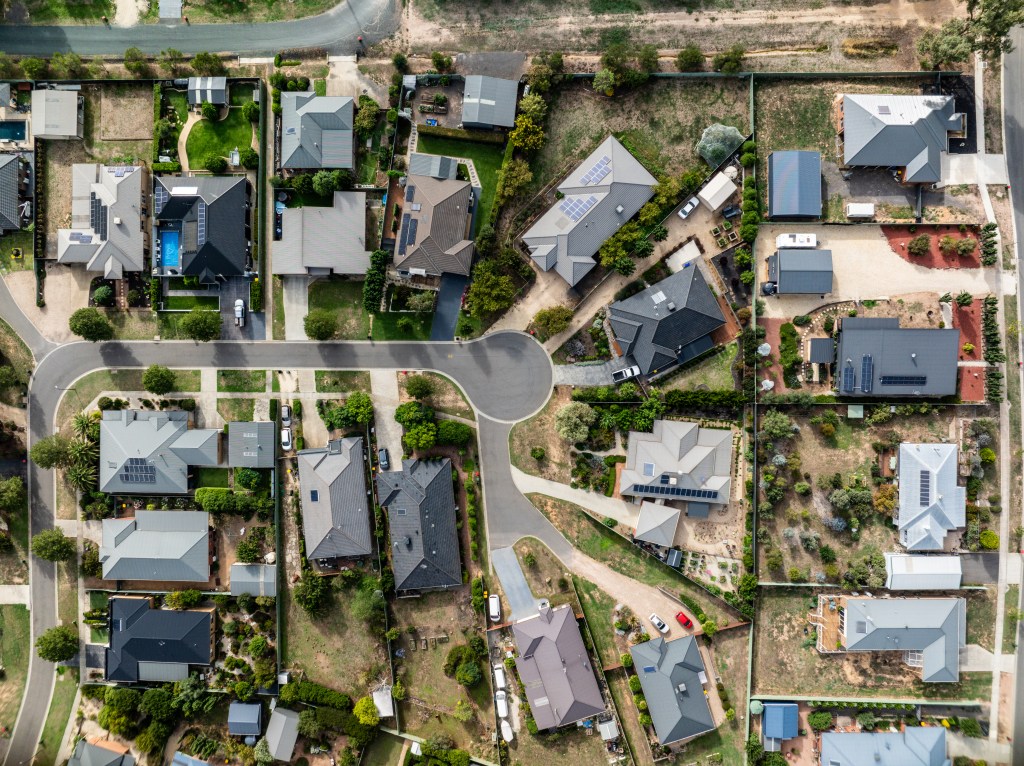
A single damaged property may need to be assessed by multiple industry stakeholders and specialists, each with different responsibilities, priorities and information needs. Yet the information they rely on, from photographs and measurements to reports and assessments, is often duplicated and gathered separately, at different times and for different purposes.
“Insurance representatives, builders, restorers, specialists and customers are all trying to understand one physical property,” says Carolina Dreifuss, founder and CEO of technology company Sync Technologies (SyncTech).
“For policyholders, this can mean repetition, uncertainty, and long waiting times when all they really want to understand is what happens next and move forward with their claim and property reinstatement, because their daily lives don’t stop. For industry, it can mean duplication of effort, manual handovers, inconsistent information, and slower, costly decision-making.”
SyncTech’s technology aims to remove that friction and duplication of effort by creating a shared digital record of the property that parties involved in a claim can use. By bringing together detailed visual representation, precise measurements, and property data in one place, Dreifuss and COO Alasdair Easterbrook aim to give insurers and their partners a common source of information to collaborate, assess damage, and make informed decisions.
“Our technology is designed to help these professionals navigate that complexity more effectively and ultimately deliver better and faster outcomes for customers,” says Dreifuss.
From capture to property intelligence
SyncTech brings together visual, spatial, drone and geospatial data, using AI to transform that information into a structured digital record of the property. The aim is to make processes faster and more transparent, consistent and traceable, giving insurers, assessors, builders and specialists and all key stakeholders a shared source of property information to make better decisions.
“The real value isn’t the 3D model itself; it’s what you can understand from the information captured,” says Dreifuss. “When everyone can work from the same detailed visual property record, decisions can be made faster, questions answered remotely and unnecessary site visits reduced.”
The results suggest that better, more complete information early in a claim can have an impact beyond the initial assessment.
According to SyncTech, over 80% of claims using its technology achieve a faster initial assessment outcome, reducing assessment cycle times by 14 days on average. In some cases, processes that traditionally took several weeks or months have been reduced to a couple of days, while major-loss customers have reported improvements of three to four months across the overall claim lifecycle.
For Dreifuss, the bigger opportunity is the shift from simply documenting properties to creating useful property intelligence – information that allows stakeholders to make faster, more consistent and better-informed decisions.
Claims are just the beginning
Claims may be where the value of richer property information is most visible today, but its use extends further. Once that information is used across the insurance value chain, it can inform decisions beyond the claim itself.
“We believe the next transformation in property insurance will be about more than digitising existing processes. It will be creating a trusted, richer understanding of the property itself,” says Easterbrook.
A richer, structured understanding of a property could support risk assessment and underwriting before a loss occurs, as well as assessment and decision-making when a claim is made.
Over time, that could shift the role of property data from a point-in-time record created after an event to an information resource used throughout the life of the property. “The bigger opportunity, therefore, is not simply to process claims more efficiently,” says Dreifuss.
“It is to use better property intelligence to help the industry make better decisions before, during and after a loss, ultimately shifting some of the industry’s focus from responding to damage towards better understanding, managing and potentially mitigating risk in the first place.”
Better information before more AI
Advances in AI are allowing technology to do more than simply store and display property information. Visual and structured data can be interpreted, patterns identified and complex information turned into structured insights.
As insurers invest in AI and digital transformation, Dreifuss and Easterbrook point out that technology alone is not the answer. The opportunity is not simply to automate existing tasks, but to combine better and more complete information with intelligent technology to enable more informed decisions.

“The industry is strongly embracing AI and automation, which is great. But before we can ask how AI can make decisions faster, we should ask a more fundamental question: Are we giving people and technology the right information to make those decisions in the first place?” says Easterbrook.
An industry under pressure
The shift comes as property insurers face pressure on multiple fronts. Climate risk and major weather events are placing greater demands on claims operations, industry capacity and supply chains, while rising labour and material costs are contributing to affordability challenges.
At the same time, customers expect greater speed and transparency.
“The cost of insurance continues to climb, making affordability and access to insurance protection increasingly challenging; it’s a growing issue in Australia,” says Easterbrook.
SyncTech works with a wide range of organisations across the insurance industry, including Suncorp, where Claims executive general manager Alli Smith says SyncTech brings “a unique understanding of insurance, construction and technology”.
“We’re seeing first-hand the value their solutions are creating for our customers and supply chain partners,” Smith says.
The value of trusted digital property intelligence isn’t unique to insurance. The same principle is being demonstrated across other complex physical asset environments. At Indara, more than 600 rooftop telecommunications sites across Australia have been digitised using SyncTech’s technology, creating digital twins that support how those assets are managed.
“The shift to a digital twin environment has delivered engineering and operational efficiencies, enabling faster access to accurate site information and a significant reduction in costly site visits,” says Indara’s CEO, Emilio Romeo.
Ultimately, the measure of progress is not the sophistication of technology, but whether it helps people make better decisions, removes unnecessary costs and helps families and businesses recover faster.
As climate risk, construction costs and insurance affordability place increasing pressure on the industry, reducing unnecessary site visits, duplicated assessments, rework and delays becomes more than an efficiency exercise. It is part of building a more sustainable insurance system.
“Technology alone will not solve the affordability challenge, but reducing structural inefficiency can help the industry manage the cost pressures that flow through to customers,” says Easterbrook.
“That matters because insurance should never become a luxury good – it is part of the infrastructure that enables people to own homes, businesses to operate and communities to recover when disaster strikes.”
Learn more at synctech.io
Want to see more Forbes articles on your feed? Tap here to make Forbes Australia a preferred source on Google.
Look back on the week that was with hand-picked articles from Australia and around the world. Sign up to the Forbes Australia newsletter here or become a member here.