Forbes Asia’s Power Businesswomen 2026 celebrates 20 women leaders who have kept a steady hand on the wheel and driven their companies ahead through a year of uncertainty.
In the last quarter of a year rocked by uncertainty, our list of Asia’s Power Businesswomen stands as a testimony to resilience. Each of these women leaders has not just kept a steady hand on the wheel but driven their respective companies ahead of the next curve. Since the inaugural list in 2012, Forbes Asia has featured more than 300 women on this annual roster, including notable alumni such as Australia’s richest woman, Gina Rinehart, and DBS Group CEO Tan Su Shan. While in the initial rounds some women leaders made it to the list multiple times, the focus in recent years is on highlighting fresh faces. It’s a challenge that’s been met ably by editorial director Rana Wehbe Watson and contributing editor Mary E. Scott, supported by a regionwide team of reporters.
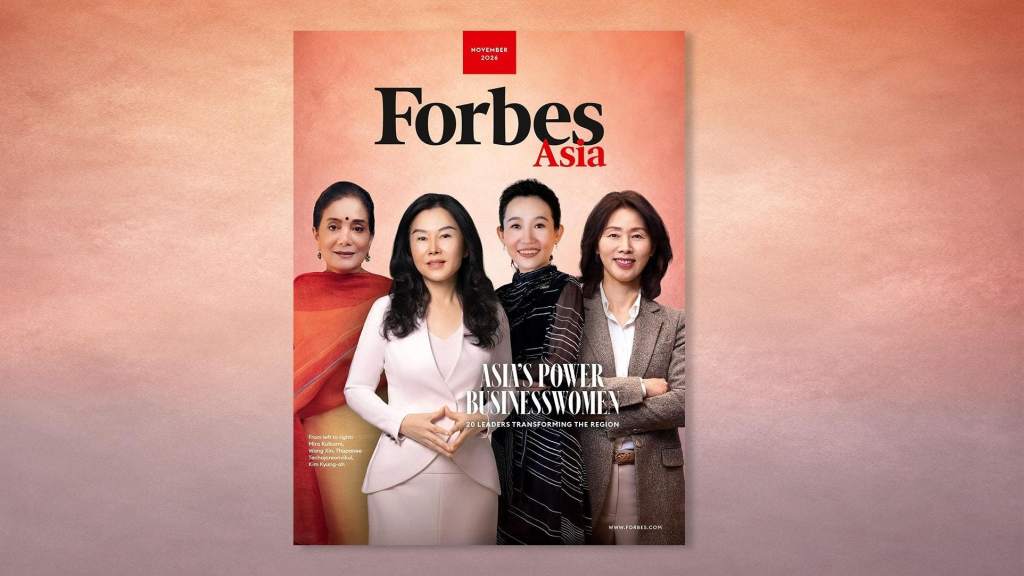
The cover provides a curtain raiser to the 20 achievers on this year’s list. In Thailand, Thapanee Techajareonvikul is the first woman to be given charge of her family’s Berli Jucker conglomerate while in South Korea, Kim Kyung-ah, president and CEO of biopharma firm Samsung Bioepis, is the first woman from outside the founding Lee family to be handed the reins of a group company. Hailing from India, Mira Kulkarni at age 45 founded Forest Essentials, a maker of premium skin and hair care products that plans to expand globally after its sale to American giant Estée Lauder. Another self-made woman is China’s Wang Xin, who founded and runs Guangdong Dtech Technology, a manufacturer of precision tools that are in high demand by chipmakers amid the AI boom.
Wang, who amassed a $7.9 billion fortune, scores a twofer; she’s also the sole woman to debut on the list of China’s 100 Richest, another much-awaited annual compilation in this edition, led by wealth editor Jane Ho and senior contributor Yue Wang. As they note, while the AI frenzy has been a bonanza for some, overall wealth has been dragged down by weak consumer sentiment and a persistently cloudy outlook for the property sector.
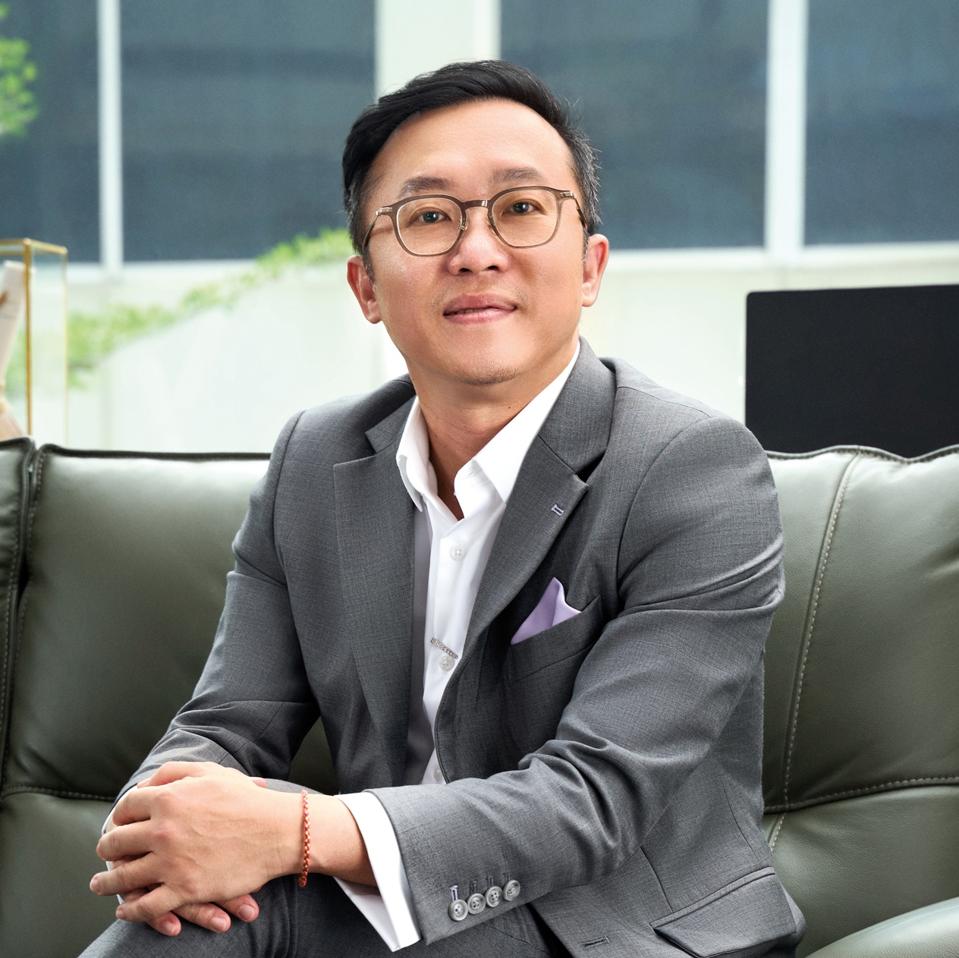
Over in Malaysia, it’s sunny days for tech executive-turned-entrepreneur Davis Chong Chun Shiong. The cofounder of Bursa-listed Solarvest Holdings, which appeared in August on our Best Under A Billion list of 200 publicly listed small and midsized companies, started out by going door-to-door to convince Malaysians to install solar panels. Today, the company is building sprawling solar farms and, as Chong discloses to contributor Yessar Rosendar, is stepping up to supply green energy to power-guzzling data centers.

The AI wave, which some see as a dangerous tsunami, lifted Taiwanese startup MetAI into the orbit of mighty Nvidia, which has invested in the four-year-old venture. A 2025 alum of our 100 To Watch list of small companies and startups, MetAI has scored early wins with customers such as TSMC and Micron Technology. Its digital twin technology is helping the chip giants save precious time and money as they build multibillion-dollar fabs. As cofounder and CEO Daniel Yu tells reporter Zinnia Lee, MetAI can create virtual models of factories down to the minutest detail—in under five minutes.
Such speed is the order of the day and underpinned the theme—Speed of Change—of our Forbes Global CEO Conference, which was held in Singapore during the buzzing F1 week in October and drew a stellar lineup of speakers, including three heads of government. As always, comments welcome at executiveeditor@forbesasia.com.
Want to see more Forbes articles on your feed? Tap here to make Forbes Australia a preferred source on Google.
Look back on the week that was with hand-picked articles from Australia and around the world. Sign up to the Forbes Australia newsletter here or become a member here.