Texas billionaire Fernando De Leon says Republicans will pay “generationally” after Democrats swept the state’s elections.
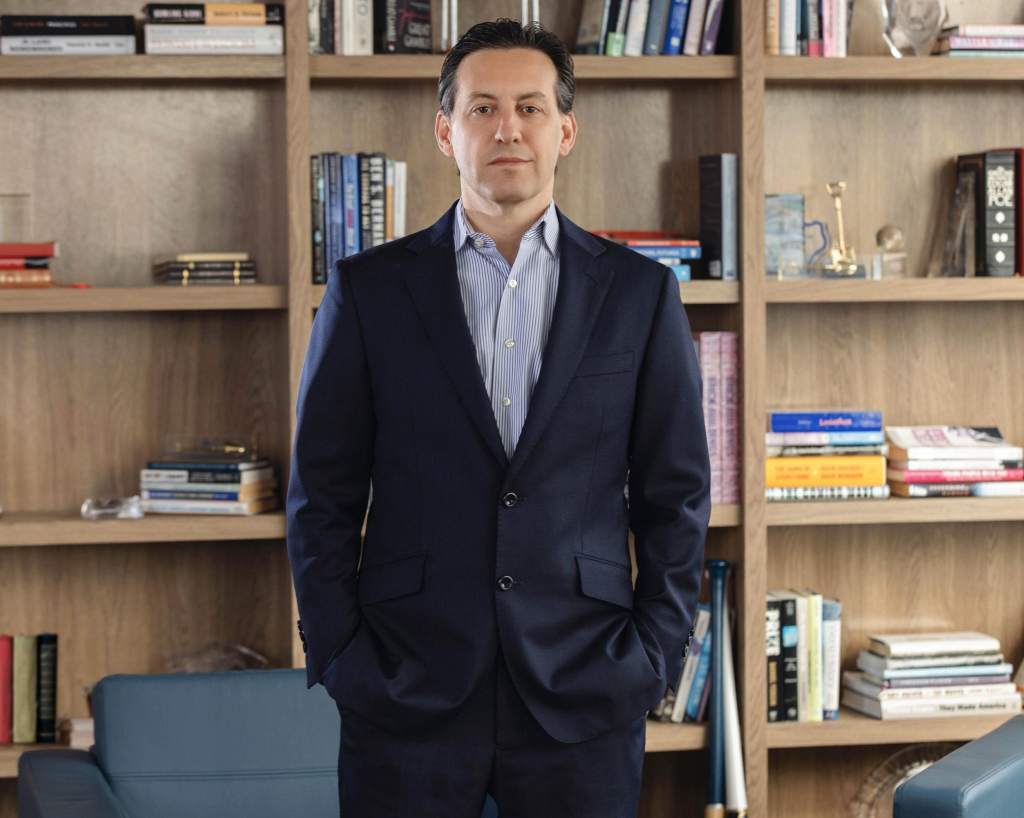
Hours after the historic Democratic rout this week, Texas billionaire Fernando De Leon was celebrating. “I’m so proud of this country,” he told Forbes, calling the election results “an unassailable repudiation of bigotry, division, and bad economics—and a powerful affirmation of decency and the enduring promise of American democracy.”
The Lone Star State is the biggest story of the election this week. Every statewide executive office on the ballot went blue, a sweep not seen since 1982. James Talarico became the first Democrat to win a Senate seat there in nearly four decades; Gina Hinojosa is the first Democrat to win the governorship in almost as long. The liberal blowout erased the significant gains Republicans had made with Latino voters in the 2024 election. In Texas, roughly half of Hispanic voters supported Donald Trump two years ago, whereas about 70% voted for Talarico this time, according to the AP.
De Leon also happens to have a personal reason to root for Hinojosa, who will become the state’s first-ever Latina governor when she takes office in January. Their mothers are cousins, making her his second cousin. Though she’s a few years older (she’s 52; he’s 48), they both went to school in Brownsville, a city on the border. They don’t keep in close contact, he says: “I’ve got a lot of cousins”—54 first cousins, in fact—“and I can’t keep in touch with all of them.” But he expresses enthusiasm about the “new blood and new ideas, versus entrenched ideological monopolies” that she’ll bring to the state governance. Forbes reached out to the press office of Governor-elect Gina Hinojosa but has not heard back yet.
“I’m excited that young Latina girls in South Texas and Houston and Dallas can believe that it’s possible to be the next governor now because of her,” says De Leon, who adds that he’s already seeing the atmosphere shifting in his state.
“In the last two days,” he said Thursday, speaking from Dallas, “every single place I’m at—a restaurant, or anywhere where there’s somebody I know is of Hispanic descent, I speak to them in Spanish. And you know what they tell me? ‘Now we can speak Spanish again.’ There’s this feeling of not being afraid anymore of getting hurt or deported or harassed.”
De Leon is deeply familiar with the immigrant experience, having grown up in Mexico. The only one of six siblings to have been born in a U.S. hospital, he commuted to school in Brownsville, Texas, befriending a border agent who saw him cross the border every day throughout his childhood. That agent was one of the first people to whom he showed his acceptance letter to Harvard University.
He’s also a firm believer in the opportunities the U.S. offers for social mobility. De Leon had few resources when working to start his company Leon Capital, which he founded in 2006; one of his earliest deals was convincing a homebuilder to give him an equity stake in a development in return for help obtaining tricky zoning and permit rights. Now Forbes estimates that De Leon is worth $3.1 billion, mostly thanks to the success of his conglomerate, which spans a wide swath of industries from real estate to healthcare.
Generally, De Leon likes to avoid partisanship. “I try not to be overly ideological or political,” he says. “I’m a pretty staunch independent.” He has occasionally donated to Republican candidates, as well as the bipartisan Commercial Real Estate Development Association PAC (formerly NAIOP), but this cycle only gave a nominal contribution to Abraham Enriquez, a Republican who ultimately lost the primary for Texas’ 19th Congressional District. (“I did it because he was young and passionate,” says De Leon, calling Enriquez “a young Latino trying to make it in the world” who seemed “reasonably moderate.”)
De Leon won’t say who he voted for this cycle. But he admits that given his celebration of the results, you can probably “read the tea leaves.”
One reason he’s cheering the outcome is that he sees it as a rejection of Trump’s immigration policies, which have hurt his community and business. Extremely aggressive immigration enforcement hit the construction industry hard, especially in Texas. Raids and deportations have contributed to a labor shortage; homebuilding timelines in South Texas are widely reported to be months behind schedule.
That combined with the impact of tariffs and war-related disruptions on material and fuel prices—an October report from the Associated General Contractors of America found that the cost of essential materials like aluminum and steel were up over 25% year over year—has wreaked economic havoc. De Leon estimates that production across his real estate business is down about 30% to 40%, and profitability about the same.
One or two of his construction sites in Arizona have been hit by immigration raids, he says, though he doesn’t believe any of his developments in Texas were affected. The sweeps have also impacted many of his friends and family members.
“The administration just absolutely went bonkers and started sending people with ski masks into communities in South Texas and terrorizing people,” he says, describing a widespread climate of fear and insecurity even among citizens and legal residents. “It’s a feeling of being less than, and ostracized. Americans should not feel like that.”
That’s part of why Texans revolted on Tuesday, he says: “Politically, Republicans will pay, generationally, for harassing our people, especially in Texas.”
Want to see more Forbes articles on your feed? Tap here to make Forbes Australia a preferred source on Google.
Look back on the week that was with hand-picked articles from Australia and around the world. Sign up to the Forbes Australia newsletter here or become a member here.