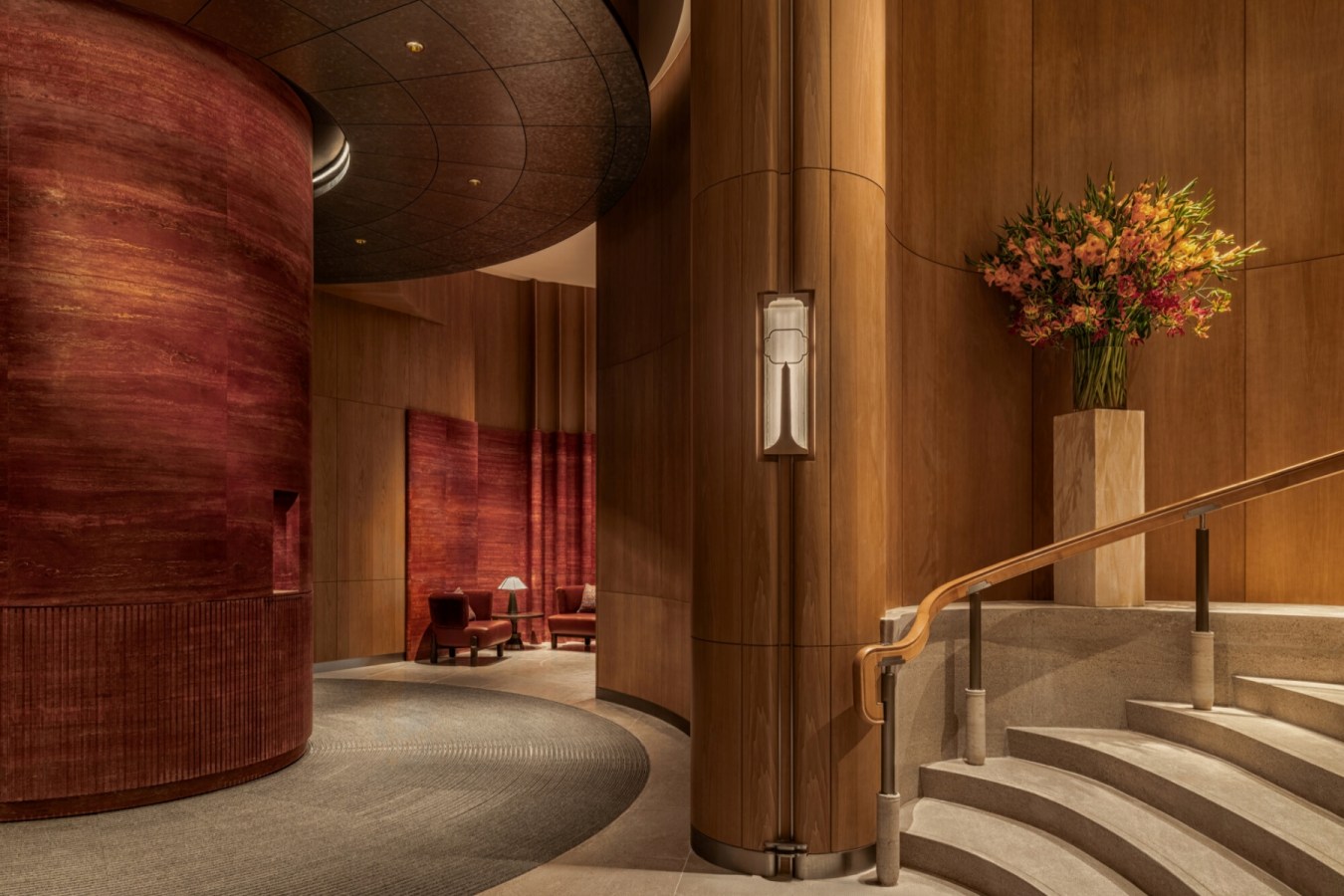
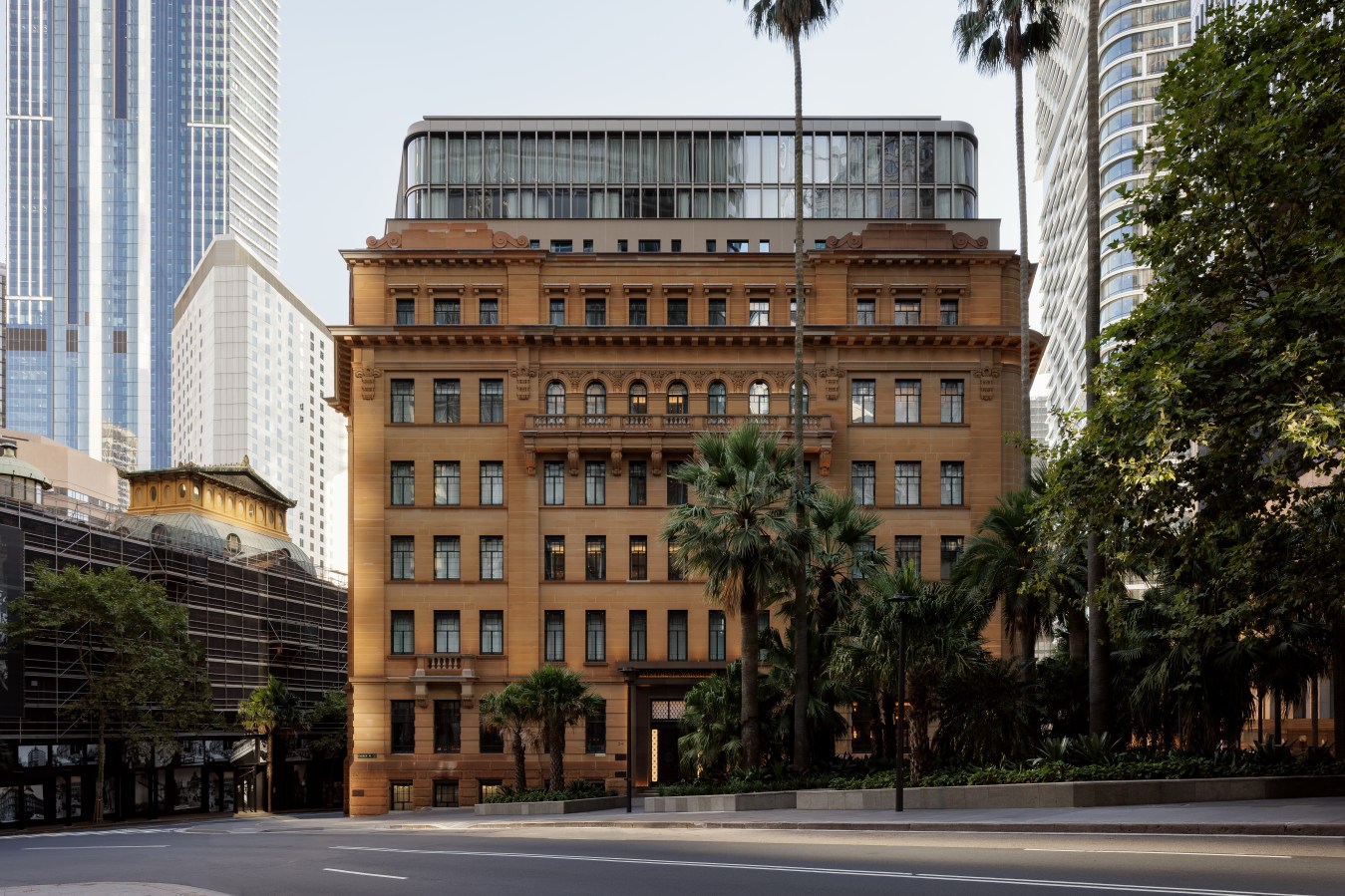
From Helmut Newton in Melbourne to the colourful past of Sydney’s Kings Cross, Hotel Indigo is betting travellers want more than a familiar room and a comfortable bed.
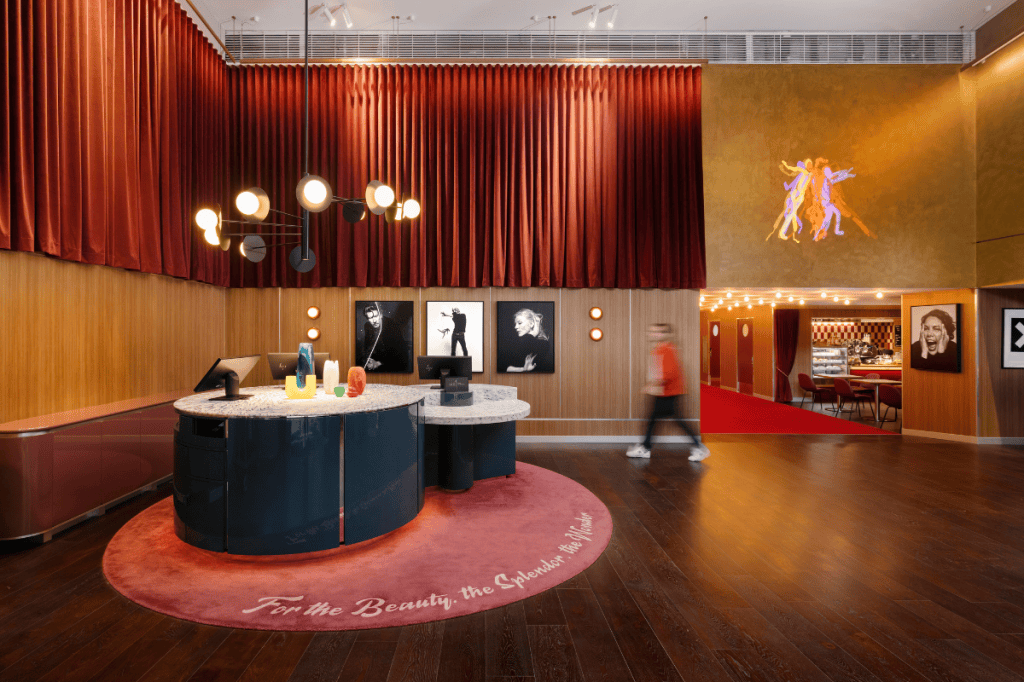
The first thing I hear when I walk into Hotel Indigo Potts Point is The Specials singing Ghost Town. “This town is coming like a ghost town. All the clubs are being closed down.”
It is an inspired choice for a gentrifying neighbourhood that has spent the past couple of decades trying to shake off its seedy reputation. But Hotel Indigo doesn’t want to pretend its locale, Kings Cross, was always respectable.
It wants you to know that even though you’re in a worldwide chain of 200 hotels, there’s no place in the world the same as this. Hotel Indigo Potts Point pays homage to the area’s theatrical history, as well as the seedy clubs of yore, while shouting out that the Cross still has plenty to offer the visitor.
For much of the past century, the promise of an international hotel chain was that you could travel anywhere and the accommodation experience would feel the same.
Hotel Indigo, part of the IHG Hotels & Resorts stable, is betting that an increasing number of travellers want the opposite. They still want the confidence of having a global hotel operator, but they also want to feel they have actually arrived somewhere. That means a hotel that reflects the history, character and personality of its neighbourhood.
It’s an idea that has grown into a sizeable global business. Hotel Indigo opened its 200th hotel in October, doubling its worldwide footprint since 2019. It now operates in more than 30 countries, with another 134 properties in development.
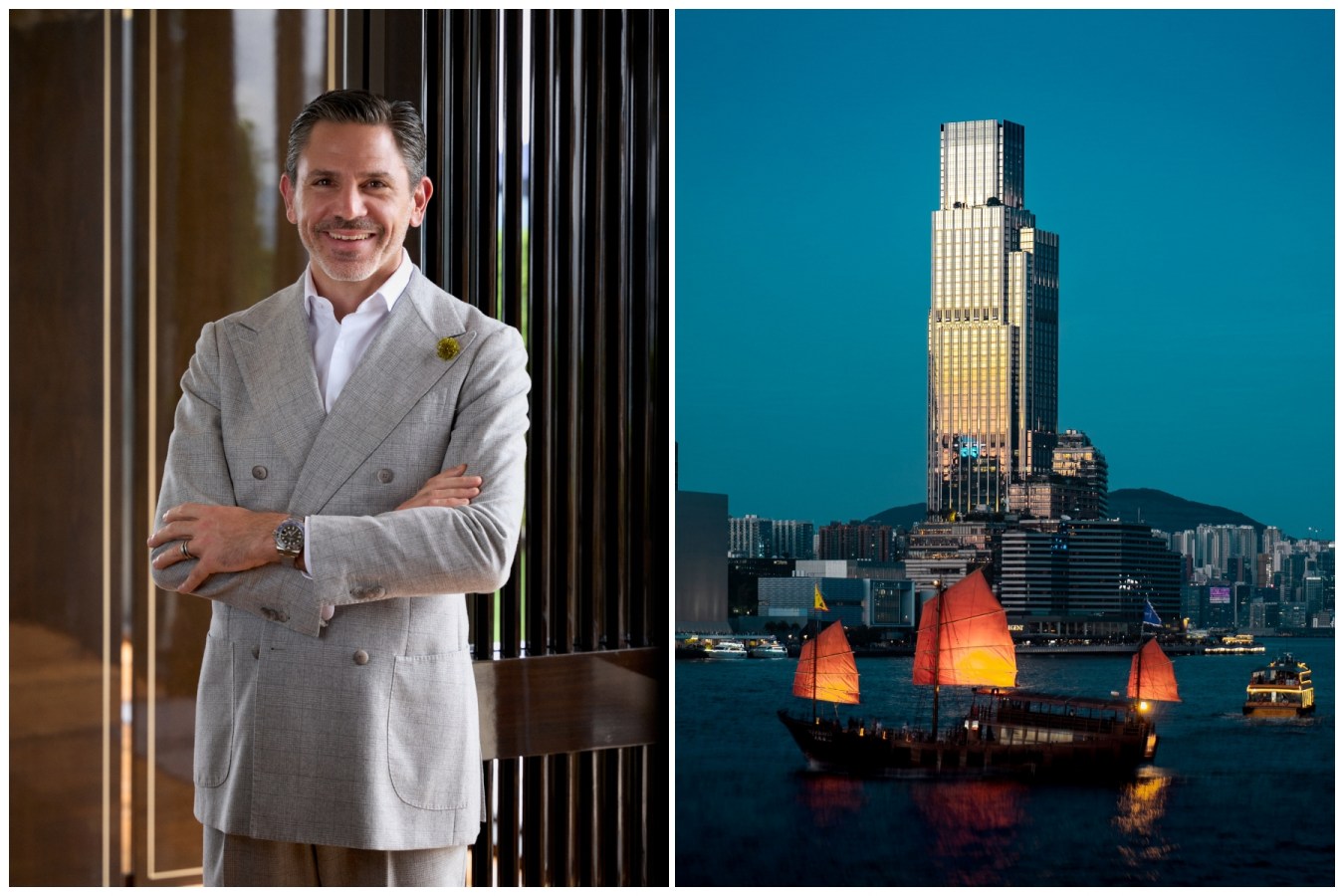
“Every Hotel Indigo begins with a detailed Neighbourhood Story,” says Dean Jones, IHG’s vice president of commercial for East Asia & Pacific. “It’s developed through research and local expertise to uncover the people, traditions, food, architecture and cultural moments that have shaped the area.”
That story then becomes the blueprint for the property, says Jones, influencing everything from its architecture and artwork to its uniforms, restaurant, service style and local partnerships.
Jones cites a study, attributed to Oxford Economics, that 72 per cent of travellers prefer spending money on local activities rather than traditional sightseeing, while half are more interested in trying local food and drink than they were two years ago.
The neighbourhoods behind the hotels
The first Indigo in Australia was in Adelaide, opening in 2021 on the site of a former textile factory beside the Adelaide Central Market. The designers used red-brick arches to echo the market’s historic architecture, colourful rugs that reinterpret the tessellated tiles found in traditional South Australian homes and copper fixtures that acknowledge the state’s mining heritage.
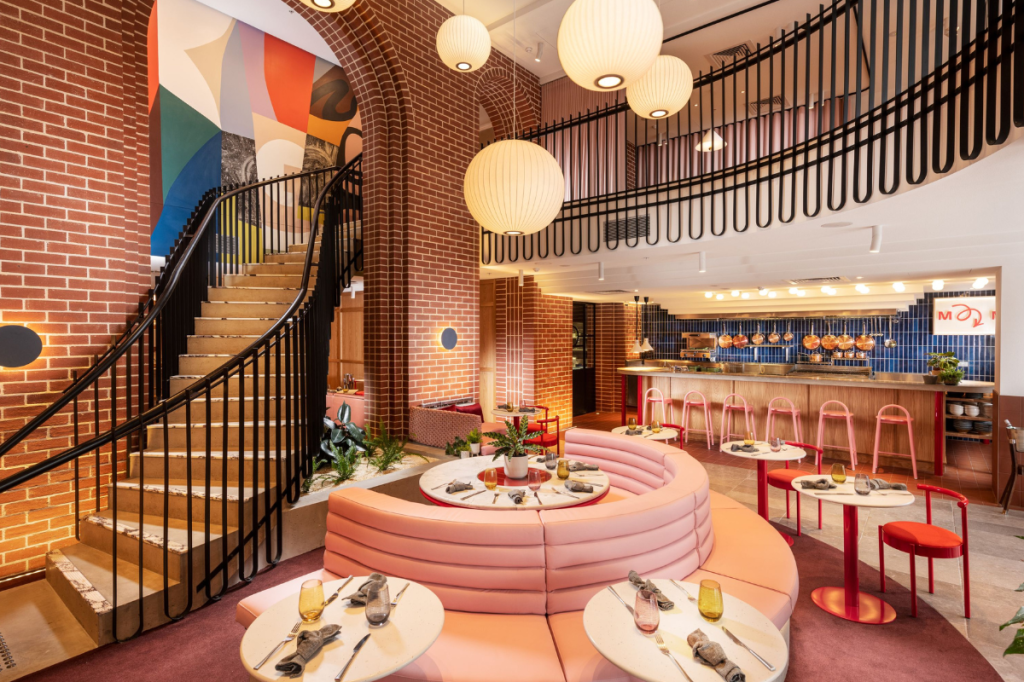
Perhaps the best demonstration of the concept, says Jones, is Melbourne, where two Hotel Indigo properties sit just streets apart yet are totally different.
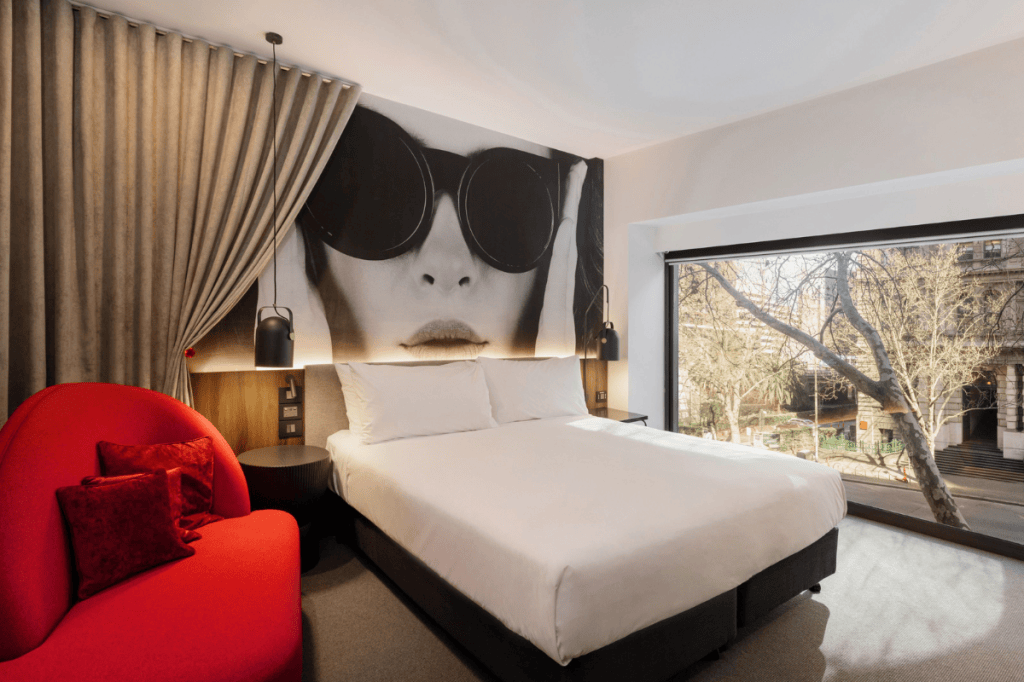
Hotel Indigo Melbourne on Flinders takes its inspiration from the neighbourhood’s photographic and fashion history, particularly Helmut Newton, the celebrated fashion photographer who began his career in the area. His influence runs through the hotel’s photography-inspired interiors, gallery-style lobby and a specially designed photo booth where guests can create their own fashion-shoot memories.
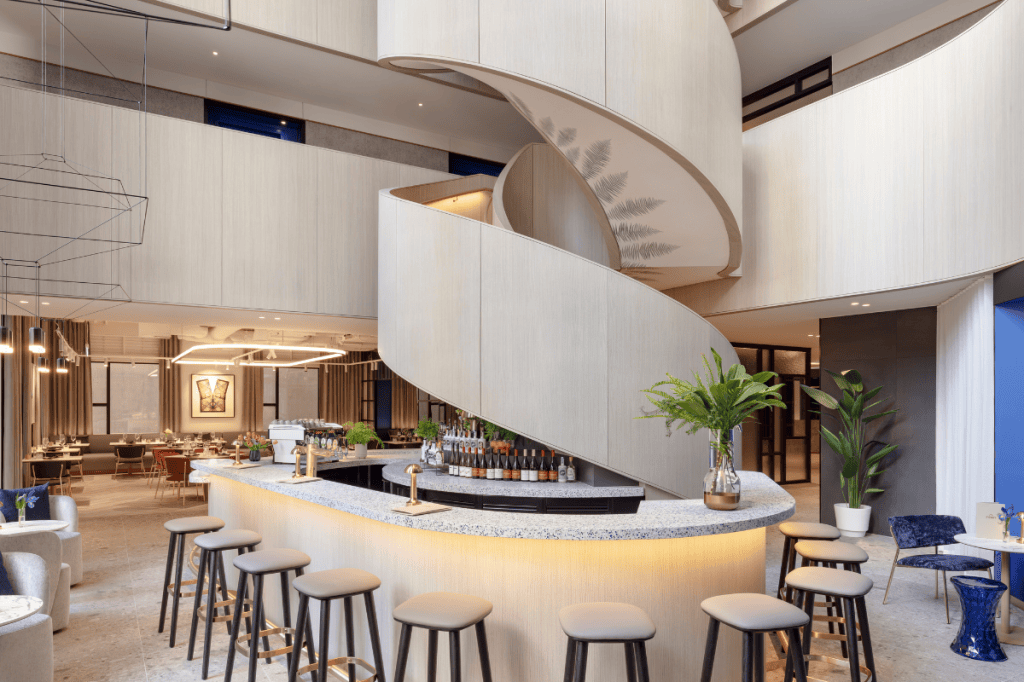
Hotel Indigo Melbourne Little Collins, five blocks away, occupies a site once associated with jewellers, bootmakers and retailers, so the hotel incorporates references to some of the characters and businesses that helped shape the precinct. There are nods to Sidney Myer’s former drapery store and E.W. Cole, the eccentric bookseller behind Cole’s Book Arcade and the iconic Cole’s Funny Picture Book. A three-storey Cabinets of Curiosity mural by Melbourne artist Lisa King brings together a collection of symbols and stories from the city.
Even the building’s preserved heritage shopfronts, including those of Diamond House and the Public Benefit Bootery, have become part of the experience.
Hotel Indigo Auckland opened last year on the site of the former 1912 Motor House, where Cadillacs were first imported into New Zealand. The building’s heritage-listed façade has been retained, while the automotive theme is carried through the interiors, including artwork and details such as rear-view mirrors positioned above the beds.
Sweethearts
And then there’s Hotel Indigo Potts Point, where the neighbourhood story is rather more colourful. It is really in Kings Cross, which is no longer a suburb, just a locality. It was once the centre of Sydney’s nightlife, known for its strip clubs, late-night bars, gangland figures and assorted characters who made it one of the country’s most notorious entertainment districts.
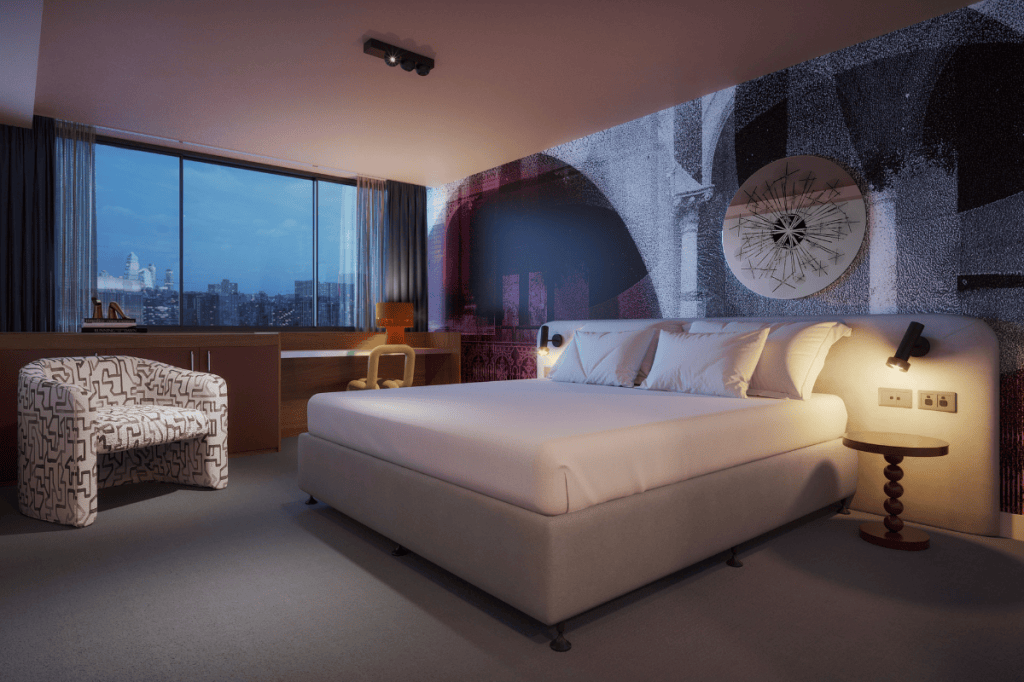
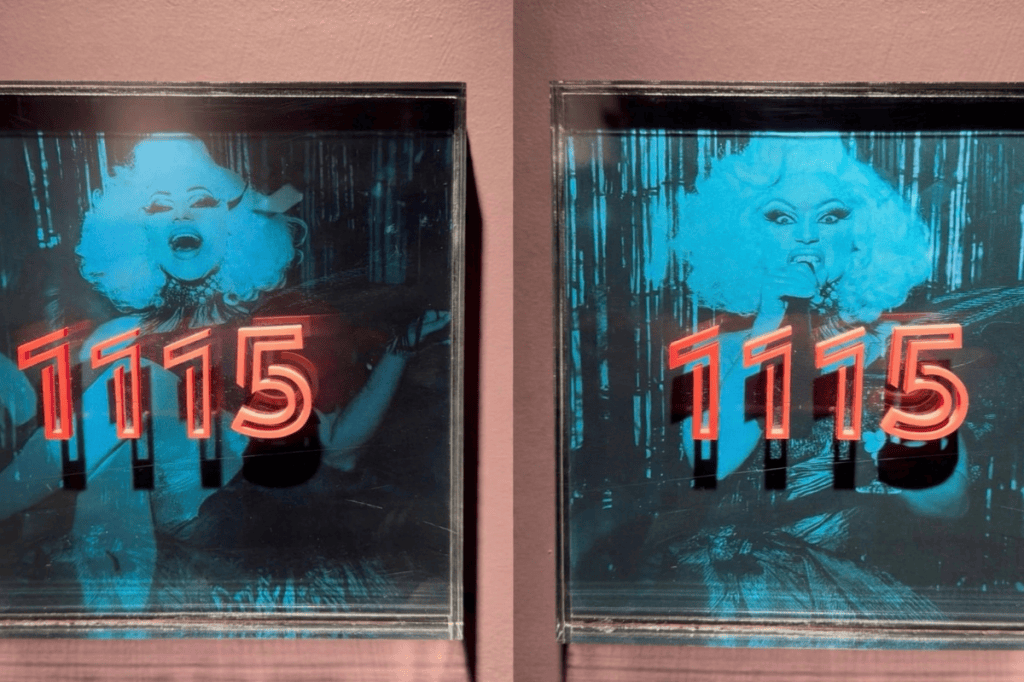
The hotel plays with a bit of that history, but also its theatrical and music history. There’s an old popcorn machine in the lobby along with large black-and-whites of actors and musicians down in the foyer. Think Cate Blanchett, Deborah Mailman, Jimmy Barnes, and local burlesque artist Rosie Rivette. But stepping out of the elevator on the 11th floor, my companion comments that it looks like a Tokyo strip club, all neon, pouting lips and bottoms. The room door numbers are on three-dimensional portraits of what appear to be the cross-dressing entertainers from the former Les Girls revue. There are books about the Cross on the shelves, and a suggested walking tour of the neighbourhood on the coffee table.
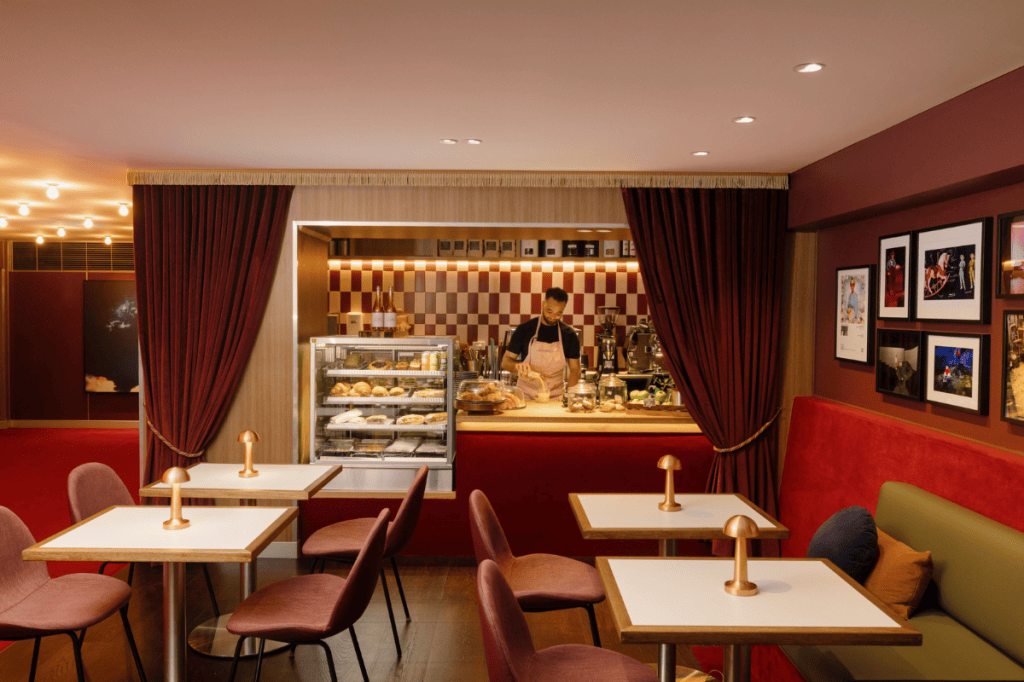
The buffet breakfast is down in the lobby where I suppose that the Jimmy Barnes portrait is a reference to Cold Chisel having their Breakfast at Sweethearts – the cafe that was a few hundred metres down the road. Or perhaps the video for Saturday Night, filmed at the Cross and, indeed, inspired by it.
It’s a playful interpretation of a neighbourhood that has undergone considerable change. The bikies and much of the sleaze have moved on, but the hotel seems to understand that we’re missing it now it’s gone.
Want to see more Forbes articles on your feed? Tap here to make Forbes Australia a preferred source on Google.
Look back on the week that was with hand-picked articles from Australia and around the world. Sign up to the Forbes Australia newsletter here or become a member here.