Wayne Lee wanted a piece of the AI boom – and some protection against it taking his job. More than two years before the Anthropic’s IPO, he found a way in.
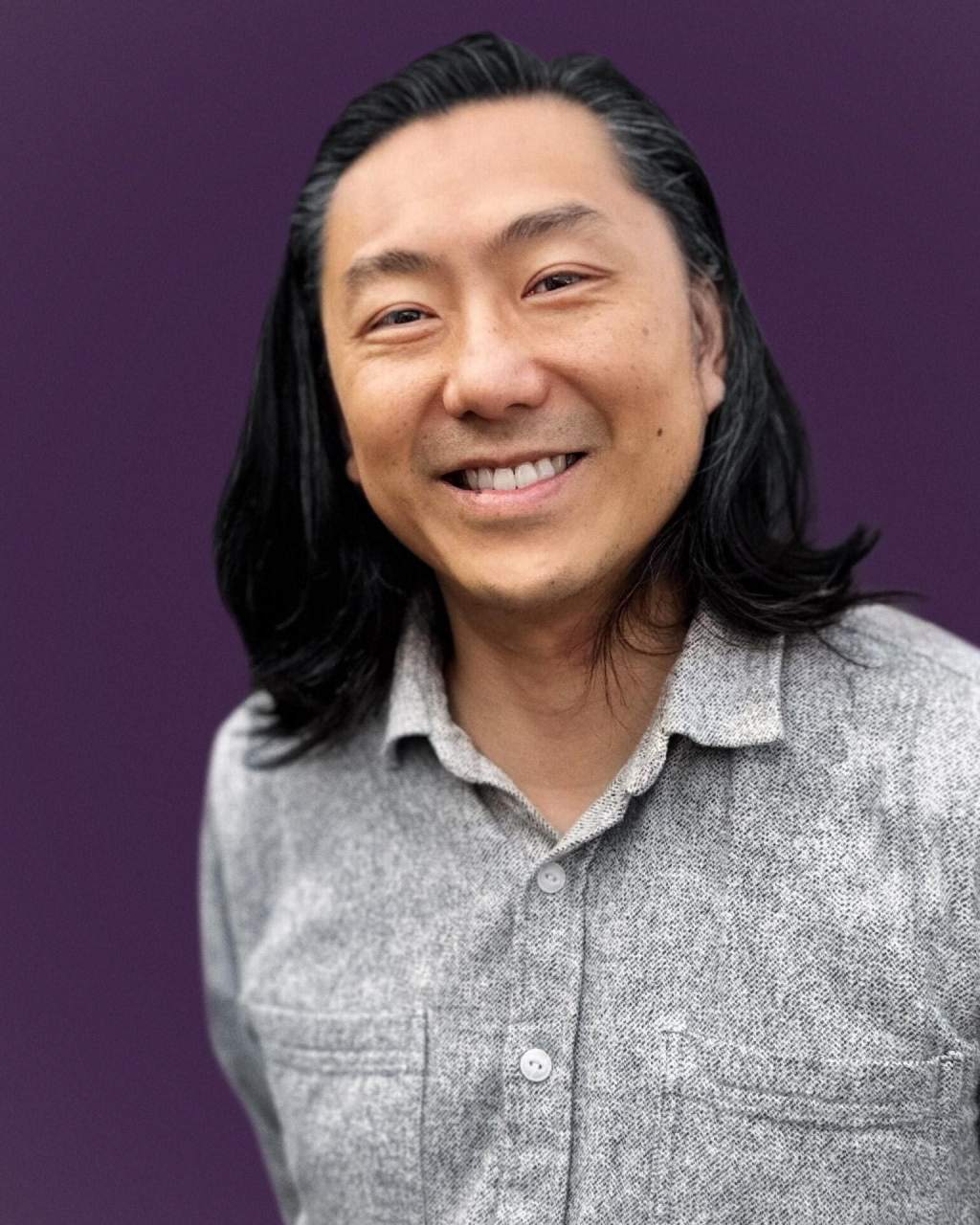
Wayne Lee bought his way into Anthropic by not buying a car.
It was early 2024. Lee was between jobs and working on two projects to pass the time. The first was reading up on artificial intelligence. The second was helping his mother comb through alternative investments for her retirement.
The two side quests collided quickly. The more Lee learned about AI, the more he wanted a piece of it. Public AI stocks were easy. The companies he was most interested in weren’t selling to anybody. Private stock usually moves in two directions only: to employees as compensation, and to larger institutional investors.
“There’s got to be a way to invest in this,” he recalls thinking.
After a lot of digging he found one through Clarity, one of a cluster of platforms – EquityZen and Augment are two others – that assemble single-asset funds to buy blocks of stock in private companies that it then slices up and sells to family offices and other institutions that would normally never get the attention of a buzzy startup like Anthropic.
“Do I want that new car or do I invest it in this?” he remembers thinking.
Lee put the money in Anthropic.
That bet has paid off well: his investment is up by 27-fold. Lee won’t say how much he invested, but Clarity’s minimum check size is $25,000 (A$37,140). If he had invested only that, his Anthropic investment would now be worth $675,000 (A$1,002,780), minus any fees.
Lee says he wasn’t buying into Anthropic because he was certain it would go up. He was buying it because he worried AI was coming for his profession. He works in the tech industry. After reading up on AI for a few months, he arrived at an inevitable conclusion.
“If AI hits its potential, you’re going to be out of a job,” he said.
So he bought a hedge against his own obsolescence from a company building the tech that would likely cause it. If AI was going to take his career, he’d at least have a stake in it, he figured.
Lee was hardly a novice investor. He had bought stocks since college and spent a decade in crypto. Private companies were new ground, and tough investments to wrangle. One Anthropic deal collapsed before it closed.
When Clarity assembled a second, Lee jumped in. That one held. What Lee owns is exposure through a fund, which is a different animal from shares with his name on them, but still a way to participate in a company’s gains (subject to the fund’s terms and fees).
Anthropic begins trading Thursday under the ticker ANT. Orders ran six times the available shares as of November 12, and all indications are that demand is likely to push the price past its initial range.
But when rank and file investors get in through their Charles Schwab accounts, early investors like Lee and Anthropic’s venture capital investors will have already captured years of gains.
Clarity’s business – they’ll transact $5 billion (A$7.4 billion) of trades this year – is predominantly institutional, says Clarity CEO Sim Desai, though individuals who meet the accreditation bar can start writing checks at that $25,000 (A$37,140) bar.
The firm usually buys from existing shareholders – employees sitting on vested equity, early investors tired of waiting for an IPO and looking for liquidity. Anthropic was a bit different. Clarity picked up some of its shares in the crypto calamity FTX’s bankruptcy auction, bidding alongside Augment and Forge.
Private investments like the one Lee made do carry hazards, enough that he remembers being vaguely nauseous about cutting such a large personal check. They can be difficult to sell, and buyers often commit without the financial details available to public shareholders.
He describes his first fund-of-funds investment as his worst deal, in part because it was particularly illiquid.
“I think you’ll be disappointed if you think Anthropic is the norm,” he says.
Still, he thinks the category is worth considering for the people like him, researching investing in their “dad sweats” after their children go to bed. Because the alternative is a world in which most of those gains keep flowing to the already-rich.
“I’m all for the little guy,” Lee says. “We’ve got to help each other too.”
Want to see more Forbes articles on your feed? Tap here to make Forbes Australia a preferred source on Google.
Look back on the week that was with hand-picked articles from Australia and around the world. Sign up to the Forbes Australia newsletter here or become a member here.