From lockdown to lashes: how three friends built a $50m beauty brand

A single viral video saw the fledgling founders of Lash Therapy scrambling to restock. Six years later, they are taking the cult-like brand beyond the screen.
BRANDVOICE – PARTNER CONTENT

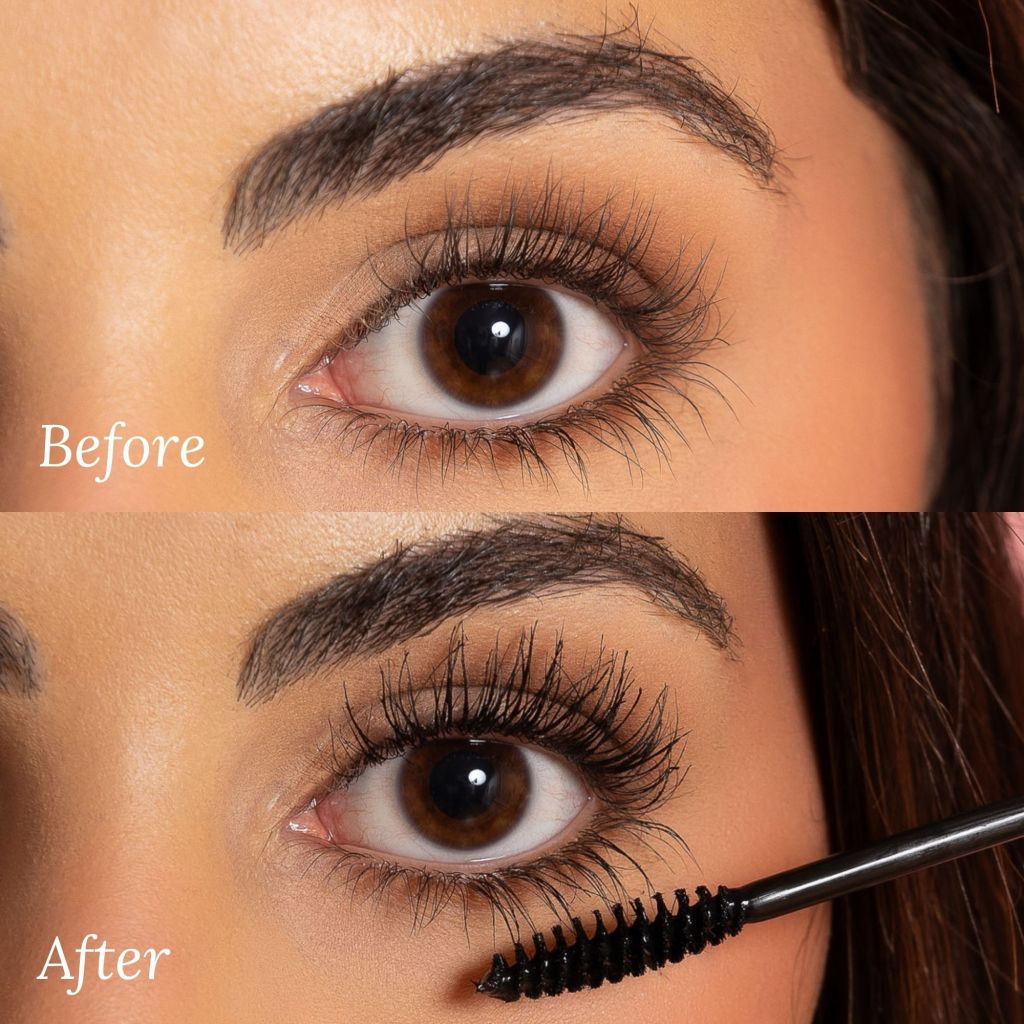
For Lash Therapy’s young founders, the first hint of a different future came via TikTok. Six months after launching their eyelash growth serum, a customer’s before-and-after video went viral. Soon after, a business that had struggled to land one sale a day had its first A$100,000 month.
“We believed in the products, but we hadn’t imagined things could move that quickly,” says co-founder Jessica Arthur.
It was a lesson in the cutthroat pace of digital beauty commerce. Another lesson swiftly followed: generating demand and meeting it are very different challenges. As social media drove orders faster than they could restock, they sold out.
Three’s company
Launched in September 2020 by friends Jessica Arthur, Emma Spiliopolous and Lauren Rugolo, the business now reports cumulative sales of A$50 million across its own websites, Amazon and wholesale channels. The company says it has sold more than 500,000 eyelash serums to over 271,000 customers. Its next chapter takes it beyond the screen and into physical retail.
The idea was inspired by a common beauty aspiration: achieving longer eyelashes. While Spiliopoulos and Rugolo wore lash extensions, Arthur had experienced sensitivity to them and longed for a non-synthetic alternative. When Melbourne’s COVID-19 lockdowns upended the three friends’ professional lives, they decided to embark on a passion project.
“Jess was actually the one who first came up with the idea,” says Spiliopoulos. “She brought it to Lauren and me, and we both wanted to be part of it.”
Until then, the friends’ careers had little in common: Arthur had worked in gyms and personal training, Spiliopoulos as an influencer, and Rugolo in real estate administration. What they did share, Spiliopoulos says, was “a desire to work for ourselves and build something of our own.”
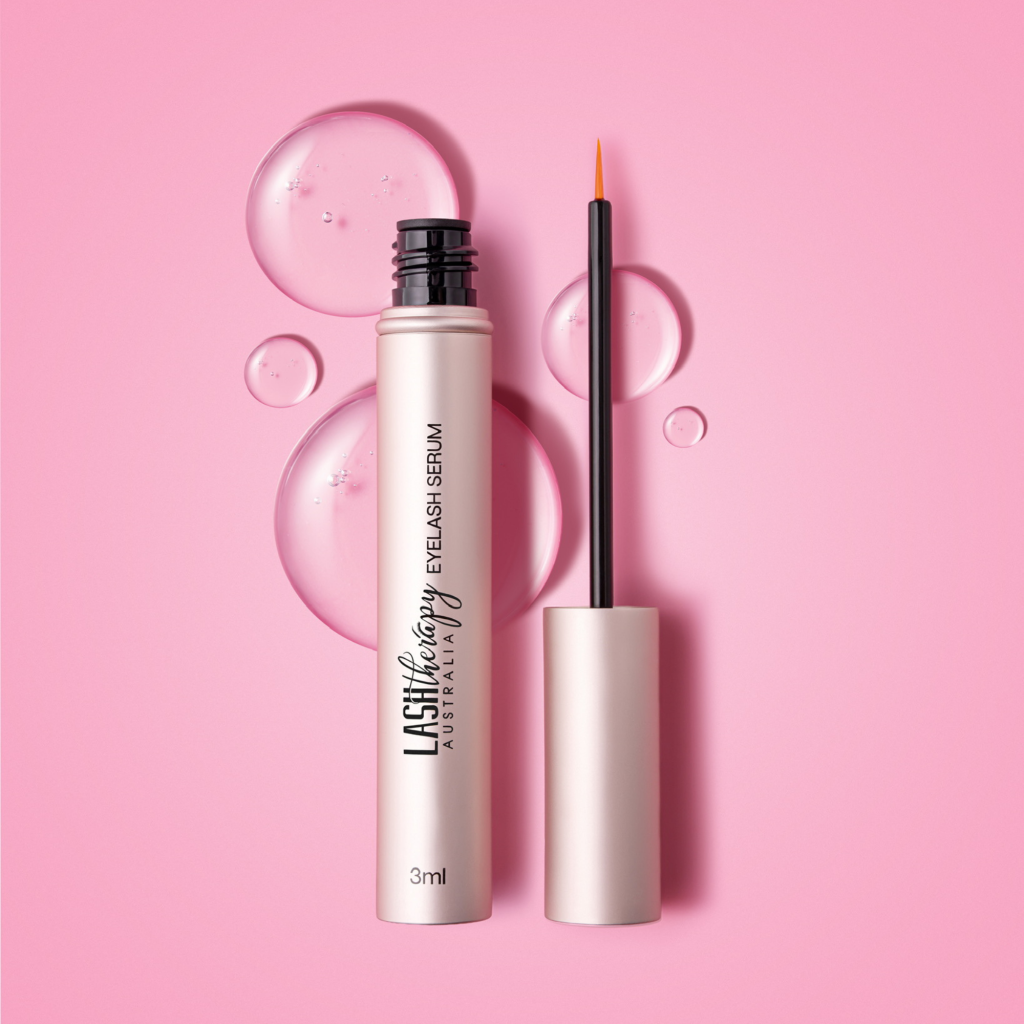
Each put up $4,000 for capital, and they soon launched the first product and an online store. Lash Therapy was born. It was, Arthur says, “definitely all hands on deck”: packing orders, answering customers, marketing, and running the store.
“We weren’t imagining the business as it is today,” says Spiliopoulos. “We were focused on getting our first product out there.”
That collective approach endures. All three are co-founders and directors, with no single CEO. Shared leadership means big decisions get three perspectives.
“The challenge is making sure shared involvement doesn’t create confusion about who is moving something forward,” says Rugolo. “As the business grows, clear communication and accountability become even more important.”
A cult classic
That first viral video not only hastened Lash Therapy’s success, it also showed its founders what resonates with customers online: real user experiences. It was also free publicity, and there was plenty more of it. Creators across Australia, Europe, and beyond shared their lash results, and their followers discovered the serum through voices they already trusted.
“Social media felt different back then,” Arthur says. “A video would take off, and suddenly we’d have this wave of orders and people talking about us. It was a wild time.”
“Starting TikTok ads was another big turning point,” says Arthur. “It allowed us to get that content in front of more people and build on the attention we were getting organically.”
The strategy linked customer content, creator partnerships and paid distribution. Before-and-after imagery made a product that requires consistent use easier to explain, though Arthur stresses that expectations matter: “Results and individual experiences can vary, and people need clear information about how to use a product.”
Around that, the founders built a “really loyal, almost cult-like community of customers and creators who kept sharing and supporting the brand”.
But the demand those videos and that community generated outpaced supply. The founders sold out and moved to pre-orders while they waited for more stock.
“You can’t replenish stock overnight, and you’re trying to work out whether a spike in sales is temporary or your new normal,” says Rugolo. “Ordering too little means selling out again, but ordering too much ties up money in stock.”
“There was more work happening behind every sale than people could see,” she says. “Growth isn’t just about generating more orders – you need the stock and systems to fulfil them and keep customers’ trust.”
That operation is now far larger and more global. Marketing spans creator partnerships, paid social, Google, email, and SMS, and the US, which Arthur calls a “particularly huge” part of that early growth, now has local fulfilment, alongside Canada and the UK.
Rugolo sees Lash Therapy’s competitive advantage in customer relationships, feedback, product range, and a consistent shopping experience. On range, the company reports almost 70,000 Iconic Serum Mascaras sold online, extending the line beyond serums.
Retail therapy
Online discovery often depends on advertising, search or recommendations. The brand’s newest play is physical retail, including US bulk-buy giant Costco.
“Costco gives us access to an established customer base and an opportunity to introduce the products in a different format,” says Arthur.
Meeting that opportunity means handling larger orders alongside individual purchases, without leaving website and Amazon customers waiting. Stock planning, cash flow, and production schedules must stretch further, and the lessons learned during early shortages must now be exercised on a much larger scale.
Value is another consideration, particularly in a challenging economic climate, and Lash Therapy offers individual products, a jumbo serum, and subscriptions. “We’re conscious that customers have choices about where they spend their money,” Arthur says.
Spiliopoulos says the trio aims to grow the business into “a more widely recognised international beauty brand, with the team and operations to support that growth.” Retail will sit alongside continued investment in direct sales, Amazon, and product development.
“We’ve come a long way since investing $4,000 each,” says Spiliopoulos, “and there’s still a lot we want to build.”
For more information, visit lashtherapyaustralia.com
Want to see more Forbes articles on your feed? Tap here to make Forbes Australia a preferred source on Google.
Look back on the week that was with hand-picked articles from Australia and around the world. Sign up to the Forbes Australia newsletter here or become a member here.