A smart investment for Australia’s future

A new flagship report shows vulnerable children are falling further behind, warranting an urgent response from policymakers, the business community and philanthropists.
BRANDVOICE – PARTNER CONTENT
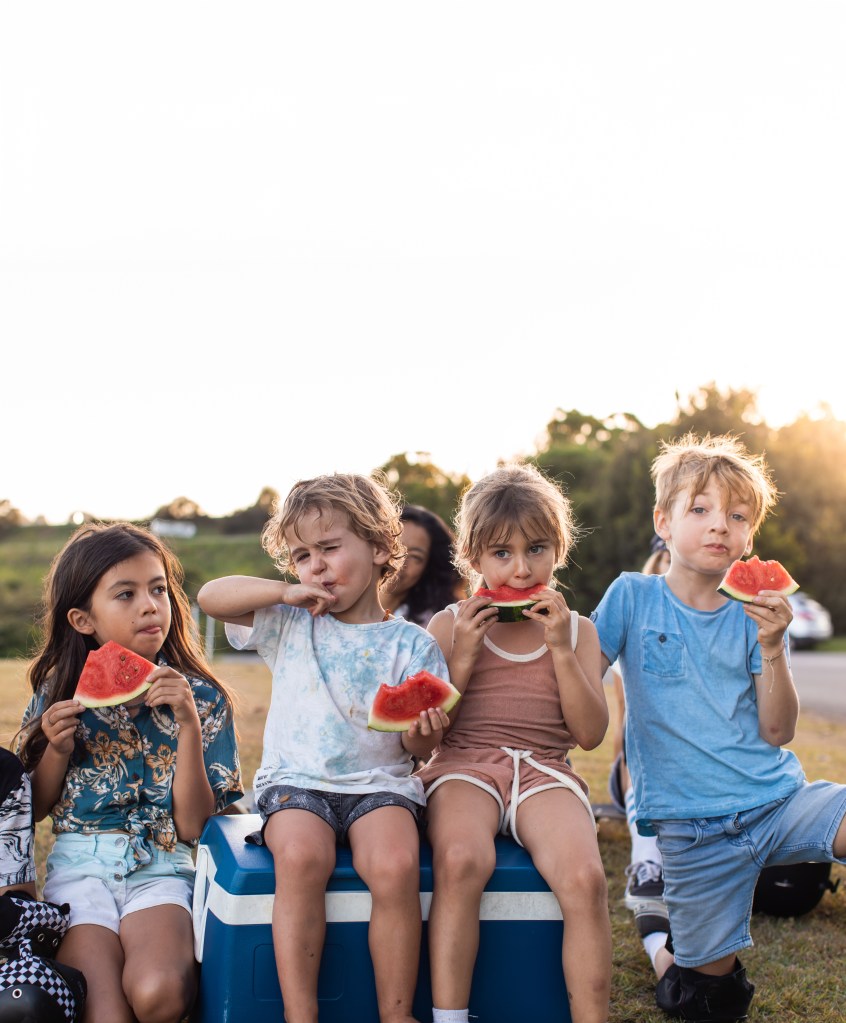
Australia is one of the world’s wealthiest countries – with some of the most generous donors – but when it comes to protecting and advancing our most vulnerable children, we still fall devastatingly short, a new landmark report has revealed.
UNICEF Australia, the Australian Research Alliance for Children and Youth (ARACY) and the Minderoo Foundation’s The State of Australia’s Children report tracked wellbeing across six domains and found that our most at-risk groups are falling further behind.
Several of the findings make for difficult reading: systemic barriers continue to affect Aboriginal and Torres Strait Islander children, resulting in higher developmental vulnerability by age five, against Australian Early Development Census (AECD) benchmarks, the report found.
Simultaneously, children in out-of-home care experience higher rates of homelessness and detention, while many children with disabilities face discrimination and barriers to full participation. For children involved in youth justice systems and child protection, persistent systemic failures continue to compromise both their rights and wellbeing.
While many children are growing up feeling safe, healthy and supported, other worrying trends were identified, including psychological distress, childhood obesity, early developmental vulnerability, financial insecurity and exposure to digital risks.
The report – developed by UNICEF Australia in partnership with ARACY and supported by the Minderoo Foundation – is a call to action to address gaps and ensure that all children have the support they need.

“If we truly want to ensure no child is left behind, we must go to where the need is greatest,” says Minderoo Foundation co-founder Nicola Forrest AO. “That means listening deeply and working alongside children and their families – regardless of background, circumstance, diversity or disability – to ensure they are welcomed, supported and empowered to thrive.”
Giving children a voice on the national stage
UNICEF Australia Young Ambassador and Youth Advisory Group member Princess Delany helped to steward the flagship report and says the findings highlight urgent challenges for our leaders to address.
“Young people deserve equity, fairness, and to have a safe, happy and healthy childhood, and the report is showing that there are a lot of benchmarks that aren’t being met,” she says. “It’s very important that we can work towards fixing that.”
Eighteen-year-old Delany was born in a refugee camp, with her family later fleeing Sierra Leone with the help of aid organisations like UNICEF. She is now a leading voice for young, vulnerable people in Australia, but says they need more representation.
“We need more seats at the table for children and young people.”
UNICEF Australia Chair Ann Sherry AO agrees, stressing there’s a strong onus on Australia’s leaders and policymakers to develop new models of inclusion.
“We believe that listening to children and young people is not just the right thing to do – it’s essential for building policies and communities that work for everyone,” she says. “The State of Australia’s Children report puts their voices at the centre of the national conversation.”
ARACY CEO Prue Warrilow said the report deliberately employs an evidence-based wellbeing framework, enabling policymakers to measure change. The six wellbeing domains in the report are valued, loved and safe; having material basics; being healthy; learning; participating and having a positive sense of identity and culture.

Delany says UNICEF is leading advocacy work in Australian communities and providing politicians with grassroots perspectives, for example, by bringing young voices from rural areas into research that reaches global platforms, such as the 30th Conference of the Parties (COP30).
“A child from Dubbo is now being put on the global stage, with world leaders able to shape policy and international decisions based on what they say. I think it’s amazing that we’re able to have the real stories and the data of young people amplified and becoming a mechanism of shaping international policies,” she says.
A different approach to philanthropy
Beyond policy, long-term philanthropy is another key avenue at UNICEF Australia that helps shape the outcomes for children who need support to live healthier, safer, and more fulfilling lives.
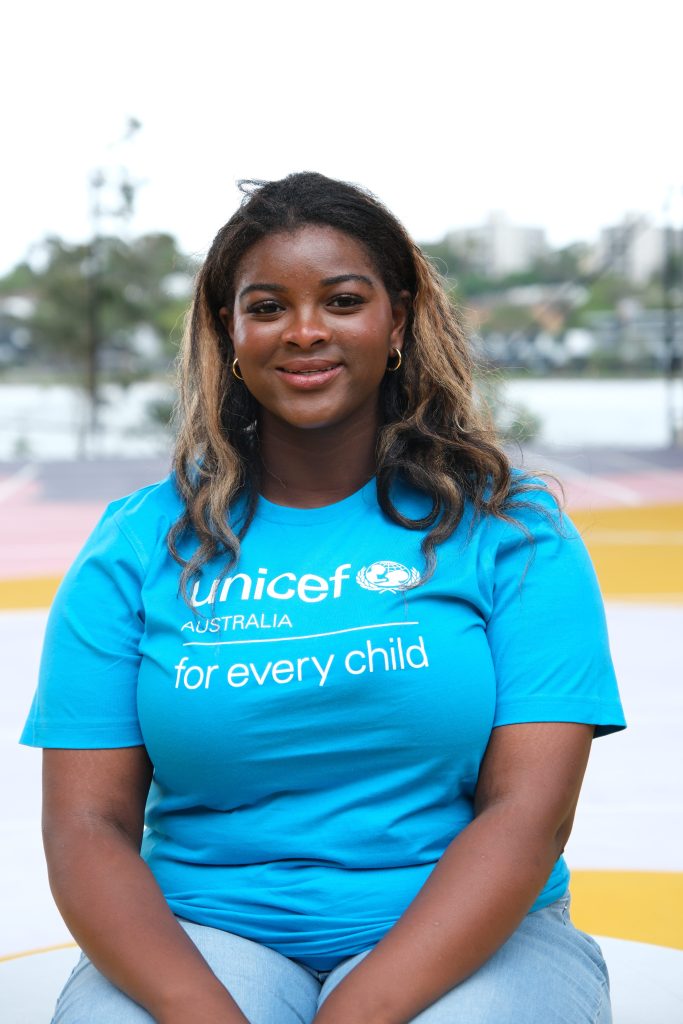
There needs to be a mindset shift from short-term donations to long-term investments, Delany says.
“It’s great to have collaborative spaces that are empowered through philanthropy,” she says. “Philanthropy as an ongoing mechanism for young people is great as a form of advocacy.”
Minderoo Foundation’s Nicola Forrest says that to allow children to reach their full potential, several groups must work together to tackle the multitude of issues facing younger generations.
“To reach this vision, philanthropy, government, and business must collaborate. Together, we have the power to illuminate challenges, spark change and innovate to prove that progress is possible,” she says. “There is no more worthwhile goal – or richer national reward – than the wellbeing of our children and families.”
Sherry notes that philanthropy extends beyond the feel-good factor, delivering benefits for the investor as well.
“When philanthropists step up, they help drive innovation, scale solutions, and ensure that every child has the opportunity to thrive. It’s not only the right thing to do, it’s a smart investment in Australia’s future.”
Find out how UNICEF works with Australian philanthropists here