Australia’s great wealth transfer: How Australia’s wealthiest families are rewriting the rules of inheritance

As we enter a new phase of wealth transfer, preserving assets will require more than investment returns. Forward Path Advisory says coordinated advice is critical to ensuring both wealth and family relationships survive the transition.
BRANDVOICE – PARTNER CONTENT
Australia is on the cusp of the largest intergenerational wealth transfer in history, with $3.5 trillion expected to change hands over the coming two decades; that’s $175 billion per year. But while many ultra-high-net-worth families spend years building wealth, many devote less time to planning how it will pass to the next generation.
To add to matters, the accelerated pace of regulatory change – including the Division 296 tax on super balances over $3 million, capital gains tax changes and new tax rules on trust distributions – underscores the importance of early preparation to ensure a smooth handover.
“The key is having the hard conversations early and resolving any dispute that may arise in the future,” says Joel Cleary, CFP, principal of Forward Path Advisory.
Such disputes include estate surprises, which can result in lengthy and costly litigation, or family court matters, which can significantly erode family wealth.
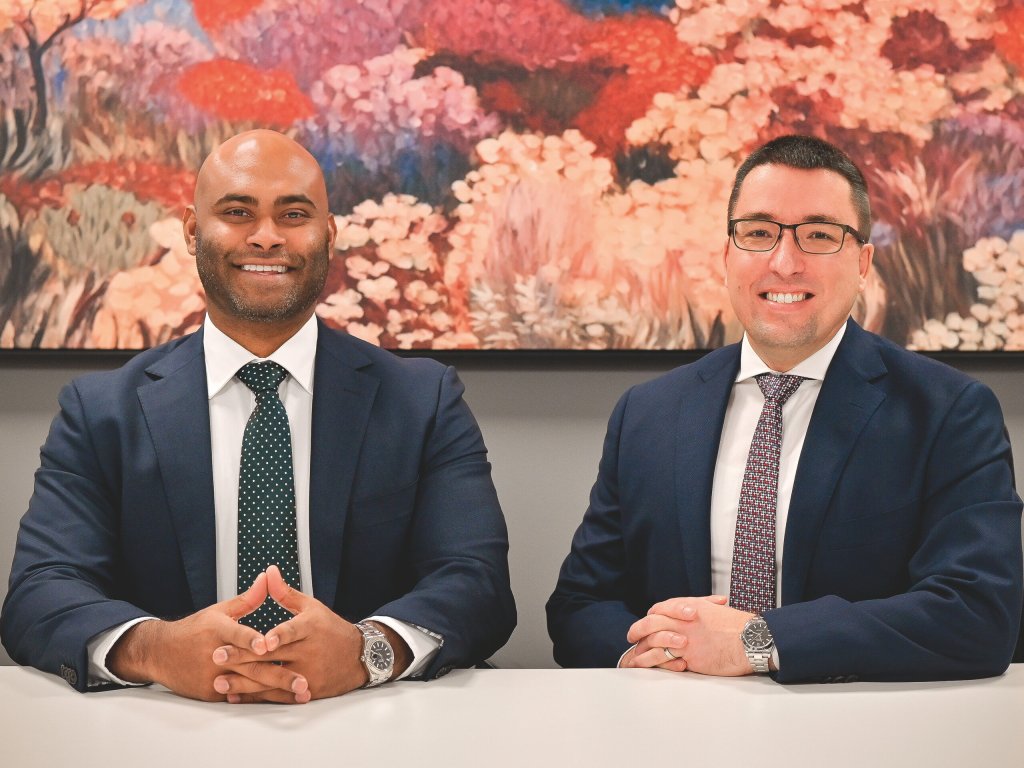
Cleary and fellow principal Radz Jeyabalasingam, CFP, say they have also increasingly witnessed final wishes being unfulfilled due to a lack of communication among networks of professionals, including lawyers, accountants, wealth advisers and private bankers.
“One of the things we’re seeing with a lot of high-net-worth families is that they haven’t had important conversations with their family members, and part of the reason is they don’t have advisers around them facilitating those conversations,” says Jeyabalasingam.
“For affluent families, estate planning is rarely straightforward,” he says. “Blended families, family businesses, complex ownership structures and changing personal relationships can make these conversations emotionally difficult. As a result, many people postpone decisions until it is too late.”
‘The same picture’
To navigate this growing issue, the Melbourne-based advice practice, which serves high-net-worth and ultra-high-net-worth clients across the country, takes a novel approach: working as an intermediary between the parties to help ensure wealth is preserved for the next generation.
It’s a divergence from the traditional financial advice model, which has historically been focused on chasing returns for clients, they say. “We believe financial advisers and wealth managers are not fund managers or stockbrokers,”
“Our role is to ensure every adviser is working from the same picture of the client’s goals, circumstances and long-term strategy. We coordinate communication, facilitate collaboration and help ensure every decision complements the broader financial plan rather than being made in isolation,” says Cleary.
For the two principals, the process may involve getting to know the primary decision-maker’s children and considering potential future conflicts that can arise from blended families, complex financial scenarios or unclear directives. They often bring family members in 5 to 10 years before the transition to try to ensure everyone is on the same page.
“It’s important for the adult children to understand how their parents are investing their money because we’ve seen many examples of parents setting up complex structures that are difficult to manage,” says Jeyabalasingam.
“If we bring the adult children in early, there’s a solid working relationship with the professional network from the get-go.”
The practice manages potential professional conflicts of interest by allowing clients to choose the external professionals they wish to work with, including their accountant and lawyer. Where a client does not have an existing professional relationship, Forward Path can introduce them to a panel of approximately 30-plus firms it works closely with. The client’s needs and preferences guide any referral, and the final choice remains entirely with the client.
“Our job isn’t to sway or influence who our clients should work with,” says Cleary. “We also don’t have a vertically integrated model. We don’t offer our own accounting services; we don’t have in-house legal services; we just want the best outcome for the client.”
Women redefining family wealth

As the wealth transition gathers pace, women are set to become the primary beneficiaries of the country’s wealth, with a report by investment firm JBWere estimating that Australian women will control close to $3.2 trillion in the next decade. The transition is largely driven by longer life expectancy, increasing personal wealth creation, and the growing role women play in managing family finances, the Forward Path Advisory principals note.
Yet, research has repeatedly found a high proportion of widows tend to change their financial adviser within a year of their spouse’s death.
An international study, run by asset manager New York Life Investment Management, found close to half of women felt they were treated differently by financial advisers. In contrast, 40% felt excluded from financial conversations.
“The key is having the hard conversations early and resolving any dispute that may arise in the future.” – Joel Cleary
Cleary and Jeyabalasingam say women should be placed front and centre in conversations about family wealth.
“A significant and growing proportion of our clients are women, both those inheriting family wealth and those who have built substantial wealth through their own careers, businesses or professional success,” says Jeyabalasingam.
“In our experience, these clients place considerable value on long-term advice relationships built on trust, transparency and the confidence that their advisers are genuinely acting in their best interests.
“Many also place great importance on preserving family relationships and approaching complex financial decisions thoughtfully, particularly involving multiple generations or blended families.”
Bridging the professional ecosystem
According to Forward Path Advisory, many high-net-worth and ultra-high-net-worth families may face an inflection point in the coming decade, where their estate and tax planning arrangements don’t keep pace with the growth of their wealth.
People facing this scenario will often have a team of professionals in place but may not have a centralised party managing the relationships and the client’s current intentions.
The Forward Path team believe a coordinated model is the way of the future.
“If other advisers are not in sync, it creates a lot of risk,” says Jeyabalasingam. “As wealth becomes more complex and more families navigate significant transitions, the need for a trusted adviser who can coordinate every moving part becomes increasingly important, not just for wealth preservation, but for preserving family relationships.”
If your wealth is ready to pass on but your plan isn’t, start the conversation early.
Forward Path Advisory works with families across Melbourne and Australia to turn control into continuity.
For more information visit forwardpathadvisory.com.au
Want to see more Forbes articles on your feed? Tap here to make Forbes Australia a preferred source on Google.
Look back on the week that was with hand-picked articles from Australia and around the world. Sign up to the Forbes Australia newsletter here or become a member here.