Why sophisticated investors are moving back into Australian commercial property

Institutional capital is already repositioning. Here’s the framework driving its decisions on Australian commercial real estate.
BRANDVOICE – PARTNER CONTENT
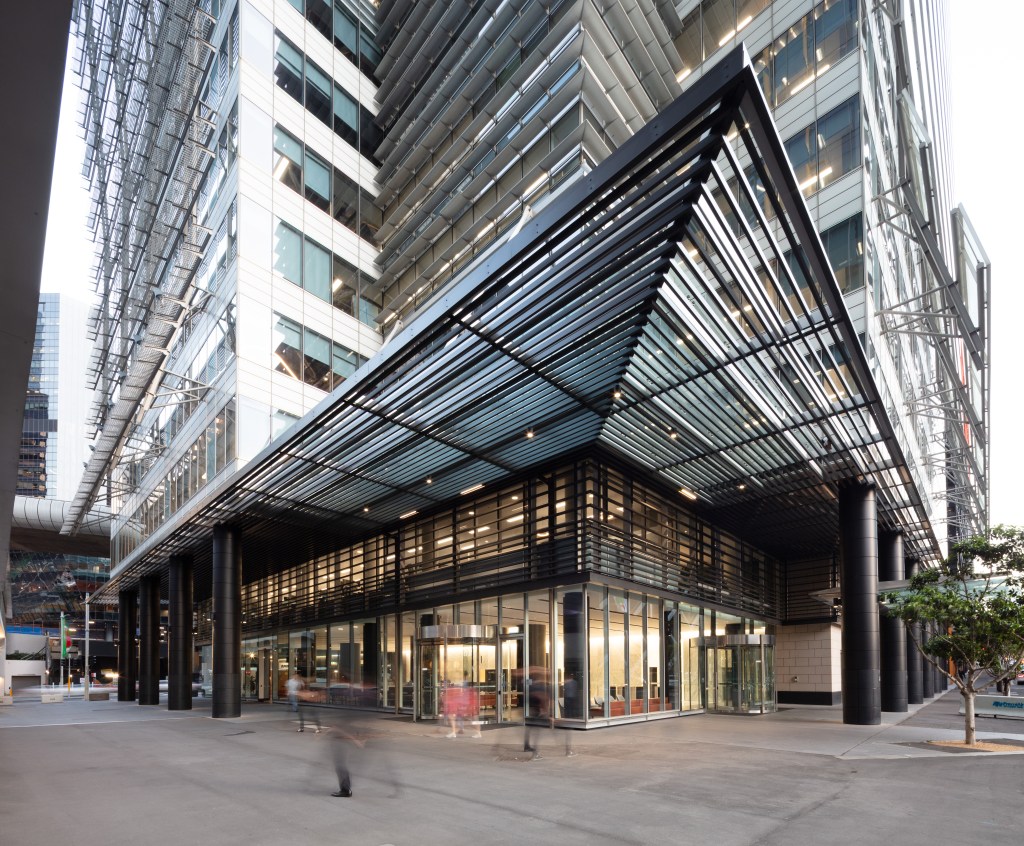
After a period of adjustment that tested confidence across global property markets, Australian commercial real estate is entering a more constructive phase. While some investors are still waiting for confirmation that the worst is over, institutional capital is already moving.
Charter Hall, Australia’s largest manager of commercial real estate, reported incoming equity commitments of $4.8 billion to its funds in the half-year to December 2025, the strongest six-monthly equity inflows in its 30-year history.
Steve Bennett, CEO of Charter Hall Direct, which manages direct investments for the group’s high-net-worth clients, family offices and sophisticated investors, says experienced capital is leaning back into the market as fundamentals become clearer.
“Australian commercial property is not offering a speculative rebound,” Bennett says. “It’s offering predictable and growing income, a constrained forward-looking supply pipeline and much greater visibility at this point in the cycle – one where institutional and high-net-worth capital is already investing.”
That renewed confidence is showing up across core real estate sectors, including office, where valuations were heavily marked down, as well as industrial and logistics, and segments such as convenience retail.
The timing is not accidental. When valuations fall and uncertainty rises, most investors default to caution and wait for conditions to stabilise. On the other hand, experienced investors tend to do the opposite. They move on leading indicators, focusing on the underlying drivers of income and supply.

The supply equation
What makes the present moment distinctive is a combination of those leading indicators – significant supply constraints, robust tenant demand, and recovering valuations.
Bennett says data from Charter Hall’s 1,600 properties shows the supply challenges are very real across the sector. The cost of bringing on new supply is elevated and, in most cases, well above replacement cost, and the reasons are structural rather than cyclical.
Structural issues, from infrastructure delays and high construction costs to labour shortages and planning complexity, apply just as much to commercial real estate as they do to residential.
“If replacement cost is 30% to 60% higher than buying an existing building, you have to ask why a rational developer would take on leasing risk, planning risk, construction risk and financing risk. That puts real downward pressure on new supply,” Bennett says.
That imbalance between supply and demand is highly visible in prime office markets such as Sydney’s CBD, where only two prime-grade office towers are expected to reach completion between now and 2030. The flow-on effect is market-wide tightening as tenants seek amenity-rich assets in vibrant precincts.
An example is Charter Hall renewing and re-leasing over 85% of the building at 10 Shelley Street, another tower owned by its funds, in less than 18 months.
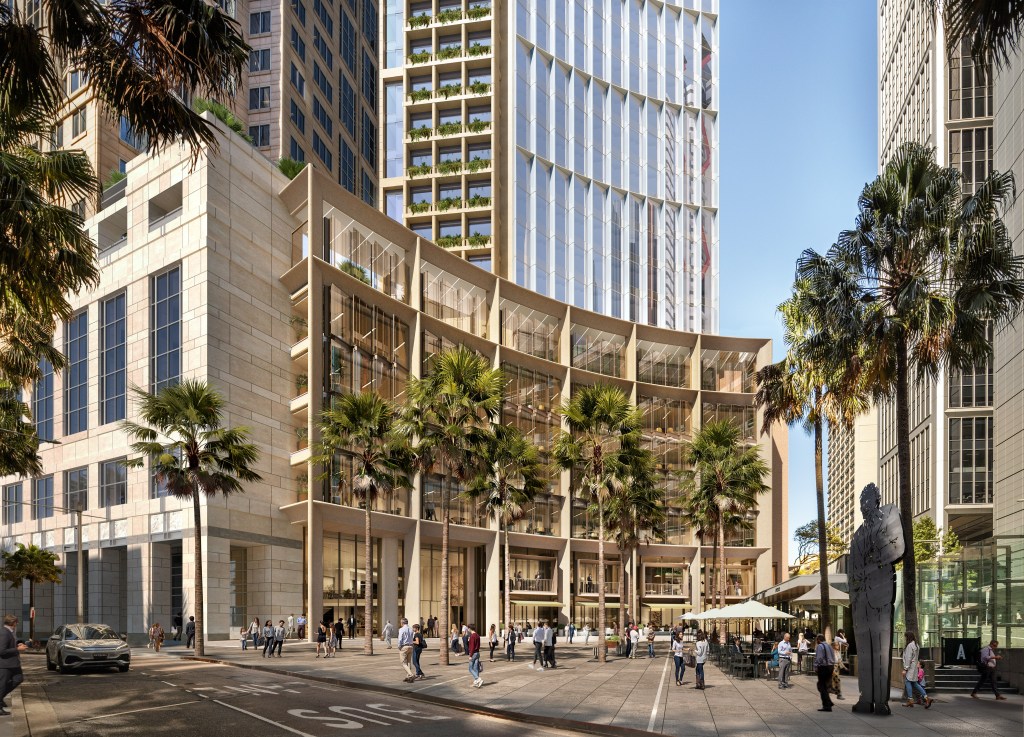
The same dynamic is playing out in industrial and logistics, where Australia’s national vacancy rate sits at 3.2%, among the lowest globally, and in convenience retail, where population density and planning constraints make new supply in the best catchments effectively impossible.
By comparison, the demand side has continued to strengthen. Australia’s population growth has been running at roughly four times the G12 average in recent years, and unemployment remains low.
“That combination means tenant demand continues to be there, and Economics 101 tells you that’s a good setting for rental growth, which ultimately drives valuations in the long term,” he says.
Disciplined capital
It is precisely that combination that is reshaping how sophisticated capital is positioning itself in a more disciplined way. Investors are prioritising quality, favouring institutional-grade assets with long leases and strong tenant covenants.
“High-net-worth investors understand property moves in cycles,” Bennett says. “Some of the best returns are generated when you invest as the market recovers, not two or three years later after valuations have already moved.”
The change is apparent in where capital is flowing – take institutional capital’s shifting view on the retail sector. Funds that once focused on large regional malls are increasingly recognising the defensive cashflow characteristics of convenience retail, which caters to everyday essentials and benefits from consistent, non-cyclical demand.
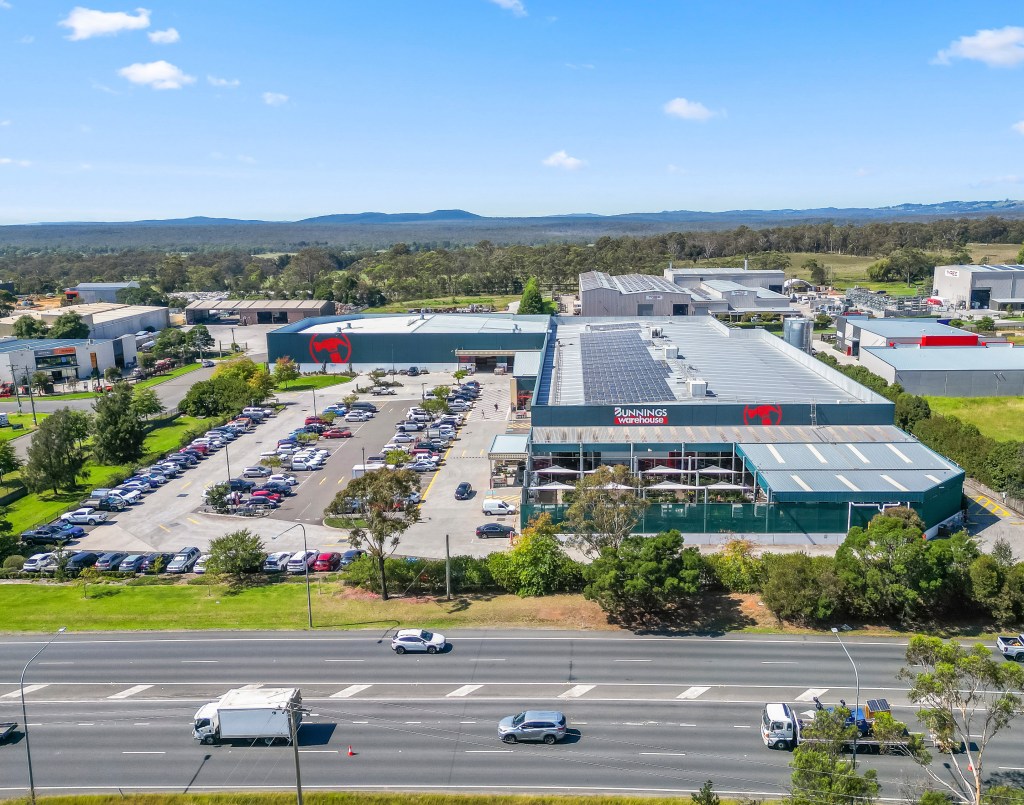
Since its launch in July 2025, Charter Hall’s institutional convenience retail fund has grown to more than $3 billion in gross asset value, underpinned by convenience-based assets across Sydney, Brisbane and Melbourne, such as Bunnings Mittagong in New South Wales.
For HNW investors, Charter Hall has made the same opportunity available through the Charter Hall Direct Convenience Retail Fund (DCRF), a co-investment sleeve alongside institutional capital.
“If you can get 12% equity IRRs, when traditionally that’s 8% to 9%, without compromising the quality of the real estate or the tenants, that is proving very attractive to high-net-worth clients,” Bennett says.
There is also a portfolio dimension that sophisticated investors are weighing more explicitly than in previous cycles. Unlisted commercial real estate does not move in lockstep with equity markets. It generates regular distribution income through periods of volatility and behaves differently from listed assets during market stress. That diversification benefit is becoming more relevant as geopolitical uncertainty and shifting global trade dynamics inject greater volatility into public markets.
At a time when public markets are moving sharply and exhibiting increased volatility, that stabilising quality is drawing investors who previously viewed property largely as a return play. In that context, income‑producing commercial property is increasingly viewed as a defensive allocation, providing resilience when global macro and geopolitical risks rise.
“Unlisted real estate can lower overall risk for a high-net-worth client because it isn’t necessarily correlated with what may happen in software-as-a-service stocks or US tech stocks,” Bennett says. “You can generate very stable, strong risk-adjusted returns from Australian real estate.”
Learn more at charterhall.com.au
Want to see more Forbes articles on your feed? Tap here to make Forbes Australia a preferred source on Google.
Look back on the week that was with hand-picked articles from Australia and around the world. Sign up to the Forbes Australia newsletter here or become a member here.