Roshana Care’s purpose-driven revolution

He came to Australia with $10 and a dream. Two decades later, Dr Roshana Jalagge leads a $1 billion care network reshaping how Australia looks after its most vulnerable.
BRANDVOICE – PARTNER CONTENT

Then Dr Roshana Jalagge arrived in Perth from Sri Lanka in the mid-1990s, he had $10 in his pocket and a student visa. He was 18, unfamiliar with Australia, and, he jokes, “completely unprepared for the cold.”
Nearly three decades later, he oversees one of the country’s largest privately-owned care networks: Roshana Care Group, a $1 billion enterprise spanning aged care, mental health, primary care, NDIS and retirement living services across 24 facilities nationwide.
But Jalagge’s entry into the sector was accidental. He studied accounting and finance at university and worked part-time as a bookkeeper for a small, 35-bed mental health provider in Midland, a suburb east of Perth. When its owners later sought to sell, he offered to buy the business and did so, thanks to vendor finance – a leap of faith that he says would later define his career.
“I didn’t have the capital, but they trusted me,” he says.
Jalagge reinvested every dollar back into better clinical outcomes and, in time, into expansion. Within five years, that 35-bed lodging had turned into Western Australia’s largest private mental-health provider.
And though he admits there “wasn’t much money in mental health,” he was drawn to the care sector by a sense of purpose. “I was fascinated by the task and wanted to do something meaningful for the community. My model is actually service-purpose.”
As his early residents aged, he saw a lack of connection between mental-health services and aged care. Over time, that purpose expanded. “Many people in mental-health facilities had nowhere to go when they got older,” he says. “Most aged-care providers wouldn’t take them. So, I thought, why not create a model that combines both?”
In 2015, Roshana Care opened its first aged-care facility. Growth followed quickly with acquisitions in regional Western Australia and, more recently, South Australia. “The need in regional communities is huge,” he says. “A lot of larger providers don’t go there, but that’s where the services are most needed.”
A new model for Australian care

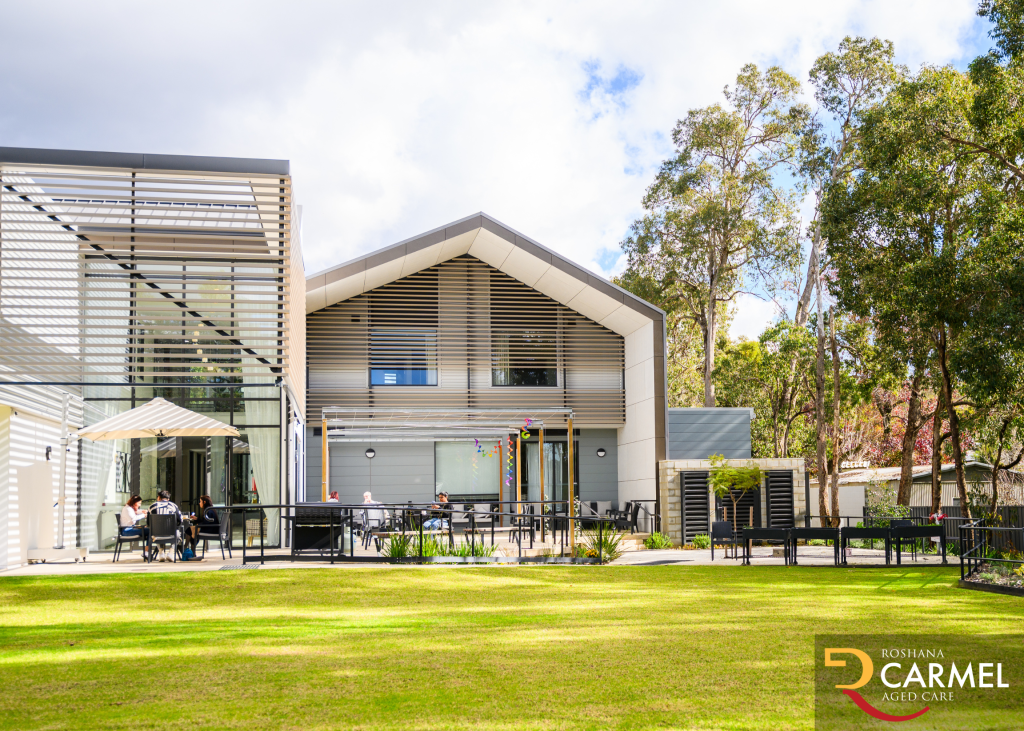
Roshana Care’s most distinctive innovation is what Jalagge calls “vertical care”: Australia’s first multi-storey development integrating residential aged care, home care, retirement living and NDIS services within a single building. The flagship Applecross facility in Perth, he says, “is like a seven-star hotel”, with provision for retirement living and high-care beds, all in one building. “Families can access all services required in one place without ever needing to move to other sites to access necessary services.”
The model challenges the traditional village-style approach, which requires vast parcels of land (scarce in major cities), and aligns with Jalagge’s goal of making quality care accessible in both metropolitan and regional areas.
Jalagge says the Group’s point of difference is also that it places a major emphasis on clinical quality above all else. “Most providers give equal weight to all standards, but we put more resources into clinical care: more registered staff, more specialised services. It costs more, but it delivers better outcomes.”
The Group employs hundreds of clinicians and a 20-member team dedicated to aged-care quality. Managers are encouraged to gain clinical qualifications, ensuring decision-makers understand patient care first-hand.
“We invest extra money for that,” he says. “It’s the success recipe for us.”
Equally important is addressing Australia’s ongoing workforce shortage, which is particularly rife in regional areas. Jalagge’s team has struck a federal labour agreement, allowing the company to bring skilled workers from around the world, not just to fill roles, but also to build communities.
“We bring the right people, train them, give them our values of compassion, respect, communication, teamwork and integrity,” he says. “We teach them the Australian way of thinking.”
To retain staff, Jalagge says the company even provides accommodation, employment support for spouses and education assistance for children to help families settle in regional towns. “Some staff never move back to the city,” he says. “They become part of the community.”
Leading with care
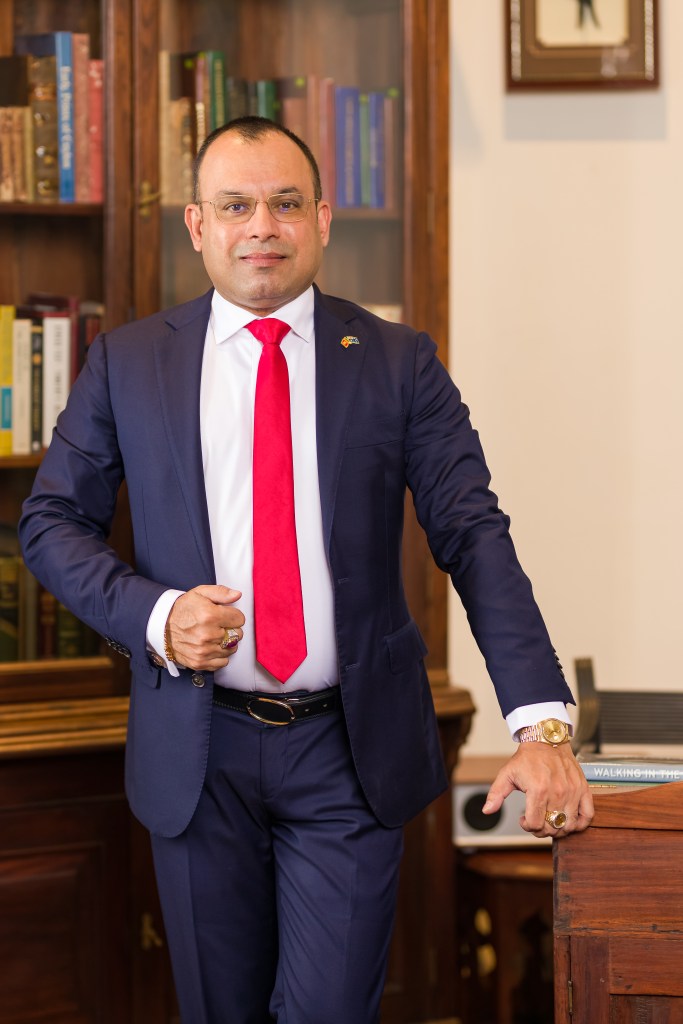
Due to the opportunities available to him in his new home, Jalagge says he remains committed to giving back to the Australian community. He does so via the Roshana Foundation and the Group’s partnerships with organisations like the Clontarf Foundation, which provides higher education and employment opportunities for Indigenous Australian men.
“We owe something to this land,” he says. “We work closely with Indigenous populations, the elderly, and the mentally ill – these are the communities that built us.”
It’s also why he continues to expand into regional Australia, most recently launching new aged-care and primary-care services in NSW and South Australia. He credits much of that philosophy to his and Priyanka’s Buddhist-inspired approach to leadership, which is grounded in compassion, courage and acceptance.
“We are spiritual people,” he says.
“We believe in loving-kindness towards humanity. That’s how we lead.”
While purpose anchors the group’s past, innovation defines its future. Jalagge views technology, such as artificial intelligence, as critical to addressing the challenges of an ageing population.
“AI is going to be a big part of the health sector,” he says. “But I believe in a hybrid system; AI combined with human touch. That’s the future of aged care.”
Roshana Care is already investing heavily in digital infrastructure and research partnerships with Australian universities to explore new models of care delivery and data-driven clinical improvement.
Yet Jalagge insists technology will never replace empathy. “We can’t depend only on machines,” he says. “The heart of our care will always be human.” For more information, visit roshana.com.au