The courage to lead differently: Insights from the upcoming Women Unlimited summit

From artificial intelligence to the rise of women’s sport, leaders are navigating a world defined by complexity, uncertainty and competing expectations. Football Australia’s Sarah Walsh and SAP Australia and New Zealand’s Angela Colantuono share why judgement, trust and people-first thinking are becoming the defining qualities of modern leadership.
BRANDVOICE – PARTNER CONTENT

For organisations navigating artificial intelligence, shifting workforce expectations and constant disruption, strong leadership can be challenging. In fact, it can take a lot of courage.
This is the focus of this year’s Women UNLIMITED Leadership Summit, hosted by The Hatchery, which brings together leaders from business, government and sport to explore what it means to have the courage to lead differently.
For Football Australia’s COO of the AFC Women’s Asian Cup 2026™, Sarah Walsh, and SAP Australia and New Zealand president and managing director, Angela Colantuono, speakers at this year’s summit, it isn’t about having all the answers – it’s about putting people at the centre of change.
For Walsh, that lesson has been shaped through one of Australian sport’s most significant growth stories. In the last five years, women’s football has moved from the margins into the mainstream, with record crowds, growing investment and increased commercial attention. But Walsh says the foundations of that success were built long before the spotlight arrived.
“It stems back to governance, leadership and investment,” she says. “All three things need to come together.” This approach, Walsh says, has meant leaders like herself need to look beyond short-term wins like tournaments.
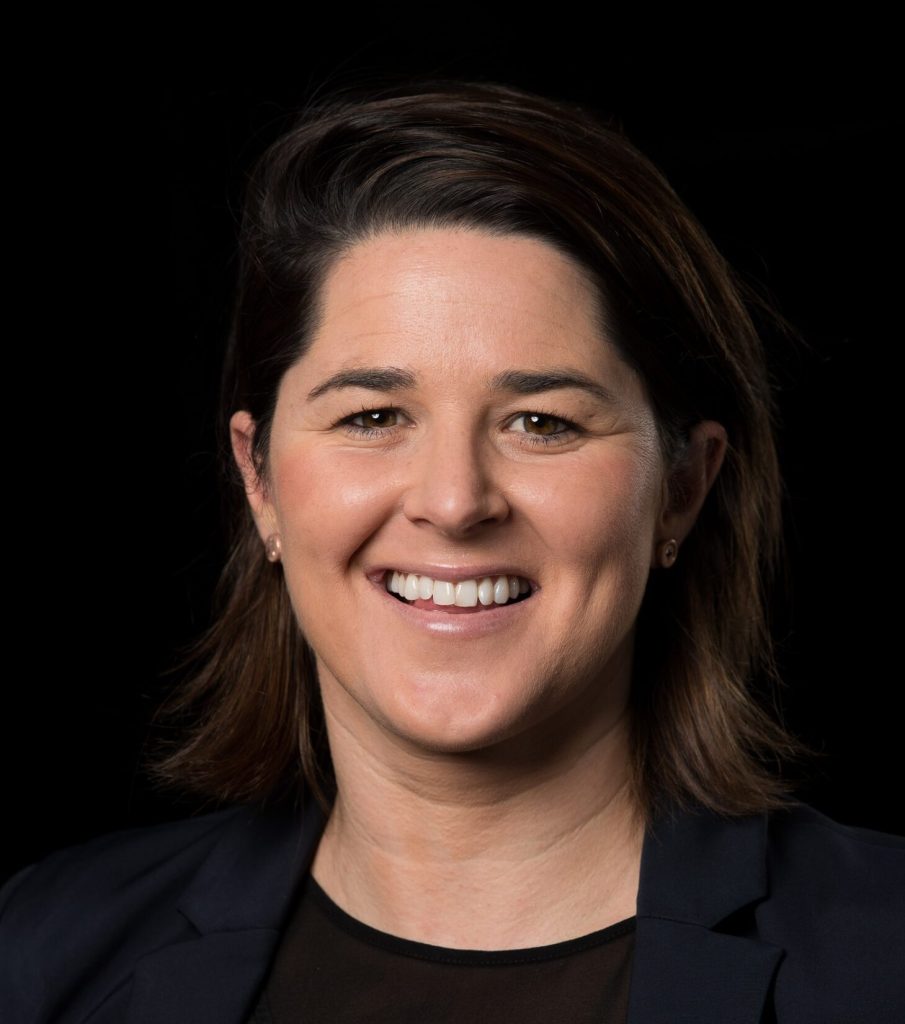
“If you see a tournament as the end point, you’ve kind of already failed,” she says. “Now that I’ve been part of two of the biggest women’s tournaments in our country, I know they are a platform to accelerate your strategy, which has got to already be in place well before. It’s an opportunity to increase investment as you get a moment where your brand is centre stage, and of course to convert casual fans into long-term ones, but all the work you do in between is much more critical.”
That’s meant building strong marketing foundations and expanding the fan experience, right down to the food and beverage served at matches.
But some of Walsh’s most significant leadership lessons have come not from moments of celebration, but from moments of uncertainty. During the AFC Women’s Asian Cup™, Walsh and the local organising committee faced complex challenges involving the Iran women’s national team, in which issues surrounding player safety, security and wellbeing became central considerations alongside the demands of delivering an international sporting event.
As the conduit between multiple stakeholders, including governing bodies and government representatives, Walsh says the team had to continually return to one fundamental question: “What does putting people first look like in this moment?”
“Whenever we were in meetings, it was always: what does putting them [the Iranian women’s team] at the centre of our decisions look like today?” she says. “If it doesn’t support their safety or security, we need to reconsider the decision,” Walsh says.
That mindset helped simplify decision-making in an environment where competing priorities, policies and operational pressures were constantly evolving. That experience reinforced a broader leadership philosophy: systems, policies and investment are important, but ultimately, outcomes are delivered through people.
For Walsh, that extends beyond sport: “Courageous leadership has always been required,” she says. “You’re constantly seeing things that others aren’t, and you’re constantly the one in the room who has to challenge how we do things.”
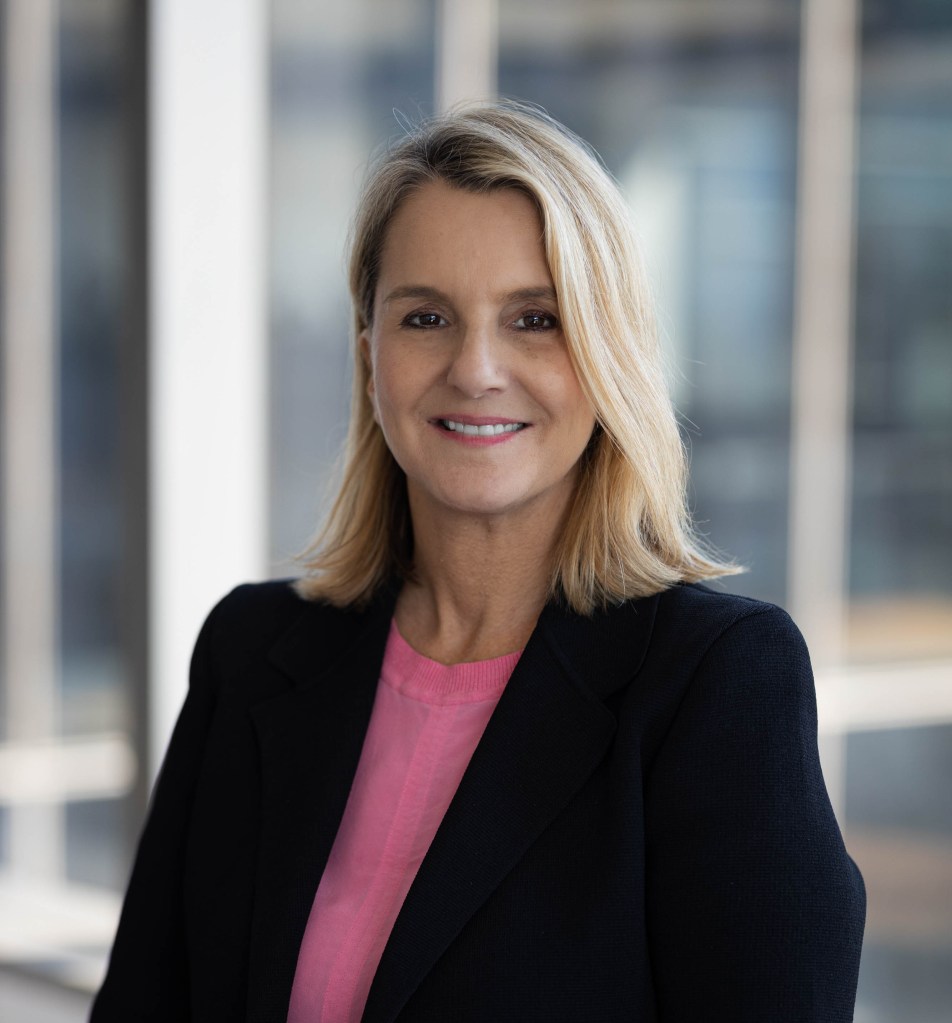
Colantuono sees a similar challenge emerging in the corporate world as organisations navigate the rapid rise of artificial intelligence. She believes many businesses are asking the wrong question: “We’ve become a little too focused on what AI can do, rather than what people should be doing,” she says.
Rather than simply automating existing processes, Colantuono argues leaders in organisations need to rethink how technology can free people to focus on creativity, judgement and relationships. And as AI becomes more capable, Colantuono says human leadership will become increasingly valuable.
“As AI takes on more analysis, coordination and routine execution, leadership shifts. It’s less about having all the answers and more about exercising judgement, knowing what matters, asking better questions and making decisions when the answer isn’t obvious.”
But the landscape for leaders is also shifting: leaders aren’t just leading people; they’re orchestrating teams that include AI assistants and agents, she says. That means understanding where automation adds value, where human oversight is essential, and how you maintain accountability. She’s already seeing this play out at SAP: “Joule agents are increasingly managing entire workflows – resolving cases, generating documents, orchestrating approvals, and connecting insights from across the business. The leaders who thrive will be the ones who understand how to direct that capability, where human oversight is essential, and how to maintain accountability when the work is increasingly shared between people and intelligent systems.”
Both Walsh and Colantuono believe that navigating change requires leaders who can combine ambition with empathy, and create environments where people feel trusted, capable and included. For them, the leaders who succeed in a changing environment will be those willing to embrace grounded courage, challenge convention and create meaningful, inclusive change.
Those themes will be explored at this year’s Women UNLIMITED Leadership Summit, bringing together more than 200 speakers, August 18th to 21st across Sydney, Melbourne, Canberra, Brisbane, Adelaide and Perth.
Equip your team to lead through complexity and constant change. Join over 200 trailblazing speakers across eight landmark summits in six cities for Australia’s premier leadership experience. Step out of the noise and secure your passes today. Explore the full UNLIMITED capability-building program at womenunlimited.co. All tickets include a 3-month extended learning journey consisting of two post-summit seminars. Corporate and Public Sector attendance options.
Want to see more Forbes articles on your feed? Tap here to make Forbes Australia a preferred source on Google.
Look back on the week that was with hand-picked articles from Australia and around the world. Sign up to the Forbes Australia newsletter here or become a member here.