How BMW Australia plans to stay ahead in a crowded market

As new entrants and the shift to electric vehicles reshape Australia’s car market, BMW Australia believes the well-established ecosystem it has built over almost five decades is one of its competitive advantages.
BRANDVOICE – PARTNER CONTENT
Australia’s automotive market has rarely looked more crowded. New brands are arriving in a steady stream, electrification is reshaping customer expectations, and digital channels are playing an increasingly important role in how people research and purchase vehicles.
Amid this transformation, BMW Group, encompassing the BMW, MINI and BMW Motorrad brands, is seeing things through a different lens. It is betting that in a market flooded with choice, the scarcest commodity is not any single model, but the entire business ecosystem built up over almost half a century.
“Trust and capability built over decades cannot be replicated overnight,” says BMW Group Australia CEO Vikram Pawah.
As a 110-year-old global brand, BMW brings more than a century of engineering expertise and innovation to markets worldwide. BMW’s local operations are backed by 47 years of investment, 48 independently owned dealers and almost 4,000 people across BMW Group Australia and its dealer network, a captive financial services arm, an established parts and logistics network, and a nationwide network of factory-trained technicians.
For customers, the value becomes most apparent after the purchase when a vehicle needs servicing, technical support or genuine parts, or when software updates can be delivered remotely through the My BMW App. The ownership experience is designed to be supported throughout the vehicle’s lifecycle, not just at the point of sale.
That distinction matters as new automotive brands challenge established players with new products, technology and different approaches to the customer relationship. It matters particularly in the premium vehicle market, where certainty can be as important as convenience.
Buyers making a significant long-term purchase, Pawah says, value the certainty and confidence that comes from an established support network they know will still be there in five or 10 years. He points to customer loyalty as evidence of that confidence: many customers return to BMW multiple times, and many households have more than one BMW in the garage.
That combination – engineering pedigree and decades of local investment – is the foundation BMW believes can keep it competitive as the market changes.
Competing on more than cars
With a rapid influx of new entrants, particularly from China in the EV market, Pawah says BMW welcomes the greater choice, arguing that competition ultimately benefits customers and drives innovation across the industry. For BMW, the focus remains on what differentiates the brand rather than what competitors are doing.
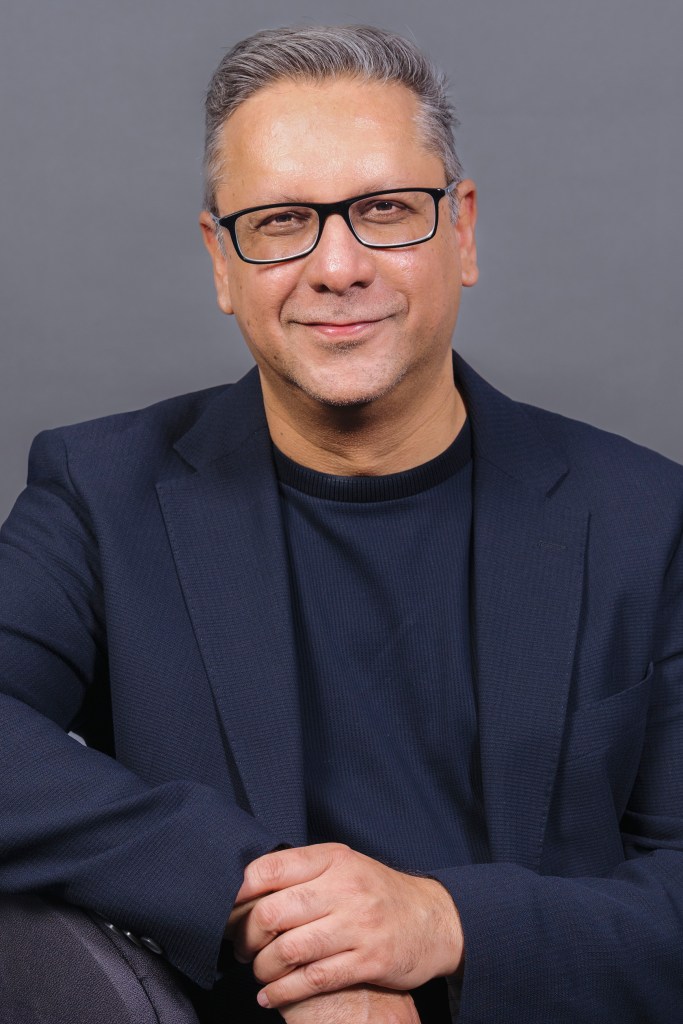
That is where Pawah sees the physical network and digital capabilities as complementary rather than competing propositions. Customers may research more of the buying journey online, but the need for expert advice, technical support and personal relationships does not disappear. “Technology enables the journey, but trusted relationships and exceptional service continue to be delivered by people,” says Pawah.
BMW Group has sold almost half a million BMW and MINI vehicles in Australia, reflecting the scale of its local operations and longstanding presence in the market. More than 25,000 of those vehicles have been electric, demonstrating strong uptake of electromobility while underscoring the need for a broad range of technologies to meet varying customer needs and market conditions.
But Pawah is careful to push back on any suggestion that the EV transition is running on a single, predictable track. Infrastructure readiness still varies significantly by location, while cost-of-living pressures and differing customer needs continue to influence purchasing decisions. Some customers are ready to move directly to fully electric vehicles, while others see plug-in hybrids as an important stepping stone.
“There isn’t a single transition pathway, because different customers are moving at different speeds, which is why flexibility and choice remain so important,” he says.
This logic underpins BMW’s Technology Openness strategy, offering customers a choice of battery-electric, plug-in hybrid and combustion drivetrains across its portfolio, and allowing them to select the option best suited to their lifestyle.
BMW believes this flexibility is particularly important in Australia, given the country’s diverse geography, infrastructure challenges and varying customer needs.
Investing in what comes next
The group is continuing to build its next chapter in Australia on three fronts: product, brand and people.
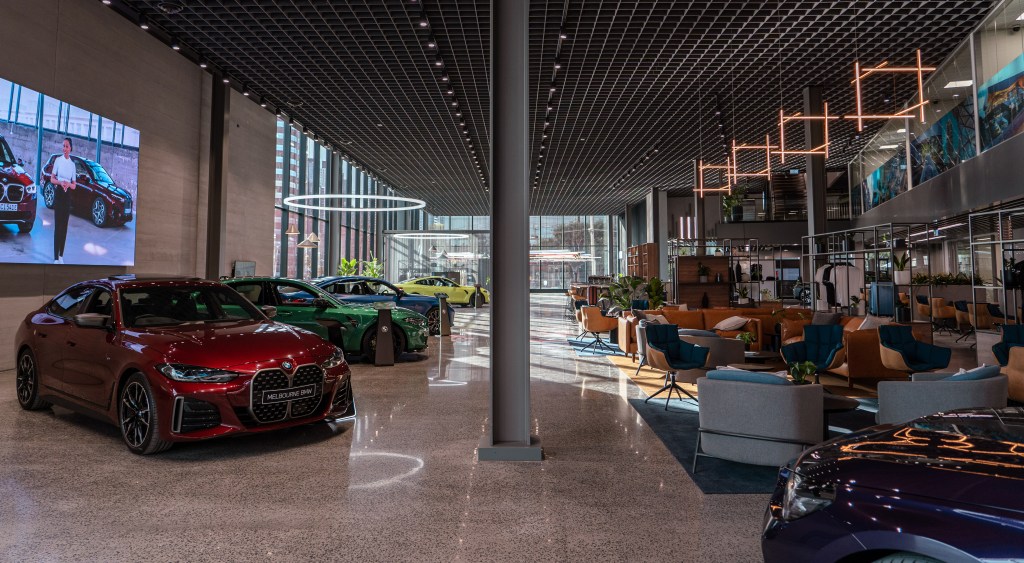
More than $400 million is currently being invested into new and upgraded retail facilities under BMW’s global Retail. Next program through 2028. Australia was selected in 2020 as one of the pilot markets for the retail concept worldwide, reflecting the local market’s importance within the broader group.
For customers, that means more modern and premium retail environments, enhanced digital experiences, improved EV capability, upgraded service facilities and a more personalised customer journey.
“The goal is to ensure customers enjoy a consistent premium experience wherever they engage with BMW Group,” he says.
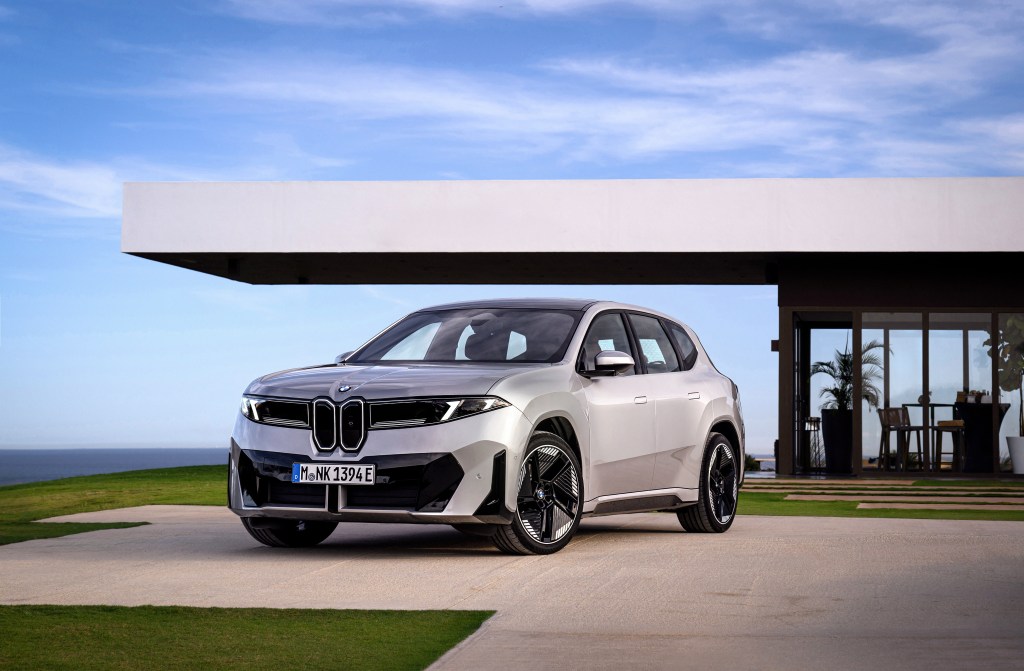
The retail transformation comes alongside the most significant product shift in the company’s history. Neue Klasse, which BMW describes as its largest-ever global investment, marks a step change in design, digitalisation and electrification, with these changes expected to flow through the wider product range.
In Australia, that shift began in June when the new BMW iX3, the first Neue Klasse model, went on sale, with further models to follow later this year and beyond.
It’s part of a broader wave that includes 40 new or updated model launches in Australia over the next two years, a pace Pawah frames as confidence in the market’s long-term potential and trust in the brand rather than a reaction to short-term competitive pressures.
Asked how BMW will stay relevant to a new generation of buyers in a world seeing rapid change, Pawah believes some fundamentals will remain constant: trust, quality, customer experiences and strong relationships.
Whether a customer purchases online or in a retail showroom, and whether they choose an EV, plug-in hybrid or combustion-engine vehicle, the company behind the product will support them throughout their ownership journey.
“The real challenge isn’t predicting what customers will want in ten years’ time. It’s building on a business that is flexible and agile enough to evolve with them.”
For Pawah, the future is about evolution without losing sight of what has always made BMW distinctive. Its heritage, quality, customer relationships and established business foundations provide the strength to adapt while continuing to deliver experiences that remain relevant and valued across generations.
Learn more at bmw.com.au
Want to see more Forbes articles on your feed? Tap here to make Forbes Australia a preferred source on Google.
Look back on the week that was with hand-picked articles from Australia and around the world. Sign up to the Forbes Australia newsletter here or become a member here.