‘Get back up’: The struggle that inspired Amber Thanas’ therapy revolution

Driven by early adversity and a career in forensic mental health, this Melbourne-born founder is breaking down the barriers between clinical care and holistic wellness.
BRANDVOICE – PARTNER CONTENT
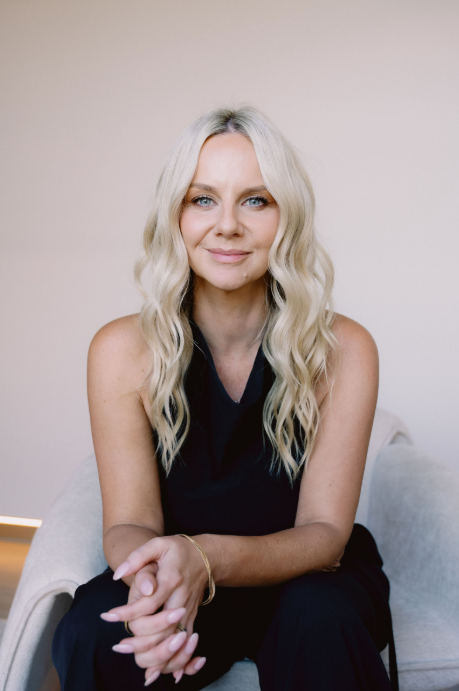
The way the Australian healthcare system treats people is broken, according to Amber Thanas.
In response, she founded Therapy Neuro-Wellness in the Melbourne suburb of Eltham, where she is overhauling conventional approaches to wellbeing.
When Thanas became a mother at 18, she was told she would amount to little professionally, which rocked her confidence. That same period of being underestimated fuelled her determination to establish a supportive, integrated environment for others.
“It taught me very young that somebody else was depending on me,” says Thanas. “It taught me to fight, to get back up, to find another way when something didn’t work and to keep going when it would have been easier not to.”
Throughout her twenties, Thanas worked at the complex end of forensic mental health, supporting people with significant, long-term needs. That experience highlighted how difficult it is to rebuild a life once it becomes centred around illness, shifting her focus to early intervention and prevention.
“It made me increasingly interested in what happens before the point of crisis,” says Thanas. “What if we paid attention earlier to changes in sleep, nervous-system regulation, hormones, physical and metabolic health, movement, stress and connection?”
She realised that traditional care was too disjointed to provide this level of preventative support.
“Usually, mental health is treated in one place. Physical health somewhere else. Hormones somewhere else. Gut health, sleep, movement and metabolic health somewhere else again,” says Thanas. “But that’s not how people actually experience their health.”
Thanas was determined to build a comprehensive alternative.
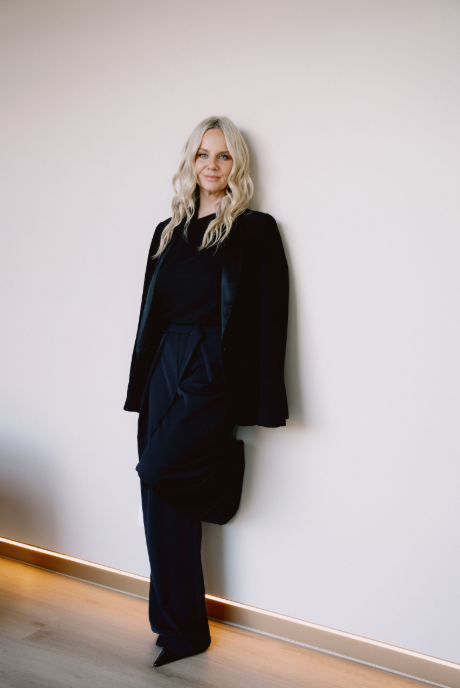
“Ultimately, none of this has been about proving what I could become. It’s been about building the place I think everybody deserves to have, somewhere they can walk in exactly as they are, feel safe, feel seen, and be held while they find their way forward.”
This philosophy drove the creation of Therapy Neuro-Wellness. Rather than opening a standard clinic, Thanas built an “ecosystem” bringing clinical care, diagnostics, and community together under one roof.
Healthcare must become integrated because the body does not operate as a collection of independent systems, she explains. When a patient presents with anxiety, fatigue, or poor sleep, practitioners cannot assume there is one simple explanation.
At the core of the Therapy Neuro-Wellness model is personalisation. It is not about every client receiving every treatment, but rather bringing the appropriate care together around the individual to understand the whole picture.
Thanas deliberately chose the broad term ‘therapy’ to normalise caring for both physical and mental health, creating “more entry points” for people who might otherwise avoid a traditional clinical setting.
The centre’s layout plays a crucial role in regulating clients’ nervous systems, Thanas says. Therapy Neuro-Wellness is designed to feel like a home rather than a traditional medical space, featuring gardens and comforting music. Bear, the resident therapy dog, is also a “huge part” of the practice.
“It doesn’t make sense to talk about helping someone regulate while surrounding them with an environment that feels sterile, rushed or intimidating,” says Thanas. “You can have sophisticated technology, diagnostics and excellent clinicians, but people still need to feel safe, cared for and connected.”
This ethos extends even to the on-site café, which focuses on high-quality, seed-oil-free produce and fosters connections with others at Therapy Neuro-Wellness. Guests can also access relaxation and attention tools in the space.
“You can come in, have breakfast or lunch, sit in the garden, meet a friend, use some of the technology, talk to somebody or do absolutely nothing,” says Thanas. “The bigger idea is that looking after your brain, body and nervous system shouldn’t always require a formal appointment or happen behind a treatment-room door.”
Thanas has ambitions to extend the thinking behind her Eltham model. She sees a critical need for care during complex life transitions, particularly for women navigating perimenopause and menopause, who often experience changes in mood, sleep, and physical health without understanding how those pieces connect.
She is also keen to be involved with athletes, focusing on nervous system regulation, recovery, and physical performance, and “bringing those worlds together”.
“The bold goal is to contribute to a different model of healthcare,” says Thanas. “One that is more personalised, connected and preventative, and where we don’t wait until somebody becomes significantly unwell before we start paying attention.”
For other entrepreneurs looking to carve out their own path, her advice is resolute.
“Don’t spend your life trying to prove people wrong. Spend it building what you believe should exist.”
Learn more or book a consultation at yourtherapy.au.
Want to see more Forbes articles on your feed? Tap here to make Forbes Australia a preferred source on Google.
Look back on the week that was with hand-picked articles from Australia and around the world. Sign up to the Forbes Australia newsletter here or become a member here.