‘It stands out from the competition’: How Axora is changing Bali’s property market for Australian investors

By bringing construction and development in-house, founders Nic Wakefield and Erik Steinhiller are opening new doors for Axora across Bali’s premier locations.
BRANDVOICE – PARTNER CONTENT
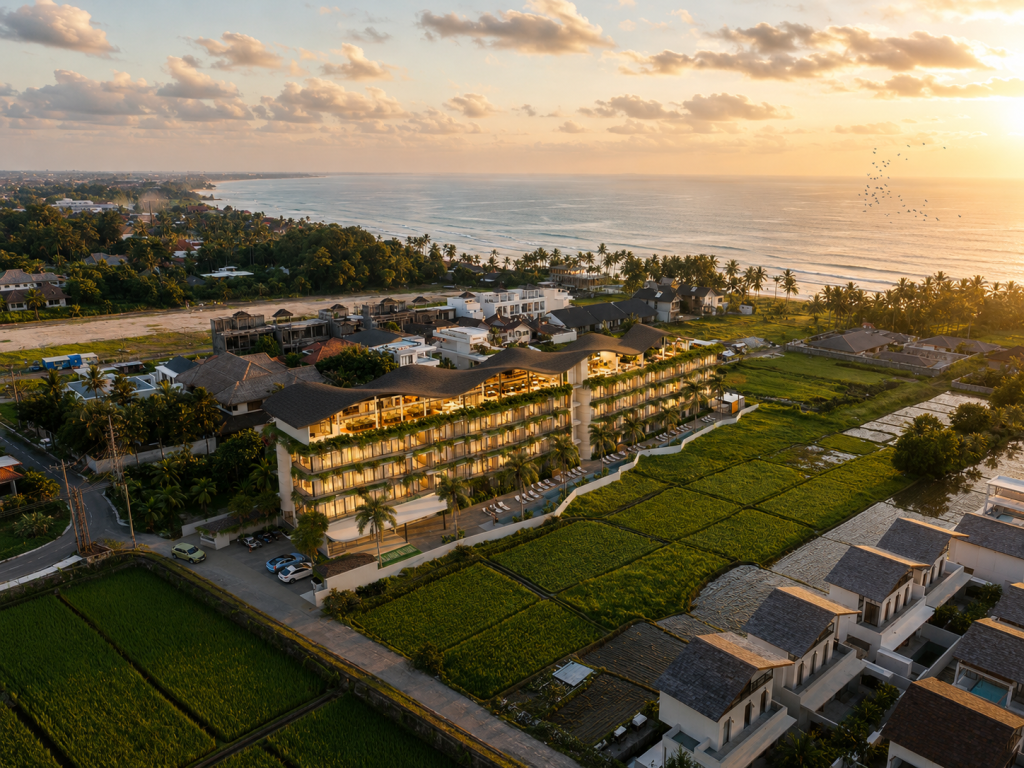
Axora’s founding idea took shape long before the company existed, and occurred over 12,000 kilometres from where it would eventually take shape in Bali, Indonesia.
At 14, Nic Wakefield visited a family friend at a building site in Berkshire, England, and noticed something most eighth-graders, or even construction industry insiders, never question.
“A family friend was building a development near where we grew up,” says Wakefield. “What struck me was that one company could run the whole process, from land to sale, within a single ecosystem.”
That simple realisation became the blueprint for Axora. When Wakefield partnered with German-born Erik Steinhiller, who grew up in his family’s construction business and worked as a contractor in Bali before becoming a developer, the founders covered both sides of the business.
“Nic thinks from the land and the deal forward. I think from the site backwards,” says Steinhiller. “Germany taught me how to build properly. Bali showed me how much room there was to build better.”
Now, the Bali-based property business the pair founded is scaling rapidly toward a gross development value exceeding US$115 million, driven by a “vertically integrated structure” that puts construction and development under one team.
This framework gives the firm a distinct competitive edge, according to Wakefield. He says a traditional developer without an internal construction arm carries two layers of margin: one for the contractor and one for the developer. However, because Axora operates as an all-in-one, it reinvests those savings directly into the build.
“We deliver the same product at a more competitive price because we own the framework,” says Wakefield. Axora also runs its own furniture factory for all built-in furniture and a frame factory for UPVC and aluminium frames.
“Every part we make ourselves is a part we control: cost, quality and timing,” says Steinhiller.
For Australian investors, this structure is considerably more attractive, especially for overseas builds, according to Steinhiller. The absence of a double margin delivers better value for money, while an in-house construction team ensures stringent quality control throughout the project’s lifecycle.
“In Bali, this is a particularly rare dynamic, and one that the majority of developers do not have,” said Wakefield.
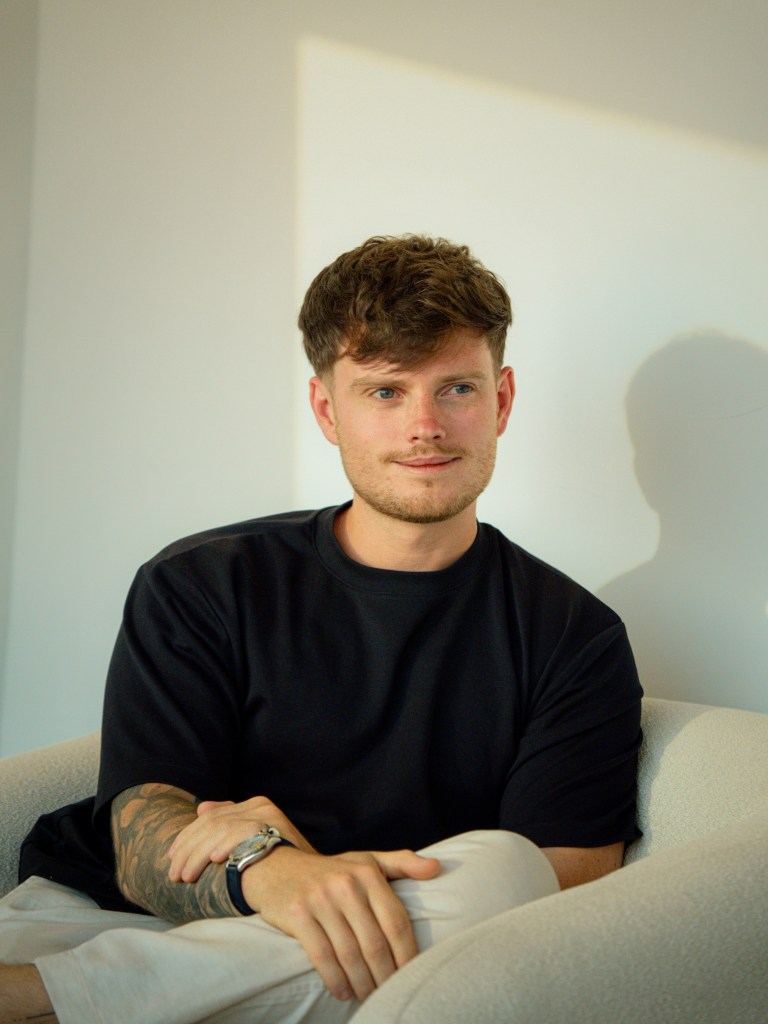
So far, the model is paying dividends. Axora currently has 106 units under construction across four locations, with another 145 under active negotiation, and is building 120 units for other developers across the island.
The team’s completed portfolio already spans luxury residences and high-end hospitality, including Ocean Horizon Bingin on the Bukit Peninsula and modern villas in Bingin and Kedungu, and executing well-known commercial projects like Six Senses Uluwatu
The all-in-one capability is attracting major global brands. After about a year of conversations, Axora has signed initial letters of intent to bring branded residential projects to Bali, positioning the company as a trusted local partner for international luxury companies.
What sparked your business, and how did the first idea take shape?
Wakefield: I went to university knowing exactly what I wanted to do and started in UK development the year I left. It was always about taking those early realisations of running the whole process and applying them on my own terms in a dynamic market like Bali.
Steinhiller: I grew up on my family’s construction sites in Germany, so I came to Bali knowing what a well-run project looks like. I found a market growing faster than its standards, with projects split between developers who had never run a site and contractors with no stake in the outcome. That gap became the business. Moving 10,000 kilometres from home gave me the freedom to set the standard rather than inherit one.
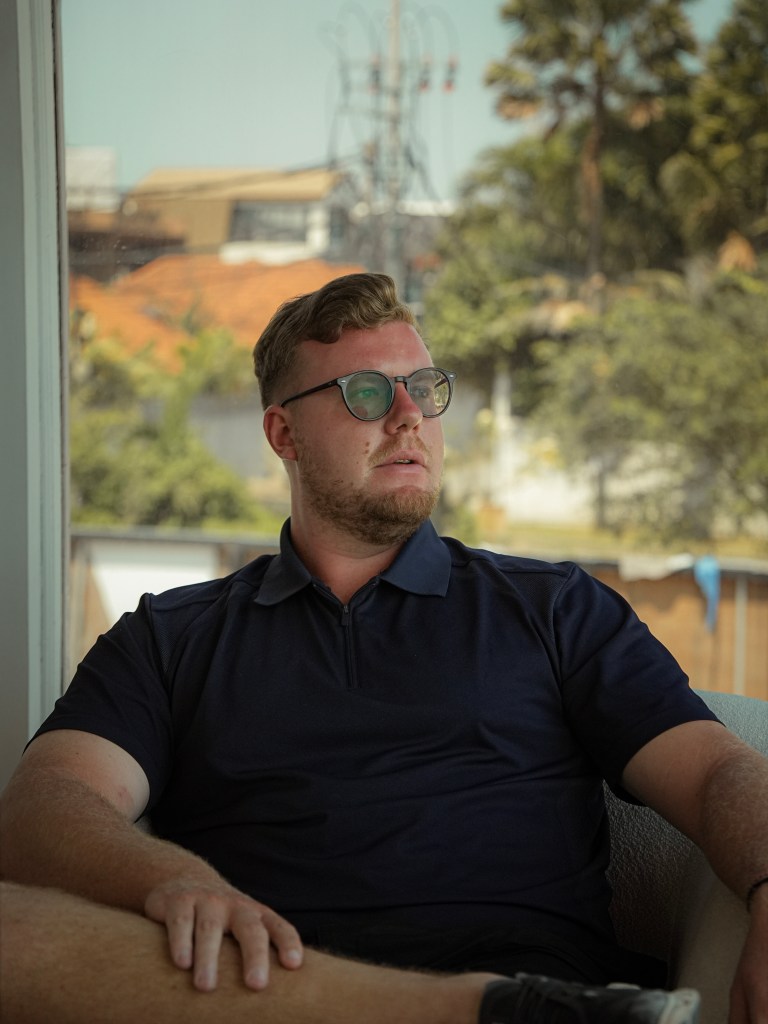
Who were the mentors, role models or figures that shaped your outlook in the early stages of your career?
Wakefield: David Cooke and Peter Cutts. They ran a very successful UK development business, with eight- and nine-figure deals across their careers, capital raising, development, and project management under one roof. What they gave me was access. They permitted me to shadow them closely, so I watched how they structured a deal, raised capital, and managed a project when things went wrong. I learned every core skill I use now by standing next to them.
Steinhiller: At 19, I was learning from people almost twice my age, with deep experience in finance, real estate and business. We were a construction company before we were ever a developer, and many of Bali’s biggest developers still trust us with their builds. Their mistakes taught me as much as any mentor: projects rarely break on the spreadsheet. They break in execution. That’s why I’m uncompromising on controls. My construction partner, a structural engineer, taught me the other half: never compromise on what sits behind the finishes.
In your field, what major shifts or trends do you believe leaders cannot afford to ignore right now?
Wakefield: Vertical integration, and it isn’t close. Most developers here carry layers, outsourced processes, third parties, and more people to answer to. Every layer costs money and shows up in the final price. A contractor can also walk off site and stop your project overnight. We deliver a premium product at a highly competitive price because we control the entire process. The second shift is global brands arriving in Bali. We are in active discussions with major international brands to develop branded residences, which is a direct result of the confidence our structural model provides.
Steinhiller: Three things. First, build efficiency. Margin is won or lost on site: direct purchasing, standardised details, and trades sequenced so crews never stand still. That isn’t cutting corners; it’s removing waste so the money goes into the product. Second, listen to your buyers. Today’s investors ask who builds it, who engineers it, and who is accountable if it goes wrong before they ask about yield.
What motivates you at Axora over the next five years?
Wakefield: Our focus is on building things that actually last. Most developers focus on projected return on investment, but that is not what we are after. We are after a genuinely good quality product in a good location, not some ‘up and coming’ location that has just been marketed as such. We put our internal margin savings back into the product so it stands out from the competition. We will use the right materials for the investor’s strategy, and we will have real warranties that actually mean something.
Steinhiller: Scaling without letting the standard slip. Growing from 106 units to more than 250 only works if quality doesn’t depend on any single person, so we’re investing in systems, reporting and leadership. And impact: through our 800 workers and our support for orphanages and villages, we want to create opportunities and a lasting impact.
Visit axorabali.com for more information.
Want to see more Forbes articles on your feed? Tap here to make Forbes Australia a preferred source on Google.
Look back on the week that was with hand-picked articles from Australia and around the world. Sign up to the Forbes Australia newsletter here or become a member here.