The Making of Andrew Streams: Music, Business and Creative Freedom

The DJ and producer brings lessons from live sets to his recordings, from the rhythms that move a crowd to the details that reward another listen.
BRANDVOICE – PARTNER CONTENT
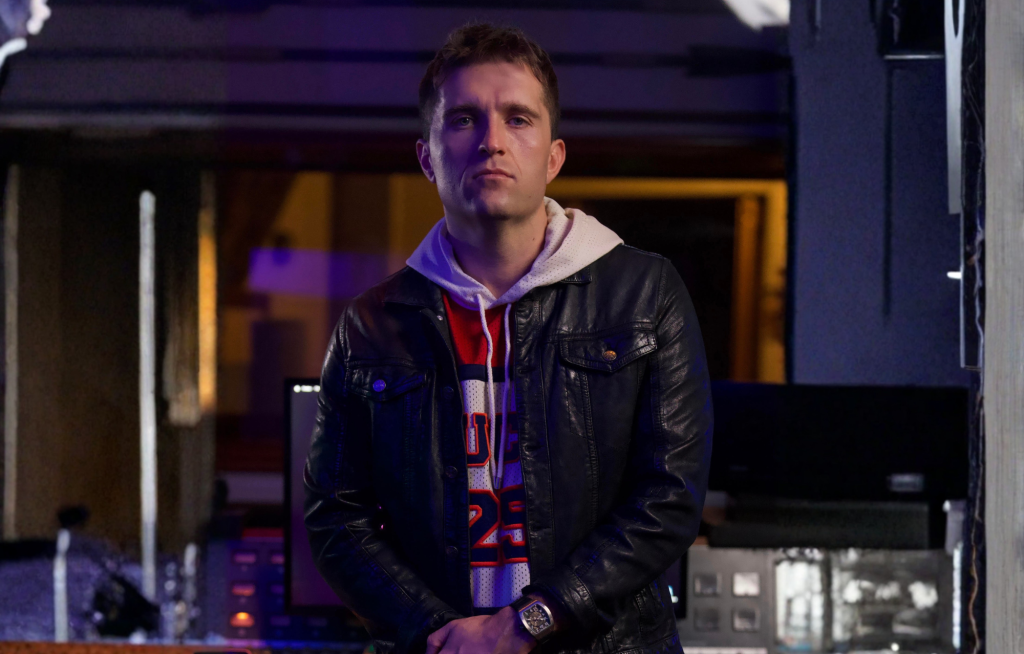
Before Andrew Streams was putting out records of his own, he was deciding which one to play next. He began DJing in high school, laying the groundwork for his later work as an artist and producer. Since then, his career has expanded to include original releases, live performances, collaborations, and relationships with multiple music labels.
Music Started Behind the Decks
DJing gave Streams his earliest experience with the relationship between a song and the people hearing it. Most DJs learn to pay attention to a room. That includes the moment energy rises and the point when a track suddenly connects. An earlier profile described him playing in underground warehouses and at late-night afterparties. For Streams, those sets were an early education in how a choice behind the decks could change the mood in the room.
“DJing has always been one of my first loves,” Streams said in that profile. “There’s an art to reading a room, shaping energy, and building a sonic journey live.”
Moving into production gave him an opportunity to develop his own sound and apply what he had learned behind the decks. In the studio, he could decide where the rhythm shifted or how one sound made space for another. Streams signed with four music labels in his first year, marking an early milestone in his recording career.
Collaboration Opened Up His Sound
Streams’s catalogue reflects an interest in moving around musically. He’s made songs with YK Osiris and Ray J, bringing his electronic background into contact with artists associated with other corners of popular music. Working with different artists gives Streams opportunities to explore how his production style connects with other musical approaches while continuing to develop his own creative identity.
In the earlier profile, he described drawing from hip-hop as well as electronic music. “Some days I’m inspired by Mos Def, others Henry Fong inspires me. I pull from both worlds and find my own voice in between.”
One of his mottos is that “being yourself is one of the greatest examples you can leave for the world.”
Australian dance audiences have long encountered electronic music as a broad umbrella, with DJs and producers pulling sounds from pop and other genres into their sets. Club music moves between festivals, nightlife, and streaming, giving audiences different settings in which to encounter an artist’s work. For international listeners, that variety offers several entry points into Streams’s work, whether through his electronic releases or his collaborations.
A Career Built on Patience and Consistency
Alongside his releases and collaborations, Streams places importance on the ongoing work of developing a music career. Individual releases and label agreements are milestones within a longer career. He puts the emphasis on what happens between those milestones.
Streams says, “Consistency has played a huge role in my journey. I’ve never expected everything to happen overnight. I’d rather keep putting in the work and let the progress speak for itself.”
Music Became Part of a Bigger Plan
Streams has also thought about what happens to the income generated by a creative career. He has invested money earned through royalties and brand deals into real estate and now owns rental properties. That makes entrepreneurship part of his working life alongside producing and performing.
Music careers can change quickly as audiences move and opportunities develop. Streams has used earnings from one chapter to build assets that can exist alongside the next.
Making records people return to
Reading a room taught Streams to listen for what lands in the moment. For his own tracks, he has gravitated toward drum & bass and bass house. “DnB and bass house give me the freedom to push rhythm and texture into new places,” he said in the earlier profile. “There’s something primal and surgical about it. It’s controlled chaos—and I love crafting that tension.”
A live audience can respond to a shift in rhythm as it happens. A recording gives listeners time to go back and hear what they missed. When Streams described the people he makes records for, he pictured listeners who would catch a recurring motif or recognize a reference in the mix. He also talked about making different releases for different settings, from headphones to dance floors.
“I want every release to feel like a collectible,” he said. “Something you’d want to hold. Something you’d save. That’s why the sound design matters.”
The information provided in this article is for general informational and educational purposes only. It is not intended as legal, financial, medical, or professional advice. Readers should not rely solely on the content of this article and are encouraged to seek professional advice tailored to their specific circumstances. We disclaim any liability for any loss or damage arising directly or indirectly from the use of, or reliance on, the information presented.
Want to see more Forbes articles on your feed? Tap here to make Forbes Australia a preferred source on Google.
Look back on the week that was with hand-picked articles from Australia and around the world. Sign up to the Forbes Australia newsletter here or become a member here.