‘Rolling up your sleeves’: The tech entrepreneur taking Virtu and its clients AI-native

Virtu founder Martin Kosasih is transforming his own company into an AI-native business, with an ambition to help established Australian organisations do the same.
BRANDVOICE – PARTNER CONTENT
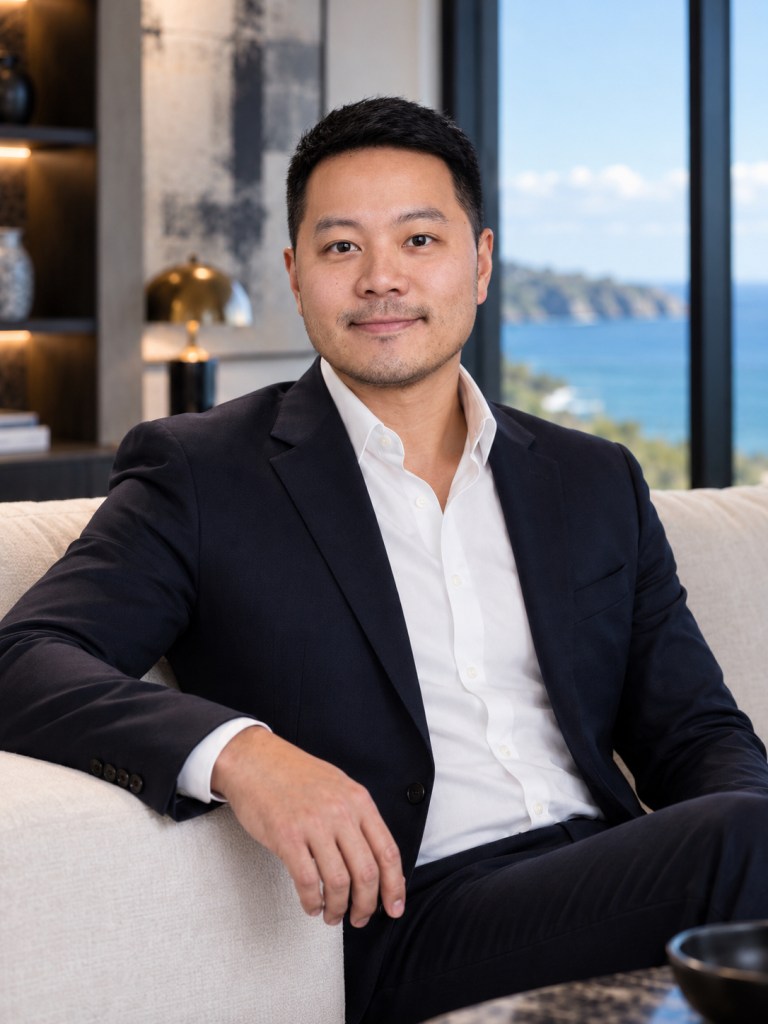
After years of predictions about artificial intelligence, Virtu founder Martin Kosasih understands why some business leaders are experiencing AI fatigue.
“For many organisations, AI has meant a chatbot or copilot,” says Martin. “If that’s your experience, I can understand why the excitement wears off. But I think we’re still only scratching the surface.”
The bigger opportunity begins when organisations stop asking where they can add AI and ask a more fundamental question: if they were building the business today, with AI and agents available from day one, what would they design differently?
He describes that as the shift from AI-enabled to AI-native.
“AI-enabled is adding AI to the way your business already works. AI-native is redesigning how people, processes and technology work together around what AI now makes possible.”
A new generation of companies is being built AI-native, without decades of legacy systems, processes and assumptions. Kosasih believes established organisations now face a strategic shift similar to the rise of cloud-native businesses, except this time the change reaches beyond infrastructure into how work is performed, decisions are made, and products are created.
“The question is how established businesses compete with companies designed around AI from day one,” he says. “They don’t need to throw away everything they’ve built, but they do need to decide what should be redesigned for an AI-native world.”
Kosasih is applying that challenge to Virtu first. “We realised we had been dipping our toes into AI too. So we decided to go deeper and treat Virtu as our first AI-native client.”
Over a few weeks this year, Kosasih and a small team used AI agents to build an internal management platform that now supports Virtu’s weekly operating rhythm, scorecards, HR reviews, expenses and a client-facing portal, bringing together work that previously sat across several systems. Some subscriptions have since been retired.
Martin, who has no software development background, directed the build himself.
“For years, I could see a problem and imagine the solution, but there was still a gap between the idea and being able to build it myself. That changed this year. The distance between an idea and a working digital product suddenly became much smaller.”
But Kosasih says AI-native does not mean AI everywhere or automation at any cost. Lessons from his study of applied agentic AI at MIT reinforced the importance of governance, ethics, security and cost, as well as measuring whether an AI initiative actually improves an outcome.
“The conversation should never begin with AI,” he says. “It should begin with people, governance and business outcomes. We need to know who is accountable, where humans need to remain involved, what it costs and whether it actually creates a better result.”
For Kosasih, that discipline can give established businesses the confidence to go further. Familiar enterprise platforms can feel safer because boundaries are understood. Virtu’s role, he says, is to create secure foundations, governance and guardrails that let clients experiment and build without losing control.
“We want our clients to be adventurous with AI, but adventurous within a safe environment. Good governance shouldn’t stop innovation. It should give people the confidence to innovate faster.”
Was there a defining experience or lesson from your upbringing that still influences how you lead today?
As a child, I wanted to be like my dad. One day I walked through one of his factories in Indonesia, enjoying the attention as workers bowed when I passed. Dad noticed. The next day he put me on toilet-cleaning duty. We cleaned toilets, untangled cables, emptied rubbish bins and did the jobs nobody wanted. He worked alongside me the whole time. He taught me leadership isn’t about status or being served. It’s about humility, rolling up your sleeves and serving others. More than 30 years later, I still try to lead that way.

What drives you at this stage of your career? What’s your “why”?
The first two words of Virtu’s vision are “Empower People”, and AI has changed what I think that can mean. I’ve spent my career helping businesses use technology, but until recently there was still a gap between imagining a solution and being able to build it myself. That changed this year. Directing AI to create working software gave me an enormous sense of possibility. It makes me wonder how many people are sitting on ideas they don’t believe they can build. I still think the greatest measure of success isn’t what you build, but who becomes better because of what you’ve built. Technology is the tool. Human potential is the opportunity.
What advice would you give your younger self starting out?
Slow down. You don’t need to prove yourself to everyone. Your business will grow if you empower people. Some relationships will teach you lessons you never wanted to learn. Your faith will carry you further than your talent. Look after your health, spend more time with family and celebrate small wins. Don’t be so hard on yourself. Stay humble. Keep learning. The best is yet to come.
Visit virtu.net for more information.
Want to see more Forbes articles on your feed? Tap here to make Forbes Australia a preferred source on Google.
Look back on the week that was with hand-picked articles from Australia and around the world. Sign up to the Forbes Australia newsletter here or become a member here.