Why Sunscreen Is Starting to Feel Like Skincare

Texture, wear, and formulation are shaping a new chapter in daily SPF, and one Australian brand has spent years working in that space
BRANDVOICE – PARTNER CONTENT
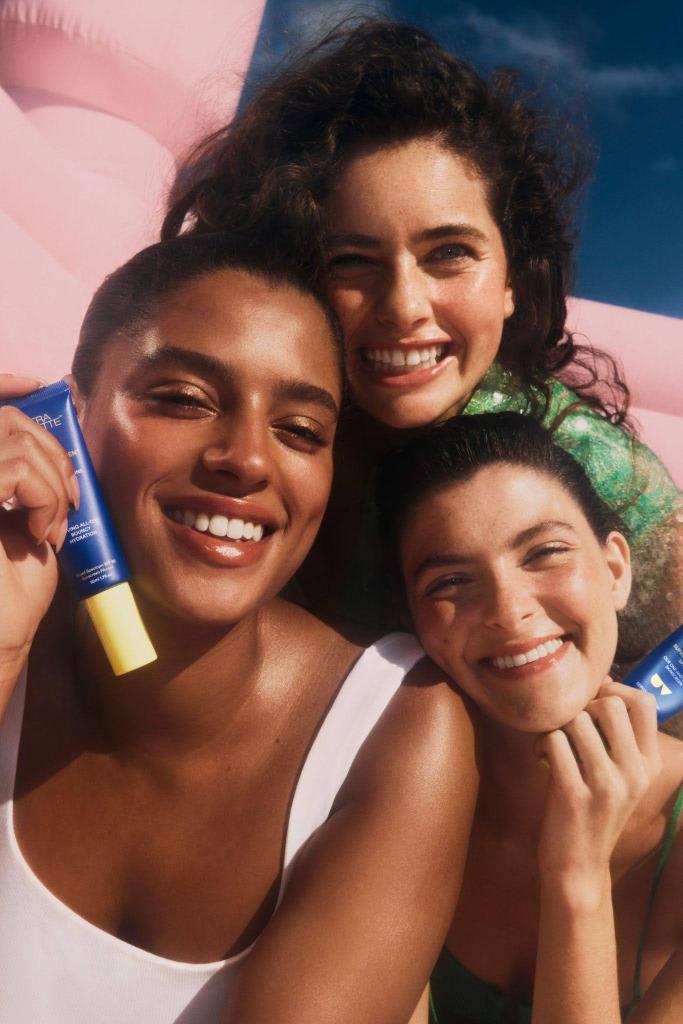
There was a time when sunscreen felt like a practical interruption in the beauty routine. It was something necessary, dutiful, and separate from the products people actually enjoyed using. That feeling has changed in a significant way. Now the category carries the same kinds of questions people ask of skincare and makeup. That includes how it wears, the way it sits under foundation, if it feels light, and if it makes mornings feel smoother or more complicated. Those questions have turned sunscreen into a more sophisticated product space, and the company Ultra Violette sought to change the product space.
That change has arrived alongside more visible discussion of regulation and ingredients, especially after recent movement in the United States. For brands operating across different regions, the topic is never just theoretical. A product may need to be adjusted repeatedly to suit different ingredient frameworks, testing protocols, and claims standards. What looks like one formula to the consumer can involve several versions behind the scenes, each shaped by the region where it will live.
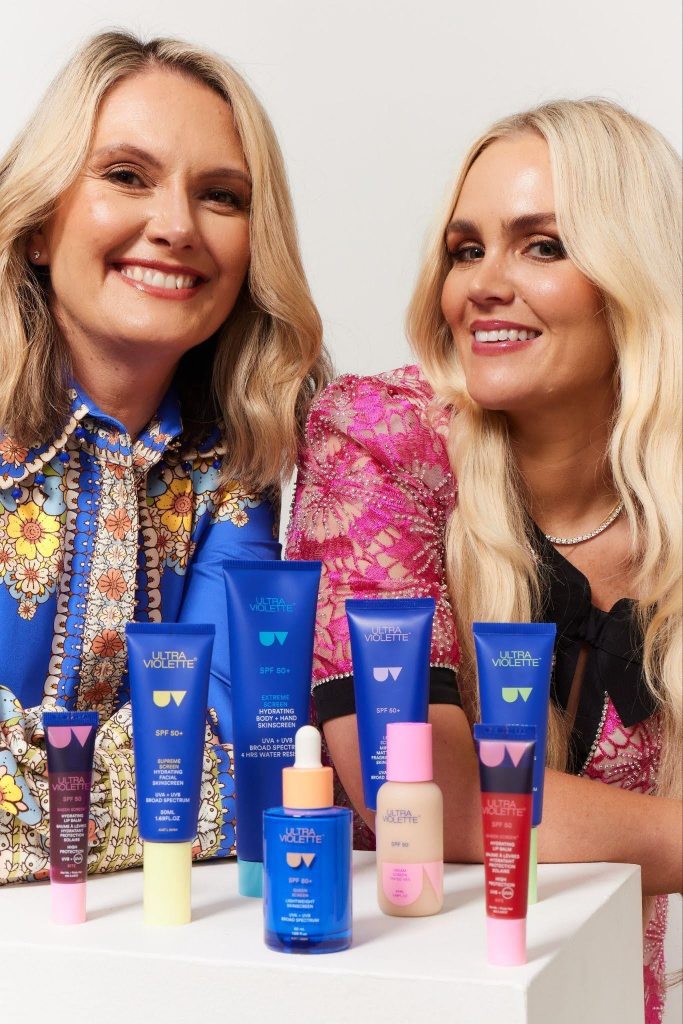
Ultra Violette’s rise fits inside that larger change. Founded in 2019 by Bec Jefferd and Ava Matthews, the brand built its point of view around daily SPF as a beauty essential shaped by wearability, finish, and routine. That perspective gave it a strong foothold in a category that was already becoming more beauty-literate and texture-conscious. The result is a company often discussed through formulation and aesthetics at once.
A Category That Changed Shape
Sunscreen once lived in a strange place inside beauty. People knew it mattered; dermatologists had said so for years, and many routines still treated it like an extra step added under a little pressure. The formulas felt heavy, chalky, sticky, or hard to pair with makeup. Daily wear asked for patience.
That product problem carried a business problem with it. A formula can be scientifically sound and still struggle to earn a place in a daily ritual. Beauty buyers have always understood that texture can decide the future of the category. A cream, serum, or tint with an elegant finish has a better chance of becoming a habit. Sunscreen has moved closer to that same standard, and the companies succeeding in the space tend to read the category through wearability as much as protection.
Jefferd and Matthews saw that early through their work in beauty product development. Their earlier roles at MECCA, L’Oréal, and Rationale gave them a close view of how products moved, what shoppers skipped, and which gaps stayed open in plain sight.
Matthews describes the beginning, explaining that she and Bec worked together in product development for a major Australian beauty retailer, where they noticed a “huge opportunity” to introduce formulations that offered broad-spectrum protection and were infused with skincare ingredients that made them cosmetically elegant and beautiful to wear.
She notes that the products were all made and tested in Australia, which she cites as the country with the highest rates of skin cancer, along with a “pretty brutal” climate. Retailers were barely touching the realities of SPF at the time, according to Matthews.
Matthews explains, “Sunscreen isn’t seasonal; it needs to be worn year-round to support a routine, and we wanted to deliver a brand and range of products that [were] easily incorporated into a daily beauty regimen — it layered well with the rest of your skincare products and sat well under makeup.” She adds, “The sunscreen and skincare category has grown sharply since then, though at the time we launched it was a novel concept.”
Why the Formulation Is Important
The conversation around sunscreen often drifts toward ingredient lists and regulation. But the more immediate consumer experience begins on the skin. A formula that pills under makeup, leaves a cast, stings around the eyes, or feels too heavy for daily wear rarely becomes second nature. A formula that sits comfortably, feels elegant, and holds together through the day has a better shot at becoming routine.
That formulation challenge grows more intricate in a global business. A sunscreen brand moving across markets has to work within different ingredient frameworks and different testing requirements while protecting a recognizable product identity.
Matthews puts it plainly: “SPF regulations are different in every single market in which we operate. So, unless you formulate to only FDA standards, you need to have multiple versions of each formulation for every market you’re sold in.”
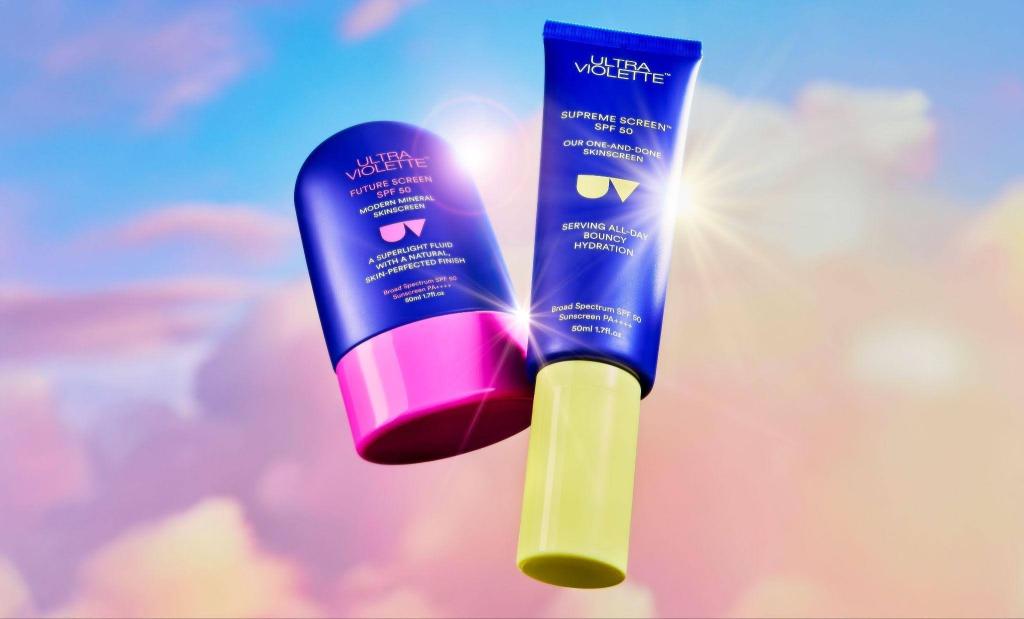
She explains that the company formulates with a highest common denominator approach, which means that for every region the company sells in, they specifically formulate with those unique restrictions and requirements in mind. She notes, “For example, our Supreme Screen has three versions. We keep the positioning consistent, though it means we have one formulation for Australia/EU/Asia, one for Canada, and one for the US. On our hardest days, we sometimes lament going into such a highly regulated category.”
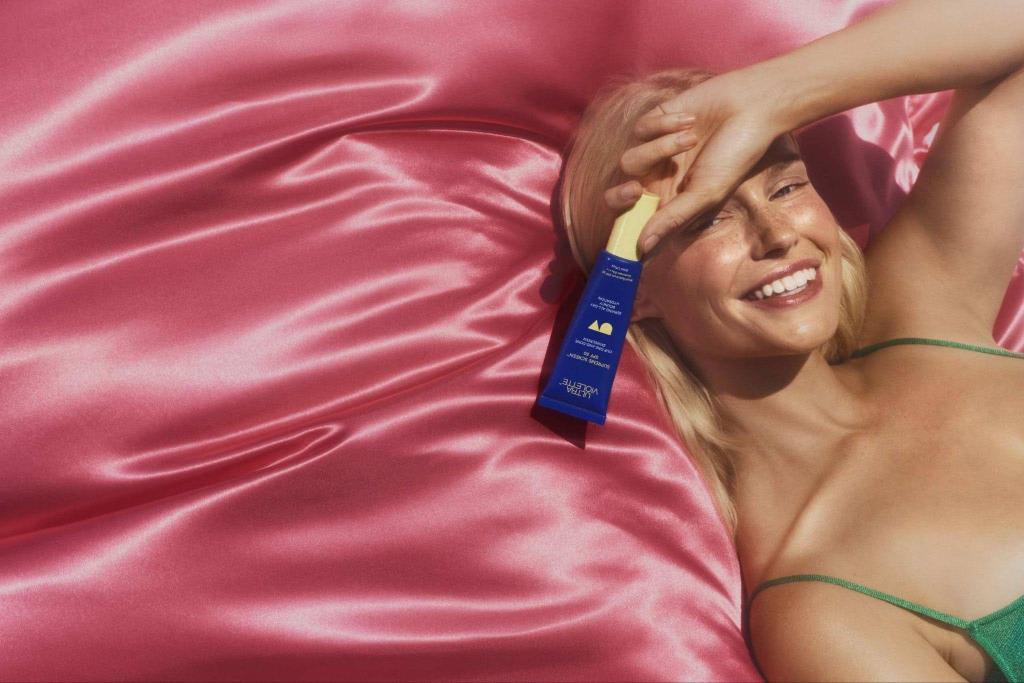
Along with the formulation differences, the testing requirements also vary by market. That also applies to SPF testing, stability, and other forms of overall compatibility testing. That’s particularly true in countries where SPF is regulated like a drug, as is the case in Australia, the US and Canada. Matthews adds, “You then have to market each version differently, at different times of year and factor in seasonality.”
That’s a large part of the brand’s technical identity. Sunscreen development asks for chemistry, wear testing, packaging logic, and regulatory fluency all at once. The consumer may see a sleek tube and a polished finish. Behind that sits an enormous amount of versioning, calibration, and planning.
The Business of Daily Wear
Beauty founders often talk about instinct. Jefferd and Matthews brought operational experience, too. Their pitch for sunscreen was practical. A product worn daily has more opportunities to become part of someone’s routine, alongside building loyalty and expanding the category itself.
That’s why the company has focused so heavily on texture and finish from the beginning. A sunscreen with skincare sensibility changes the conversation around use. It can sit under makeup, work inside a morning ritual, and feel close to a serum, primer, or moisturizer in terms of pleasure. Those details may sound cosmetic, but they shape whether a person reaches for a product once or again and again.
The timing has helped. The beauty market now pays close attention to SPF format, feel, and finish. People now talk about sunscreen with more sophistication than they once did. A product category that once felt dutiful now gets discussed in the language of glow, texture, hydration, tint, and skin comfort. Ultra Violette arrived with a point of view that fit that evolution well.
The company has also expanded its visibility through retail and editorial attention. Its launch into Sephora stores across the US and its Allure Best of Beauty recognition give the brand a broader audience, and those developments suggest how far sunscreen has moved inside of beauty culture. A daily SPF can now sit in the same aspirational territory as other skincare staples, with product design and user experience carrying real commercial force.
What a Recent Ingredient Moment Brings Into Focus
A recent approval of bemotrizinol in the US brought more public discussion to sunscreen filters and ingredient availability. For Ultra Violette, the movement intersected with work the founders had already been doing for years.
Matthews explains that she and her co-founder Bec have been formulating with Bemotrizinol since the company first launched Ultra Violette in Australia in 2019.
“We held off the US launch for as long as we could because we’d heard whispers it was coming but eventually decided to launch in 2025 with formulations equal to our existing range without BEMT,” Matthews says. “This was a challenge, though we got there. We had more certainty over the approval for 2026 and knew that regulation always carries moving parts.”
Matthews notes, “It really is such a win for the US consumer because it broadens the number of SPF formats available, offering more elegant textures and finishes, and because BEMT is a chemical UV filter, more formulation options with very little white cast.”
She explains that there’s also evidence to suggest fewer instances of irritation or allergy than with other traditional UV chemical filters, so a consumer who experiences burning eyes or skin with some chemical SPFs “may be okay here.”
According to Matthews, it also “opens the door for sunscreens with stronger UVA protection, which is relevant in conversations around skin ageing, including melasma and pigmentation.” Her hope is that it “gets more people wearing SPF every day because of this broadening of format and texture.”
Matthews’ insights indicate significant product potential with ingredient access that shapes textures, finishes, and the range of formulas a brand can build. Consumers feel that on skin long before they think about regulatory architecture.
What Comes Next
The next phase of sunscreen feels more sophisticated and integrated with beauty. People want products that can live on a vanity year-round and behave well in daily use. Brands that understand that are writing the future of the category in texture as much as in messaging.
Ultra Violette has become part of that history because Jefferd and Matthews treated sunscreen as a product worth rethinking from the ground up. They approached it with beauty instincts, product-development experience, and a clear interest in how daily rituals are formed. That combination gives the brand a distinct place.
This article is for informational purposes only and does not substitute for professional medical advice. If you are seeking medical advice, diagnosis or treatment, please consult a medical professional or healthcare provider.
Want to see more Forbes articles on your feed? Tap here to make Forbes Australia a preferred source on Google.
Look back on the week that was with hand-picked articles from Australia and around the world. Sign up to the Forbes Australia newsletter here or become a member here.