
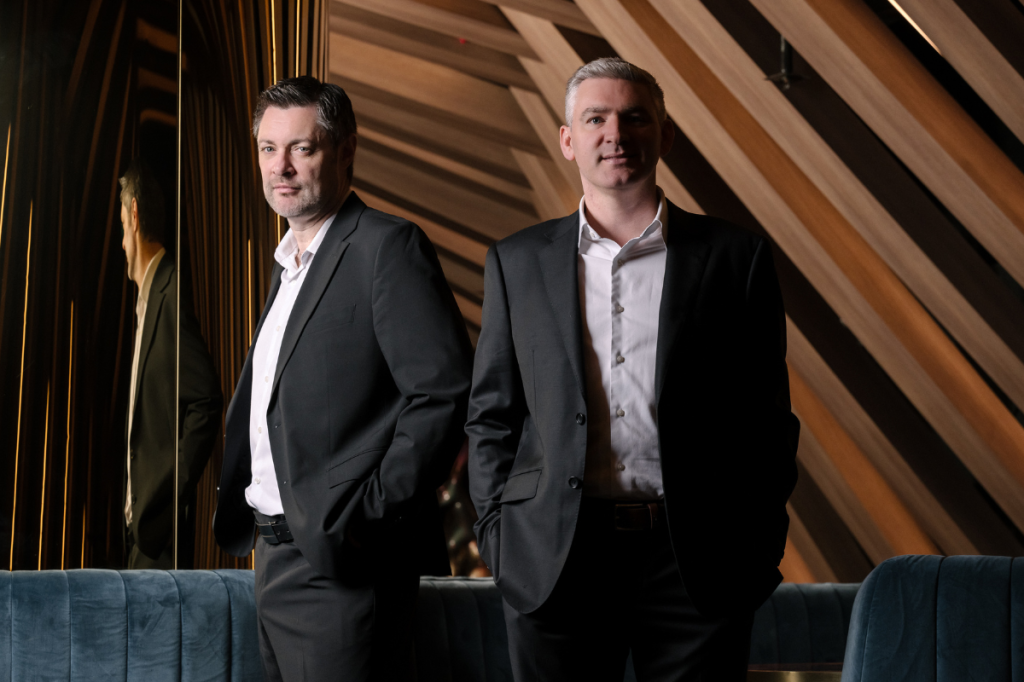
Melbourne defence-tech start-up Arkeus has raised $25 million on its technology born from a founder seeing the frustration of drone operators hunting drugs in the Colombian jungle.
Key Takeaways
- Arkeus has raised $25 million in a Series A round led by QIC to scale its AI-powered “eyes and brain” sensing systems.
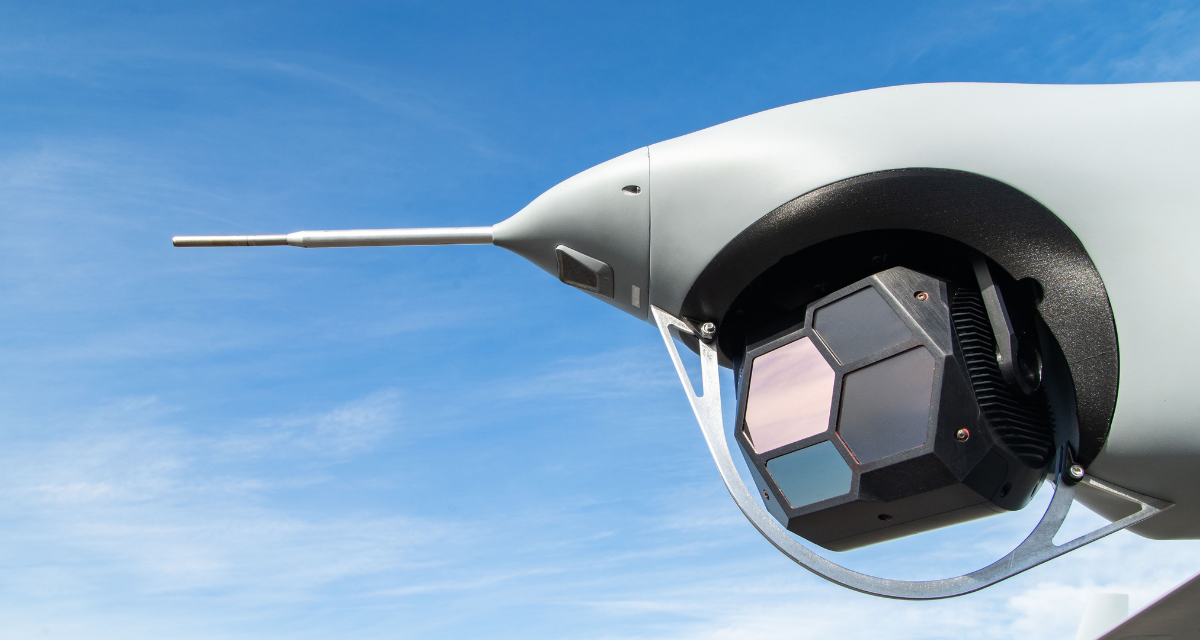
- The Melbourne-founded deftech company says its “hyperspectral optical radar” can detect targets up to eight times further than existing military optical systems in degraded conditions.
- Arkeus plans to use the money to manufacture in Queensland and the US.
- Its valuation has grown more than sevenfold to $100 million since a seed round two years ago, Arkeus says.
- The raise saw participation from new investors R+VC, Folklore Ventures and DYNE Ventures, with continued support from existing investors Main Sequence Ventures, Salus Ventures and Beaten Zone.
- The company styles its “eyes and brain” technology for autonomous craft as being able to see more and act faster on that information.
- It is deployed with the Australian Department of Defence and various U.S. defence and civil defence agencies, including at the Mexican border.
Key Background
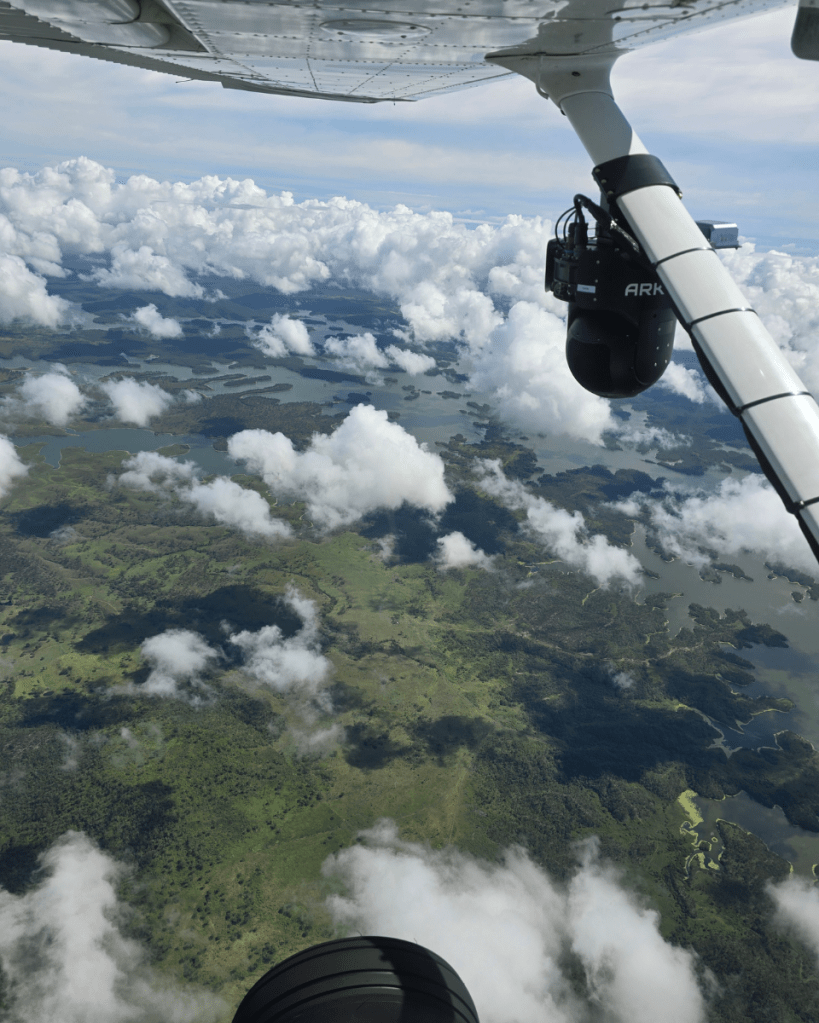
Simon Olsen was in the jungles of La Macarena, Colombia, where the Andes and Amazon meet, looking for drug operations, when the realisation hit.
He was sitting behind US Air Force drone operators who were trying to see through the canopy of mist and foliage. “Because it was such a challenging environment, the software was generating hundreds, if not thousands, of false positives,” Olsen tells Forbes Australia. “The software thinks it sees something, but it hasn’t. And the operator spent hours – I kid you not – hours sifting through all this garbage coming through from the software system.”
It was 2016 and Olsen was a business development director for the Melbourne-based defence-tech success, Sentient Vision Systems, specialising in computer vision for the def-tech sector.
“Everyone was talking software, but we saw that software couldn’t find what the sensors can’t see. Most sensors – whether that be cameras or radars – on drones today are the same cameras and radars that have been on crude aviation assets for decades. All we’ve done is miniaturise them.”
Smoke, haze, dust, and humidity were as big a problem as ever.
Olsen’s colleague at Sentient, aviation engineer Dr Jonathan Nebauer, thought he had a solution. By using signals from across the electromagnetic spectrum – from ultraviolet through the infrared – they’d be able to cut through all the dust, smoke and haze.
And AI would then analyse it all in seconds.
Hyperspectral sensors typically were half the size of a boardroom table and the data they produced took a day to process, Olsen says. He didn’t think it could be reduced to a 4kg cube that could analyse the data in a second.
In the garage
But Nebauer – who holds a PhD in aerospace engineering and a degree in physics – convinced him it could.
“Rather than building a sensor that’s built for a human operator, we needed to build a sensor that was designed from the ground up to maximise the performance of AI,” says Olsen. “I was in a bit of disbelief when we first spoke about that, but I have a very talented co-founder.”
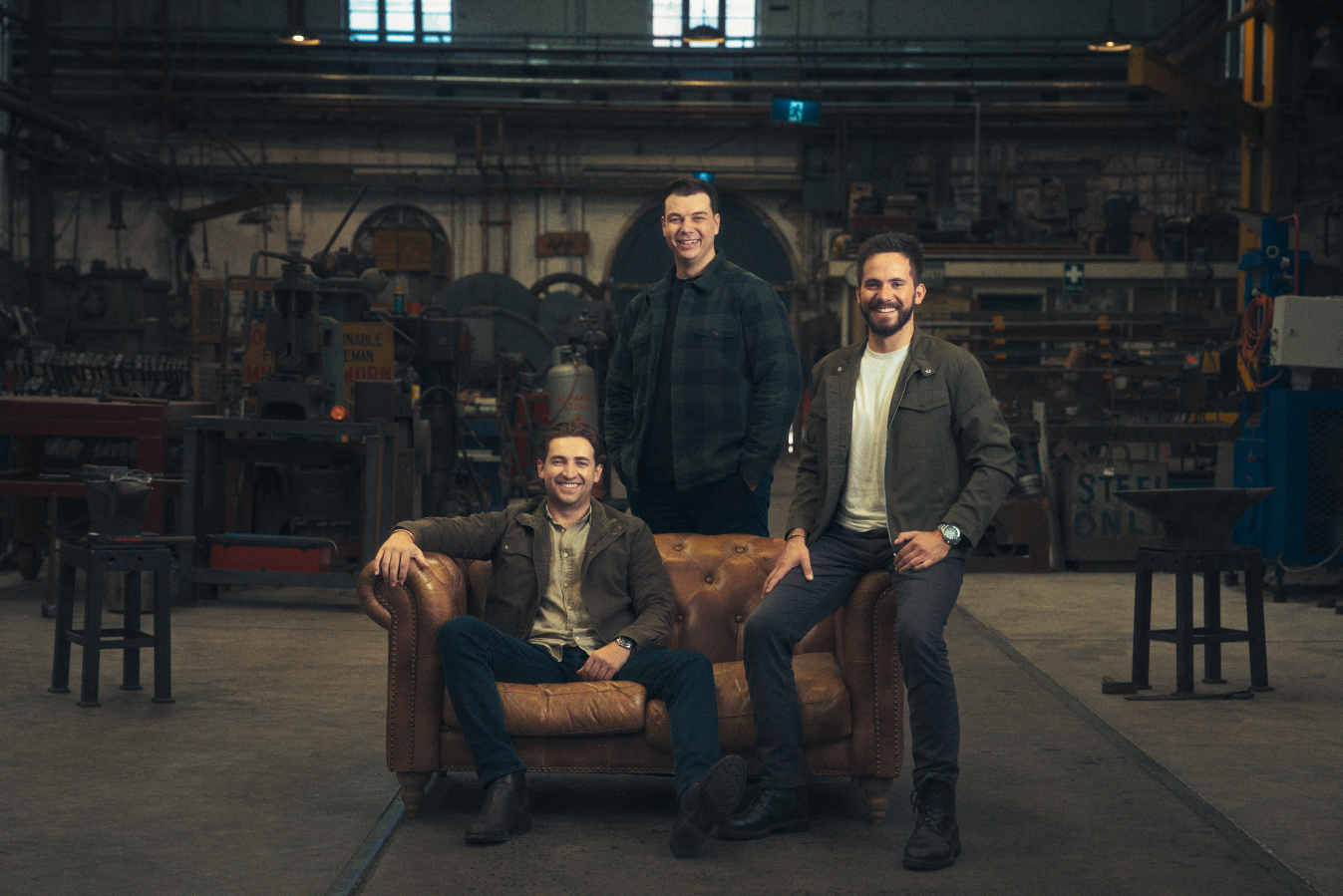
They quit their jobs in 2020. Olsen sold his house. Arkeus was founded in Nebauer’s single-car garage. “I like to think that the Apple co-founders had an advantage over us because they had a two-car garage,” Olsen quips.
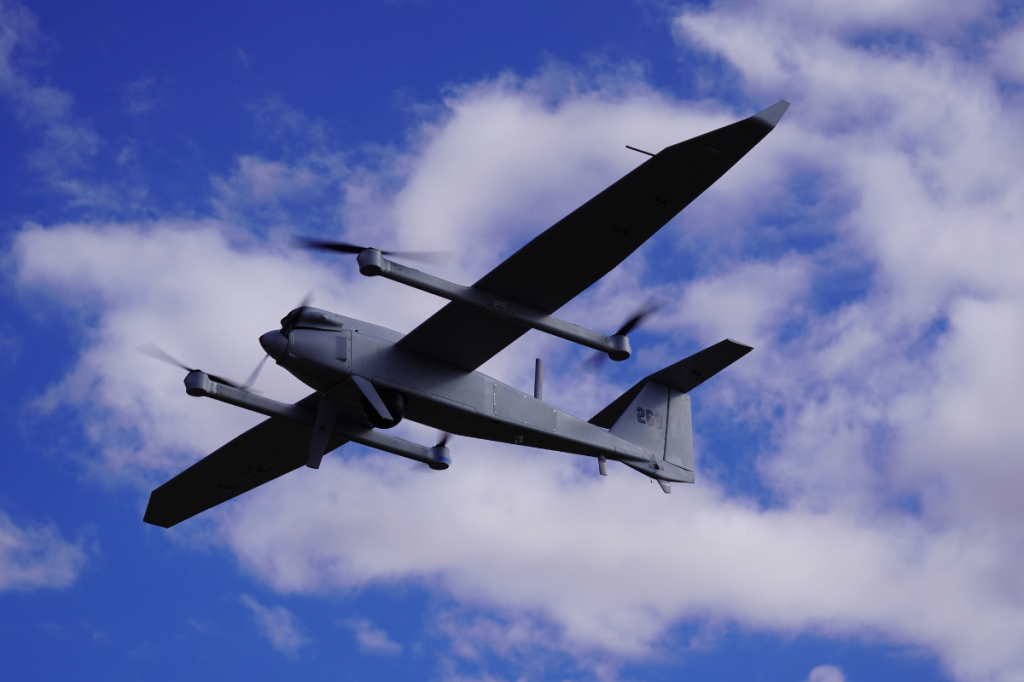
Arkeus had its first contract with the Royal Australian Air Force in six months. Deals followed with the Australian army, navy and Special Operations Command. “Over the past 18 months, we have been focused on expanding into the United States. The majority of our revenue now comes from the US,” says Olsen.
Arkeus raised $4.45 million in seed funding in December 2023, led by Main Sequence, with participation from Beaten Zone Venture Partners and Salus Ventures. It raised $5 million more in March 2025 to expand manufacturing and scale deployment.
Beaten Zone’s Steve Baxter tells Forbes Australia the recent $25 million raise was his third go round with Arkeus. “We first met Jon and Simon on their journey at Avalon Air Show many years ago and realised what amazing capability they’ve created and the fantastic team they’ve put together. We’re always happy to support such dynamic entrepreneurs.”
Needles in haystacks
Arkeus recently put its technology through a series of competitive evaluations with the US Department of Defense.
Its hyperspectral sensing system was tested against existing payloads currently flying on military drones in a week-long operational exercise.
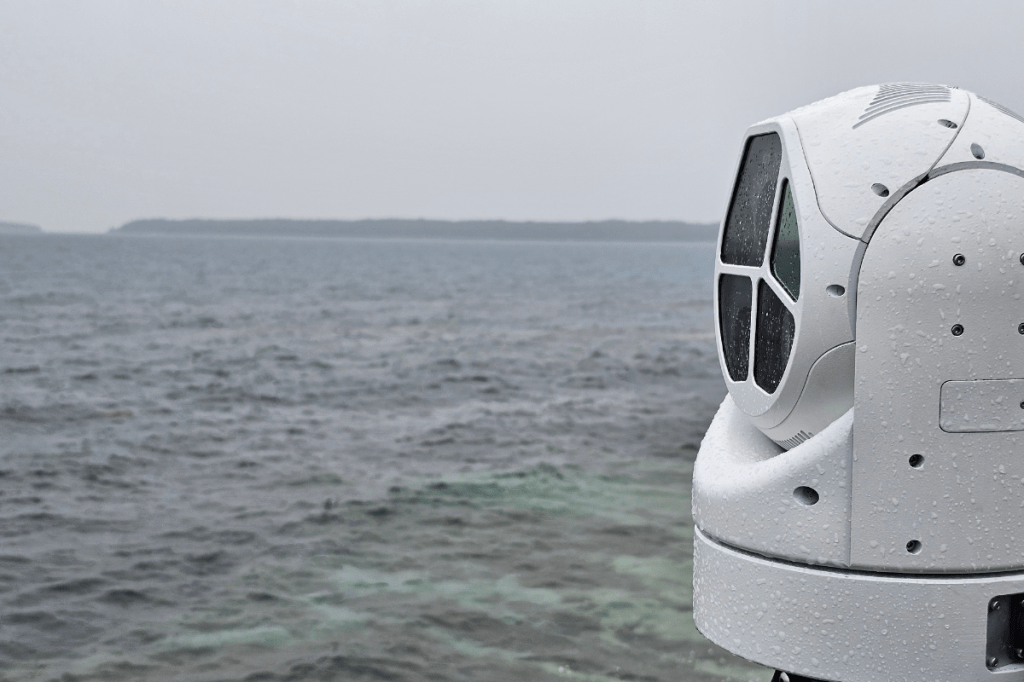
According to Olsen, the Arkeus system was able to find, identify and track targets at eight times the range of comparable systems already in service.
The latest capital raise, led by QIC, [government-owned Queensland Investment Corp], will be used to set up manufacturing in both the US and Queensland in the next 18 months, says Olsen.
And they will build a full sales and support team in the US.
Arkeus currently employs about 55 people, says Olsen. “And we’re gonna 2x that over the next 12 to 18 months.”
He did not discuss financials but said the company was favouring growth over profit with revenue having increased eight-fold over the last 18 months. “Around a year ago the company’s revenue split was approximately 10:90 United States to Australia. Today, that split is closer to 80:20 United States to Australia, reflecting the rapid acceleration of demand in the US market.”
Arkeus’ technology is already integrated with major drone manufacturers including AeroVironment, Textron, Tekever and Boeing subsidiary Insitu, the company says.
Arkeus headquarters will remain in Melbourne despite the manufacturing move to Queensland.
Olsen said there were also civilian uses for the technology. “If you get lost at sea, and you’ve got two choices: a helicopter or a drone with standard equipment; or a helicopter or drone with our equipment, if you want to stay in the water for 30 times longer, go for the old stuff.
“And there are other applications like environmental monitoring and management, wildfires, disaster recovery style applications as well, and emergency management, as well as some of the more civil defence style applications like policing and border operations and illegal fishing.”
Queensland Minister for Finance, Trade, Employment and Training, Ros Bates announced the funding at a press conference in Brisbane, today [Friday May 15].
Want to see more Forbes articles on your feed? Tap here to make Forbes Australia a preferred source on Google.
Look back on the week that was with hand-picked articles from Australia and around the world. Sign up to the Forbes Australia newsletter here or become a member here.