
After just 14 seconds in the air, Gilmour Space had investors piling on to launch something rarer than orbit: a $217 million Series E
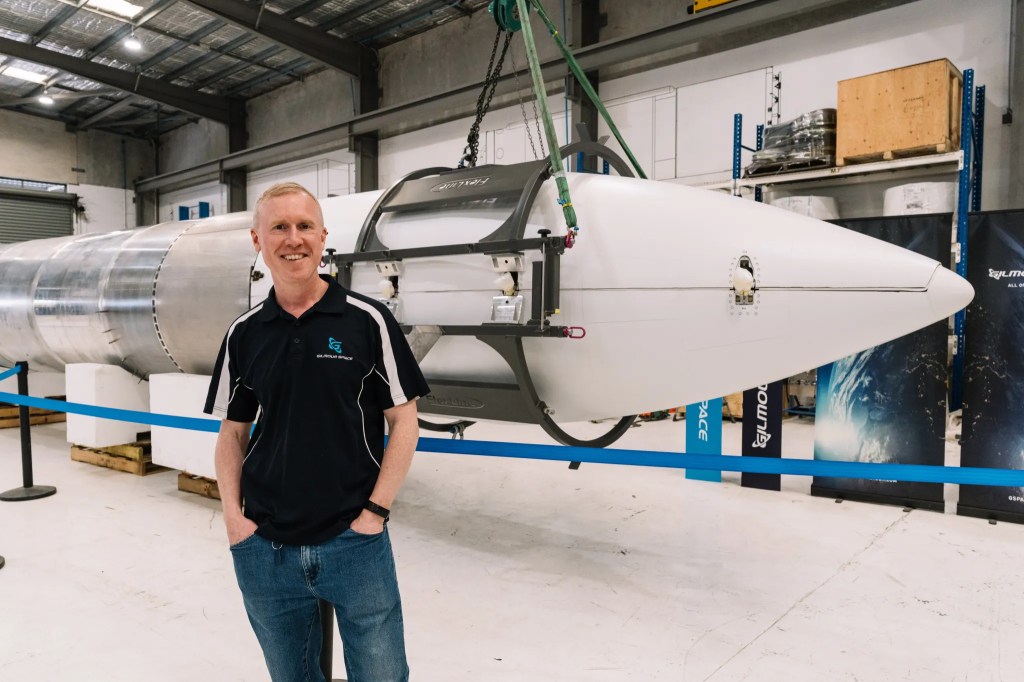
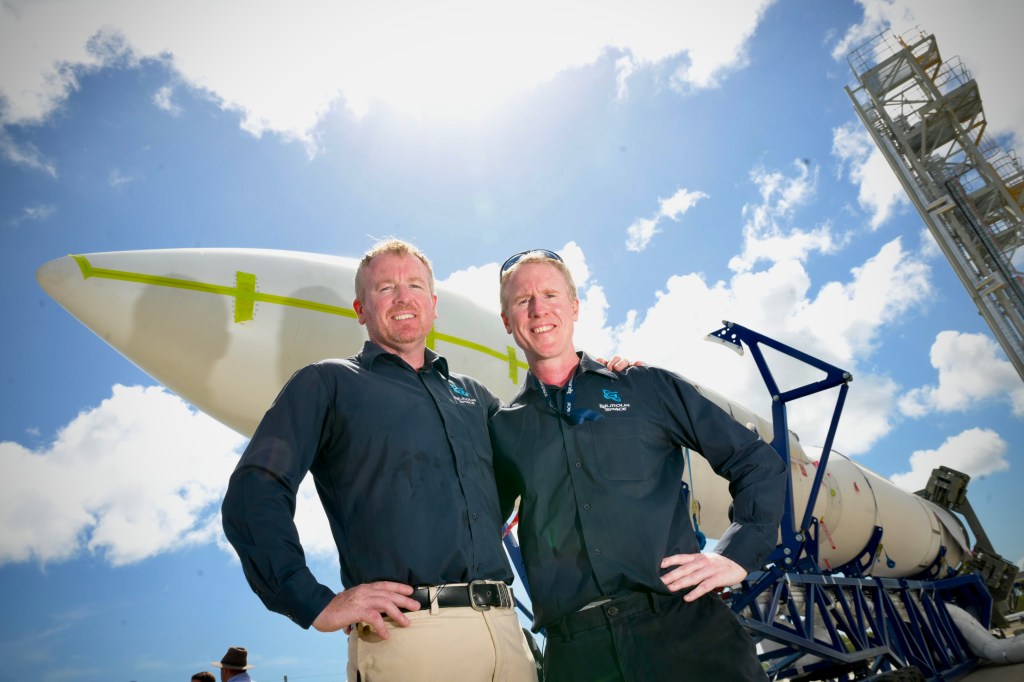
Adam Gilmour didn’t set out to build Australia’s next unicorn. He set out to build a rocket – and then enough time to make sure it worked.
After a first flight that lasted just 14 seconds, the money came pouring in. Gilmour Space Technologies has pulled off Australia’s largest space-industry capital raise, a $217 million Series E, catapulting the Queensland company into unicorn territory and bringing its total public and private raisings to more than $400 million.
The round, led with $75 million from the taxpayer funded National Reconstruction Fund Corporation [NRFC] and $75 million from one of Australia’s largest super funds, Hostplus, reflects a surge of global capital chasing launch capability.
“I had that conversation before the launch to show I wasn’t making things up as I go.”
It buys the company a financial runway long enough to fail safely, CEO and co-founder Adam Gilmour tells Forbes Australia.
Gilmour originally set out to raise just $150 million – which the pundits predicted would value the company at about $1 billion. But it turned out to be easier than expected.
“The US government started saying they were going to spend a lot on space and defence,” says Gilmour. “That resonated with US investors. A lot of space stocks started climbing rapidly. So more money got pumped into the industry.
“Then the Europeans started pumping money in and talking about big programs. Then the Japanese and Koreans. There was just so much more demand than we initially thought we’d get. And this is just the first close.”
Gilmour is going to the US in February to talk to more potential investors.
“I’m pretty happy with the first close, but we haven’t quite finished yet,” he says.
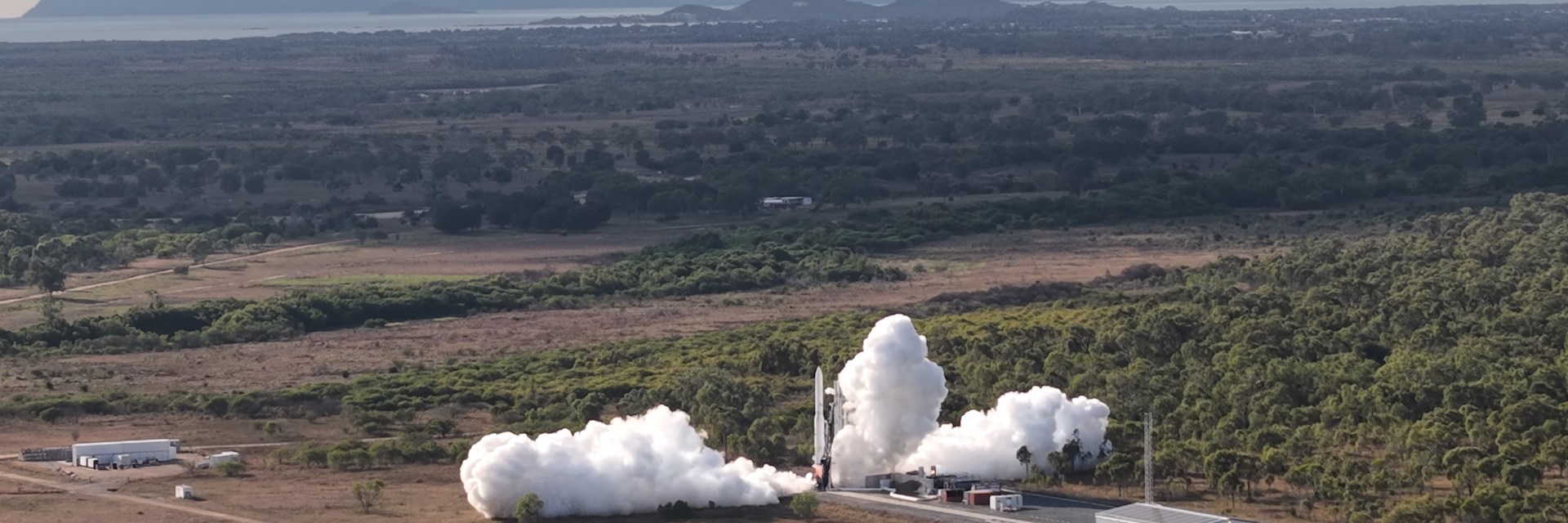
Gilmour Space has been burning $4 million a month every month for more than a year in its efforts to get to space. It launched its first Eris rocket in July after 17 months of delays from regulators.
“Plan A is that we get to orbit in the next 18 months, and then we start ramping up to four launches a year.”
That flight lifted off and wobbled back to earth in just seconds, so Gilmour says the first thing he’s buying with the new money is time.
“Investors wanted us to have enough buffer that if we didn’t make orbit on the third rocket or the fourth, we had time to make it on the fifth, as an example.
“This gives us the ability to not make rash decisions because we’re running out of money … as well as increased capability, increased manufacturing capability, increased headcount. We’re not going bananas with headcount, but we’ve identified gaps where if we fill these gaps, we can move faster.”
All the R&D will remain in Australia, Gilmour says, but the company will establish an office in the US before eventually moving some manufacturing there in order to align with the US administration’s made-in-America demands.
Gilmour had been talking to the NRFC for several years, according to David Gall, CEO of the NRFC, Australia’s sovereign investor in manufacturing capability. The NRFC has $15 billion of government money to invest through equity investments, loans and loan guarantees across priority areas.
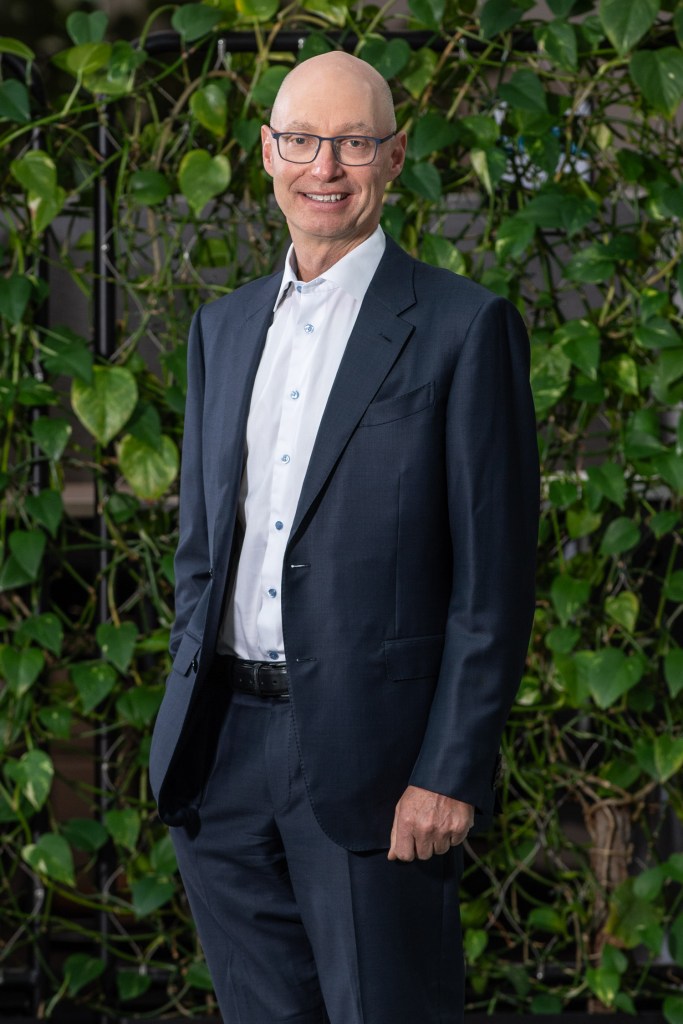
It has now invested more than $1 billion of its $15 billion pool. “This is a significant investment for us,” Gall told Forbes Australia. “It’s $75 million of a $217 million funding round. But what I’m really pleased to see is the way that Australian institutions, and in particular Australian superannuation funds, have followed us into this investment.”
Other investors in the round include Future Fund, HESTA, Blackbird, Main Sequence, QIC, Funds SA, NGS Super, and Brighter Super.
Adam Gilmour says the company was talking to a lot of investors but had no intention of raising until after its first rocket launch last July. “The NRF texted me 10 minutes after we did the launch with the congratulations. I was feeling pretty good. Then the conversations kept going and they did a lot of diligence on us. But the process has been fantastic. Incredibly transparent, incredibly engaging.”
Gilmour had warned all his potential investors about what success looked like to him on a first launch. “We said, this is what other companies have done before us. Many of them didn’t even get off the pad. Some went 20 seconds. Some of them went 10 seconds. I said to them, ‘Anywhere up to 10, 20 or above, I’m considering that a great success’.

“I had that conversation before the launch [to show] I wasn’t making things up as I go.”
Gilmour said that before the raise, the company had enough cash on hand to launch one more rocket. “But what this does is it gives us a big, long runway to make lots of rockets, lots of satellites, have lots of attempts to get to orbit, spend enough on R&D to increase the probability of that. We want to build bigger vehicles.
“The investors have agreed with us that some of the money can be for that. So it’s getting to orbit, getting cadence and then building larger vehicles.”
Just how many launches it buys will depend on how quickly they get into orbit and how many contracts get signed. “But we’re thinking at least six to eight. Plan A is that we get to orbit in the next 18 months, and then we start ramping up to four launches a year.”
Four launches a year would be a financial break-even point, he says. “Once you’re launching once a month, you’re doing really, really well.”
Gilmour’s next launch will not be space bound, but a hypersonic test vehicle [ie flying at more than five times the speed of sound], due in the second quarter of 2026.
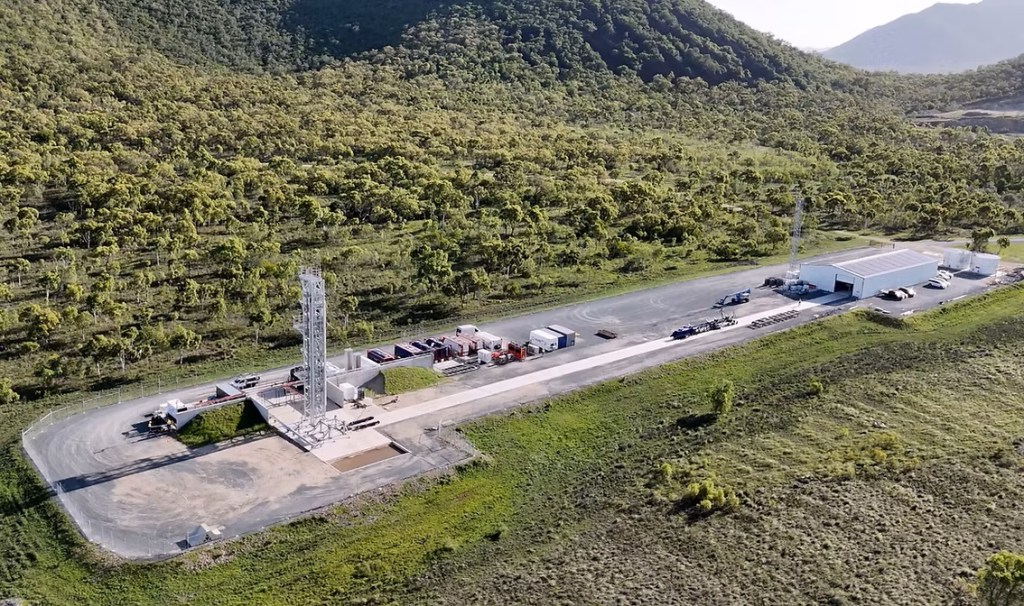
Its next Eris space rocket launch is scheduled for the third or fourth quarter of 2026. “Then next year I want to do at least two orbital [Eris] attempts.”
Gilmour also has a satellite going up on a SpaceX rocket in October 2026.
Gilmour declined to disclose the company’s valuation attached to the latest capital raise. “We don’t want to disclose exactly what it is, but we’re a unicorn now.”
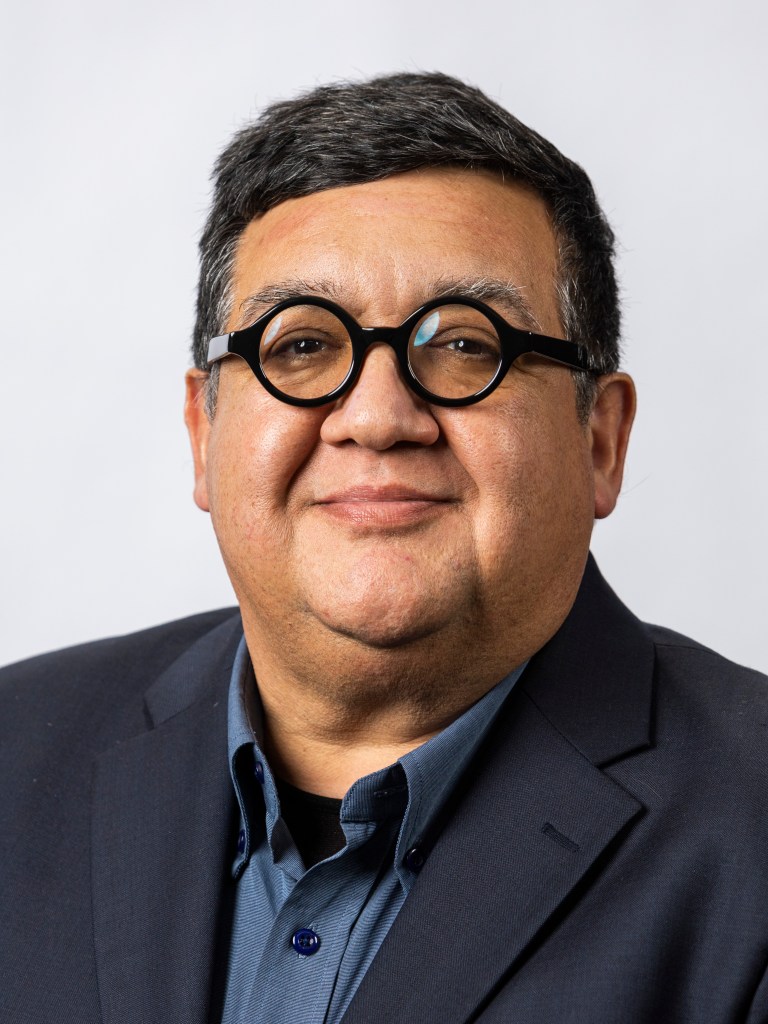
Hostplus chief investment officer Sam Sicilia said the deal represented value for his members. “We are committed to identifying opportunities that deliver long-term value for our members,” Sicilia said in a statement. “This capital injection will help position Gilmour Space for its next phase of growth, enabling it to scale operations and advance technology development, creating potential for strong, risk-adjusted returns for our members.”
The Queensland government is also in on the deal with its sovereign investment arm, QIC.
QIC private equity head of Asia Pacific Crystal Russell said the raise reflected Gilmour’s “proven core technologies and a demonstrated flight heritage”.
“With a tangible pathway to commercial scale ahead, QIC is proud to once again support a Queensland company positioned to meet growing global and domestic demand for space access, while creating high-skill jobs and advanced manufacturing capability locally,” Russell said in a press release.
Look back on the week that was with hand-picked articles from Australia and around the world. Sign up to the Forbes Australia newsletter here or become a member here.