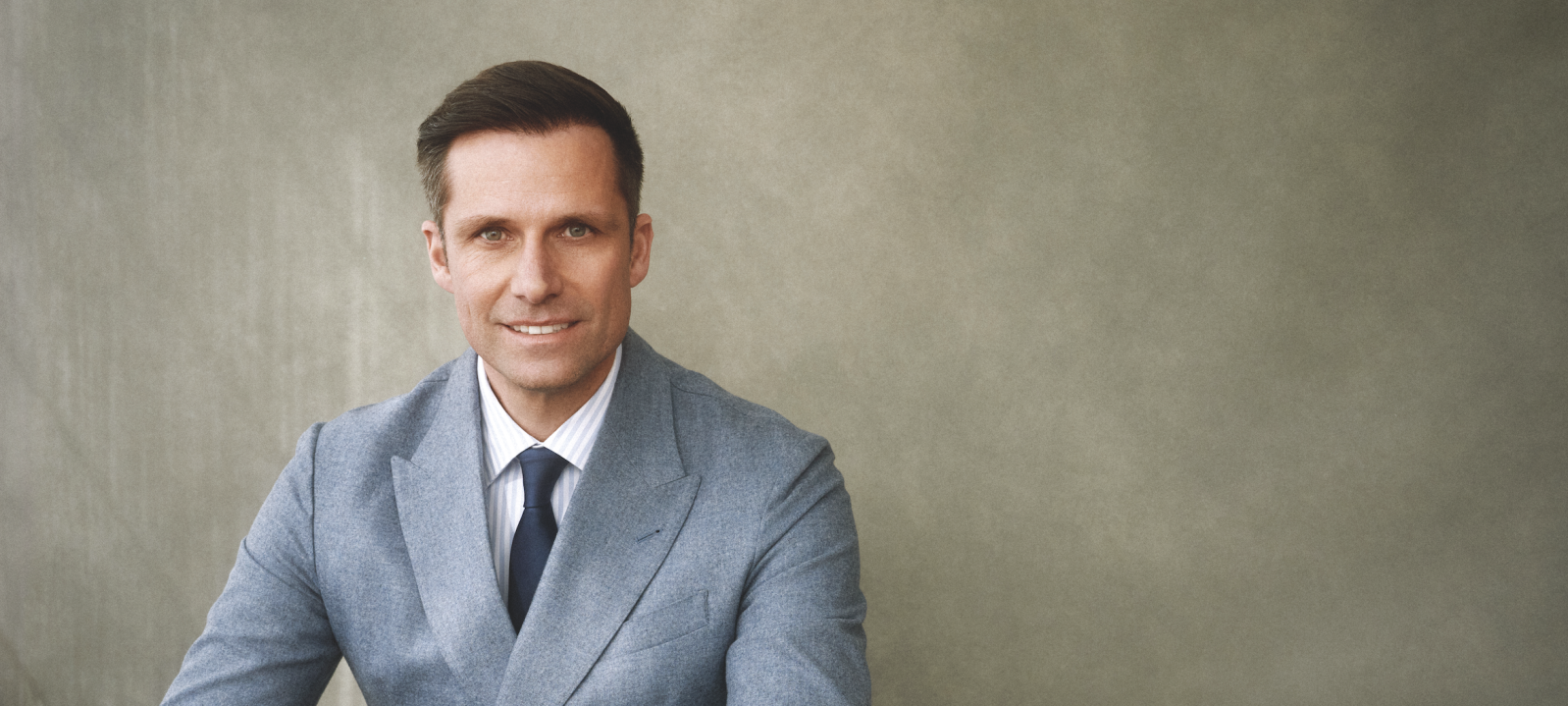

Four years after taking over a struggling independent Maison, Guido Terreni has transformed Parmigiani Fleurier with one key objective at heart – to make restraint desirable again.

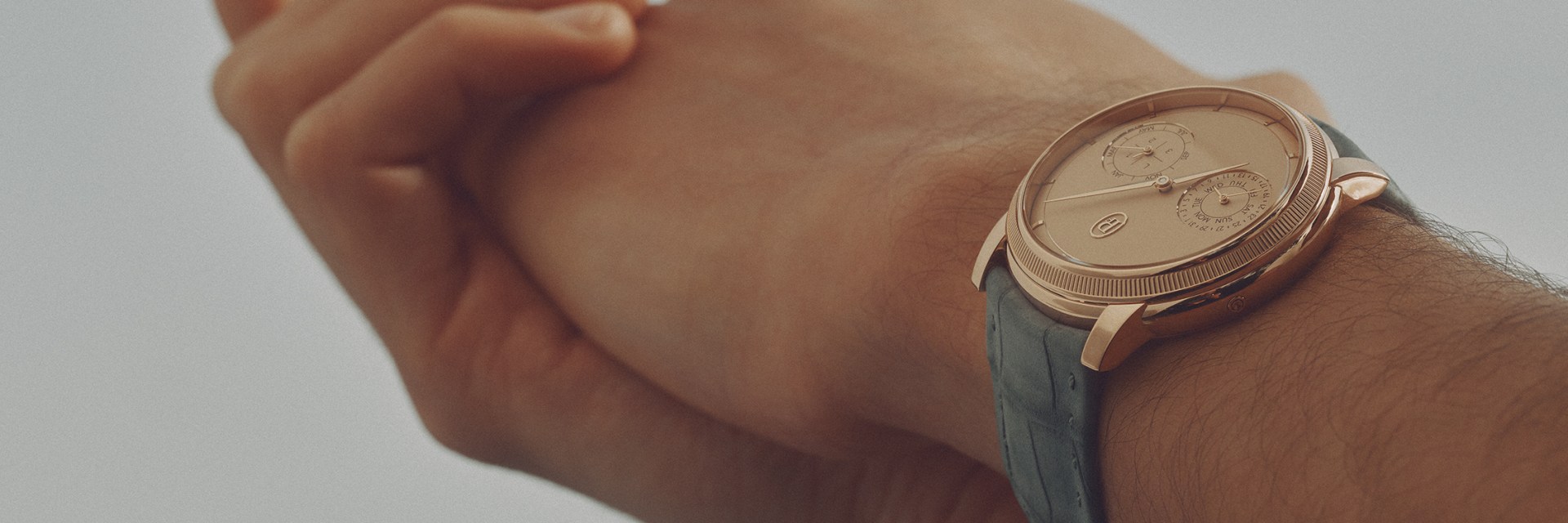
Sitting in a dimly lit Collins St. Kitchen inside Melbourne’s Grand Hyatt, Guido Terreni leans forward and unclasps his watch. “Try it on,” he says, sliding the platinum Tonda PF Micro-Rotor flexes across the table.
This is, in part, the watch that rebuilt Parmigiani Fleurier – a company founded in 1996 by master restorer Michel Parmigiani, once admired for its craftsmanship but left adrift in a changing industry.
The Swiss maison, still owned by the Sandoz Family Foundation through its Pôle Horloger division, had long been respected by collectors, including King Charles III, who has worn its Toric Chronograph.
But admiration hadn’t translated into momentum.
That changed when Terreni arrived from Bulgari in 2021. “It’s not a secret that the brand was not in a good economic situation,” he says. “We needed to clarify its identity.” His answer came seven months later: the Tonda PF Micro-Rotor – a stripped-back, modern expression of what he calls “private luxury.”
His first move was to overhaul the product offer and reconnect the Maison with collectors who had drifted elsewhere.
“We worked really hard on the product,” he says. “The brand is extremely prestigious in the mind of connoisseurs, but it had lost contact with them.”
The result was the revised Tonda – a minimalist steel-bracelet watch that pulled design cues from Parmigiani’s archive.
“We didn’t invent anything,” he says. “We used what was already in the brand, but in a way that was more contemporary.”
The turnaround was immediate. Parmigiani went from selling on consignment to holding 18-month waiting lists. “You dream of that, but you don’t expect it,” Terreni says. In three years, the brand became “five times the size” of what he inherited.
Still, he refuses to chase volume. “You cannot create frustration in a relationship,” he says.
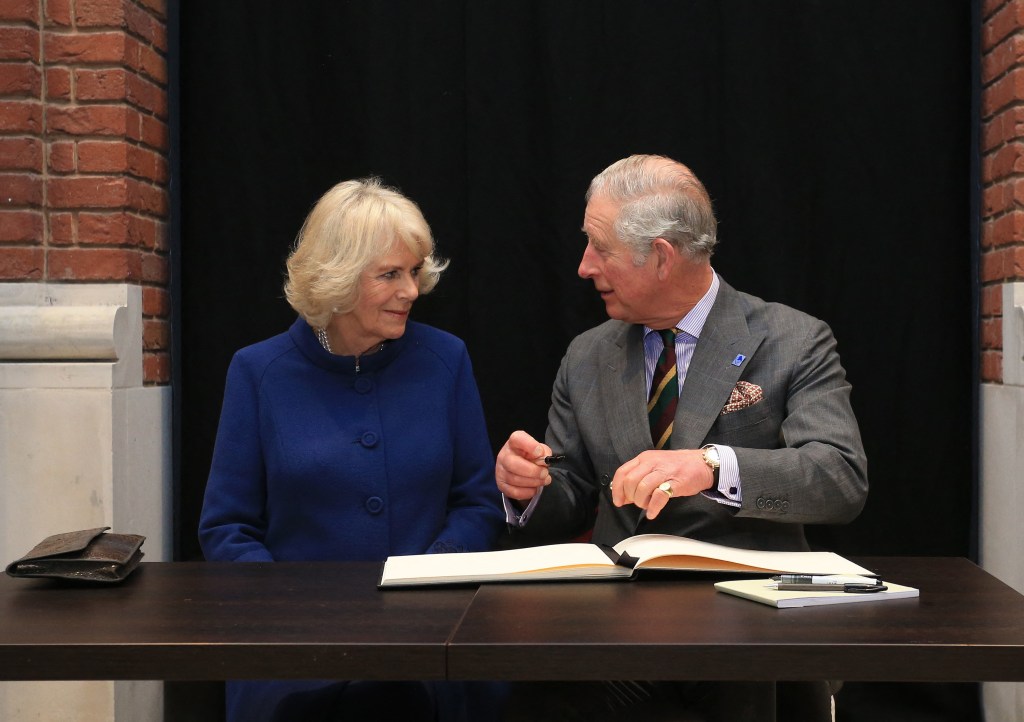
Photo by Lindsey Parnaby / POOL / AFP (Photo by LINDSEY PARNABY/POOL/AFP via Getty Images)
“We had waiting lists that were too long, and clients were dropping out. Now we can finally
fulfil demand.”
Terreni’s idea of luxury rejects the noise that dominates the industry. “We’re not serving an ostentatious client,” he says. “We’re serving somebody who has passed that tipping point where you buy for personal pleasure.”
He distinguishes private luxury from what’s been branded quiet luxury. “Quiet luxury is a trend, and every trend has an end,” he says. “Private luxury has always been there.”
For Terreni, the brand’s DNA rests on two pillars: deep watchmaking knowledge and understatement. Both come from its founder, Michel Parmigiani, a restorer known for bringing historical timepieces back to life.

“Restorers are the black belts of watchmaking,” Terreni says. “They know everything from a historical and cultural point of view, and they can replicate it to repair somebody else’s creation.”
“When you are restoring, your ego has to disappear,” he says. “That’s why we took the logo off the dial.”
Even the smallest aesthetic decision follows that logic. “Parmigiani is for the owner,” he says. “The logo is for others.” The clean dials, subtle textures, and quiet colours are deliberate.
“It looks simple, but it’s extremely complex to craft,” he says. “The finishing is almost artisanal – the grain on the dial, the reflections of light, the comfort when you wear it. You can’t explain it until you feel it on your wrist.”
Terreni’s redesign also redefined Parmigiani’s clientele.
The old base was traditional and ageing. The new one skews younger and more educated.
“We answered a question,” he says. “Who was the client that made the brand prestigious 25 years ago – and who is he today, in his 30s or 40s?”
The Tonda PF was designed with that person in mind.
He believes the new generation of collectors want something beyond the flash of a Rolex Daytona or Audemars Piguet Royal Oak.
“We’re not converting people,” he says. “We’re serving customers who have already made that decision in their mind. Either you’ve passed that phase in your life, or you never wanted it.”
One of his first product decisions was to make platinum a permanent part of the collection.
“It’s the most prestigious material in nature, but also the most understated,” he says. “You don’t know it’s platinum from looking at it. You feel it. You feel the weight.”
In three years, the company’s profitability has multiplied fivefold, but Terreni avoids overstatement. “We’re still young,” he says. “Profitability is something we have to protect.” Rising gold prices and tariffs have tightened margins, but the plan remains steady: keep the production artisanal and the design pure.
As an independent, he says Parmigiani has the freedom to define its audience.
“The beauty of an independent brand is that you can choose your customer,” Terreni says as he looks to expand the brand’s presence in Australia.
The brand has partnered with Kennedy in Melbourne and J Farren-Price in Sydney. “Australia has done a tremendous evolution in the understanding of luxury,” he says. “Twenty-five years ago, it was very entry. Now there’s a quest for exclusivity, even among the exclusive.”
For Terreni, that shift reflects a wider truth about modern luxury. “The competition isn’t about how
big you are,” he says. “It’s about how interesting you are.”
Look back on the week that was with hand-picked articles from Australia and around the world. Sign up to the Forbes Australia newsletter here or become a member here.