
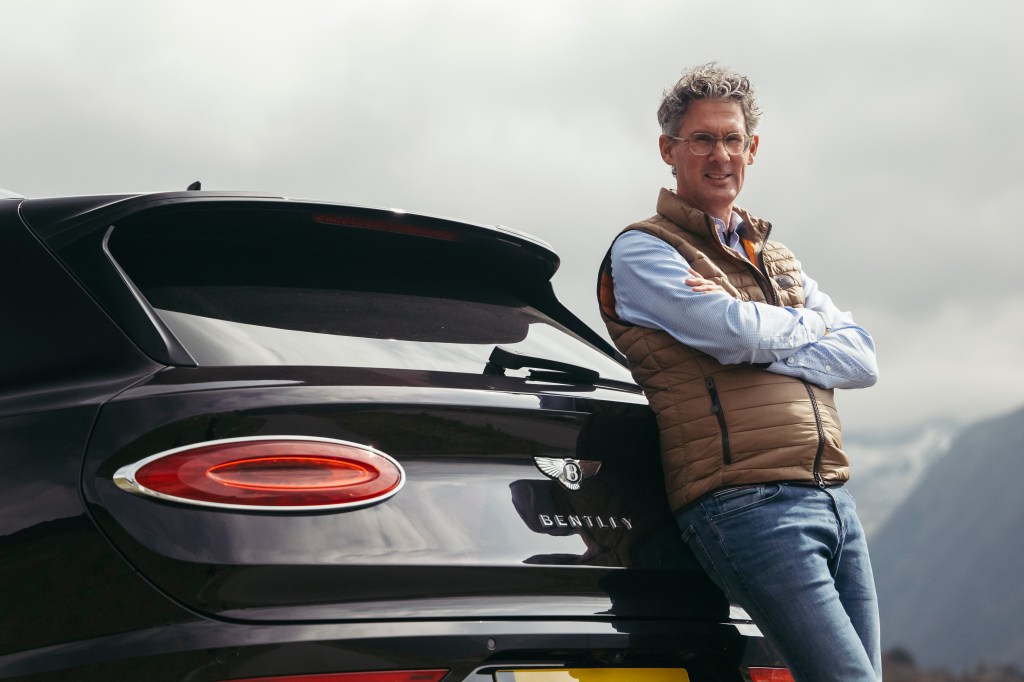
As Bentley prepares to unveil its first fully electric car in 107 years, CEO Dr Frank-Steffen Walliser takes us inside the marque’s UK headquarters to explain why heritage, craftsmanship and choice will always trump technology when it comes to true luxury.
BRANDVOICE – PARTNER CONTENT
This story features in Issue 24 – out now. Tap here to secure your copy.
Driving towards Bentley’s headquarters in Crewe, northern England, a towering mosaic of 45 coloured panels rises above the Cheshire skyline.
The facade belongs to Bentley’s new 12,500-square-metre Paint Shop, which opened in June as the latest addition to the marque’s multi-billion-pound Dream Factory transformation. The facility, which will expand the colour offering beyond the 112 colours available today to more ombré fades, more satin finishes and pinstriping, stands as a powerful symbol of the carmaker’s commitment to British manufacturing and craftsmanship.
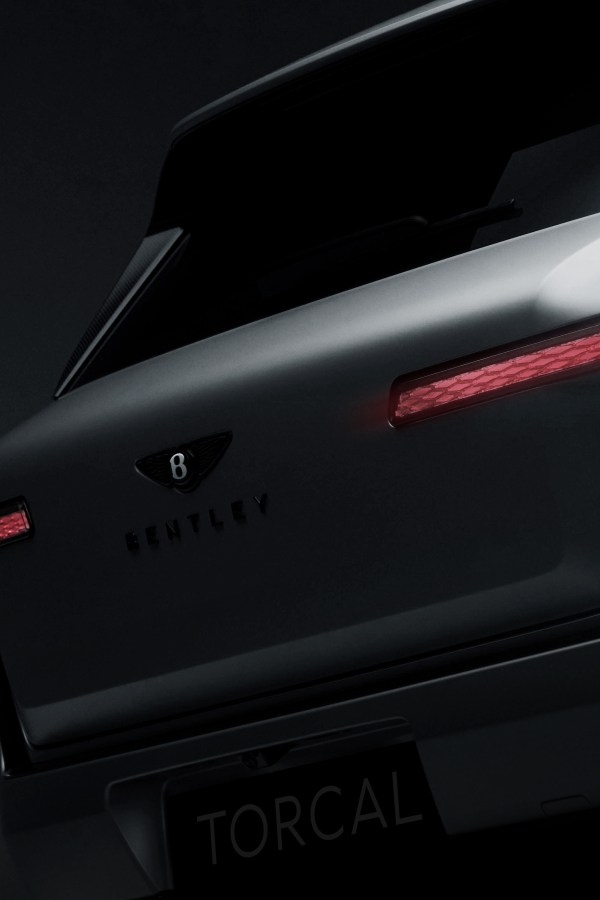
It’s all part of CEO Dr Frank-Steffen Walliser’s vision for the luxury brand. Although on the cusp of unveiling its first fully electric vehicle, the Torcal, in September, Walliser is doubling down on the values that defined the company for a century and centring its strategy on heritage, craftsmanship, the new luxury buyer and personalisation.
What is luxury in 2026?
For Walliser, the question of what luxury actually is has a blunt answer.
“True luxury only comes from the centre of Europe – from northern Italy, Switzerland, France, southern Germany or the UK,” he says. “There are expensive products elsewhere, but that does not make them luxury products. Luxury is about heritage, craftsmanship and product quality.”
It’s a pointed position at a moment when Chinese carmakers are moving up the price ladder, with brands like Li Auto and Nio targeting the luxury segment. Asked about the challenge, Walliser admits it’s the one topic that keeps him awake at night.
“Chinese manufacturers are delivering extremely impressive technical products. I am deeply impressed by what the Chinese automotive industry is achieving. But the question remains: is it a luxury product? Technically advanced products can certainly be produced anywhere. But luxury is something different.”
His answer to the threat anchors his entire strategy: “In today’s world, horsepower is easy; brand is difficult.” “We will not be successful simply by building better cars,” he says. “We must build a better brand.”
That means continuing to manufacture in England, not capitulating to tariff pressure, nor taking technology such as range-extender hybrid systems from China.
“One of the big assets of luxury cars is that people are looking for a British luxury car. We also tried to explain to the authorities in the US that whatever the tariff, we will not move manufacturing to the US.”
Heritage, though, only gets a brand so far.
“Heritage is not a strategy – it is a resource. It is something from which we can benefit, but we cannot simply lean back and say, ‘We’ve been building cars for more than 100 years, so don’t worry.’”
Value over volume
A confluence of challenges hit Bentley in 2025, with operating profit down 42% and a workforce reduction of around 6% – decisions Walliser describes as both challenging and necessary.
“Automotive markets worldwide are under stress, including luxury,” he says. “With the difficult market conditions, we had to start our cost down program and overhead efficiency measures. This could have an impact on over 250 roles at Bentley, not easy decisions to make.”
But tariffs and soft demand in China are not where his attention sits. The story he is building Bentley around is a shift in how the top end buys luxury.
“Customers are more thoughtful, more bespoke-focused, more interested in cars at the top of the range. The amount of personalisation content per car has grown year over year for five consecutive years, unbroken. Our customers are not retreating. They are choosing differently – fewer cars, but more invested in each one.
“That shift is also where our response sits. We are doubling down on Mulliner, on bespoke configuration, on the cars at the top of the range, on the relationships our customers genuinely value. Volume is not the lever. Specification, personalisation, and the depth of the relationship – that is where the real value is, and that is what we are protecting through this period.”
The customers, he argues, have always been the point.
“The biggest impact on the Bentley brand has actually been made by our customers, and it remains that way today.” In many ways, we are more famous because of our customers than vice versa.”
The Mulliner experience
Walliser, who joined Bentley in 2024 after a 29-year stint at Porsche, has made craftsmanship and deep customisation central to his strategy for growth.
That’s clear to see when you walk across Pyms Lane from the Paint Shop to the other side of the Crewe site, where Bentley’s Design Centre sits tucked behind an unassuming red-brick facade that gives little hint of what lies within.
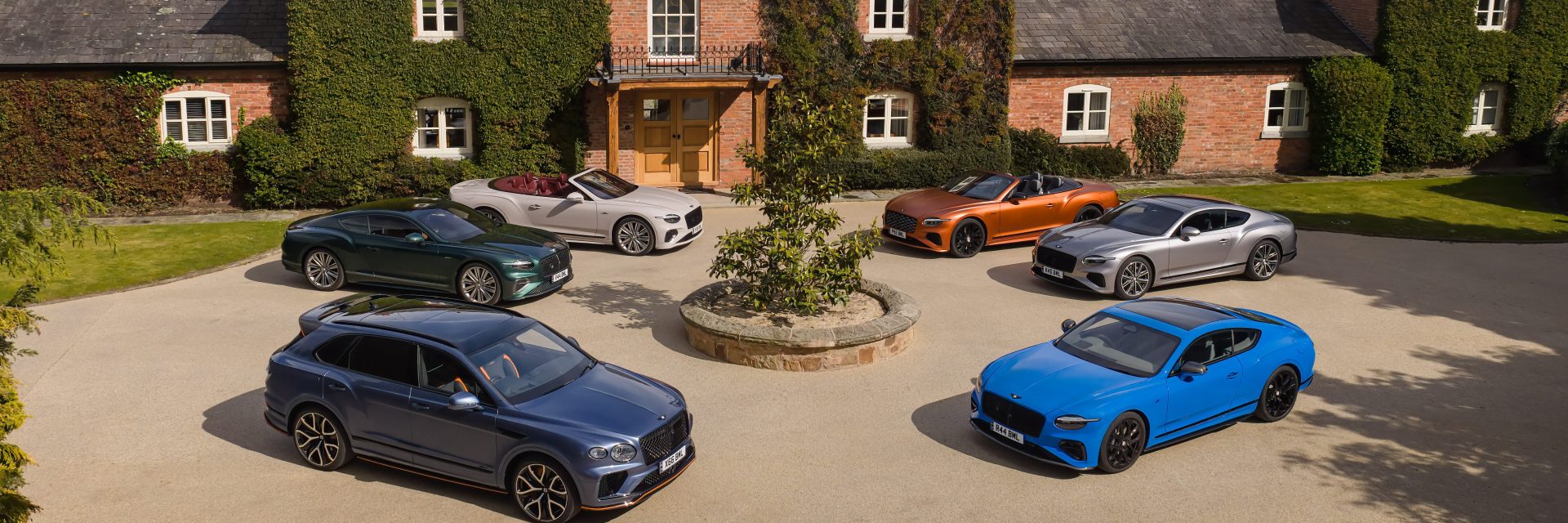
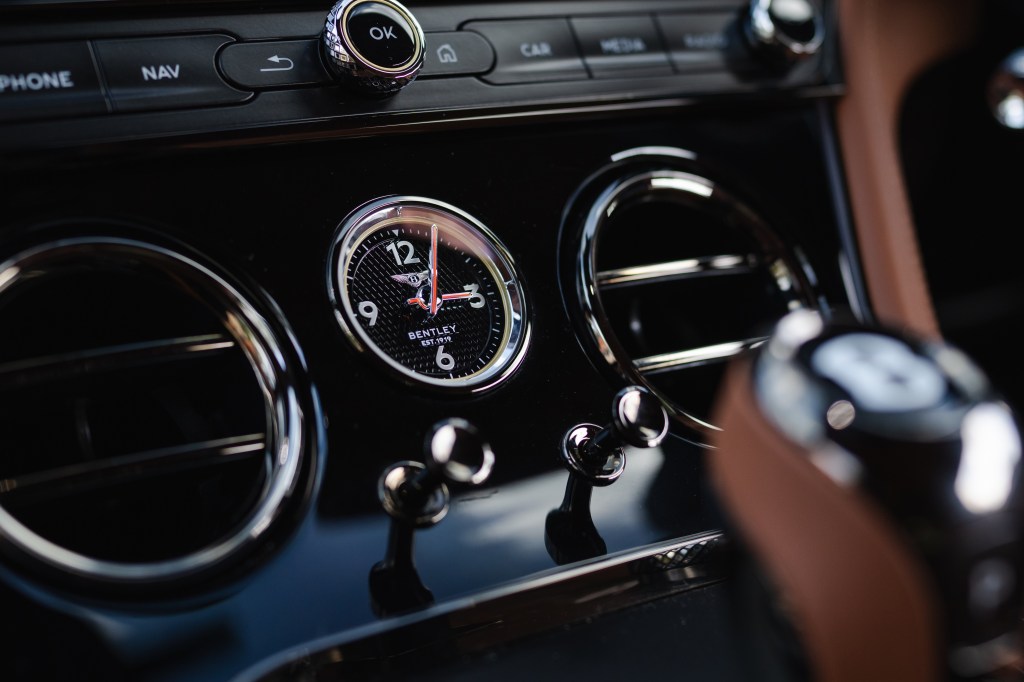
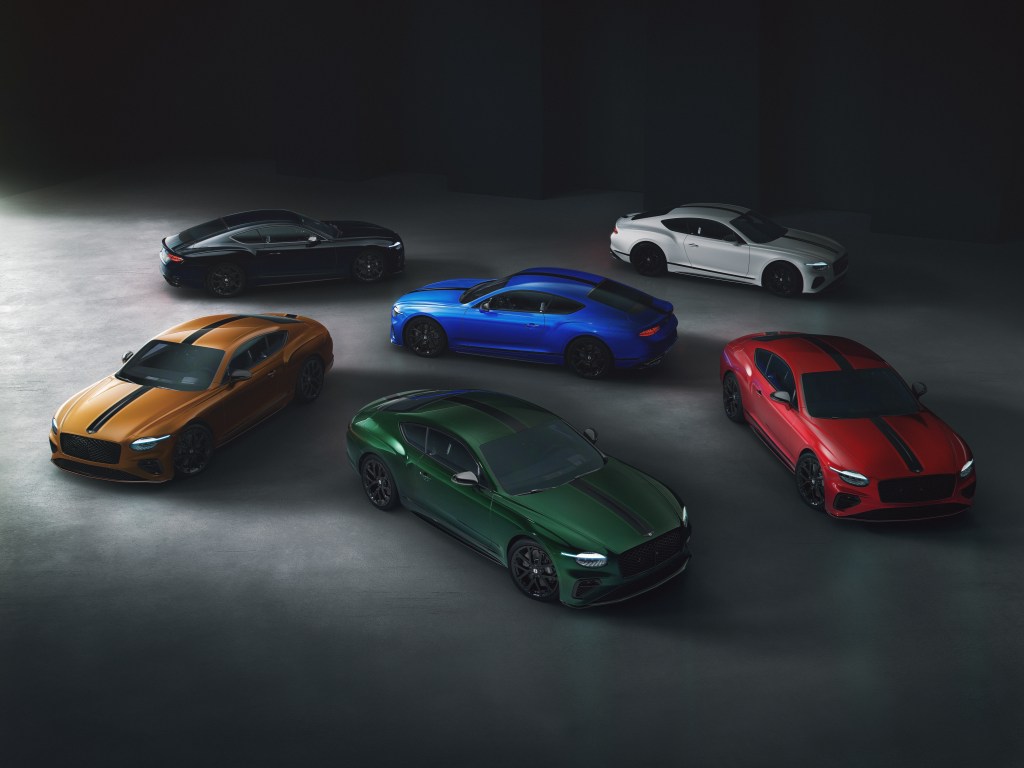
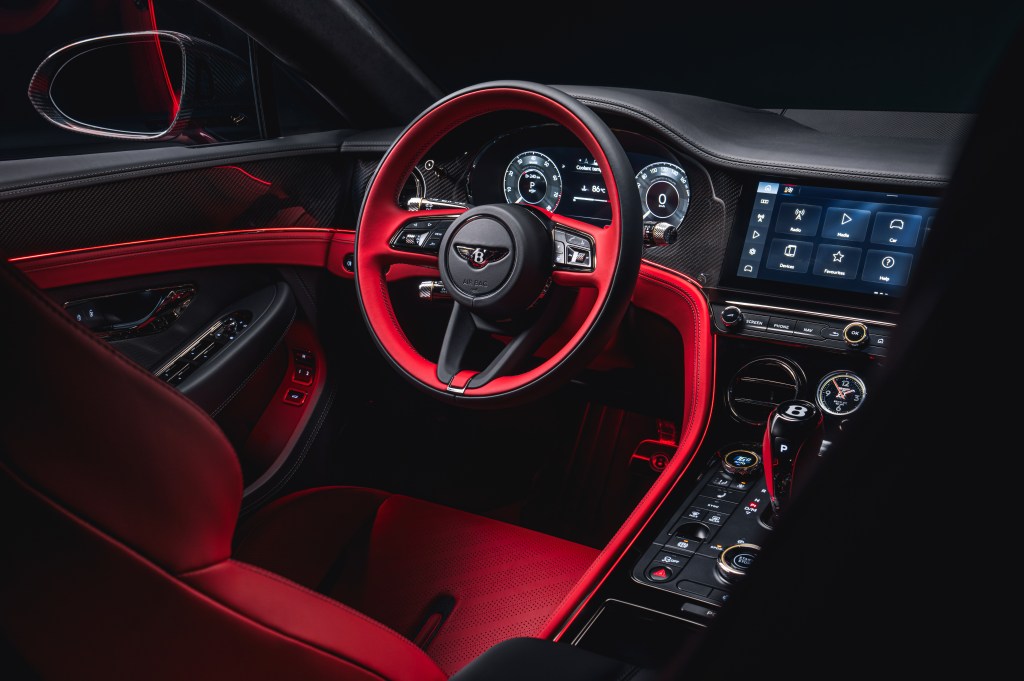
This is where Mulliner customers are invited to create a Bentley unlike any other, selecting every tiny detail, from paint and leather to veneer and stitching. Today, a Bentley can be configured in up to 46 billion different ways, and one in four now leaves Crewe carrying Mulliner bespoke options.
The Mulliner experience begins in the Wood Shop, where around £5 million worth of timber – enough for one month’s production – is stored. Sourced from around the world, including Australia, the collection ranges from traditional walnut to 5,500-year-old bog oak unearthed just outside Crewe, alongside stone veneer and carbon fibre finishes. Every piece is hand-selected.
The balance between technology and craftsmanship is seen in the leather workshop, where AI scans each hide to calculate the most efficient cutting pattern while minimising waste.
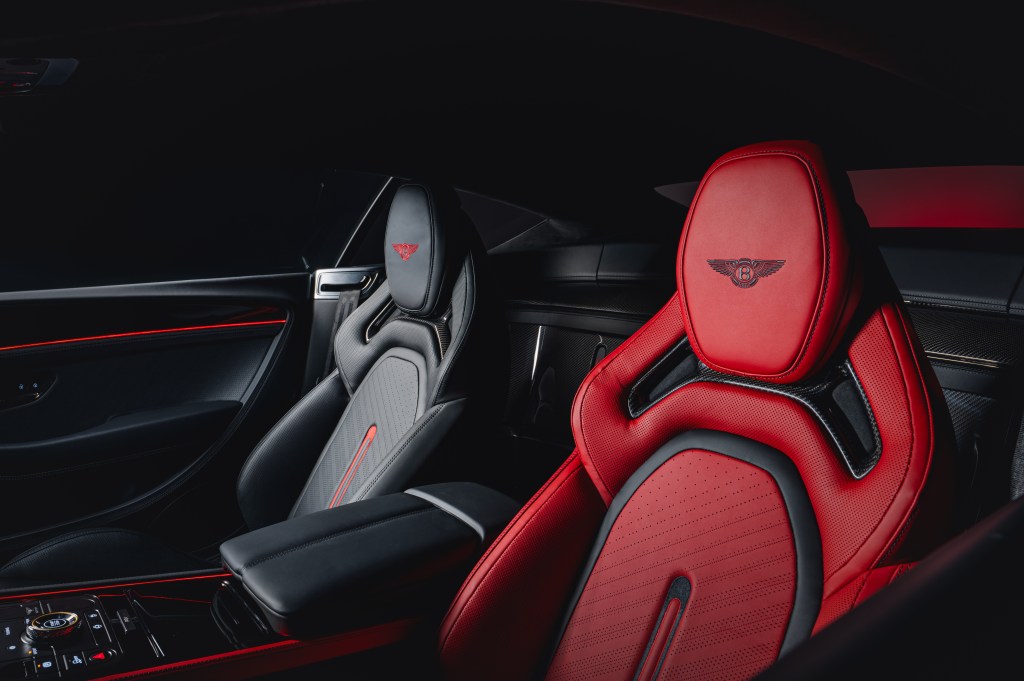
Beyond the leather-cutting area lie rows of skilled craftspeople – many of them women – carefully stitching together the leather that will wrap Bentley’s seats. Spools of multi-coloured thread line the factory floor, where customers can opt for intricate cross-stitching, every stitch completed by hand. In the entire production process, only two robots exist – named Romeo and Juliet.
Australia is one of the markets where the growth in personalisation is most visible, Bentley says, and is driven by an appetite for bespoke commissioning and growing interest from a younger cohort of buyers who grew up with a performance culture and are comfortable with technology.
“Some of the recent specifications I have seen, frankly, are unbelievable. Australian customers are willing to engage deeply with the bespoke process, to come to Crewe,
to spec and re-spec their cars two, three, four times before they take delivery,” Walliser says.
“While Australia may be small by volume, it is significant by what it tells us about where the luxury customer is heading – younger, more performance-oriented, more bespoke-engaged, more globally connected.”
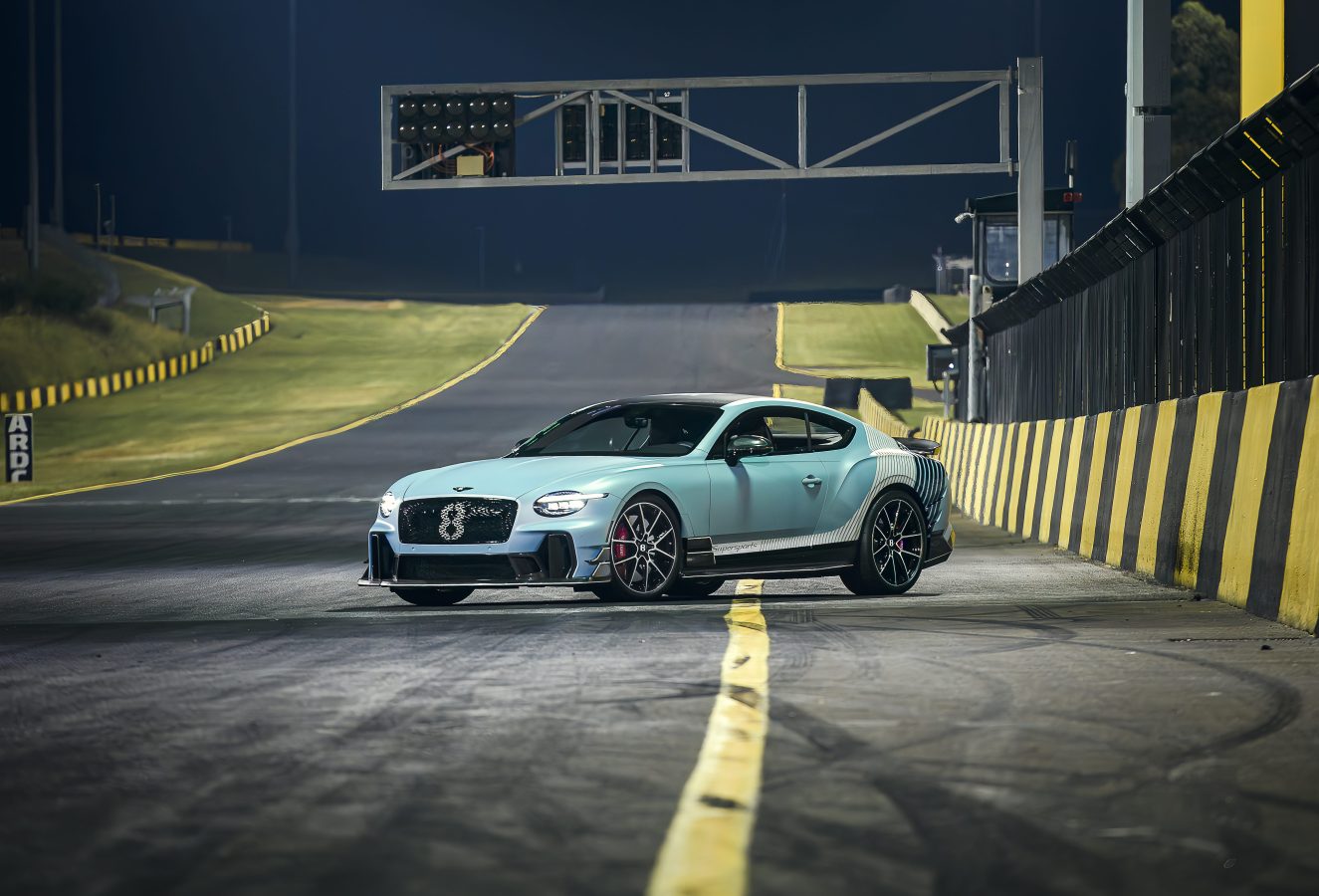
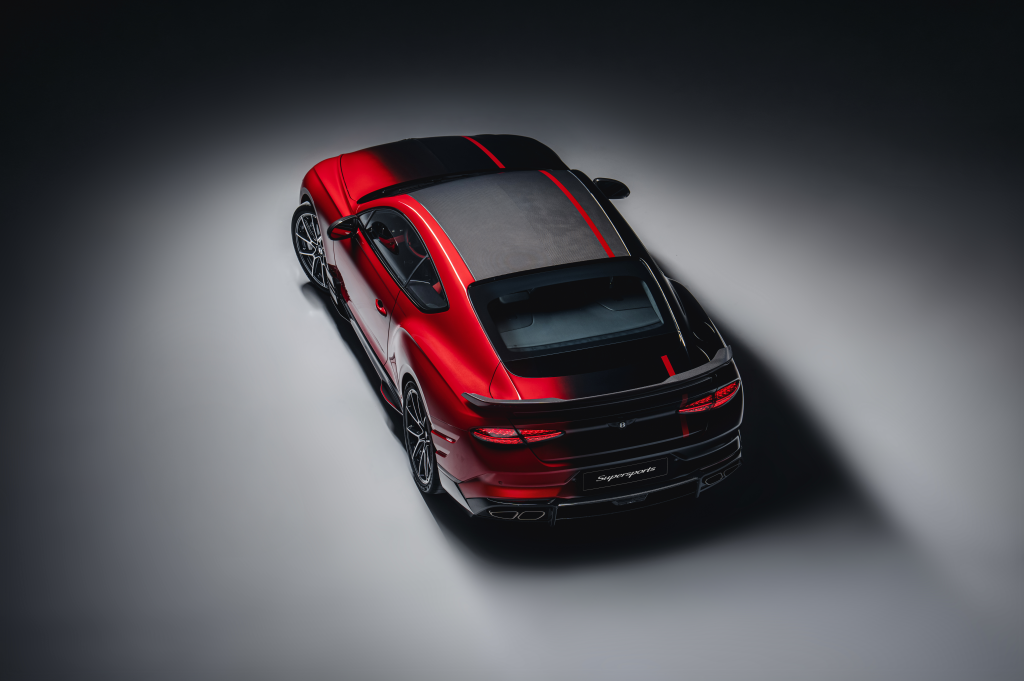
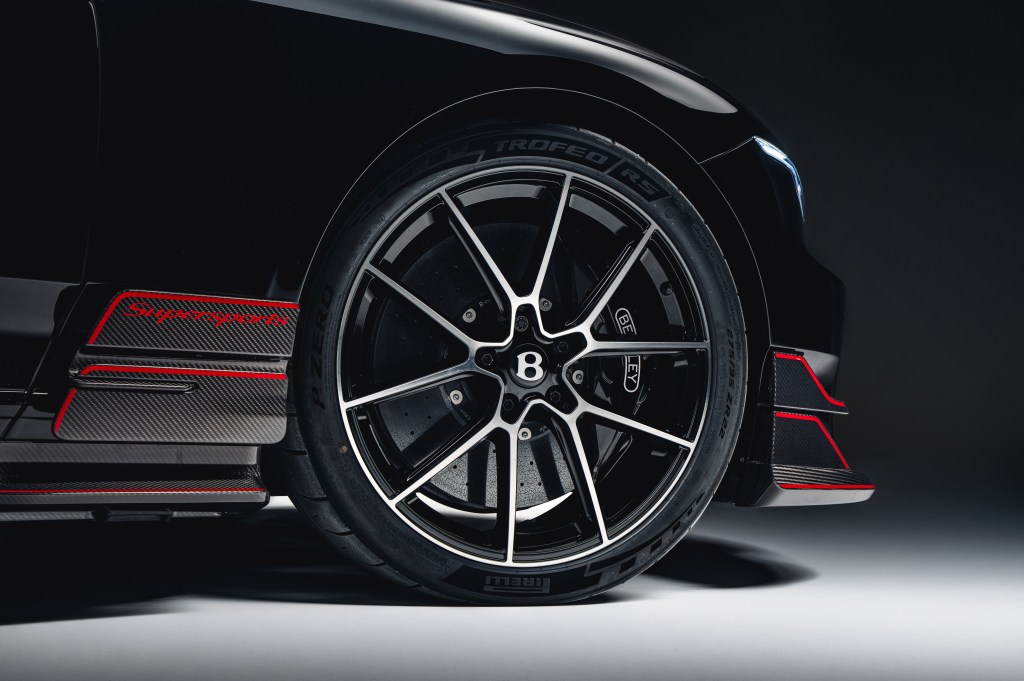
The recent Supersports launch made the point. Limited to 500 units, the most drive-focused Bentley ever built sold out within weeks, with customisation demand at levels the company had never seen.
The E Word
Mention electrification at Pyms Lane, and you can sense the hesitation.
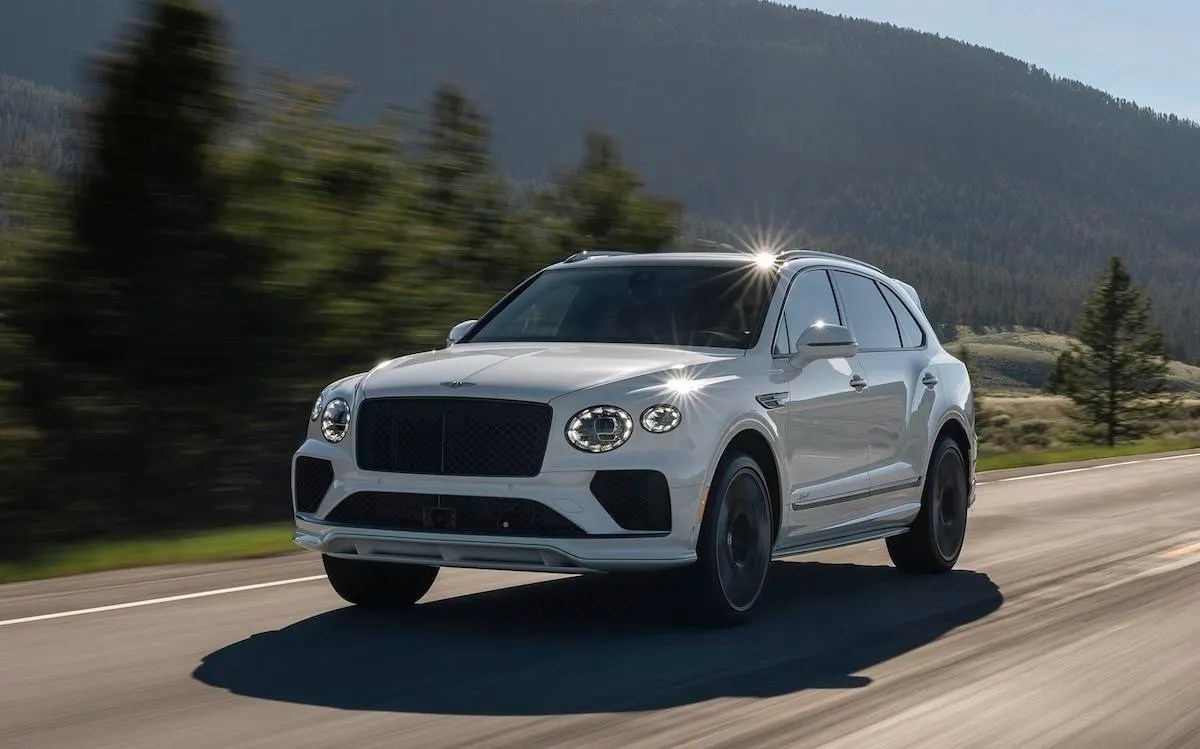
It’s no secret that Bentley purists still crave the purr of the recently retired W12, the 6.0-litre engine that gave the outgoing Bentayga Speed its unmistakable exhaust note. Its V8 successor is the most powerful Bentayga the company has ever built, and still, for a certain kind of owner, something is missing.
If a twelve-cylinder soundtrack can inspire that kind of mourning, what hope does silence have? It’s a question Walliser doesn’t dodge. Asked what differentiates a Bentley once engine performance is standardised and the engine note disappears; he calls it one of the biggest topics for the brand.
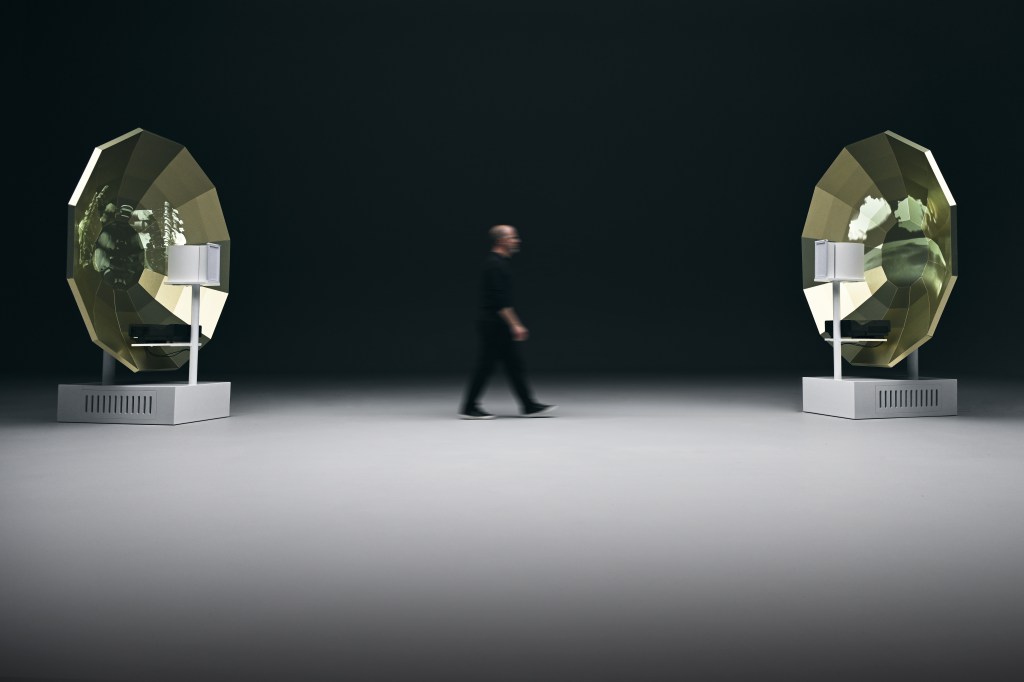
“It is all about sound,” he says. “From the experience we have gained with electric cars, we have discovered that sound supports natural driving behaviour because, at least for our generation, it is deeply embedded in our minds. You may not be consciously aware of it, but when it is missing, something feels strange.
“So we have made a bold decision: every Bentley will have sound. The electric car will also have a sound that fits the Bentley brand.”
There is a story behind the sound his engineers have landed on, he teases, but it’s too early to tell it. “Sound is important. Vibration is important too, although vibration is a little more difficult to recreate.”
On the other side of the campus sits what was until recently a highly secret EV factory, alongside the upgraded Bentley Manufacturing System.
Walliser makes no apologies for pushing Bentley’s all-electric horizon from 2030 to beyond 2035. The entire industry, he argues, misjudged the timing and the willingness of customers to move to EVs – and the economic environment, regulation across different markets and the pace of adoption all put the brakes on the original Beyond100+ plan.
“The misjudgement of the tipping point has cost the global automotive industry around US$100 billion – and we studied that lesson carefully,” he says. “The responsible answer to that, for a brand that sells fewer than 11,000 cars a year and depends entirely on customer trust, is to extend the runway and stop forcing a timeline.
Hybrid demand remains strong, and Bentley will offer hybrid powertrains until at least 2035 while continuing to introduce internal combustion models where market and regulation allow.
“That is a direct response to what we hear from our customers, and we do not apologise for it. Choice is the strategy.”
Still, the brand-defining moment arrives at the end of September with the launch of Bentley’s first electric vehicle. Walliser is careful to frame it as an addition to the fleet, never a replacement.
“No one today who prefers a Bentayga with a V8 will be forced into a new car,” he says. “We remain committed to reducing CO2 emissions – that is important – but we also have to consider customer choice.”
The Fleet
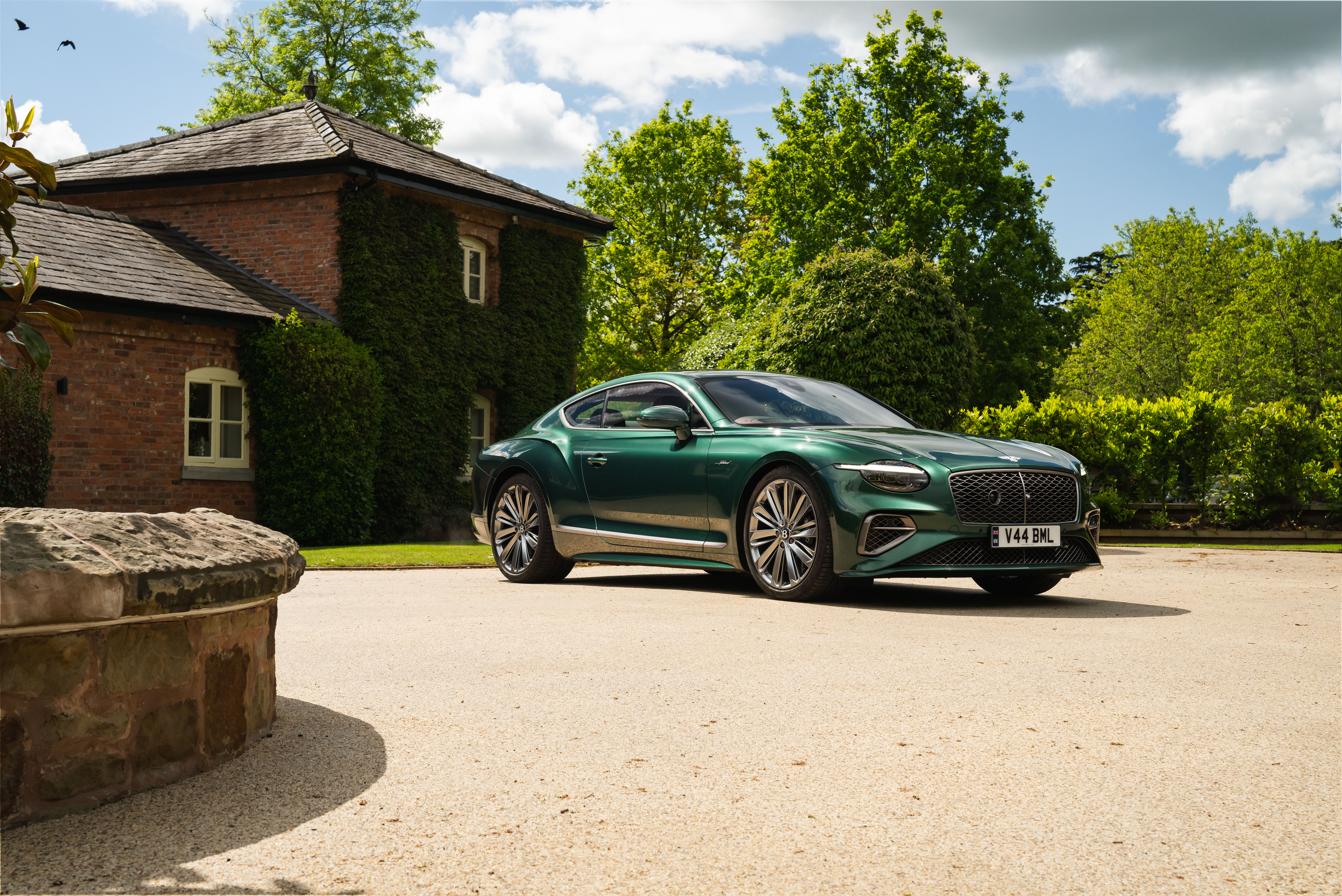
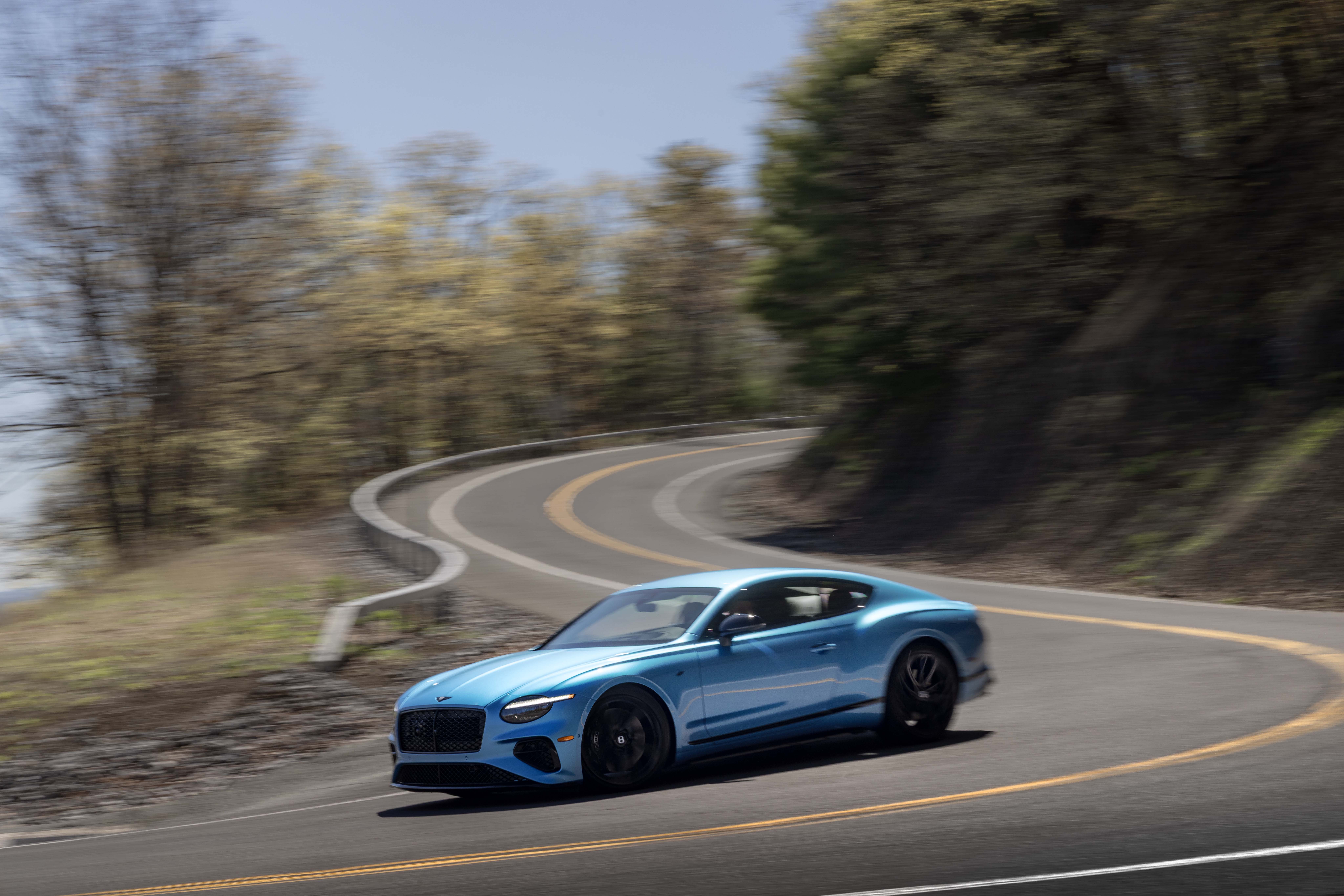
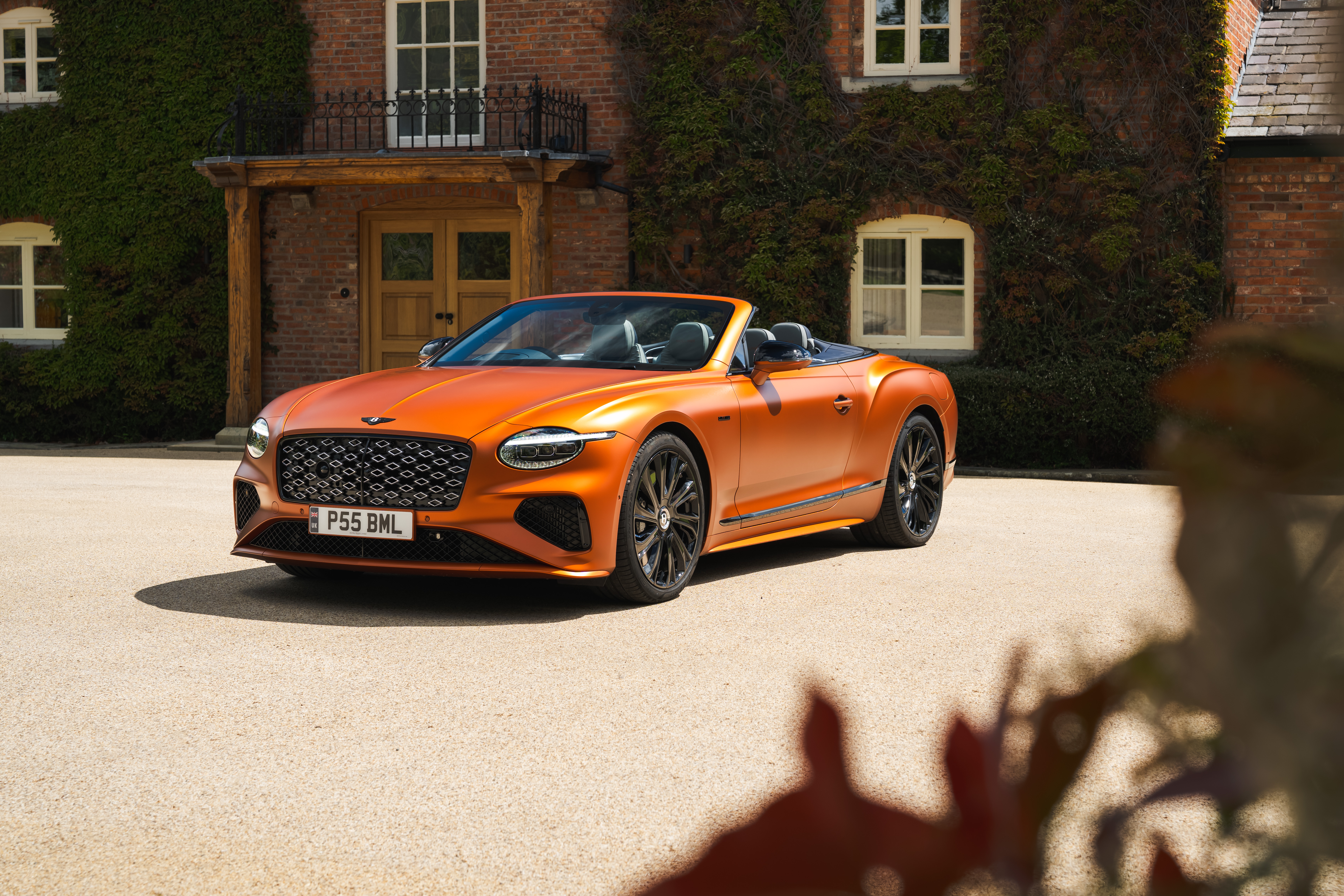
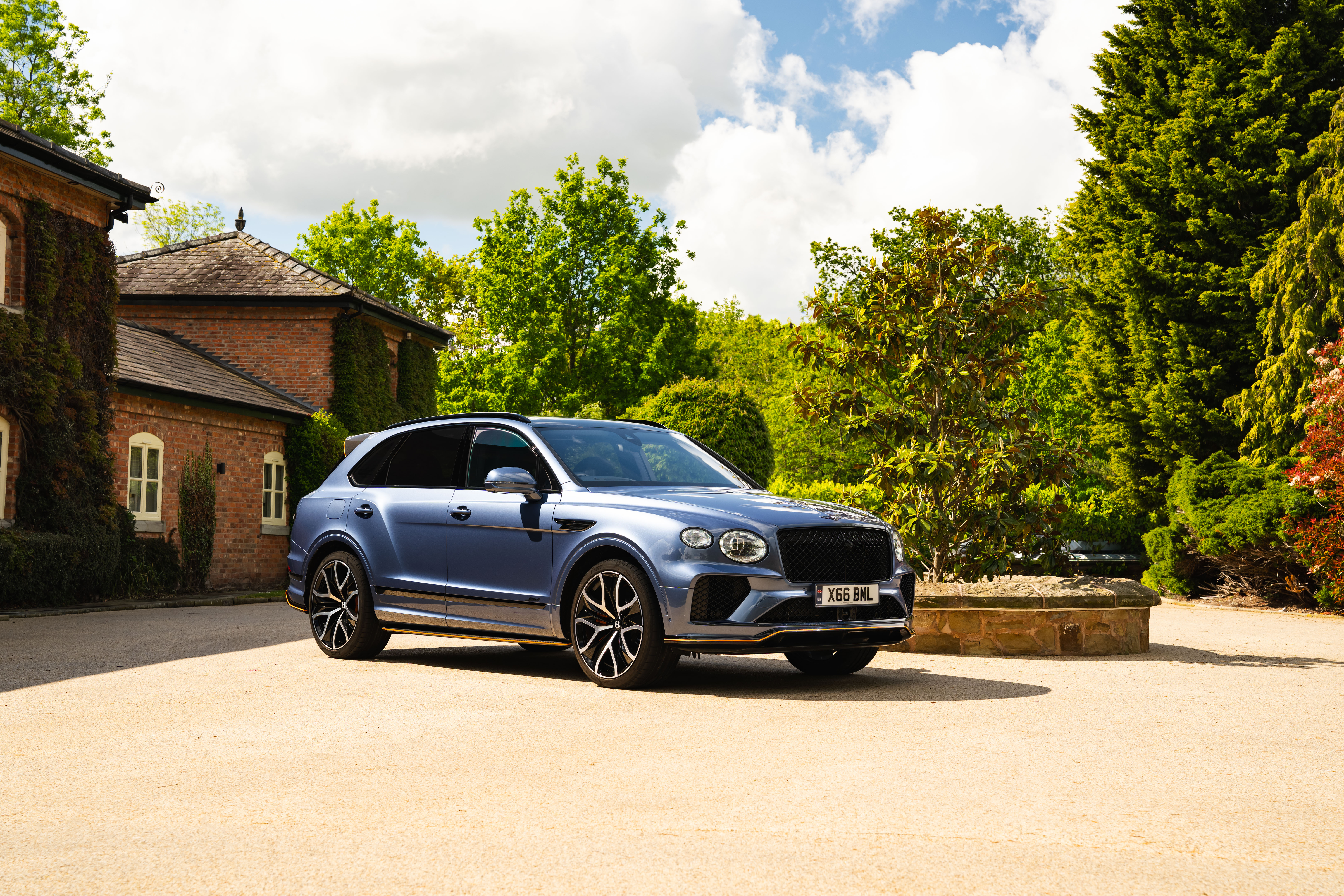
Two-door coupe
Continental GT Speed
Bentley’s most powerful road car yet, blending a 575 kW Ultra Performance Hybrid V8 with grand touring pace.
From A$597,000 GT range from A$499,000
All prices are recommended retail and exclude options, stamp duty, and local charges.
Learn more at bentleymotors.com
Want to see more Forbes articles on your feed? Tap here to make Forbes Australia a preferred source on Google.
Look back on the week that was with hand-picked articles from Australia and around the world. Sign up to the Forbes Australia newsletter here or become a member here.