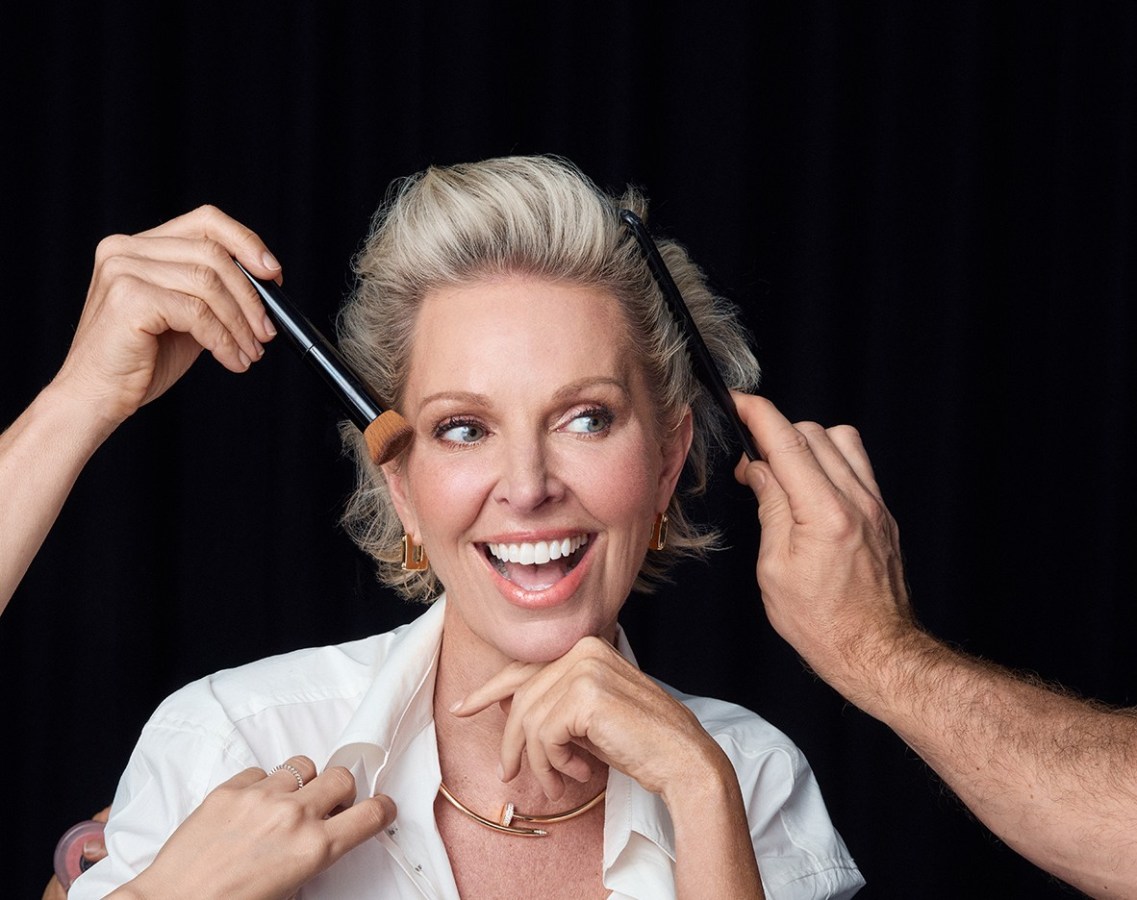
Founded in 2012, Alex Fevola’s Runway Room has over 150 cosmetic product SKUs, a brick-and-mortar footprint in Victoria, and a Myer beauty counter presence in five states. Australian sales are up 125 per cent year on year, Fevola says, and expansion into NZ is imminent.
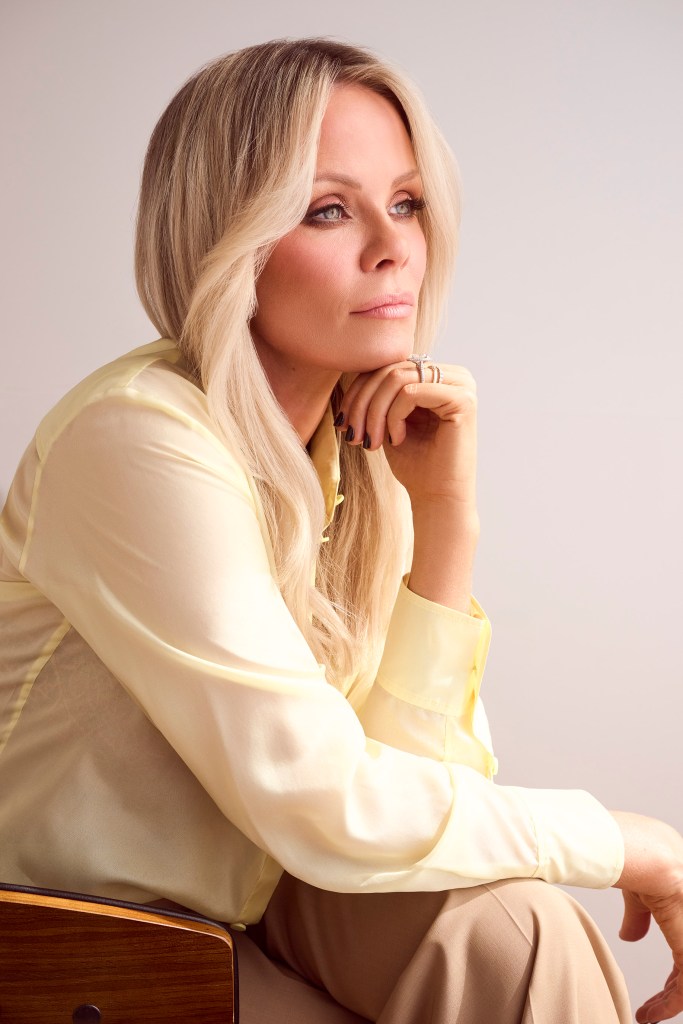
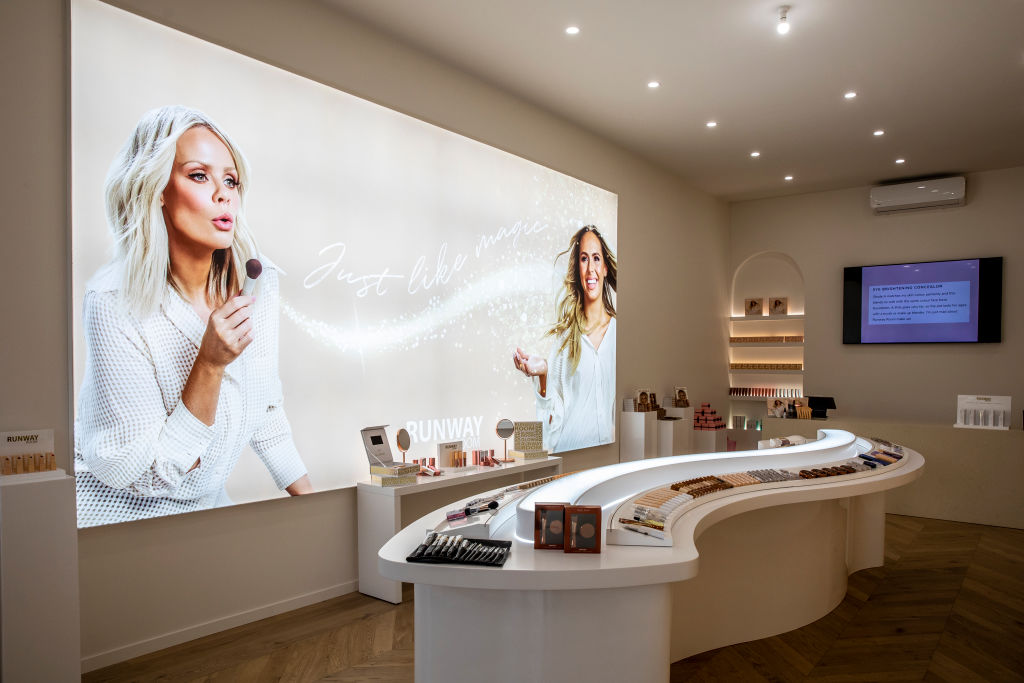
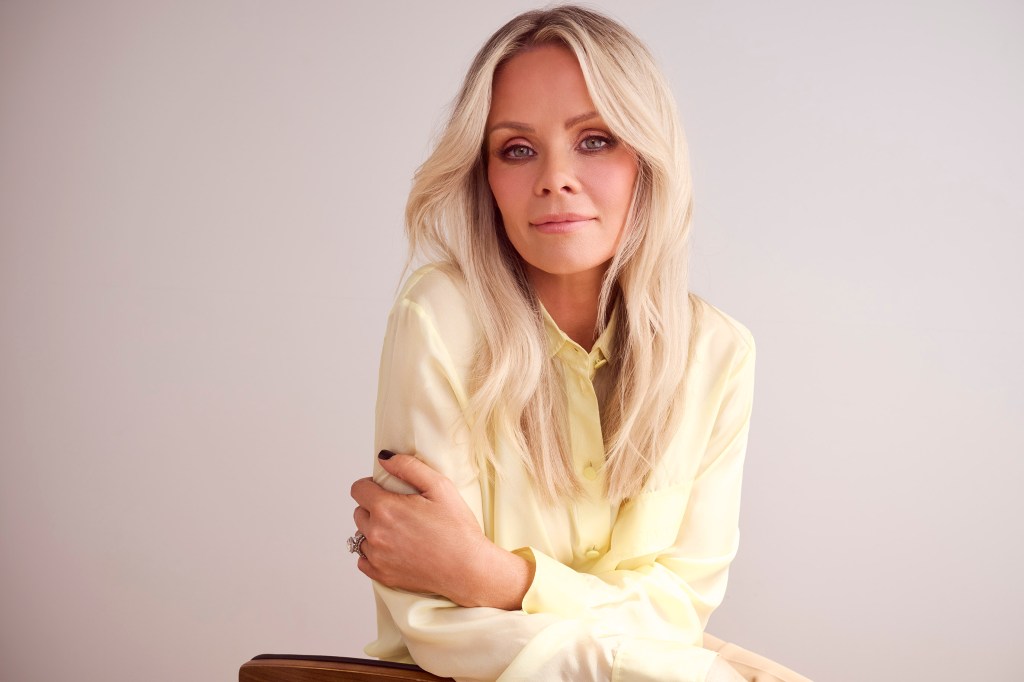
The heavy grey storm clouds mute the shopfront windows on Armadale’s upscale High Street, but inside Runway Room the mood is bright and polished. Alex Fevola, wearing white, moves with practiced ease around the director’s chair, applying her signature base to my face under lighting calibrated for makeup precision.
Long before building a national cosmetics brand and walking red carpets alongside her husband – former AFL player Brendan Fevola – Alex was busy behind the camera, running a photography and portrait business in the coastal enclave of Beaumaris.
She started that business at just 22, as a new mum recovering from a series of postpartum events, including the suicide of the father of her daughter, Mia, and a retained placenta, subsequent hemorrhage, perforated bowel and sepsis.
It was in her darkest hours that Fevola became determined to set her life on an upward trajectory.
“That time of recovering from the colostomy – months and months of recovery – was when I wrote the business plan for my own studio,” Fevola says reflectively. Her ambition became the light at the end of the tunnel, giving her hope and something to strive for in an industry she understood.
“I had worked with other photographers, and I was self-taught. I bought myself a camera, and I researched.”
A decade into founding Globe Photography, Fevola pivoted, having identified a recurring pattern: her photography clients valued professional makeup application and frequently asked to hire her for weekend events. It was the early 2010s, long before the boom of celebrity cosmetic lines, when the entrepreneur set out to fill the gap she had found in the beauty market.
Runway Room was founded in the bayside Melbourne suburb of Hampton, offering makeup services to the area’s well-to-do clientele. The name came from Fevola’s previous business.
“At Globe Photography we had a runway down the centre of the back room, and that’s where we used to do kids’ parties,” Fevola tells me. “I used to say to the kids, ‘let’s go to the room with the runway in it.’ It was about getting runway ready and bringing that to the average person.”
Growing Runway beyond one room
While husband Brendan, who had recently retired from the AFL, managed full-time parenting duties, Fevola worked up to seven days a week to establish the business. As Runway Room’s physical footprint expanded throughout Victoria, she worked on developing a proprietary product line.
To maintain control over quality and margins, Fevola committed to local manufacturing, a premise that holds to this day. Building that supply chain involved consulting a pharmaceutical scientist to navigate cosmetic chemistry. Together, they established a formulation standard that excluded PFAS.
“It’s a forever chemical that builds up in your body, and you can never get rid of it,” Fevola explains of the importance of excluding PFAs.
The fact that people aren’t knowing what they put on their face is mind-boggling to me. I wanted to make sure that we had all of those boxes ticked before we started to grow.
Alex Fevola
Founder, Runway Room
That growth shied away from rapid expansion or franchising, in favour of adopting a slow-scaling model. Nailing the brand DNA – oriented around cruelty-free testing standards and mineral pigments to eliminate the heavy talc found in traditional cosmetics – has been more important to Fevola.
It has also enabled Runway Room to appeal to a broad demographic.
“When I say ageless, we really do hit every decade,” Fevola says. “We have clients from the ages of 15, 16, and lots of school formals. And then we have late 20s, 30s, right through to middle-aged women. The products needed to not be specific to me. I need them to work on a young face and also on older skin.”
The competitive landscape and the economics of the beauty counter
In a crowded market flooded with digital-first indie brands and celebrity-backed lines, Fevola’s model anchors sales of her more than 150 products via physical touchpoints. It’s a bet that tactile, service-led retail will win against less personalised digital competitors, and that consumer demand for clean formulations and local indie brands will grow.
Runway Room operates within Australia’s $13.2 billion beauty and personal care sector, which is projected to grow at around 5.7 per cent CAGR over the next decade. The industry is dominated by multi-brand stockists like Mecca, which lean heavily into the discovery and experimentation of global prestige labels.
Just a four-minute walk from the Mecca Armadale store that opened in 2016, Runway Room also has a brick-and-mortar presence in Sorrento on the Mornington Peninsula, as well as partnerships inside Myer department stores nationally. Its beauty counter in the Myer Emporium beauty hall in Melbourne’s CBD consistently ranks top three in weekly cosmetic sales, Fevola says.
A central driver of the brand’s success is the $79 professional makeover that Runway Room offers, which is fully abated if a customer buys a product worth more than that.
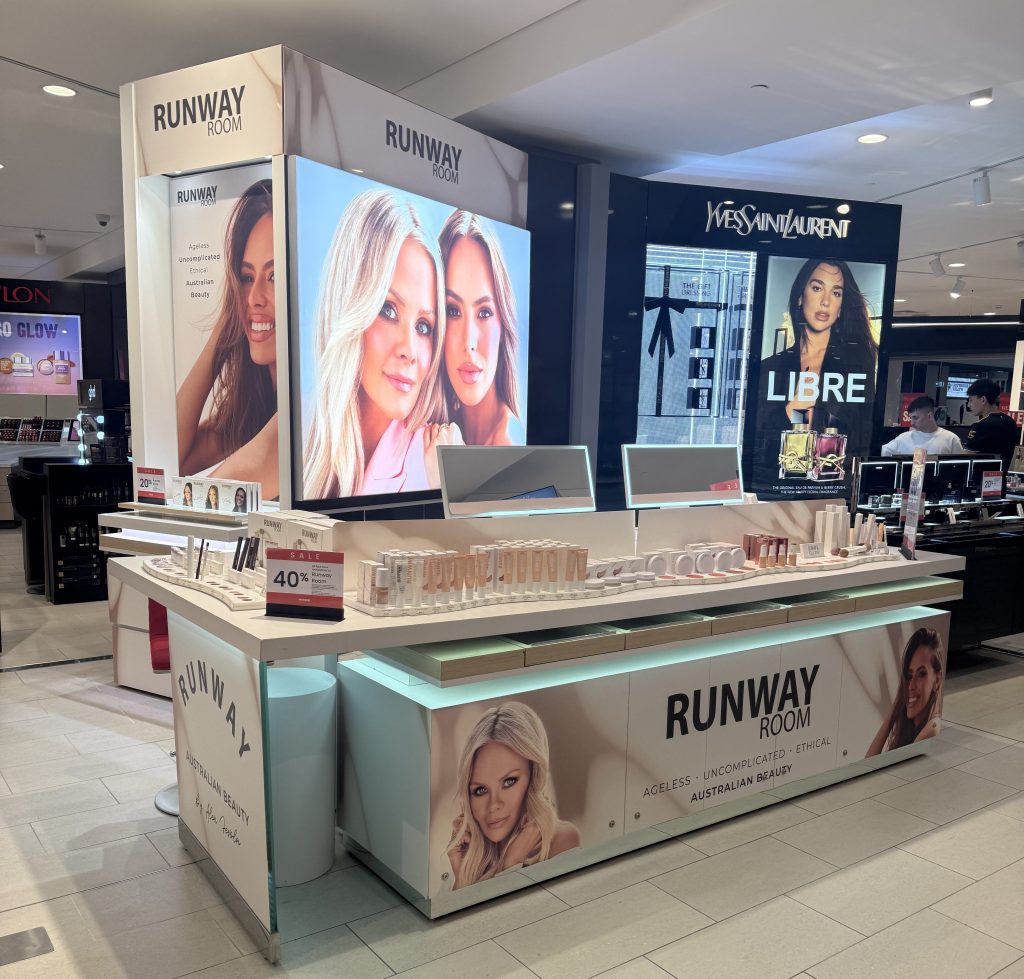
“The key is our staff,” Fevola says, gesturing toward the team working nearby. “If we just put our product on a shelf, there is no hope. But as soon as we get it on somebody’s face, they buy it. That’s the key to success within the retail environment – going back to the old-fashioned beauty counter service.”
Tapping into customer desires to be pampered, heard and feel confident for an outing, also provides solutions for today’s increasingly digitised world.
“Our business is uniquely resilient to AI disruption because beauty is inherently human.”
Alex Fevola
“We create products people will continue to use, while our hands-on services rely on real human connection, skill and the physical experience of applying beauty to real people.”
Building the brand and family legacy
Fevola has largely bootstrapped Runway Room’s growth, taking on minor outside capital in 2019 for a packaging rebrand. Avoiding major investment has preserved her creative control, though she notes that planned international expansion into the UK may eventually require an injection of capital.
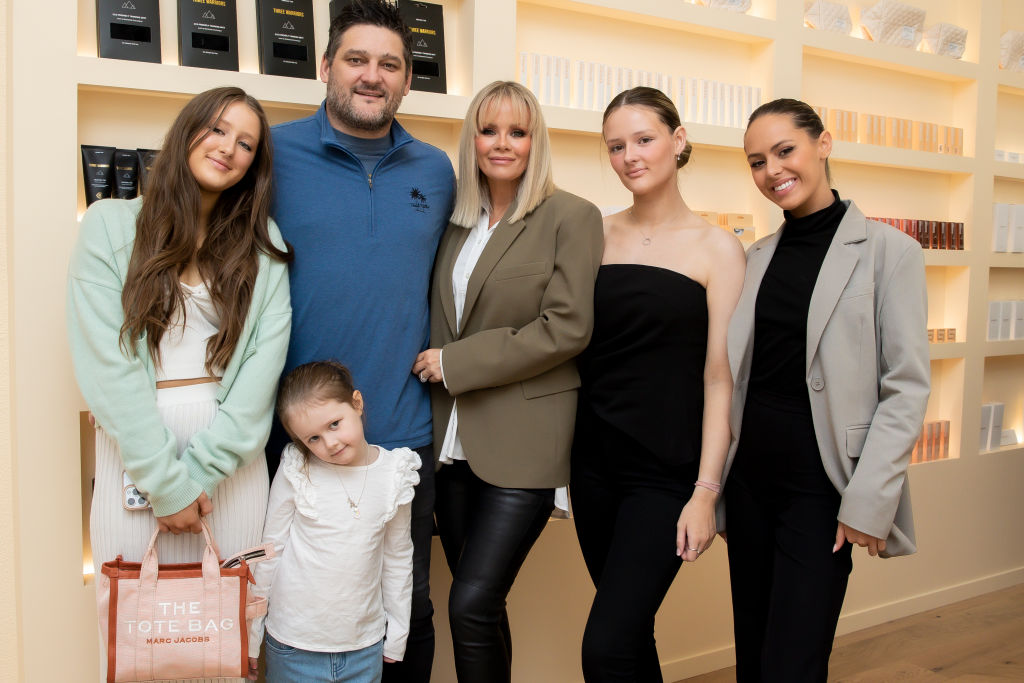
These days, the Fevola daughters, two of whom are teenagers, also help run Runway Room’s day-to-day operations. Mia, now 26, was helping customers in the Armadale shop when I visited, and 16-year-old Lulu manages the brand’s digital marketing and TikTok strategy.
As Fevola puts the finishing touches on my face and adjusts the camera that is capturing the day’s work that will later be put on social media, I lean forward to get a glimpse of my made-up reflection in the mirror. The application is seamless, weightless, and precisely matched. Fevola beams and points to her hands-on background as the ultimate differentiator in a crowded market.
“I am a makeup artist, and I’ve been doing it my whole life,” she says with pride. “This is not just something I decided to do to make money. I’ve painted thousands of faces, and an advantage of that is getting direct customer feedback on the products.”
If you or someone you know is going through a difficult time, please know that you don’t have to carry it alone. There are people who care and want to support you right now. Please reach out to someone who can help:
Lifeline Australia: Call or text 13 11 14 (available 24/7)
Kids Helpline: Call 1800 55 1800 or chat online at kidshelpline.com.au (for ages 5 to 25)
Beyond Blue: Call 1300 22 4636 or visit beyondblue.org.au
Want to see more Forbes articles on your feed? Tap here to make Forbes Australia a preferred source on Google.
Look back on the week that was with hand-picked articles from Australia and around the world. Sign up to the Forbes Australia newsletter here or become a member here.