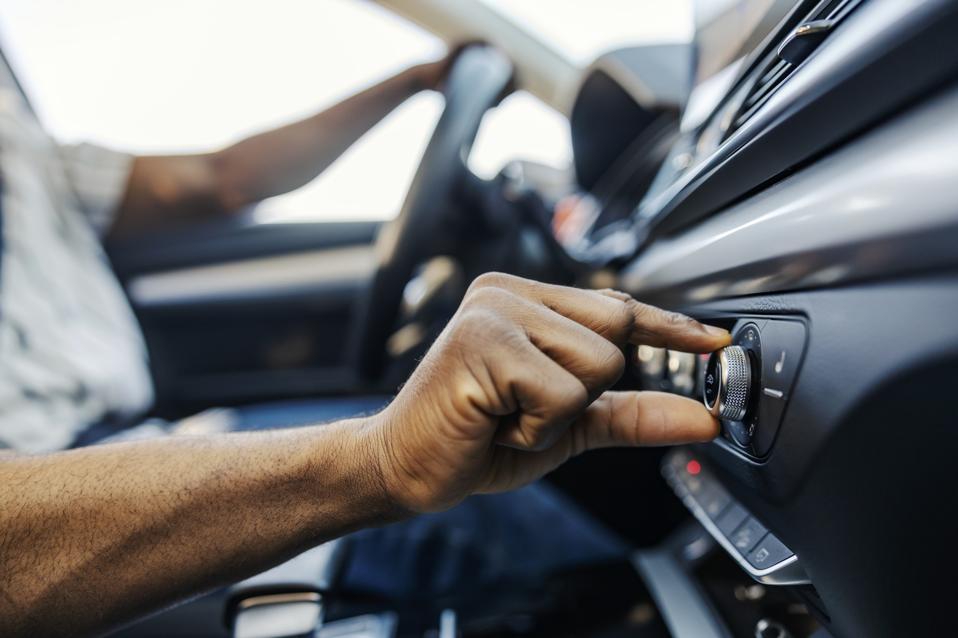
Volume knobs, once nearly extinct, are popping back up. Brands are quietly reintroducing physical knobs, often framing it as “improved usability”.
Touchscreens were supposed to be the great simplifier, the wave of the driving future.
One smooth pane of glass to rule climate, audio, navigation, seat settings, drive modes and even the glove compartment. (2025 Cadillac Escalade electric.)
So buttons were banished and knobs were exiled. A Tesla was like a tablet with wheels. Even something as basic as turning on heated seats in some cases involve menus, submenus, and tiny icons. It’s not just annoying. It’s distracting in a way physical controls rarely are.
But automakers are beginning to acknowledge what drivers already know, and the pendulum is swinging back.
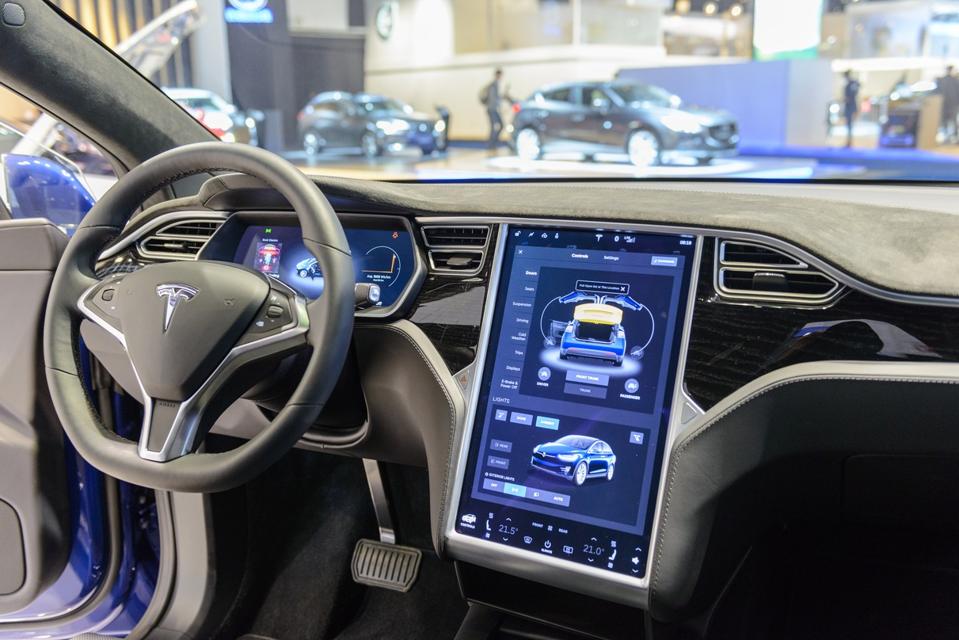
Luxurious interior on a Tesla Model X 90D
Getty
Climate controls are reappearing as buttons or toggles. Volume knobs, once nearly extinct, are popping back up. Brands are quietly reintroducing physical knobs, often framing it as “improved usability” rather than an admission that the experiment went too far.
Why is this a good thing? First, tech gets obsolete quickly, while knobs don’t. In a year or two, your software will need to be updated. Knobs don’t give you laggy menus, glitchy interfaces or simply quit like a laptop while you’re driving, as has happened to this writer, and you too, probably. A good button, on the other hand, works the same on day one and year ten.
Also, physical buttons and knobs give your fingers landmarks. Knobs are round and offer resistance, rocker switches have a distinct click, and hazard buttons are usually raised and centered. After a week or two in a car, most people can reach over, find what they need by feel, and adjust the volume or temperature without looking away from the road. That never happens on a touch screen. You physically have to look.
So the humble knob is staging a quiet comeback. Not as nostalgia, but as necessity. In the end, the best interface in a car isn’t the flashiest one. It’s the one you don’t have to think about at 65 miles an hour.
Here’s a small lineup of brands actively backing away from all-touch interiors and bringing buttons back.
Volkswagen
Future VWs are getting physical controls for the big five – volume, climate, fan, seat heat, hazards. And not just one model – it’s all of them.
Hyundai and Kia
They ran user testing and people were “stressed, annoyed, and steamed” using touchscreen-only systems. Newer models like Santa Fe and Santa Cruz are bringing back knobs and buttons for climate and audio.
Mercedes-Benz
The brand still loves giant screens, but is now reintroducing physical controls on steering wheels and key functions. Even their own execs admit buttons work better.
Porsche
Newer interiors are restoring physical controls for climate, volume, and drive modes after customer input.
Audi
They’re backing away from “capacitive sliders” and moving toward more tactile interfaces in upcoming models, like the next-gen e-tron lineup.
Subaru
They’re bringing back physical knobs and buttons in vehicles like the newer Outback, after flirting with touchscreen dominance.
Ferrari
The legendary supercar company is restoring physical inputs for core functions.
This story was originally published on forbes.com and all figures are in USD.
Want to see more Forbes articles on your feed? Tap here to make Forbes Australia a preferred source on Google.
Look back on the week that was with hand-picked articles from Australia and around the world. Sign up to the Forbes Australia newsletter here or become a member here.