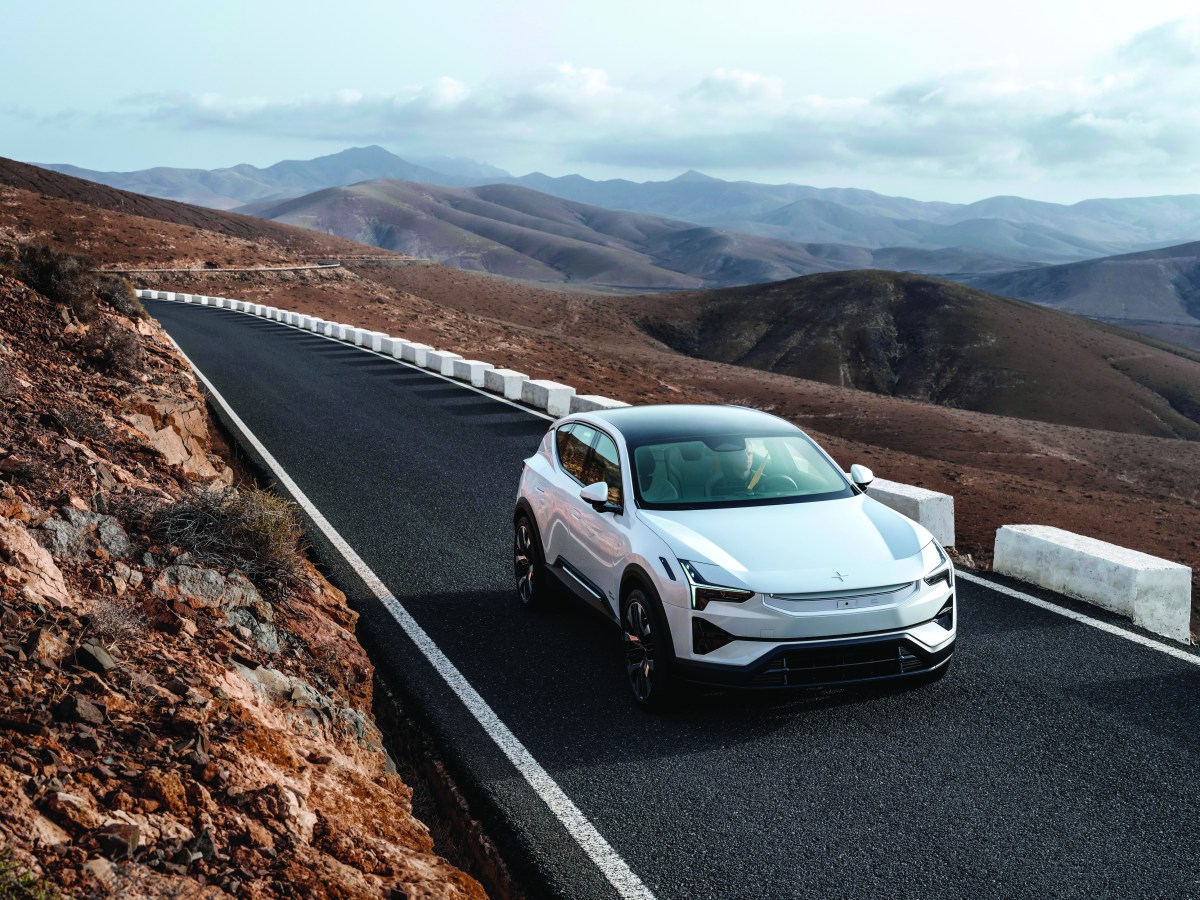
EV sales in Australia are no longer skyrocketing. The numbers are still climbing, but at a much slower pace—just a modest 4.7% growth in 2024 to 91,292 units sold. While Tesla still leads, its dominance is slipping as Chinese brands like BYD and MG ramp up. So what were the best-sellers in 2024?
Key Takeaways
- 91,292 EVs were sold in 2024, marking a 4.7% increase year-on-year.
- Tesla leads the market, but its sales dropped 16.9% to 38,347 units.
- Chinese brands like BYD and MG saw major growth, with the MG4 selling 6,934 units and delivering a blow to Tesla’s recent dominance.
- BMW climbed into fourth place after sales skyrocketed by 160.4% thanks to strategic pricing, while other luxury brands dipping their toe in the EV market struggled.
- Plug-in hybrid (PHEV) and hybrid vehicle sales surged, with PHEVs doubling to 23,163 units sold and hybrid sales rising 76% to 172,696 units.
- The Australian Government introduced new measures to boost EV adoption, including a $150 million low-interest loan scheme for essential workers. However, industry leaders like the FCAI say it’s not nearly enough.
Tesla’s dominance dips amid Chinese surge
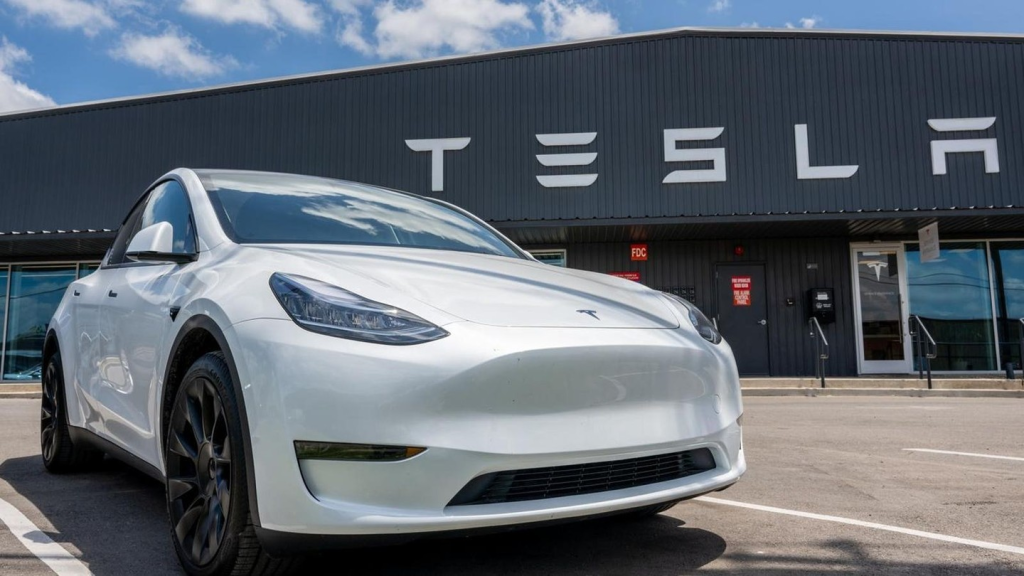
Tesla remained the top-selling EV brand in Australia in 2024, but it faced a 16.9% decline in sales, delivering 38,347 vehicles, according to data from the Federal Chamber of Automotive Industries and the Electric Vehicle Council.
The company’s market share dropped from 53% in 2023 to 42%. Tesla’s Model Y remained the best-selling EV in Australia with 21,253 units sold, followed by the Model 3 with 17,094 units. But despite price cuts of up to $9,500, competition from new entrants and more affordable models delivered a blow to Elon Musk’s EV juggernaut.
And if you thought you’ve noticed a few more BYD’s on the road in the last 12 months, you’re not wrong. The Chinese automaker sold 14,260 vehicles for a 14.6% year-on-year increase, while MG Motors recorded 8,239 sales, up 39% from the previous year.
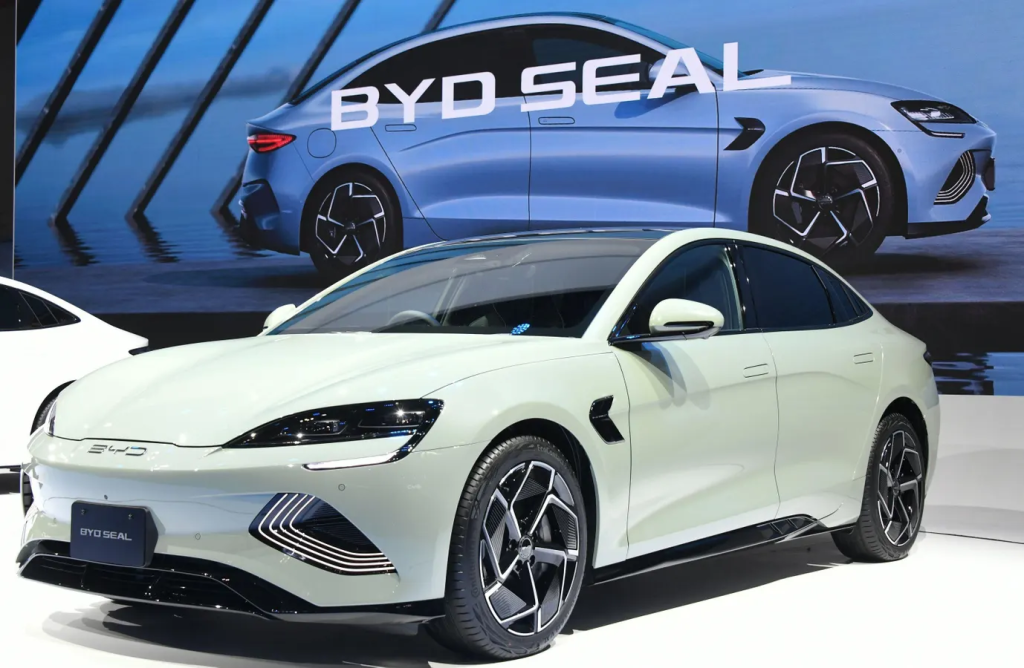
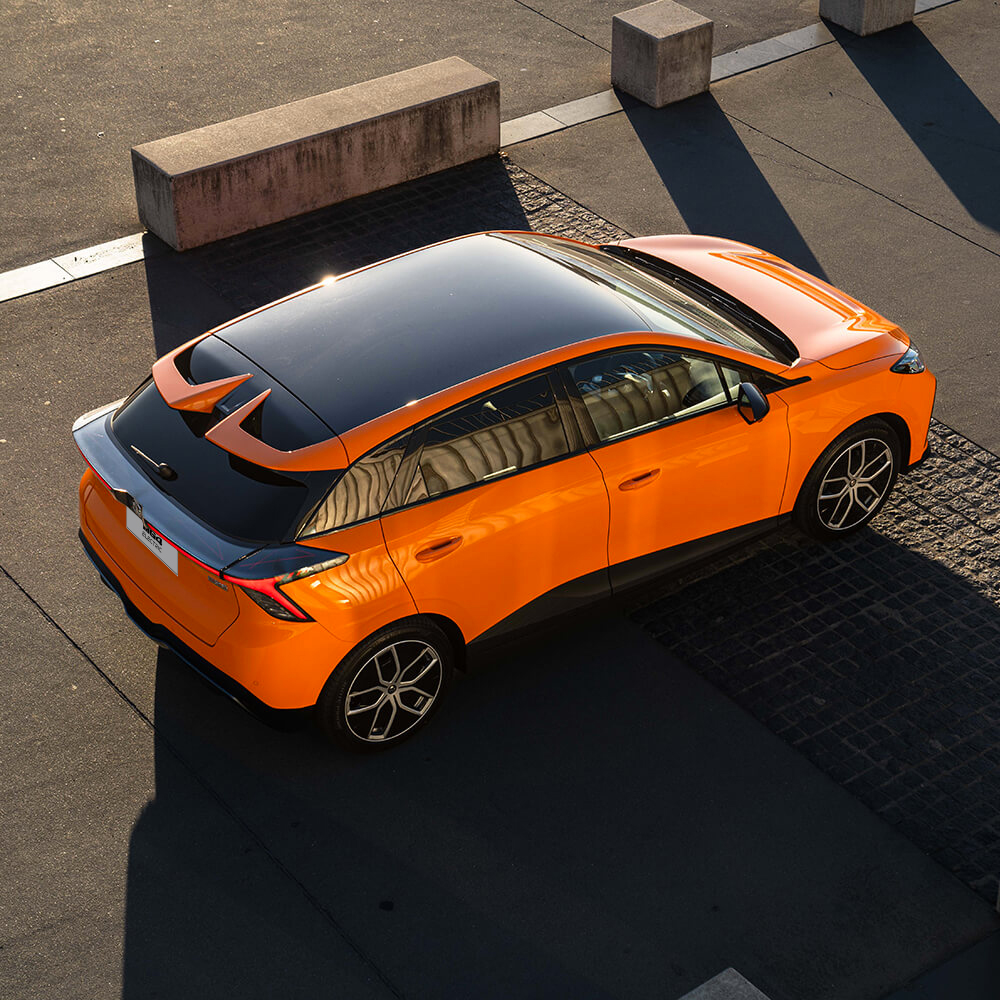
The MG4 also became one of the best-selling EVs in Australia, with 6,934 units sold, edging out the BYD Seal.
What about the luxury brands?
Luxury automakers saw mixed results for 2024. BMW emerged as the standout, increasing its EV sales by 160.4% to 7,787 units. The brand benefited from keeping several models under the Luxury Car Tax (LCT) threshold of $89,332, making them more attractive to buyers. Audi also saw a 15% YoY increase.
In contrast, brands like Polestar, Porsche and Mercedes-Benz all struggled. Polestar saw a 30.3% drop in sales, while Porsche (32.7%) and Mercedes-Benz (18.4%) also saw a decline in EV sales last year.
What were Australia’s best selling EV Brands of 2024?
Rank | Brand | Total EV Sales | Year-on-Year Change |
|---|---|---|---|
1 | Tesla | 38,347 | -16.9% |
2 | BYD | 14,260 | +14.6% |
3 | MG | 8,239 | +39.0% |
4 | BMW | 7,787 | +160.4% |
5 | Volvo | 3,862 | -2.2% |
6 | Kia | 3,610 | +18.8% |
7 | Hyundai | 2,689 | +11.3% |
8 | Mercedes-Benz | 2,603 | -18.4% |
9 | Polestar | 1,713 | -30.3% |
10 | GWM | 1,225 | +132.9% |
11 | Mini | 1,125 | +104.1% |
12 | Toyota | 977 | – |
13 | Ford | 742 | +562.5% |
14 | Audi | 620 | +15.0% |
15 | Cupra | 465 | -47.6% |
16 | Subaru | 386 | – |
17 | Porsche | 360 | -32.7% |
18 | Nissan | 357 | -26.2% |
19 | Renault | 330 | +1471.4% |
20 | Peugeot | 310 | +142.2% |
What were Australia’s best selling EV models of 2024?
Rank | Model | EV Sales in 2024 |
1 | Tesla Model Y | 21,253 |
2 | Tesla Model 3 | 17,094 |
3 | MG 4 | 6,934 |
4 | BYD Seal | 6,393 |
5 | BYD Atto 3 | 5,751 |
6 | BMW iX1 | 2,618 |
7 | Volvo EX30 | 2,129 |
8 | BYD Dolphin | 2,116 |
9 | BMW i4 | 2,062 |
10 | Kia EV6 | 1,785 |
11 | Polestar 2 | 1,459 |
12 | Hyundai Kona | 1,363 |
13 | BMW iX2 | 1,280 |
14 | MG ZS EV | 1,262 |
15 | GWM Ora | 1,225 |
16 | Volvo XC40 | 1,173 |
17 | BMW iX3 | 1,092 |
18 | Mercedes-Benz EQA | 1,044 |
19 | Toyota bZ4X | 977 |
20 | Hyundai Ioniq 5 | 933 |
What’s causing the slow EV uptake?
According to FCAI Chief Tony Weber, Australia’s EV slowdown mirrors global trends, with buyers hesitant due to high upfront costs and inadequate charging infrastructure. In response, the government introduced $150 million in low-interest loans for essential workers earning less than $100,000 a year. Weber welcomed the move but argued it’s not enough.
“Less than 84,000 battery electric vehicles have been sold in Australia this year comprising around 7.4 per cent of new vehicle sales. Frankly, this is a disappointing result and well below our forecast at the start of the year of around 11.1 per cent, or about 135,000 sales.”
Tony Weber, FCAI Chief Executive
While full battery-electric vehicle sales plateaued, plug-in hybrid sales doubled to 23,163 units in 2024, marking a 100.2% increase. Conventional hybrids saw even stronger growth, with 172,696 units sold, representing a 76% increase from 2023.