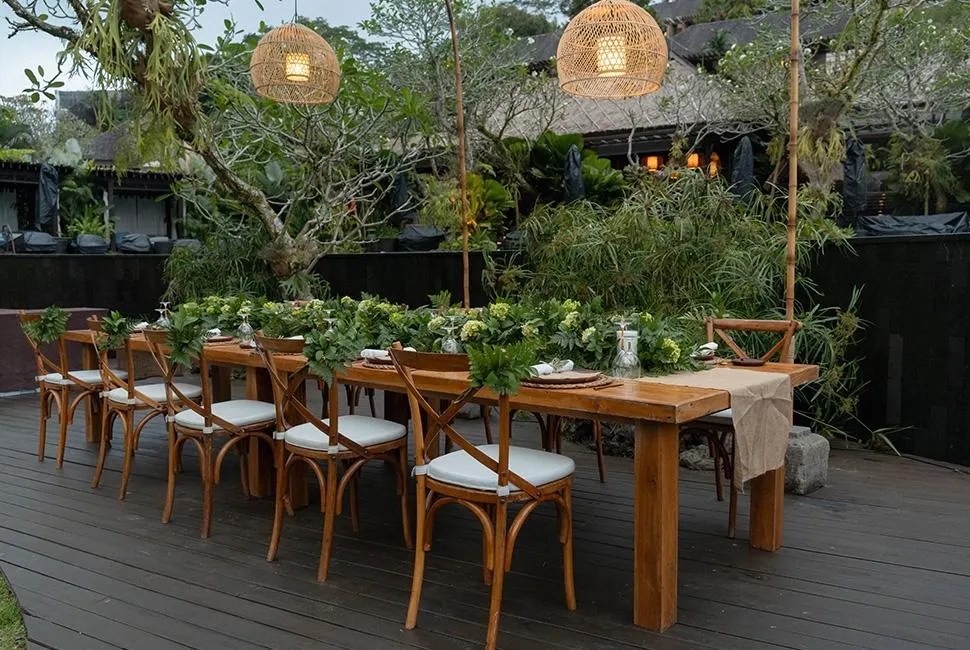
At $5,000 a night, Cambodia’s Shinta Mani Wild promises a stay unlike any other. Think zip lines, personal butlers, cocktails by waterfalls and the occasional armed patrol in search of poachers.
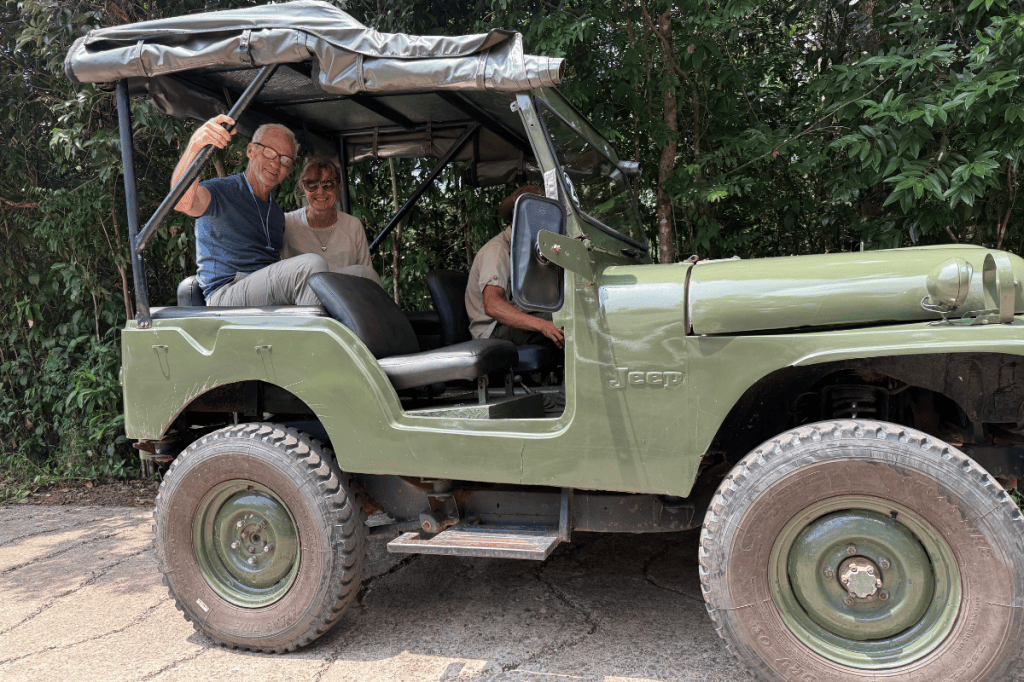
When the “Willy Wonka of hotel design” has planned your digs, you expect to be taken out of your comfort zone. Our first metaphorical Oompa Loompa when we arrive at Shinta Mani Wild, Cambodia, is the 1960 Vietnam War jeep that we are transferred into at the gate to rattle our way up to the much larger snozzberry surprise he has in store.
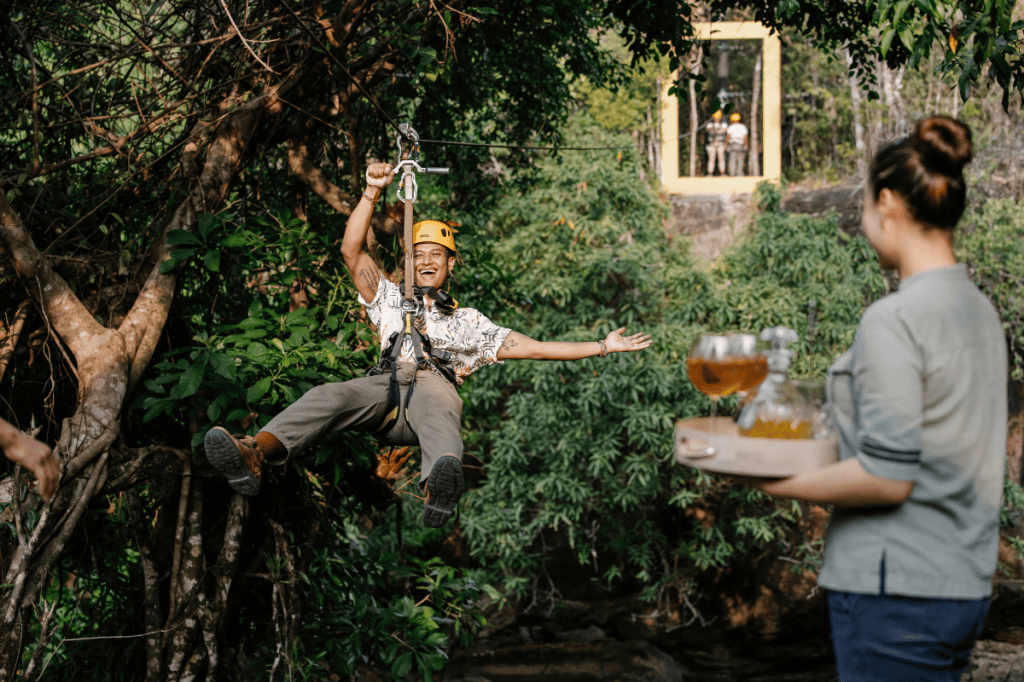
I’d been told we had a choice as to whether we entered the $5,000-a-night Shinta Mani Wild via zip line. But everyone seems to just take it for granted that of course the intrepid journo will take the 400-metre-long, seven-storey-high flying fox along a raging river valley.
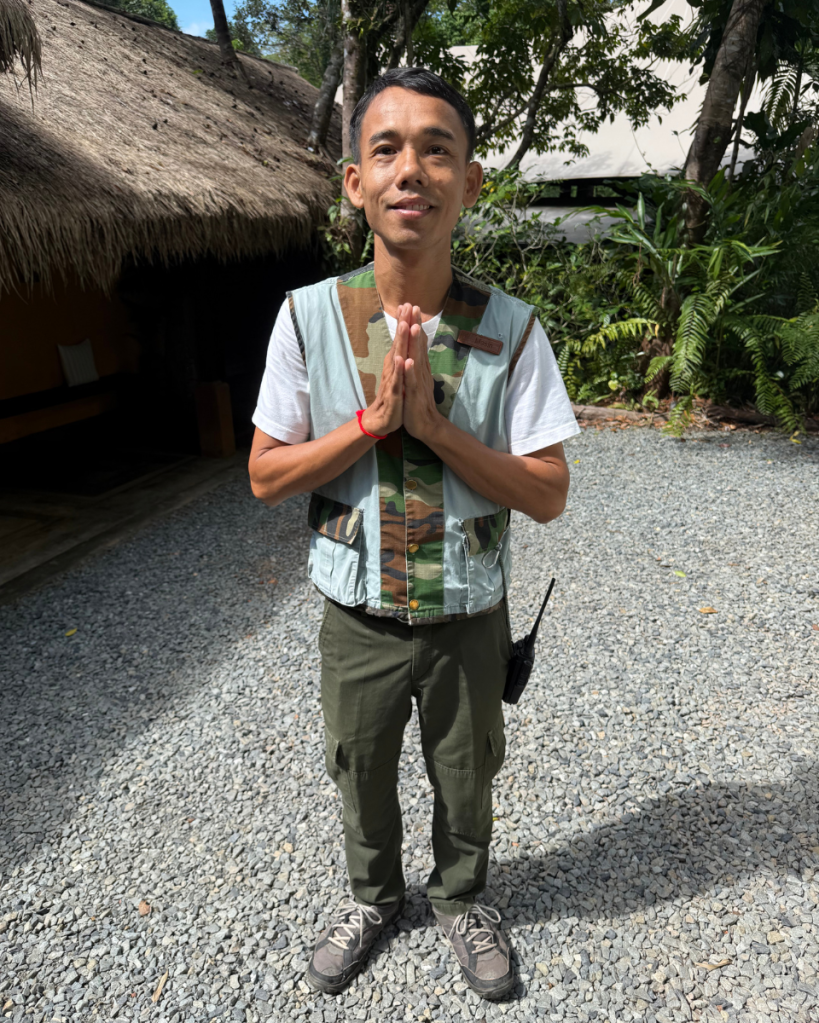
Our “adventure butler”, Masin – assigned to us for the duration of our stay – presents us with the waivers. But nobody consults the butterflies in my belly.
Sure enough, the designer behind all this, Bangkok-based American Bill Bensley, gets us out of our comfort zones, as planned, with not one but two zip lines to get into Shinta Mani Wild. The second, across a wild whitewater cascade, ends in the Landing Zone Bar where the barman is waiting to take our order before we’ve even removed helmets and harness.
I opt for a fresh coconut juice to go with my neat adrenaline. Then allow my arm to be twisted on the house specialty of pineapple juice, with cinnamon, cloves, star anise … and gin freely poured from an antique crystal decanter.
This is the yin and yang of Shinta Mani Wild.
Masin is fussing over us and our whims while briefing us on our options for the next three days, which include luxe pamperings like massage, yoga and sound baths, but also patrols looking for poachers, night walks in the jungle and a foraging walk.
Bensley, a Californian landscape architect, established his own design practice in Bangkok in 1989 and became known for theatrical, story-driven designs. But conservation has increasingly moved to the centre of his thinking.
When Bensley bought the 350-hectare patch of forest at a logging auction in 2010 with his friend, prominent Cambodian businessman and philanthropist Sokoun Chanpreda, they were faced with the choice of what to do with it.
They opted for a business model that went for maximum price per bed night with minimal intrusiveness, and a chunk of the money going to defend the surrounding forests.
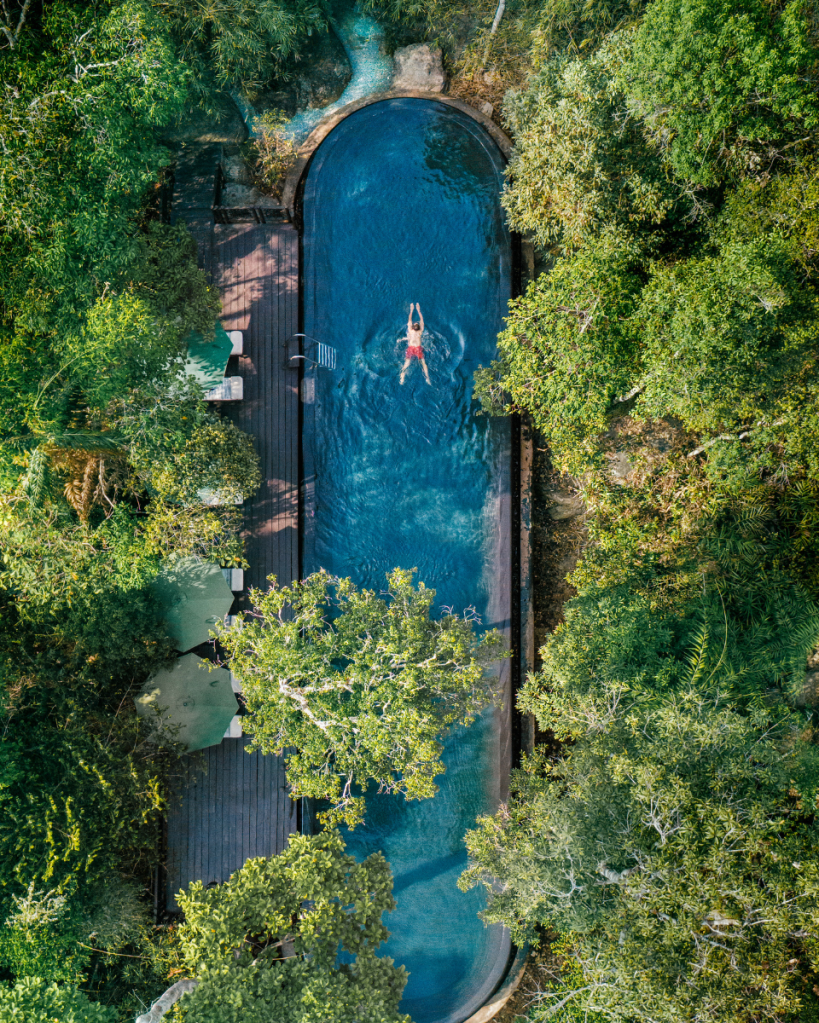
He started with a flight of fancy. When Jackie Kennedy visited Cambodia in 1967 less than four years after the assassination of her US president husband John (and 18 months before the US started carpet bombing this poor Asian kingdom, contributing to its descent into one of the 20th century’s worst atrocities), what if, Bensley mused, she had been taken glamping by her host, Prince Norodom Sihanouk? What would that have looked like?
And so he scoured south-east Asia for artefacts and objects from that period or earlier, and the result is a Bali-colonial, shabby-chic look, full of old, dark timbers and dashes of whimsy in every nook.

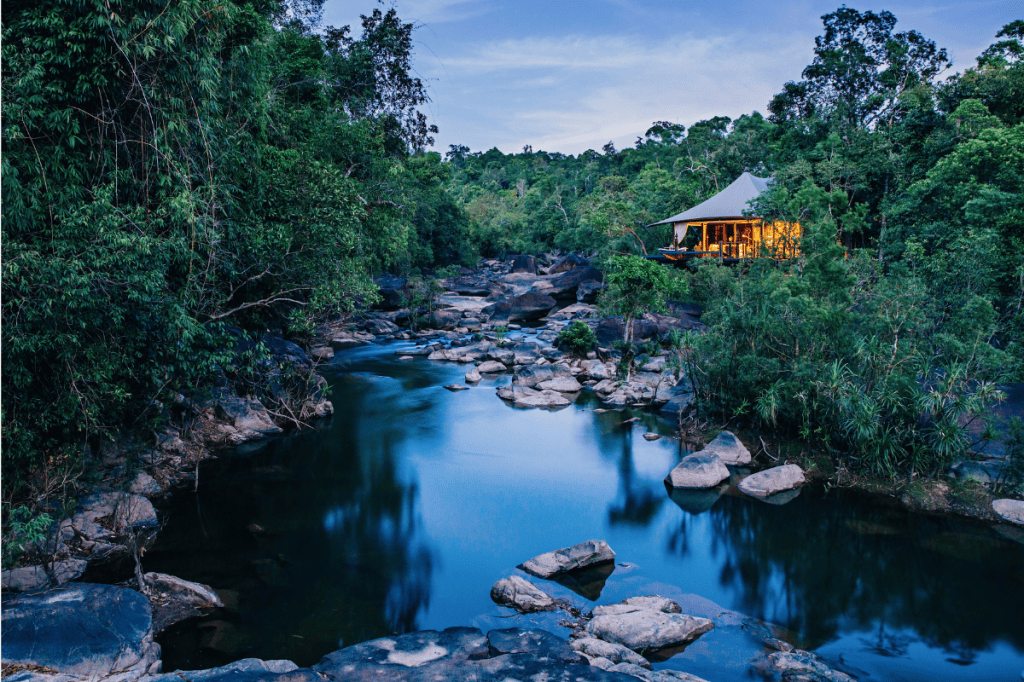
There are 138 staff to service just 15 guest “tents”. It’s a flagrant misuse of the word “tent”. There’s the odd bit of canvas, and a clear-plastic window, but this is not glamping. This is a level of accommodation for which they have not yet coined the words.
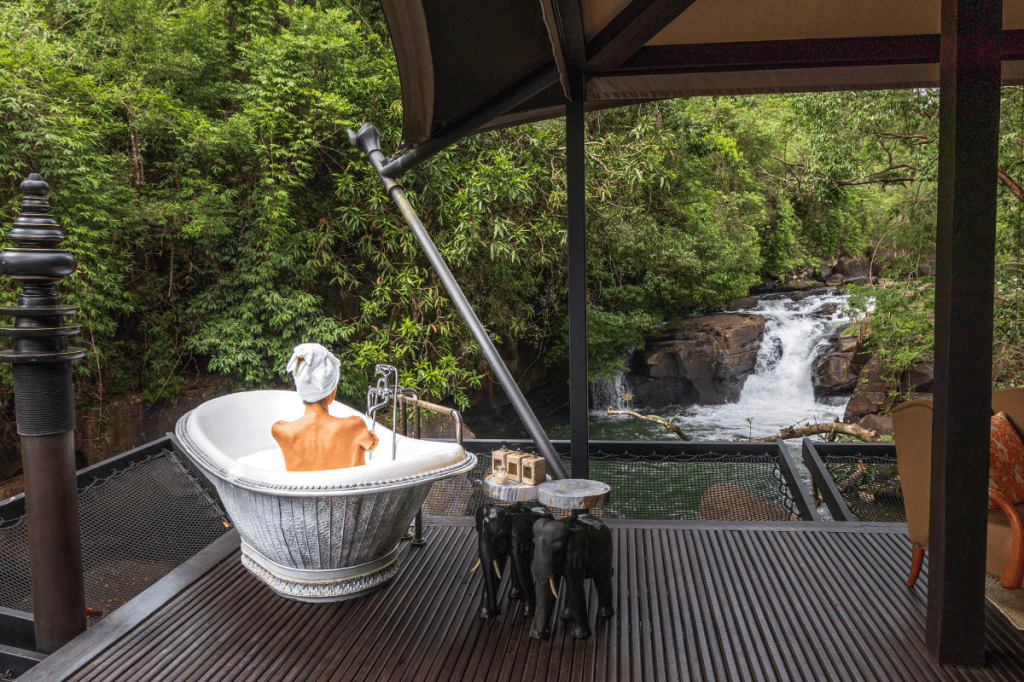
There is the most gorgeous old bath on the edge of our platform overlooking the river raging so loud that it’s often hard to hear conversation. There is no railing on the platform. Which is funny because the bar with its crystal decanters of tequila, gin, rum and whisky is right next to the edge.

Thoughtfully, there is a net to catch the fallen.
The place is spread out such that I would never have even seen a single other tent if I hadn’t gone snooping around. They are all spectacularly located on stilts on the edge of – or over – the two rivers that course through the resort.
It is low season, and the only other guests we speak to, Terri and Greg from Florida, are there because Terri is a Bill Bensley fangirl and they actively seek out his places all over the world. I get that. They’ve come from his offerings in Siem Reap and Bali.
Every tent has a theme and ours is The Birders, full of avian art and books. And when Masin hears that I am, in fact, a keen birder, he has a telescope delivered to the tent which is even better than the one already supplied. And he organises the jeep for an early morning birding walk.
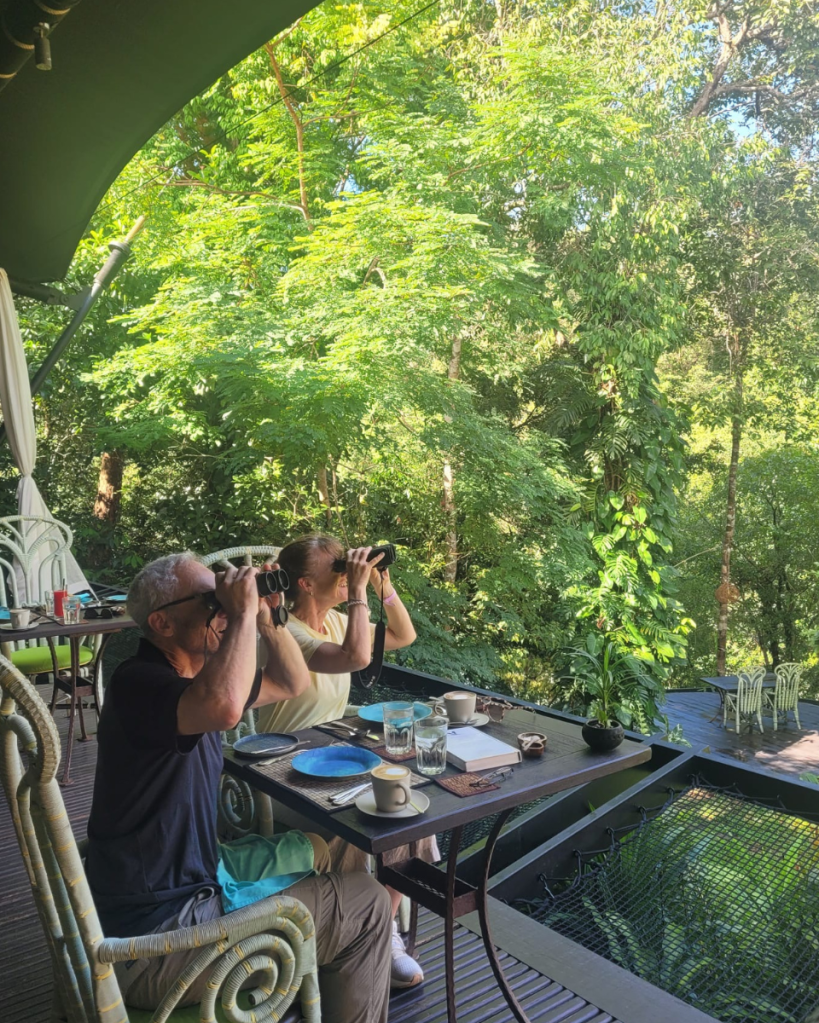
Which brings us to the more serious side of this place. There just aren’t many birds to be seen. Or heard.
Shinta Mani Wild is also a conservation project trying to rectify that silence. A portion of every guest’s bill helps fund a Wildlife Alliance station that goes out on daily patrols looking for poachers in the surrounding Cardamom forest and national parks.
The second morning, we head out with one of their patrols on the back of motorbikes, along with Jack, the camp’s newly appointed conservation manager, plus a military policeman armed with a serious-looking automatic weapon and a representative of the environment ministry.

They don’t expect to need the machine gun, I’m told, but it helps with compliance.
They’re looking for suspicious tracks going off into the scrub. Jack tells us to be on the lookout for bent-over saplings that might signify the spring mechanism of a snare.
We’re looking for illegal timber cutters or those supplying the “cut-flower” bird trade in which birds are sold into the markets for their beauty or song, without any expectations they’ll live in captivity any longer than a cut flower in a vase.
As we walk through the forest, Jack points out that the trees are young and so don’t support the species that rely on tall, old trees, like flying squirrels, or the hollows that so many animals require to breed. Jack is faced with the problem of how to speed up the process of going from a regrowth forest into a mature climax ecosystem.
“Does it mean planting different species of tree? Does it mean reintroducing tigers?”
I’m relieved he’s taking his time on that decision.

When the patrol spots a spread of broken branches they get excited.
“Wild elephants.” And there’s the poo to prove it.
They don’t see many of them. Elephant poaching is not a problem, Jack explains. There are too few left in Cambodia with tusks to make it economically viable.
It’s a reminder that the first-glance wilderness we see is not quite the wilderness we imagine. Cambodia’s last tiger evidence, a paw print, was recorded in 2007. Leopards and clouded leopards remain, but the forest has a long way to go before it resembles the ecosystems of old.
Bensley’s idea is that the economics of Shinta Mani Wild can help turn that around. With his model of max returns on minimum beds, 60 per cent of the 138 employees are drawn from the local community. So the resort provides employment for the people who might otherwise have fewer reasons to value the forest’s preservation.
And there are other ways of getting guests involved. On a foraging excursion, we follow the roots of wild yams deep into the sandy soil, eventually hauling out finger-sized tubers more than a foot long. That evening, they turn up in our dessert, alongside mango and rice pudding.
Back at camp, there’s a sound bath to try. The French instructor, Morgan, leads us through breathing exercises and meditation before we lie down among seven brass bowls, whose varying tones envelop your cranium, representing the body’s seven chakras.
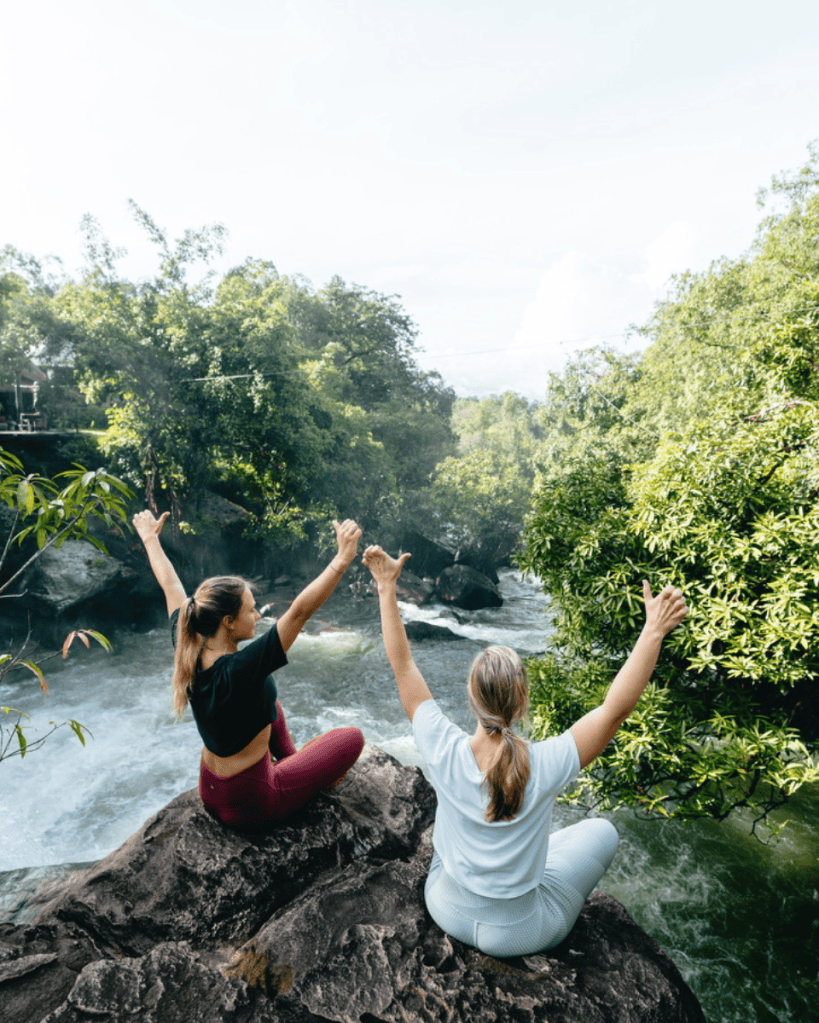
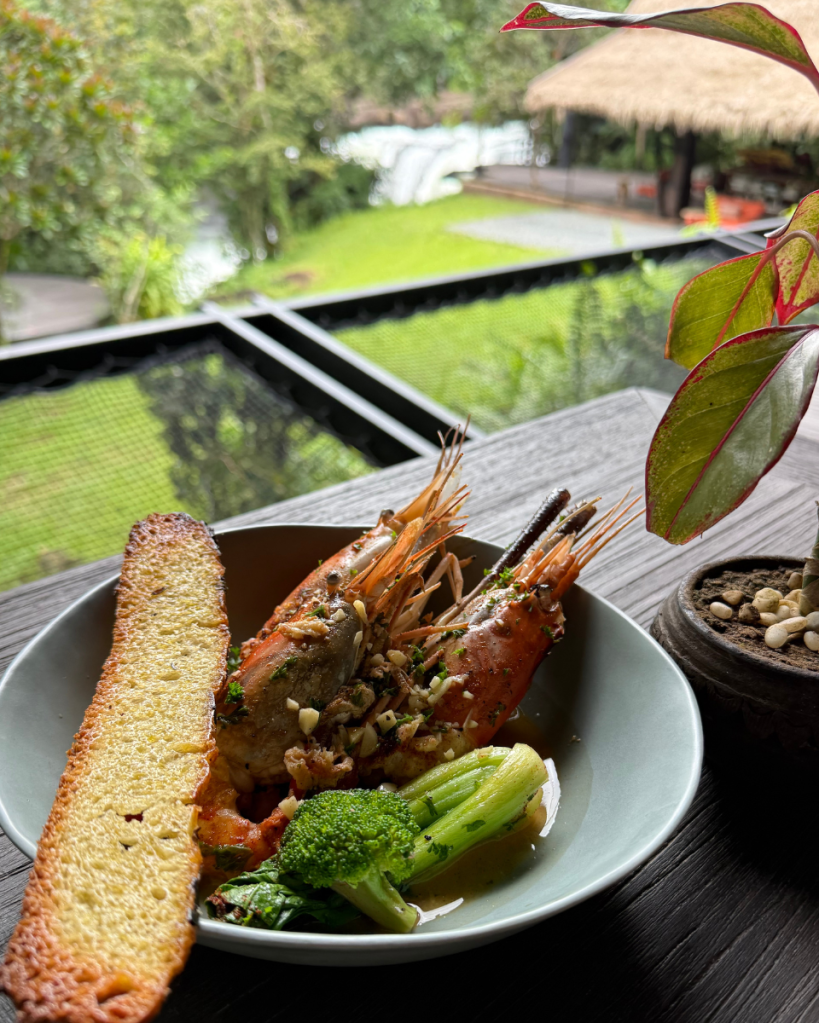
And every single meal is a first-class combination of Khmer cuisine with a modern twist (while still offering a cheeseburger if you’re sufficiently brain-dead).
It’s all part of the Shinta Mani Wild all-inclusive proposition. You can have a massage in your tent, a cocktail beside a waterfall, a personal butler on WhatsApp and a dinner table suspended above a river. And while Bensley is rather keen that you don’t spend the entire visit enjoying the view from a comfortable chair, you can’t help slipping into that mode, too.
When Masin the adventure butler sends me a WhatsApp message reminding me that I have a massage coming up it seems like such an effort to reply that I find myself wondering, “Where’s my WhatsApp Butler?”
Anybody fortunate enough to stay at this place really has won the Golden Ticket.
Mark Whittaker stayed as a guest of Shinta Mani Wild.
Want to see more Forbes articles on your feed? Tap here to make Forbes Australia a preferred source on Google.
Look back on the week that was with hand-picked articles from Australia and around the world. Sign up to the Forbes Australia newsletter here or become a member here.