With a new Sydney flagship and a more direct local presence, the Italian design group is betting that Australia’s increasingly sophisticated interiors market is ready for more.
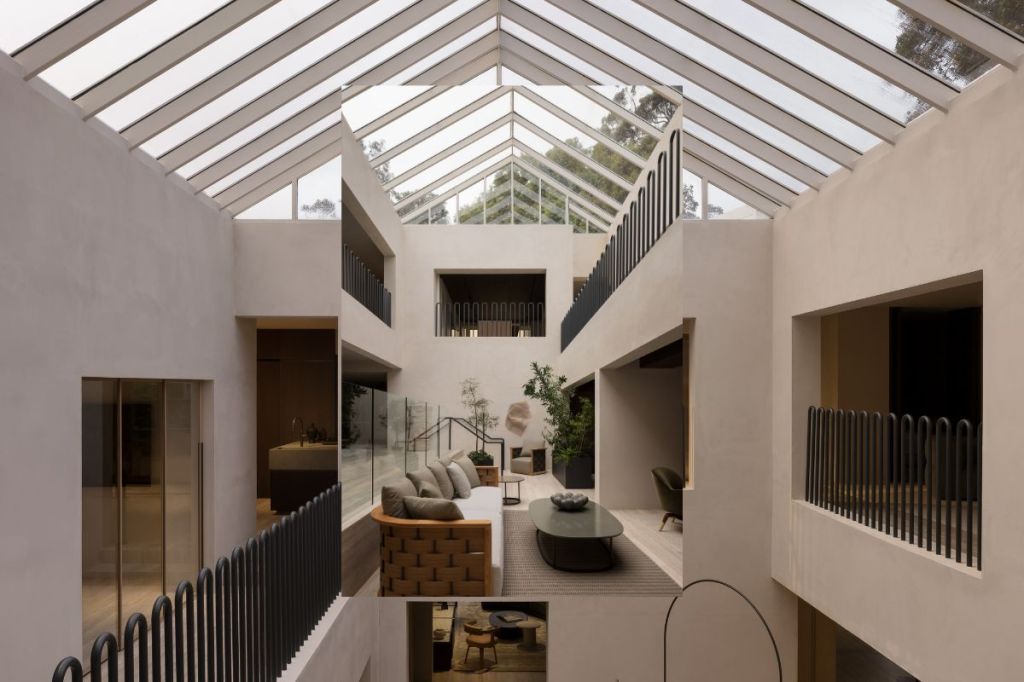
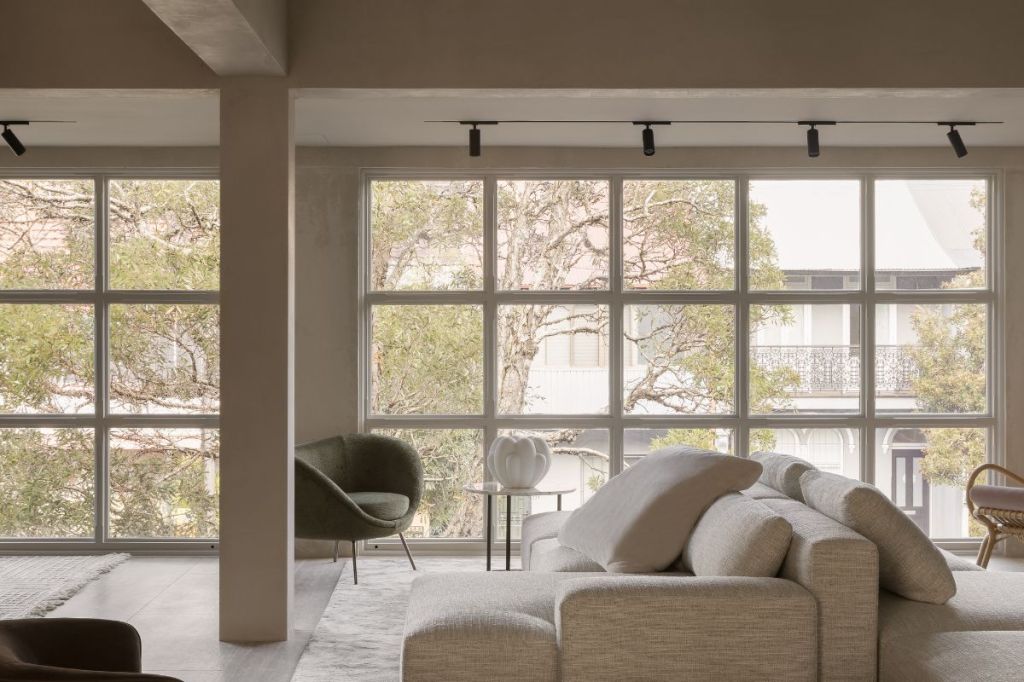
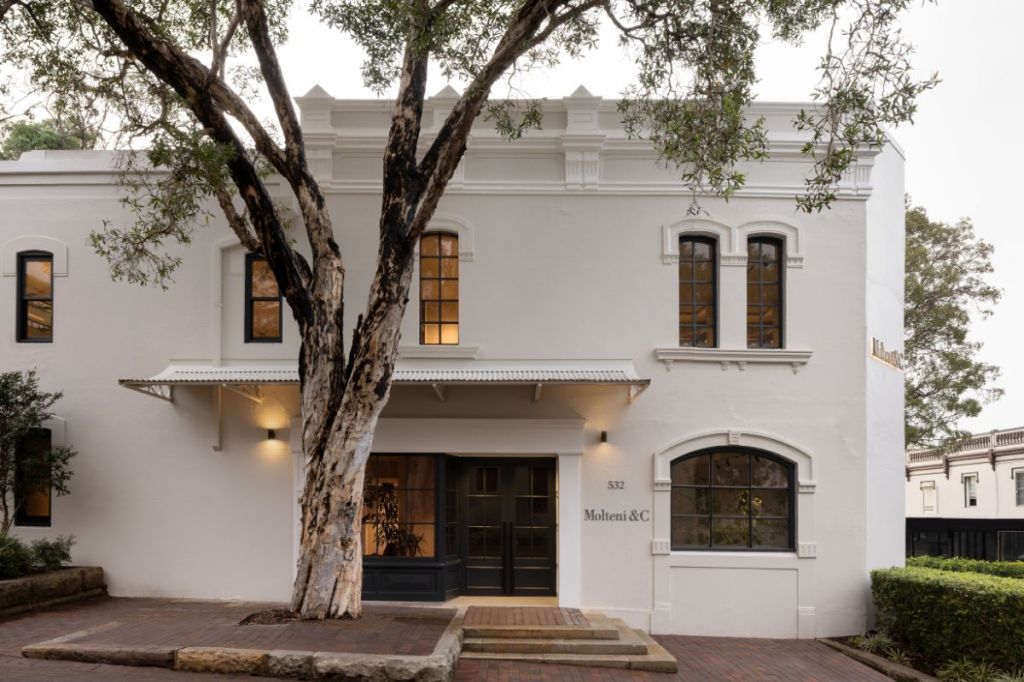
Italian furniture house Molteni&C has found a new home in Surry Hills, Sydney, transforming a former restaurant into a 760-square-metre space designed to feel more like an elegant inner-city residence than a showroom.
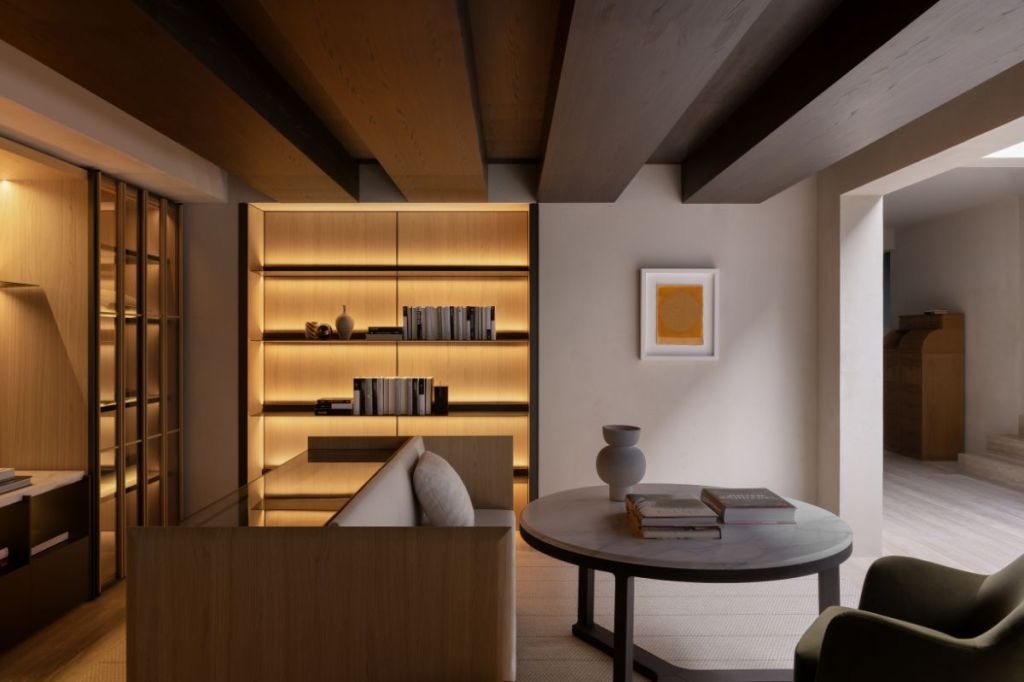
The two-storey heritage building at 532 Riley Street, once home to the hatted restaurant Porteño, is the latest expression of a business that wants customers to experience its furniture as part of a complete way of living. Intimate residential settings, tactile stone surfaces and a central glass atrium that draws natural light deep into the interior give the space the atmosphere of a carefully curated private home.
Molteni Group has established Molteni Australia Pty Ltd as its wholly owned local subsidiary, bringing Molteni&C and office furniture brand UniFor under a single Australian operation. UniFor has been in the Australian market for almost 40 years, while Molteni&C entered later through a distribution partner. Molteni&C opened its Melbourne flagship store in Richmond in 2023.
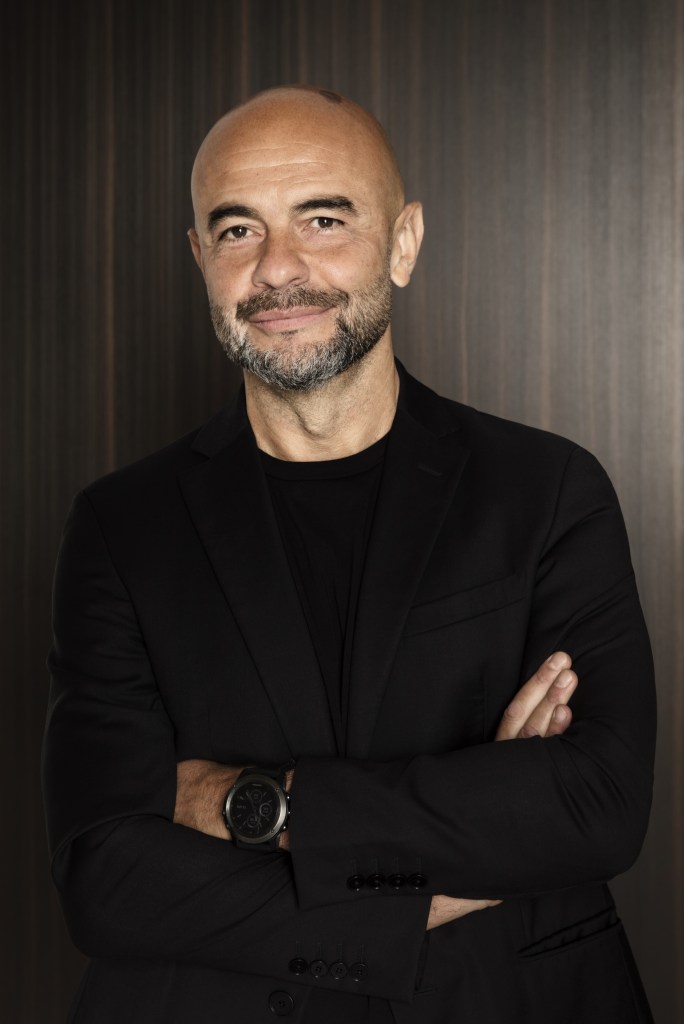
Marco Piscitelli, Molteni Group’s chief executive, says they set up in Melbourne first because it was the centre of Australian architecture and design, but have come to Sydney because of its strength in residential projects.
“We are seeing not only beautiful apartments being developed, but also private villas along the coast,” he says. “The market’s appreciation of our products and our ability to manage projects has increased significantly in recent years. That is why we decided this was the right time to take this important step in Sydney.”
“We are not in a rush. We know it takes time to communicate certain values.”
Marco Piscitelli, Molteni CEO
The showroom is intended to serve two audiences: individual customers furnishing their homes, and architects and developers working on larger projects. Piscitelli estimates the split at roughly 50-50.
Individual consumer sales are more profitable for the business, he says, while large projects generate the volumes that help keep the group’s Italian factories working. Every piece is manufactured in Italy, he says, preserving consistency and quality but leaving the business with substantial fixed costs.
Piscitelli doesn’t see online sales replacing the physical showroom. Molteni&C has an e-commerce channel, but he regards it primarily as a way to introduce customers to the brand before moving into a more detailed, personal conversation.
“In the end, we are a project company,” he says. “We need to sit down with the client, understand their needs, ideas and dreams, and develop the project together.”
He says most Molteni flagship stores open in luxury shopping strips with neighbours like Cartier and Gucci, but in Sydney they decided to go for the slightly grungier Surry Hills because of its creative community. The rent is still expensive, Piscitelli says, but the area’s concentration of architects, designers and independent businesses made it a natural fit.
“We have 130 flagship stores in the world, and every single one has the same characteristic, it is a private house open to welcome all our clients, but it is also a hub studio to develop projects.”

Rather than simply lining up sofas and chairs for inspection, the showroom invites visitors to imagine how they might live with them.
The concept is an “art collector’s house”, says Giulia Molteni, the group’s chief marketing officer, where architecture, design and art coexist. Australian artworks, introduced through a collaboration with Studio Gallery, sit alongside furniture from the Italian company’s collections.
Historic designs, including Gio Ponti’s D.154.2 armchair, share the space with contemporary pieces by designers such as Christophe Delcourt and Vincent Van Duysen, who has led Molteni&C’s creative direction for the past decade. Fabrics, finishes and configurations can be customised, with the company offering everything from individual pieces to complete residential interiors.
Piscitelli wouldn’t say how much was spent on the fit-out. “I can tell you it’s a lot,” he says. He expects the store to reach break-even within one to two years, supported by a pipeline of projects already generated. Profitability, however, is not the only immediate priority.
“We want to build a long-term relationship with the local community,” he says. “We are not in a rush. We know it takes time to communicate certain values.”
Want to see more Forbes articles on your feed? Tap here to make Forbes Australia a preferred source on Google.
Look back on the week that was with hand-picked articles from Australia and around the world. Sign up to the Forbes Australia newsletter here or become a member here.