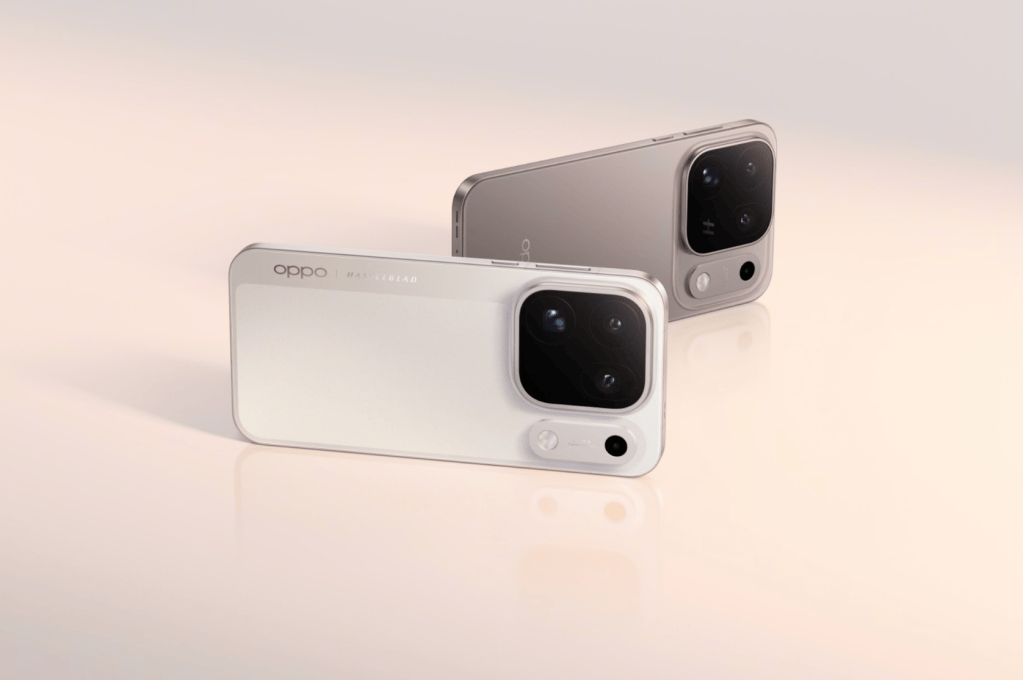
The Chinese phone maker has enlisted the camera brand that went to the Moon on Apollo 11 and built three 200MP cameras into its new flagship. We stopped by Mallorca for the global launch to see whether the camera can carry the price.
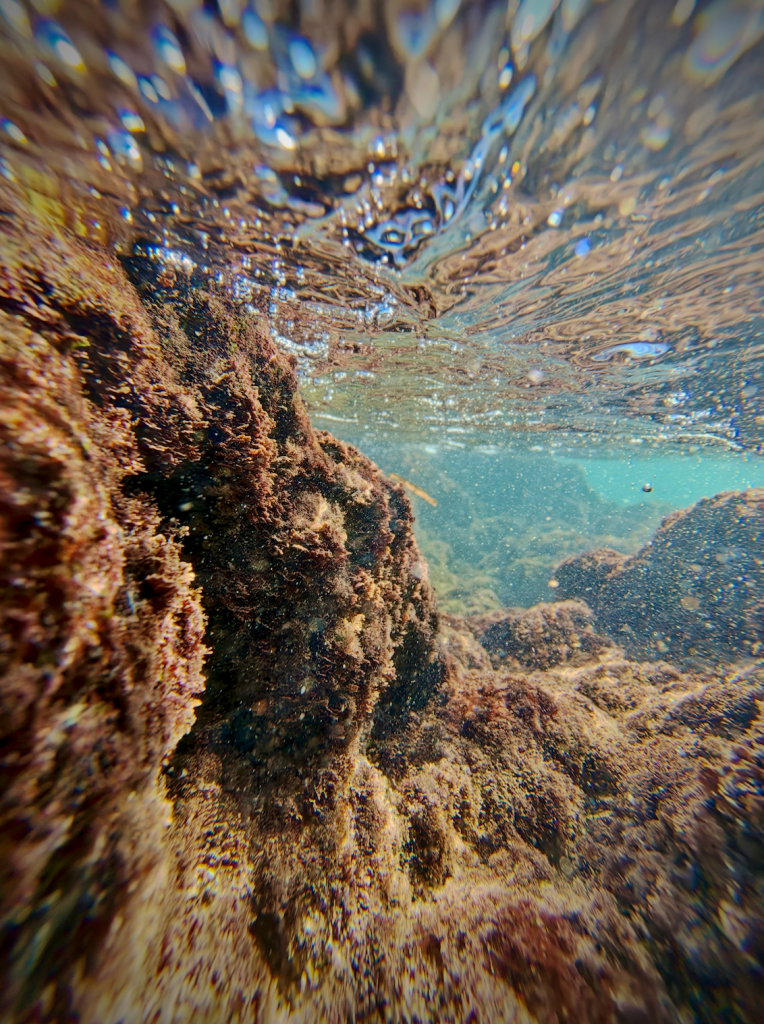
Lowering a $2,699 phone into the Balearic Sea is an act of faith, with the first few seconds beneath the surface spent anxiously watching for the screen to flicker.
Fortunately, for me and Oppo’s PR team, it never did.
For 20 minutes, the Find X10 Pro Max and I explored the rocky seabed off Mallorca on the strength of an assurance from Michael Tran, managing director of Oppo Australia, that the handsets had been pressure tested.
It was only after I returned to dry land that I learned Tran was referring to the pool. The IP68 and IP69 ratings he had vouched for apply to fresh water, and that Oppo own fine print warns against saltwater altogether. The phone did survive without a mark, but is probably the one result in this review Oppo would rather readers didn’t try to replicate.
Whether it can survive a harder test, persuading Australians to spend $2,699, is a question the company has chosen to answer almost entirely through its camera.
That camera has been tuned by Hasselblad, the Swedish company whose equipment travelled to the Moon on Apollo 11 and which has spent the decades since as a fixture of fashion and commercial studios.
Oppo has put three 200MP cameras on the back of the phone, a combination it says no rival has managed, and built the entire launch around them.

The timing suits a company on the rise. Global shipments of the Find range grew more than 500% in the first half of 2026, according to analyst firm Omdia, and Oppo now wants to turn that growth into standing at the top of the market, a long way from the mid-range handsets most Australians know it for.
“We want the camera experience to be the reason people choose Oppo, and the Find X10 Series is our strongest expression of that vision yet,” says Tran.
Oppo is also making an argument about taste.
Phone photography, the company contends, has drifted towards heavy sharpening and brightened faces until the image bears little resemblance to the scene, so it has deliberately held back the Find X10’s processing.
Its own reviewer’s guide acknowledges the results may look subtler than those of rival phones at first glance, a risk for a device that will inevitably be judged side by side. Mallorca, with its hard midday glare and long amber evenings, seemed a fair place to put the idea to the test.
On the water
Open water is typically unforgiving for a phone camera, with hard sun glancing off the surface and a horizon that runs the full width of the frame. The ultra-wide takes in 124 degrees, enough to hold an entire bay, and the main camera’s dynamic range keeps the glare on the water and the blue of the sky in the same exposure.
An XPan mode, named after Hasselblad’s panoramic film camera, stretches the coastline into a strip wider than most cinema screens.


Below the surface
As mentioned above, Oppo would rather its phone stayed out of the sea, and its fine print limits the IP68 and IP69 ratings to fresh water.
That said, the camera works underwater without a housing, and in the shallows off Mallorca it picked up the texture of the rock and the sunlight breaking through the surface with a clarity that makes the risk tempting to repeat.
On the street
Left on its default, the phone shoots 26MP images with deliberately restrained processing, keeping stone, skin and colour close to the scene. For more character, 18 colour styles include a Portra film look.



At the table
Phones tend to oversell food, pushing reds and greens until a plate looks like a menu photo. The Find X10 takes a lighter approach, helped by a multispectral sensor that reads the colour of the light in the room, so a dinner by candlelight keeps its warmth.
The telephoto’s 10-centimetre focus also lets it move in close on a dish without the phone casting a shadow across it.


The long lens
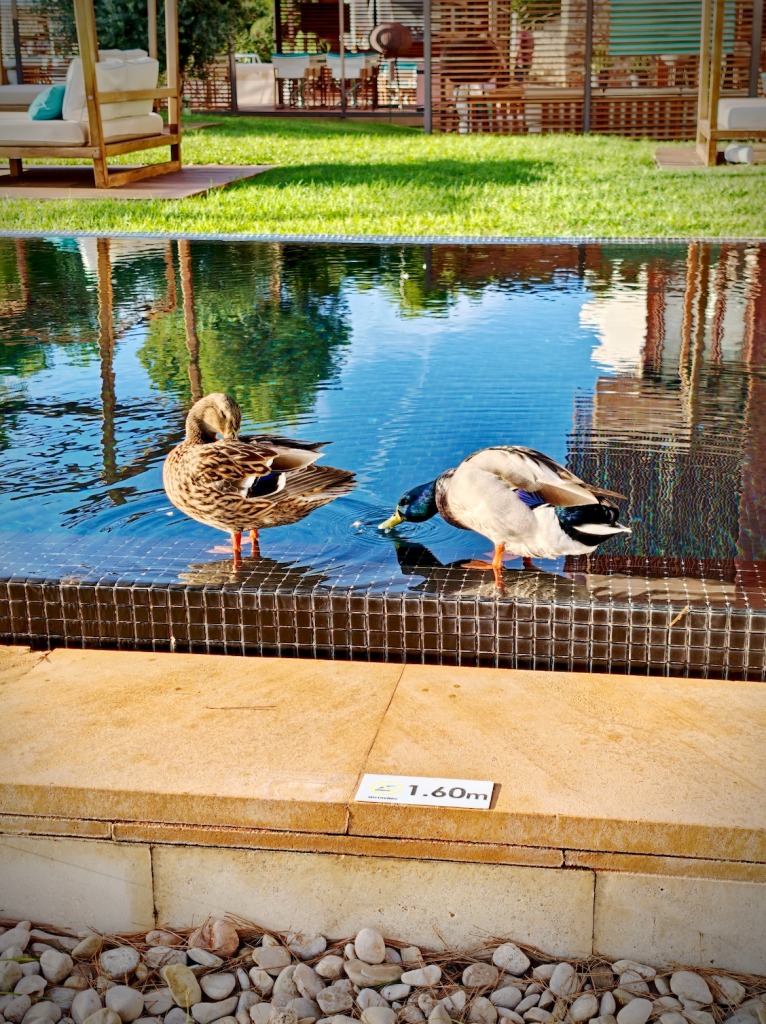
The 3x periscope telephoto, extended to 10x optical by the free teleconverter, brings a yacht on the horizon or wildlife across a pond within reach.
Underground
The Cuevas del Drach, the cave system on the island’s east coast, is about as hard a test of low light as Mallorca offers.
The main camera pairs a large 1/1.3-inch sensor with a fast f/1.5 lens and drops to 12MP in dim conditions to keep noise down, holding the lit formations and the darkness around them in the same frame.

Golden Hour
Oppo rates the main camera at 17 stops of dynamic range, enough to hold the sun itself and the water beneath it in one exposure.

Beyond the camera
- AI LinkBoost: This is perhaps my favourite feature of all. Anyone who has watched hotel Wi-Fi collapse at the worst moment will appreciate this one. An AI agent learns on its own and chooses the best possible network for you.
- AI Call Guard: A feature built for the deepfake era. It listens for AI-generated voices on calls and watches for face swaps on video calls, flagging the risk in real time.
- Touch to Share: A quiet concession to the iPhone in every household. Photos, videos and files move between Oppo and Apple devices with a tap.
- Battery: It wouldn’t be a phone review without mentioning the battery, and this one is generous. The 7,150mAh cell is rated for two days and should hold more than 80% of its capacity after five years, by which point, let’s be honest, most phones have been retired to a kitchen drawer.
- Charging: When it does run flat, 80W wired charging gets it back quickly, and anyone who has left the Oppo brick at home can still draw 55W from a standard USB-C charger.
The verdict
Oppo wants the camera to be the reason people choose its phone, and it largely earns that. The images look like the places they were taken, the display holds up in the hardest sun, and the interface feels familiar within a day.
At $2,699 and 228 grams, it asks a lot of buyers, but for anyone weighing a switch from the biggest brands, it is a serious contender.
This author travelled to Mallorca as a guest of Oppo Australia.
Want to see more Forbes articles on your feed? Tap here to make Forbes Australia a preferred source on Google.
Look back on the week that was with hand-picked articles from Australia and around the world. Sign up to the Forbes Australia newsletter here or become a member here.